
Choosing between a nebulizer and a cold-air diffuser for waterless essential oil depends on your target room size, desired scent intensity, and how much time you want to spend on maintenance. Nebulizers use high-velocity air pressure to atomize pure oils instantly, making them excellent for concentrated, immediate scenting in smaller, targeted zones. Cold-air diffusers use pressurized pumps to create a dry nano-mist that travels further, making them ideal for larger, open-plan spaces. By understanding how these two waterless technologies operate, you can select the system that aligns with your lifestyle and spatial requirements.
In tropical climates like Singapore, where high humidity is a constant factor, waterless essential oil diffusers have become increasingly popular. Traditional ultrasonic diffusers rely on water to disperse oils, which adds extra moisture to already damp indoor air and can contribute to mold growth in enclosed spaces. Waterless systems eliminate this issue entirely, preserving the chemical integrity of your essential oils without dilution. However, because these devices rely on distinct mechanical processes, they offer very different aromatic experiences and require different levels of hands-on care.
How Nebulizing and Cold-Air Diffusion Actually Work
To make an informed choice, it helps to understand the mechanical differences between these two waterless technologies. A nebulizing diffuser operates on Bernoulli’s principle, a fluid dynamics concept. The device uses an internal pump to send a rapid stream of pressurized air across a tiny suction tube submerged in pure essential oil. This high-velocity airflow creates a vacuum that draws the oil upward, forcing it to crash against a glass baffle. This impact breaks the liquid oil into a fine mist of micro-droplets, which are then released directly into the air.
Products mentioned in this guide
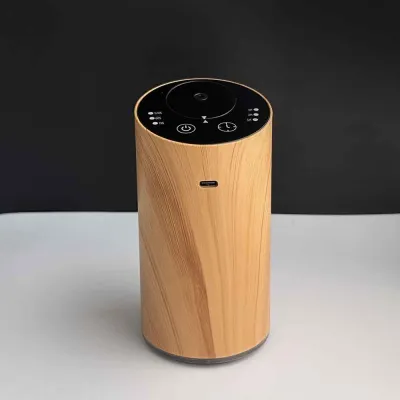
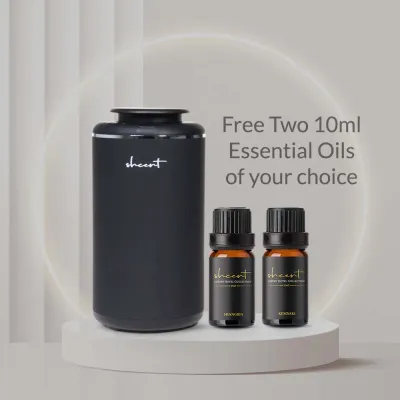
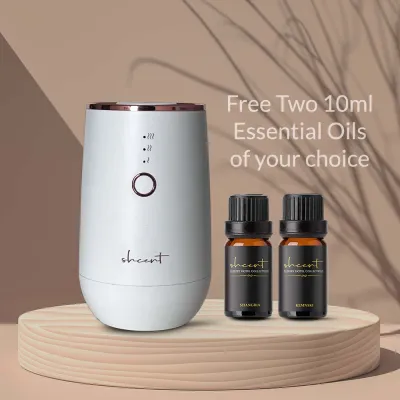
![[Free Essential Oil] Aroma Matters - CarPro Waterless Diffuser/Air Freshener](https://img.lazcdn.com/g/p/1137bfc24977ff52a9d5562677d5a678.jpg_400x400q80.jpg_.webp)
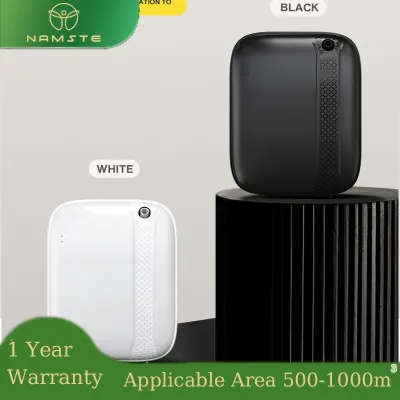
Prices are valid at publication and may change. Please refer to the product page for the latest price.
Cold-air diffusers, on the other hand, utilize a highly specialized atomizing core and a pressurized air pump to execute cold-air diffusion technology. Instead of spraying oil against a glass surface, these systems force the liquid through an engineered micro-nozzle under high pressure. This process breaks the essential oil down into ultra-fine, dry nano-particles. These particles are significantly smaller and lighter than the micro-droplets produced by a standard nebulizer, allowing them to remain suspended in the air for much longer periods.
While both systems are classified as waterless essential oil diffusers, their internal atomization processes create different particle sizes and dispersion patterns. Nebulizers typically feature exposed glass reservoirs that showcase the misting process, making them as much a visual decor piece as a functional appliance. Cold-air diffusers are generally more industrial or minimalist in design, housing the oil bottle completely inside a sealed plastic, aluminum, or metal casing to protect the pressurized components.
Scent Intensity and Room Coverage: Matching Your Space
Because nebulizers release slightly larger micro-droplets of pure oil, they deliver an incredibly potent and immediate aroma. The scent throw is highly concentrated, making nebulizers perfect for localized areas where you want an instant sensory impact. If you want to scent a compact bedroom, a home office desk, or a dedicated yoga corner, a nebulizer provides a rich, unadulterated fragrance profile. However, because the droplets are heavier, they tend to settle out of the air more quickly, limiting their effective coverage area.

Cold-air diffusers excel at consistent, wide-area coverage. The dry nano-mist they produce is so lightweight that it easily rides natural indoor air currents, drifting across large living rooms, open-concept layouts, or multi-room spaces without falling onto surfaces. Rather than overwhelming a single spot with a heavy burst of fragrance, cold-air systems distribute a subtle, uniform background scent that remains stable over hours of operation.
Before purchasing either device, you should carefully assess your room’s physical characteristics. Take note of the ceiling height, overall airflow, and the presence of mechanical ventilation like ceiling fans or air conditioning units, which can quickly disperse or dilute the scent. Always check the manufacturer’s specifications for the exact square footage or cubic meter ratings of the device. Additionally, verify if the product features adjustable intensity settings or programmable duty cycles, which allow you to customize the scent output to match your room’s volume.
Maintenance, Cleaning, and Daily Upkeep
Your willingness to perform routine maintenance is a major deciding factor when choosing between these two systems. Nebulizers require regular, hands-on upkeep to prevent clogging. Because they utilize delicate glass reservoirs and incredibly narrow micro-tubes, any leftover oil can quickly dry, thicken, and block the passage. To maintain atomization efficiency, you must flush the glass components with rubbing alcohol (isopropyl alcohol) at least once a week, or whenever you change oil varieties.
Cold-air diffusers generally offer a much lower-maintenance experience. These devices typically feature sealed oil bottles or proprietary cartridges that screw directly into the diffusion head, minimizing direct contact with the oil and reducing exposure to open air. Because the system is sealed, the risk of dust and debris entering the nozzle is significantly lower. While you do not need to clean them weekly, periodic maintenance is still necessary; you will occasionally need to run a bottle of specialized cleaning solution or alcohol through the system to keep the atomizing core clear.
When evaluating your maintenance tolerance, consider how much time you want to spend handling delicate parts. If you enjoy the ritual of cleaning and switching between different single-origin oils frequently, the manual upkeep of a nebulizer may not bother you. However, if you prefer a set-and-forget appliance that can run for weeks with minimal intervention, a sealed-cartridge cold-air system is likely the more practical choice for your household.
Essential Oil Consumption and Operating Costs
Because waterless systems do not dilute essential oils with water, their consumption rates directly impact your ongoing monthly budget. Nebulizers atomize pure oil directly from an open reservoir, which can lead to rapid oil consumption, especially when run continuously at high settings. A small 10ml bottle of premium essential oil can be depleted quickly if the device is left running without a timer. This makes nebulizers highly effective for short, high-intensity sessions, but potentially expensive for continuous daily scenting.
Cold-air diffusers are engineered for efficiency, often utilizing precise micro-dosing mechanisms. Many models feature built-in digital timers that allow you to program specific operating intervals—such as diffusing for 15 seconds and pausing for 60 seconds. This controlled release, combined with the ultra-fine nano-particle size, ensures that a single bottle of oil lasts much longer, making cold-air systems highly economical for continuous, long-term home scenting.
Before committing to a system, verify the oil compatibility guidelines provided by the manufacturer. Some cold-air diffusers require proprietary oil blends formulated specifically to match the viscosity limits of their atomizing cores, which can limit your fragrance choices and increase costs. To estimate your long-term operating expenses, calculate the cost per milliliter of your preferred oils (using local pricing, such as S$ per bottle) against the device’s stated hourly consumption rate. This calculation ensures you select a system that fits your long-term budget.
Noise Levels and Placement Considerations
Because both nebulizers and cold-air diffusers rely on mechanical air pumps to generate pressure, neither technology is completely silent. Both devices produce an audible humming or vibrating sound during operation. The intensity of this noise varies depending on the quality of the internal pump and the materials used in the casing. Before buying, always check the manufacturer’s decibel (dB) rating, especially if you plan to place the device in a quiet bedroom, study, or office environment.
Placement strategy is also crucial for maximizing performance and ensuring safety. Nebulizers are typically compact, lightweight, and highly portable, making them easy to move from a bedside table to a desk. Cold-air diffusers are often larger, heavier, and designed to remain in a fixed location; some premium models are even designed to be wall-mounted or integrated directly into home ventilation systems for seamless scent distribution.
Regardless of the technology you choose, you must consider surface safety. Because waterless diffusers disperse concentrated oil particles, placing them too close to delicate surfaces can cause issues over time. If the mist settles directly onto finished wood, varnished surfaces, plastics, or delicate fabrics, the concentrated oil can leave a residue or cause discoloration. Always place your diffuser on a stable, non-porous surface in an open area with good air circulation to ensure the mist disperses fully into the room.
Decision Framework: Which Waterless Diffuser Should You Choose?
To finalize your decision, evaluate your personal preferences and spatial needs against the unique characteristics of each technology.
Choose a Nebulizer if:
- You want an immediate, highly potent burst of aroma in a localized area.
- You appreciate a decorative, visual design featuring natural materials like glass and wood.
- You enjoy frequently changing your essential oils and do not mind performing regular manual cleaning.
- You prefer a highly portable device that can easily move with you from room to room.
Choose a Cold-Air Diffuser if:
- You need consistent, subtle, and uniform scent coverage across a large or open-plan living space.
- You prefer a low-maintenance appliance with a sealed-bottle system that requires minimal cleaning.
- You want precise control over your scenting schedule via programmable digital timers and duty cycles.
- You want to maximize the longevity of your essential oil bottles through efficient micro-dosing.
Before making your final purchase, always verify the electrical specifications of the device. Ensure the voltage matches your household outlets (typically 230V in Singapore) or check if the device can be powered via a standard USB interface. Additionally, look for local electrical safety certifications to ensure the motorized pump is safe for continuous unattended operation in your home.
Frequently Asked Questions (FAQ)
Can I use carrier oils or thick blends in waterless diffusers?
No, waterless diffusers are designed to work exclusively with pure, low-viscosity essential oils. Carrier oils, such as jojoba, sweet almond, or coconut oil, are far too thick and heavy for the delicate atomization nozzles. Attempting to use them will clog the glass tubes of a nebulizer or damage the pressurized pump of a cold-air diffuser. Always consult your device’s instruction manual to verify approved oil types and viscosity limits before use.
Do waterless diffusers leave residue on furniture?
While waterless diffusers produce a dry mist that evaporates quickly into the air, prolonged and direct exposure to concentrated essential oil can leave a fine residue over time. This residue can potentially damage varnished wood, delicate fabrics, or certain plastics. To prevent any surface damage, place your diffuser in an open area with active airflow, ensuring the nozzle is pointed away from walls, electronics, and valuable furniture.
Community discussion
Share your experience or ask a question. Comments are reviewed before publication.