
When preparing your Housing & Development Board (HDB) flat for unexpected power outages or localized electrical trips, selecting the right emergency lighting is a matter of practical utility rather than raw tactical power. While Nextorch is widely recognized for producing high-performance tactical illumination tools, choosing a model for a Singapore home requires a distinct shift in priority.
Instead of focusing solely on maximum beam distance or extreme lumen outputs designed for outdoor search operations, an effective household setup prioritizes compact storage, versatile mounting options, and reliable battery runtimes.
By understanding how to evaluate Nextorch’s diverse product lines against the specific spatial and environmental constraints of flat living, you can ensure your household remains safe and well-lit during any utility disruption. Before making a purchase, always verify the physical dimensions, battery chemistry, and interface options on the official manufacturer specifications to find the perfect fit for your home.
Products mentioned in this guide
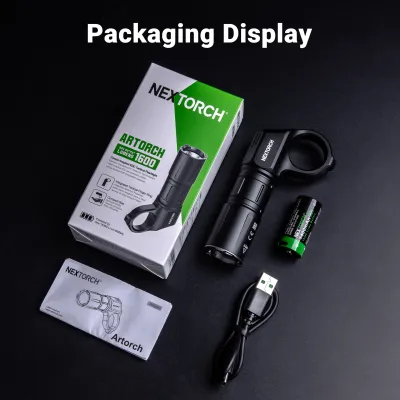
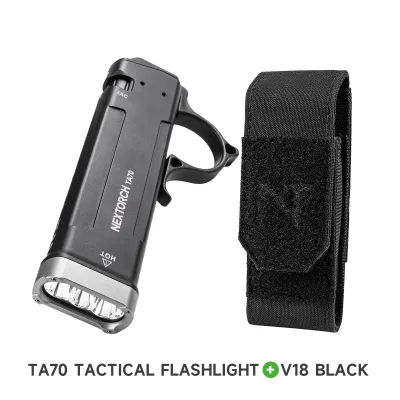
![Nextorch TA70 Ultra-Slim EDC Tactical Flashlight [3500 Lumens I 220 Meters]](https://img.lazcdn.com/g/p/a2cc70fd54598842e96cb25a43da5499.jpg_400x400q80.jpg_.webp)
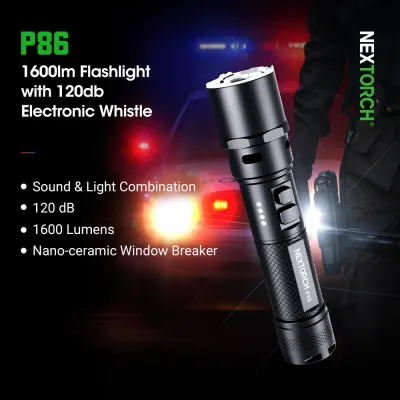
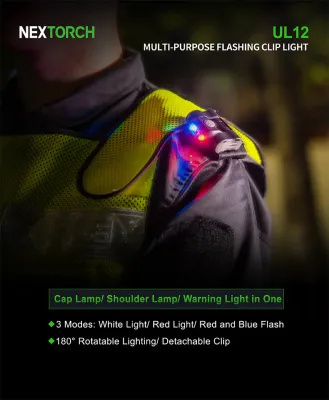
Prices are valid at publication and may change. Please refer to the product page for the latest price.
Understanding HDB Storage and Emergency Constraints
Living in an HDB flat presents unique spatial and environmental conditions that directly influence how you should store and select emergency gear. Space is often at a premium, meaning emergency tools must fit seamlessly into designated storage areas without adding unnecessary clutter.
Whether you utilize a dedicated emergency grab-and-go bag, a shelf in your household shelter, or a specific drawer in your living room console, your chosen flashlight must be compact enough to remain accessible. A bulky, heavy searchlight is far more likely to be relegated to deep storage, making it difficult to locate quickly when the lights suddenly go out.
Furthermore, Singapore’s tropical climate introduces significant challenges for long-term electronic storage. High ambient temperatures and relative humidity levels that frequently exceed 80% can accelerate the degradation of battery cells, rubber seals, and internal circuitry.
Flashlights stored in enclosed, unventilated utility closets are particularly susceptible to these environmental stressors. Moisture can seep into poorly sealed battery compartments, leading to corrosion or terminal damage over extended periods of inactivity. Selecting a device with robust weatherproofing and understanding how to store its power source safely are critical steps in ensuring operational readiness.
The typical layout of an HDB flat also dictates the specific lighting scenarios you will encounter during an outage. You do not need to illuminate a vast open field; instead, you need to safely navigate narrow corridors, locate essential items in deep closets, or inspect your home’s main distribution board (DB box).
The DB box is often located near the entrance or inside a utility closet, requiring a light source that allows for hands-free operation so you can safely reset tripped circuit breakers. Additionally, providing soft, ambient light to keep a common room comfortable for family members requires a flashlight that can stand vertically or accept a diffuser accessory.
Evaluating Nextorch Specifications for Flat Living
When browsing Nextorch’s extensive catalog, categorizing models by their form factor and physical dimensions is the first step toward finding an ideal household companion. Penlights and compact keychain models are exceptionally easy to store in bedside drawers or attach to key organizers, ensuring you always have a primary light source within arm’s reach.

However, these smaller form factors naturally accommodate smaller batteries, which limits their maximum runtime on higher output settings. Mid-size utility lights offer a highly balanced alternative, providing a larger grip, longer runtimes, and more robust heat dissipation while still fitting comfortably inside a standard kitchen drawer or emergency kit.
The choice of power source is another pivotal decision point that affects both daily convenience and long-term emergency readiness. Nextorch offers models utilizing built-in rechargeable lithium-ion batteries, as well as those compatible with standard replaceable cells like AA or AAA batteries.
Built-in rechargeable systems, typically utilizing modern USB-C interfaces, are highly convenient for regular use and eliminate the ongoing cost of disposable batteries. However, they require a disciplined charging routine to ensure they do not sit depleted for months.
Conversely, flashlights that accept standard AA or AAA cells offer the advantage of instant power restoration simply by swapping in fresh batteries, provided you store high-quality, leak-resistant spares.
To maximize utility in tight indoor spaces, look for specific physical features that facilitate hands-free operation. A magnetic tail cap is an invaluable asset in an HDB flat, allowing you to securely mount the flashlight to the metal door of your DB box or any other ferromagnetic surface while you work.
Pocket clips can be used to attach the light to a shirt pocket or cap brim, while compatible silicone diffusers can instantly transform a focused, harsh beam into a soft, 360-degree lantern that comfortably illuminates an entire bedroom.
Finally, it is crucial to understand the relationship between light output and runtime. While marketing materials often highlight extreme lumen ratings, running a flashlight at 1,000 lumens or higher indoors is generally counterproductive.
High outputs generate intense heat, cause rapid battery drain, and create blinding glare when reflected off light-colored HDB walls. For indoor emergency use, a moderate output range of 50 to 200 lumens is highly sufficient, providing comfortable visibility while dramatically extending the flashlight’s battery life to last through prolonged outages.
Building a Practical HDB Emergency Lighting Setup
Relying on a single flashlight for an entire household can create unnecessary bottlenecks during an emergency. A more effective strategy involves building a layered lighting setup distributed strategically across your flat.
Your primary emergency light should be a high-capacity, mid-sized Nextorch model kept in a central, easily accessible location known to all family members, such as a shelf near the main entrance or inside the household shelter. This primary light should feature a high-capacity battery capable of providing continuous low-to-medium illumination for several hours.
Complementing this central unit, secondary light sources should be placed in individual bedrooms and high-traffic areas. Small penlights or keychain lights kept on bedside tables allow family members to safely navigate to the main living area without tripping in the dark.
By distributing these smaller, secondary lights, you eliminate the need for anyone to scramble through a pitch-black home to find the main emergency kit.
When selecting your primary Nextorch model, consider checking if the device supports reverse charging or power bank functionality. Some modern utility models feature a USB output port, allowing you to draw power from the flashlight’s high-capacity lithium battery to charge essential communication devices like smartphones.
In an extended outage, this dual-purpose capability ensures you can maintain contact with emergency services or building management without needing a separate dedicated power bank.
Long-Term Storage and Battery Maintenance
An emergency flashlight is only useful if it functions reliably the moment you turn it on. Establishing a simple maintenance routine is essential for preventing battery failure and extending the lifespan of your equipment.
If you choose a model that utilizes standard alkaline batteries, avoid storing them inside the flashlight for extended periods of inactivity. Alkaline cells are highly prone to leaking corrosive potassium hydroxide over time, which can permanently ruin the flashlight’s internal contacts.
Instead, store the batteries in their original packaging alongside the flashlight, or opt for high-quality lithium primary or NiMH rechargeable cells, which are far less likely to leak.
For models featuring rechargeable lithium-ion batteries, avoid storing them completely depleted or fully charged to 100% for years on end. Storing a lithium-ion battery at a partial charge—ideally around 50% to 70%—in a cool, dry place helps minimize capacity degradation.
Set a recurring calendar reminder every three to six months to inspect your emergency lights, check their charge levels, and perform a quick functional test of all brightness modes.
During these routine inspections, closely examine the physical condition of the flashlight and its battery. If you notice any signs of battery swelling, casing deformation, unusual heat during charging, or persistent failure to hold a charge, immediately discontinue use.
Do not attempt to force open sealed battery compartments or use damaged charging cables. In these scenarios, isolate the device in a safe, non-flammable area and consult the manufacturer’s official customer support or a qualified professional for repair or safe disposal guidelines.
Frequently Asked Questions (FAQ)
Can I use a high-lumen tactical Nextorch model indoors during a blackout?
While you can certainly use a tactical Nextorch model indoors, doing so on its maximum brightness setting is highly discouraged. High-lumen beams bouncing off light-colored interior walls or mirrors create intense glare that can cause temporary eye strain and reduce your night vision.
To use a tactical model comfortably indoors, always select its lowest output mode or attach a compatible white diffuser cone to soften and scatter the beam, turning the focused spotlight into a gentle, ambient room light.
How do I verify if a specific Nextorch model is safe for long-term drawer storage?
To verify storage safety, always consult the manufacturer’s user manual for the specified operating and storage temperature ranges. Ensure the storage drawer is located away from direct sunlight, moisture sources, and household appliances that generate heat.
Additionally, perform regular visual checks on the battery compartment to ensure there is no corrosion, and avoid storing rechargeable models completely drained, as deep discharge can permanently damage the battery’s safety circuitry.
Community discussion
Share your experience or ask a question. Comments are reviewed before publication.