
Choosing the right night clock is a balancing act between immediate legibility and strict sleep hygiene. A quality bedside clock should allow you to check the time instantly in the dark without flooding your bedroom with sleep-disrupting light or emitting distracting mechanical sounds.
The three non-negotiable features for any bedroom clock are an adjustable or auto-dimming display, a reliable power backup system, and highly customizable alarm settings. Your ideal choice depends on your personal sensitivity to light and sound, your bedroom layout, and whether you share your bed with a partner. For instance, a light sleeper needs a silent, dimmable display, while a heavy sleeper requires robust physical buttons and high-volume alerts.
Essential Features to Evaluate Before Buying
Display Brightness and Auto-Dimming
Light emission directly affects your circadian rhythm and sleep quality. High-intensity blue or bright white light can suppress melatonin production, making it difficult to fall asleep or return to rest after waking up in the night. When evaluating a night clock, look for adjustable brightness levels that offer more than just a simple high and low toggle. An integrated ambient light sensor is highly beneficial, as it automatically dims the display as your room darkens and brightens it during the day to ensure readability.
Products mentioned in this guide
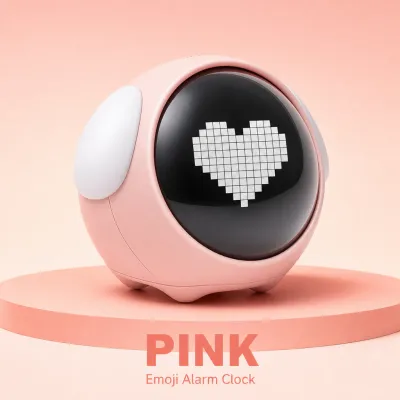
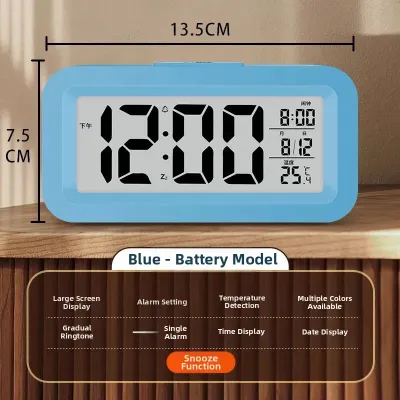
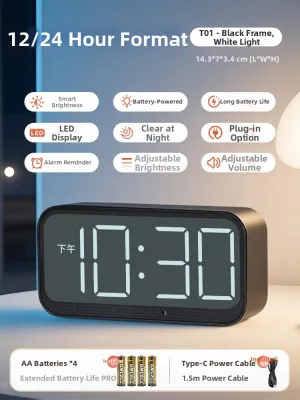
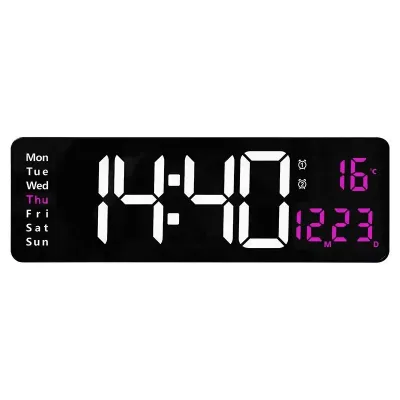
Prices are valid at publication and may change. Please refer to the product page for the latest price.
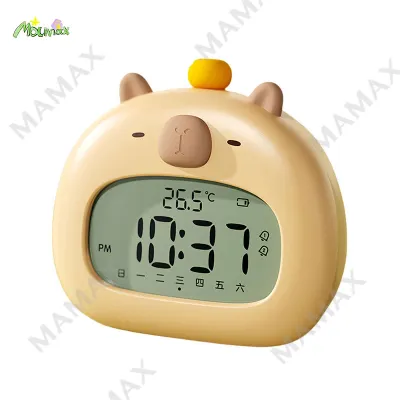
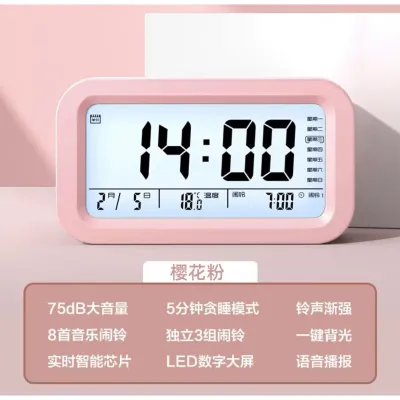
Different display technologies serve different needs. Light Emitting Diode (LED) screens are highly legible but can be overly bright if they lack fine dimming controls. Liquid Crystal Displays (LCDs) with gentle backlights are often softer on the eyes but may require you to press a button to read them in total darkness. Projection displays cast the time onto your ceiling or wall, allowing you to check the hour without turning your head, provided the projection brightness is adjustable. For those highly sensitive to light, verify if the clock features a “blackout” or “display-off” mode. This setting completely shuts off the screen illumination while keeping the background alarm active, turning back on only when you touch the device or make a sound.
Power Source and Battery Backup
The power delivery method of your bedside clock determines its reliability, long-term performance, and placement flexibility. Mains-powered clocks, which plug directly into a wall outlet, provide a continuous source of electricity. This constant power supports brighter displays, continuous projection, and power-hungry features like built-in wireless charging pads.
Battery-operated clocks run entirely on disposable or rechargeable batteries. This design offers excellent portability and eliminates cable clutter on your nightstand. However, they generally feature dimmer screens or rely on tap-to-light mechanisms to conserve energy, and they require regular battery replacements.
A critical feature to look for in any plug-in model is a battery backup system, typically powered by a small coin cell battery. This backup does not run the full display during a power outage, but it preserves the internal clock time and your pre-set alarm configurations. Without it, a brief power flicker in the middle of the night can reset your clock to midnight and cause you to miss your morning wake-up call. USB-powered options have also become highly popular in modern bedrooms, plugging into standard USB wall adapters or multi-port charging hubs to offer a convenient middle ground that matches contemporary bedside setups.
Alarm Sounds and Snooze Functions
The waking experience has a profound impact on your morning alertness and mood. Traditional alarms that blast a single, loud frequency can trigger a sudden spike in heart rate and cortisol levels. To avoid this abrupt awakening, seek out clocks that offer progressive or gradual wake-up alarms. These systems start at an almost inaudible volume and slowly increase in intensity over several minutes, allowing your brain to transition naturally from deep sleep to wakefulness.
Volume adjustability is another crucial specification. A fixed-volume alarm is either too quiet for heavy sleepers or painfully loud for light sleepers. Look for models that allow you to set the exact decibel level or choose from multiple volume increments.
Examine the physical design of the snooze button before purchasing. A good snooze button should be large, prominently positioned on top of the device, and easy to locate by touch alone in a dark, half-awake state. Conversely, the button to deactivate the alarm completely should be distinct and require a deliberate press to prevent you from accidentally turning it off when you only intended to snooze. For households where partners sleep on different schedules, look for alternative alarm methods. Vibration-only alarms, which use a wireless disc placed under your pillow, or flashing-light alarms can wake you up reliably without disturbing anyone else in the room.
Extra Sensors and Smart Features
Many modern night clocks incorporate secondary features designed to streamline your bedside setup. Built-in temperature and humidity sensors are particularly useful in tropical climates, helping you monitor whether your air conditioning or humidifier is maintaining comfortable sleeping conditions. Multi-functional devices may combine a clock with a white noise machine, a Bluetooth speaker, or a wireless charging pad for your smartphone. These combinations help declutter your nightstand by replacing multiple individual devices with a single power plug.
However, you must carefully weigh these conveniences against potential drawbacks. Multi-functional units often feature more complex user interfaces, requiring you to navigate multiple menus just to change your alarm time. They also tend to emit more ambient standby light from status LEDs and consume more standby power. If you choose a model with integrated wireless charging, check the placement of the charging coil. A poorly aligned phone can generate excess heat or fail to charge overnight, and the bright indicator lights associated with charging status can disrupt a dark bedroom environment.
Recommended Night Clock Profiles for Different Sleepers
Best for Light Sleepers: Auto-Dimming and Silent Clocks
Light sleepers are easily awakened by the slightest visual or auditory stimulus. For this profile, the absolute priority is a completely dark and silent environment. Look for digital clocks equipped with an advanced ambient light sensor that lowers the screen brightness to a faint glow in total darkness. Better yet, select a model with a “display-off” feature that keeps the screen dark until you physically tap the nightstand or use a gentle voice command to illuminate it briefly.

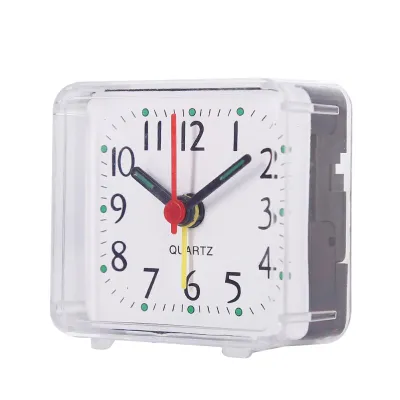
If you prefer an analogue display, avoid cheap quartz models that produce a distinct, rhythmic ticking sound. Instead, specify a clock that features a “silent sweep” second hand. These movements glide smoothly around the dial without any mechanical clicking, ensuring your bedroom remains perfectly quiet. Examine the physical chassis of the clock to ensure there are no constantly glowing status lights, charging indicators, or illuminated brand logos that cannot be disabled. A truly minimalist, dark-adapted clock is the best defense against midnight wakefulness.
Best for Heavy Sleepers: High-Volume and Vibrating Clocks
Heavy sleepers often sleep through standard alarms or subconsciously turn them off without fully waking up. This sleeper type requires a multi-sensory approach to wakefulness. Look for specialized “sonic” or high-volume alarm clocks. These devices are designed to emit high-decibel alerts, often exceeding 80 decibels, and many allow you to adjust the pitch or frequency of the tone to prevent your brain from getting used to a single sound.
A highly effective feature for deep sleepers is a physical bed shaker. This is a small, wired or wireless vibrating puck that you slip underneath your mattress or pillow. When the alarm triggers, the puck vibrates vigorously, physically shaking you awake without relying solely on loud audio. Ensure the clock has a robust, durable construction with a large snooze button that can withstand repeated, forceful taps. The controls to turn the alarm completely off should be located on the back or require a complex key combination to ensure you are fully conscious when deactivating it.
Best for Anxious Sleepers: Sunrise and White Noise Clocks
Anxious sleepers often struggle to fall asleep due to racing thoughts, and they may experience morning grogginess or anxiety when awakened by loud, sudden noises. For this group, a sunrise simulation clock is an excellent choice. These devices mimic a natural dawn by gradually increasing the intensity of a warm, yellow light over a period of 20 to 40 minutes before your scheduled wake-up time. This gradual light exposure signals your body to reduce melatonin production and increase cortisol, leading to a much gentler transition to wakefulness.
At night, these clocks can play the opposite role by offering sunset simulations. The light slowly fades from a warm orange to a deep, non-disruptive red, while playing soothing sounds like gentle rain, ocean waves, or white noise to mask distracting ambient sounds. When selecting a sunrise clock, ensure the light source uses high-quality LEDs that do not flicker at low brightness levels. The interface should allow you to customize the duration of the sunrise and choose from a variety of natural soundscapes instead of standard electronic beeps.
Best for Minimalists: Hidden Display and Wood-Finish Clocks
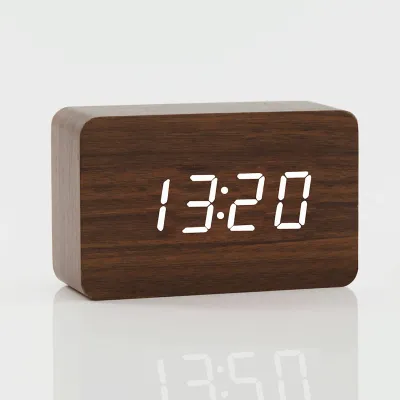
For those who view the bedroom as a sanctuary of design and relaxation, standard plastic digital clocks can feel cold and industrial. Minimalists prefer devices that blend seamlessly into their decor when not actively in use. “Hidden display” clocks are perfect for this aesthetic. These units typically feature a real wood veneer or a textured fabric exterior. When the display is inactive, the clock looks like a simple decorative block; when you tap the top or clap your hands, the LED digits shine through the wood or fabric surface for a few seconds before fading away.
When shopping for a wood-finish or fabric-covered clock, always check the sensitivity settings of the sound or touch activation. If the sensor is too sensitive, ambient noises like a passing car or a partner shifting in bed can trigger the display, defeating the purpose of a dark bedroom. Ensure the controls are intuitive. Minimalist clocks often hide their buttons on the bottom or back to maintain a clean look, which can make adjusting the alarm time slightly more cumbersome. Verify that the daily process of setting and turning off the alarm remains straightforward.
Quick Comparison: Matching Clock Features to Your Sleep Style
| Sleeper Type | Primary Need | Key Features to Look For | Features to Avoid |
|---|---|---|---|
| Light Sleepers | Total darkness & silence | Auto-dimming, display-off mode, silent sweep analogue hands | Blue/green LEDs, ticking gears, unshielded status lights |
| Heavy Sleepers | Multi-sensory arousal | High decibel output, vibrating bed shaker, large physical snooze button | Low-volume alarms, soft touch controls, silent-only alerts |
| Anxious Sleepers | Gentle transitions | Sunrise/sunset simulation, warm red nightlight, integrated white noise | Sudden loud beeps, cold blue backlights, complex menu navigation |
| Minimalists | Aesthetic integration | Hidden LED display, wood/fabric finishes, touch or sound activation | Industrial plastic casings, constantly illuminated screens, messy power cords |
Placement and Electrical Safety in the Bedroom
The physical placement of your night clock affects both its functional utility and your personal safety. To prevent the habit of mindlessly hitting the snooze button, consider placing the clock on a dresser or shelf that is at eye level but just out of arm’s reach from your bed. This forces you to physically stand up and step out of bed to turn off the alarm, helping you wake up more effectively.
When positioning your clock, pay close attention to cable management. Bedside tables are often crowded with chargers, lamps, and water glasses. Ensure that power cables are neatly routed and secured behind your furniture to prevent tripping hazards in the dark or accidentally pulling the clock off the table.
Keep the clock away from direct sunlight, as intense daytime light can degrade LCD screens over time and confuse the ambient light sensors responsible for auto-dimming. Additionally, position the clock away from moisture sources such as ultrasonic humidifiers or aroma diffusers. Excess humidity can penetrate the casing, causing internal corrosion or short circuits.
For plug-in models, electrical safety is paramount. Always verify that the power adapter carries the Enterprise Singapore Safety Mark, which ensures the device has been tested and certified safe for the local 230V, 50Hz electrical grid. Avoid using unbranded, cheap replacement adapters from online marketplaces that lack this certification, as they can overheat and pose a significant fire hazard in your sleeping area. If you notice any damage to the power cord or adapter, discontinue use immediately and consult the manufacturer or a qualified professional.
Frequently Asked Questions (FAQ)
Is a red light display better for sleep than a green or blue one?
Yes, red or amber light is significantly better for preserving sleep quality. Light in the red spectrum has a longer wavelength and does not suppress the production of melatonin, the hormone responsible for regulating your sleep-wake cycle. In contrast, blue and green light wavelengths mimic daylight, signaling your brain to stay alert and making it harder to fall back asleep. When selecting a night clock, prioritize models that feature red LEDs or allow you to toggle the display color to a warm, low-intensity hue for nighttime viewing.
Do I need a dedicated night clock if I already use my phone for alarms?
While a smartphone is a convenient alarm tool, a dedicated night clock offers distinct advantages for sleep hygiene. Keeping your phone on your bedside table increases the temptation to scroll through social media or check emails right before sleep, exposing your eyes to blue light and keeping your brain stimulated. A dedicated clock allows you to charge your phone across the room or in another area entirely. Furthermore, basic digital and analogue clocks do not rely on internet connections or software updates, ensuring your alarm remains highly reliable even during Wi-Fi outages.
Community discussion
Share your experience or ask a question. Comments are reviewed before publication.