
Lighting is the invisible architecture of a home. It has the power to completely alter the perception of space, shifting a room from a cold, sterile environment to a sanctuary of warmth and comfort. In the living room—a space dedicated to relaxation, conversation, and winding down—the choice of lighting is particularly critical. Traditional overhead lighting often floods the room with a uniform, harsh glare that discourages relaxation. To counter this, interior designers frequently turn to the principles of Nordic lighting design, which prioritizes localized, soft, and glare-free illumination. A well-chosen Nordic floor lamp serves as both a striking sculptural element by day and a source of soothing, atmospheric light by night.
Selecting the ideal floor lamp requires a balance of aesthetic appreciation and technical scrutiny. The market is filled with various designs, materials, and brands, making it essential to understand what makes a lamp truly capable of producing that coveted cozy glow. By focusing on the core design philosophies of Scandinavia, evaluating key technical specifications, verifying brand authenticity, and ensuring proper electrical compatibility, you can select a lighting piece that elevates your living space for years to come. This guide provides a comprehensive framework to help you navigate these choices, ensuring your investment brings both functional light and enduring warmth to your home.
Understanding the Nordic Approach to Warm Ambiance
To understand why Nordic floor lamps are so effective at creating a cozy atmosphere, one must first understand the environmental conditions that shaped them. In Northern Europe, where winter brings long periods of darkness, indoor lighting is not merely a practical necessity; it is a vital component of emotional well-being. This cultural context gave rise to the concept of hygge—a Danish term representing a feeling of coziness, contentment, and warmth. In lighting design, hygge translates to creating small, inviting pockets of light that draw people together, rather than illuminating an entire room with a single, bright overhead source.
Products mentioned in this guide
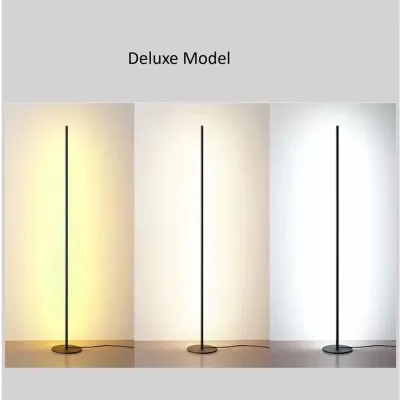
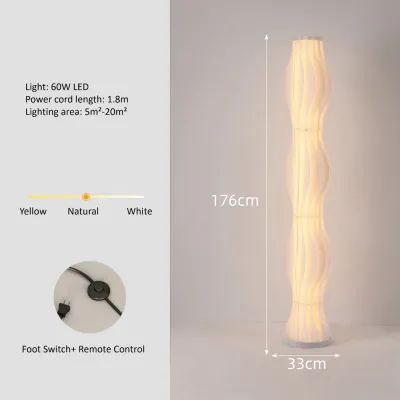
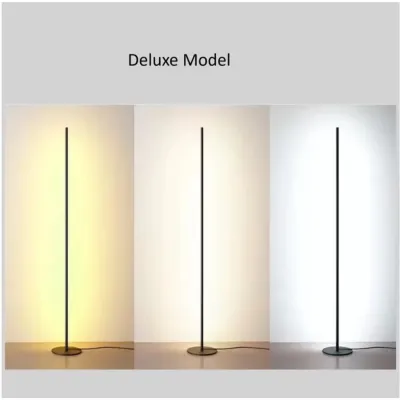
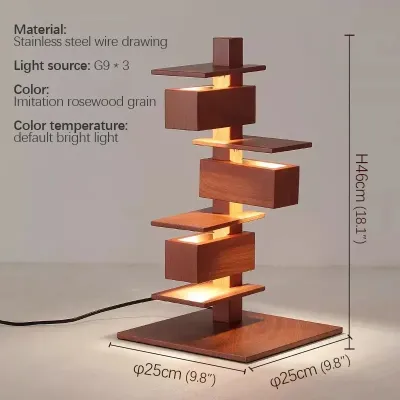
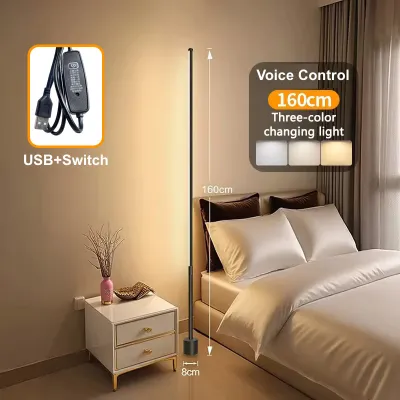
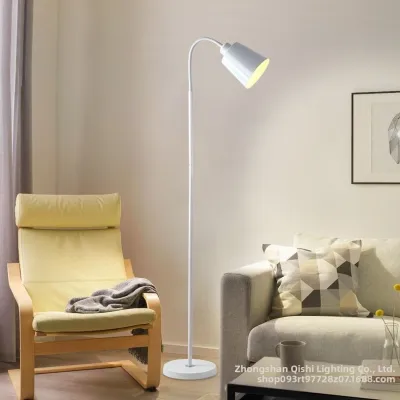
Prices are valid at publication and may change. Please refer to the product page for the latest price.
Nordic design achieves this warmth by balancing minimalist, clean silhouettes with organic, tactile materials. Instead of cold, industrial metals and stark plastics, authentic Scandinavian designs frequently incorporate natural elements such as light-toned woods like ash, oak, and birch, alongside textured paper, mouth-blown frosted glass, and matte-finished metals. These materials soften the overall aesthetic of the lamp, allowing it to blend seamlessly into a living room even when turned off. The presence of natural wood or textured fabric adds a layer of organic warmth that complements modern interior styles.
The primary functional goal of a Nordic floor lamp is the elimination of harsh glare. Direct exposure to a bare light bulb triggers a physiological stress response, making it difficult to relax. Scandinavian designers solve this by utilizing clever diffusion techniques. Shades are engineered to redirect light, scattering it softly across walls and ceilings or filtering it through translucent materials. This diffused light eliminates sharp shadows and creates a gentle, ambient glow that mimics the soft light of a setting sun. By layering these soft light sources throughout a living room, you can create a multi-dimensional environment that feels instantly welcoming and calm.
Key Specifications for a Cozy Living Room Glow
Achieving the perfect living room ambiance requires looking beyond the external design of a lamp and evaluating its technical specifications. The most critical factor in determining the mood of a room is the color temperature of the light source, measured in Kelvins (K). For a warm, cozy atmosphere, look for light sources within the 2200K to 2700K range. A temperature of 2200K provides an ultra-warm, candle-like glow that is perfect for late-evening relaxation, while 2700K offers a soft, warm white that balances coziness with sufficient clarity for reading. Avoid bulbs rated at 3000K or higher in relaxation zones, as these cooler temperatures can feel clinical and disruptive to your natural sleep cycle.

Lumen output, which measures the total amount of visible light emitted by a source, must also be carefully matched to the lamp’s intended purpose. For ambient lighting, a floor lamp generally requires between 400 and 800 lumens, which is roughly equivalent to a traditional 40-watt to 60-watt incandescent bulb. To maximize versatility, prioritize lamps that feature integrated dimming capabilities or those compatible with dimmable LED bulbs. A dimming function allows you to adjust the light levels dynamically, transitioning from a brighter setting for reading or socializing to a low, whisper-soft glow for watching movies or winding down before bed.
The material of the lampshade plays a decisive role in how light is distributed throughout the space. Different materials yield vastly different lighting effects:
- Frosted Glass: This material scatters light evenly in all directions, transforming the lamp into a glowing orb. It provides excellent general ambient light while completely concealing the bulb to prevent glare.
- Paper and Fabric: Translucent paper or woven fabric shades absorb a portion of the light, transmitting a highly textured, warm, and organic glow. The natural imperfections in these materials add depth and character to the light.
- Opaque Metal: Metal shades block light from escaping sideways, directing it strictly upward or downward. An upward-facing metal shade bounces light off the ceiling to create soft, indirect ambient illumination, while a downward-facing shade creates a focused pool of light ideal for reading.
Evaluating Nordic Lighting Brands and Authenticity
When searching for a high-quality Nordic floor lamp, navigating the market requires a discerning eye. The popularity of Scandinavian design has led to an influx of mass-produced replicas and low-quality imitations. To ensure you are investing in a piece that offers genuine design heritage and superior build quality, it is important to evaluate the brand’s background and manufacturing standards. Authentic Nordic brands typically collaborate with established or emerging designers, and they openly share the history and inspiration behind each piece. Researching the designer’s portfolio and the brand’s production history can provide valuable assurance of the lamp’s design pedigree.
Material quality and structural construction are key indicators of a lamp’s authenticity and longevity. A premium floor lamp should feel stable and robust. Examine the base of the lamp; authentic designs use heavy materials such as solid marble, cast iron, or thick steel to ensure the lamp remains securely upright and resistant to tipping. Inspect the joints, adjustment mechanisms, and cable entry points. High-quality lamps feature seamless welds, durable metal hardware, and fabric-covered cords that exit the frame cleanly, whereas low-cost replicas often rely on flimsy plastic connectors, visible seams, and cheap plastic wiring that degrades over time.
Distinguishing original designs from unverified replicas is crucial for both safety and aesthetic satisfaction. While replicas may look similar in online photographs, they often compromise on the precise geometry and material thickness required to diffuse light correctly. This can result in uneven hot spots, visible bulb silhouettes, and harsh glare. To avoid these issues, purchase directly from authorized local distributors, reputable design showrooms, or official brand websites. These retailers can provide documentation of authenticity and ensure that the product meets strict quality control standards.
Finally, consider the long-term support offered by the manufacturer. Genuine design brands stand behind their products by offering multi-year warranties and maintaining an inventory of replacement parts. Because delicate components like paper shades, mouth-blown glass globes, or custom power cables can occasionally be damaged, knowing that you can purchase authentic replacement parts directly from the manufacturer ensures your lighting investment remains functional and beautiful for decades, rather than becoming obsolete due to a single broken component.
Strategic Placement for Maximum Living Room Warmth
The impact of a beautiful floor lamp depends heavily on where it is positioned within your living room. To maximize the feeling of warmth, avoid placing the lamp in isolation where it must work too hard to illuminate a large area. Instead, consider how the lamp interacts with the surrounding furniture and architectural features. Placing a floor lamp in an underutilized corner is a highly effective strategy; the light bounces off the adjacent walls, softening the corners of the room and making the entire space feel larger and more inviting.
If your goal is to create a dedicated zone for relaxation, position the floor lamp next to an armchair or at the end of a sofa. This creates a cozy reading nook, defining a distinct functional area within a larger open-plan living space. When positioning the lamp near seating, pay close attention to the height of the shade. The bottom of the shade should ideally sit at eye level when you are seated—typically between 95 and 105 centimeters from the floor. This positioning ensures that the shade shields your eyes from the direct glare of the bulb while directing ample light downward onto your book or lap.
To avoid a flat, uninspiring atmosphere, integrate your floor lamp into a layered lighting scheme. A well-lit living room should feature three distinct layers of light: ambient (general illumination), task (focused light for specific activities), and accent (highlighting art or architectural details). Your Nordic floor lamp can serve as a bridge between ambient and task lighting. Pair it with low-level table lamps on sideboards, subtle wall sconces, or dimmable architectural lighting. By spreading multiple low-wattage light sources at different heights throughout the room, you eliminate dark pockets and create a rich, warm, and visually engaging environment.
Electrical Safety and Compatibility Checks
Before finalizing your purchase, it is essential to verify that the floor lamp is fully compatible with your local electrical infrastructure and meets necessary safety standards. In Singapore, the standard domestic electricity supply operates at a voltage of 230V with a frequency of 50Hz. If you are purchasing a lamp imported from another region, always check the manufacturer’s specifications to ensure the internal wiring and components are rated for this voltage. Using a lamp designed exclusively for lower voltage systems without a proper transformer can damage the fixture and pose a serious electrical hazard.
Look for recognized safety certifications to ensure the lamp has undergone rigorous testing. In Singapore, electrical appliances must comply with local safety regulations, often indicated by the Enterprise Singapore Safety Mark. For imported designer lighting, look for equivalent international certifications such as the CE mark for European compliance or the UL listing for North American standards. These certifications verify that the lamp’s electrical insulation, switch mechanisms, and internal wiring are constructed to prevent short circuits, shocks, and fire hazards.
The physical connection to your wall outlet also requires careful inspection. Singapore utilizes the Type G three-pin plug. If your imported Nordic lamp arrives with a European Type C or F plug, do not attempt to force it into the outlet or rely on cheap, ungrounded travel adapters. Instead, have a qualified professional replace the plug with a compliant, fused Type G plug, or use a high-quality, fused adapter designed for continuous appliance use. Additionally, inspect the power cord’s length and routing. Ensure the cord lies flat along the floor and is routed away from high-traffic walkways to prevent tripping hazards and physical wear on the cable insulation.
Finally, ensure proper bulb compatibility by checking the lamp’s socket type and maximum wattage limits. Most Nordic floor lamps utilize standard screw bases, such as E27 or the smaller E14. Always adhere strictly to the maximum wattage rating printed on the socket label (for example, Max 15W LED or Max 60W Halogen). Exceeding this limit can cause heat to build up within the shade, potentially damaging delicate materials like paper or fabric, degrading the socket wiring, or even starting a fire. Opting for high-quality LED bulbs is highly recommended, as they emit very little heat, consume minimal energy, and are available in a wide range of warm color temperatures.
Frequently Asked Questions (FAQ)
Can I use smart bulbs in Nordic floor lamps to adjust the ambiance?
Yes, you can use smart bulbs in most Nordic floor lamps, but there are several practical considerations to keep in mind. First, verify the physical dimensions of the smart bulb. Some smart bulbs are larger or longer than standard LED bulbs, which may cause them to touch or protrude from delicate, compact shades, disrupting the lamp’s clean aesthetic and potentially creating hot spots on the shade material.
Second, pay close attention to the lamp’s switch mechanism. If your floor lamp features an integrated physical dimmer switch on the cord or pole, installing a standard smart bulb can cause severe flickering, buzzing, or permanent damage to the bulb’s internal electronics. Smart bulbs require a constant, uninterrupted power supply and should only be installed in lamps with simple on/off switches. To dim a smart bulb safely, keep the physical switch turned on and use the dedicated smart home app, a compatible wireless remote, or voice commands to adjust the brightness.
Finally, consider the visual appearance of the bulb itself. If your Nordic lamp features an open shade or transparent glass where the bulb is partially visible, choose a smart bulb with an attractive design, such as a vintage-style filament LED or a high-quality frosted finish, to ensure it complements the minimalist design of the fixture.
How do I clean and maintain delicate Nordic lamp shades?
Maintaining the pristine appearance of your Nordic floor lamp requires gentle, material-specific cleaning techniques to avoid damaging delicate components. Before performing any maintenance, always turn off the lamp, unplug it from the wall outlet, and allow the bulb to cool down completely to prevent electrical shocks or burns.
For delicate shades made of paper, fabric, or woven natural fibers, avoid using water or liquid cleaners, which can cause warping, staining, or structural weakening. Instead, use a dry, soft microfiber cloth, a clean feather duster, or a gentle blast of compressed air to remove accumulated dust. If you are using a vacuum cleaner, use the soft brush attachment on its lowest suction setting, holding it slightly away from the surface to prevent tearing or stretching the material.
For shades constructed from frosted glass, acrylic, or matte-finished metal, you can use a slightly damp, lint-free microfiber cloth to wipe away dust and fingerprints. If a deeper clean is necessary, apply a tiny amount of mild, diluted dish soap to the cloth first—never spray water or cleaning solutions directly onto the lamp itself. Avoid using abrasive pads, harsh chemical solvents, or alcohol-based cleaners, as these can strip away protective matte coatings, scratch acrylic surfaces, or leave unsightly streaks on frosted glass. Always consult the manufacturer’s specific care instructions before applying any cleaning method to preserve the integrity of your lighting piece.
Community discussion
Share your experience or ask a question. Comments are reviewed before publication.