
The Short Answer: Octo Pot or Single Planter?
Choosing between an octo pot and a traditional single planter depends entirely on your available space, your design aesthetic, and the root systems of your plant collection. An octo pot is the ideal choice if you want to maximize limited flat surfaces—such as a compact study desk, a narrow window ledge, or a small shelf—while showcasing a structured, geometric collection of small, shallow-rooted plants like succulents or cacti.
Conversely, traditional single planters are the superior option if you are growing larger, deep-rooted foliage that requires room to expand, or if your plants have highly specific, individual watering needs. Single pots also offer the ultimate layout flexibility, allowing you to scatter your plants across different rooms or elevate them using stands to create a layered, organic look. Rather than a one-size-fits-all solution, the right choice is about matching the vessel to your home’s physical environment and your plants’ biological demands.
Design Differences: Multi-Compartment vs. Single Vessel
To understand which option fits your home, it is essential to look at how these vessels are physically constructed. An octo pot features a unique, multi-compartment design consisting of eight distinct planting cells joined into a single, cohesive geometric structure. This layout creates a highly organized, modular appearance, balancing multiple plants within a single unified footprint. The shared exterior walls and unified base give the octo pot an architectural quality, turning a collection of small plants into a singular, eye-catching design object.
Products mentioned in this guide
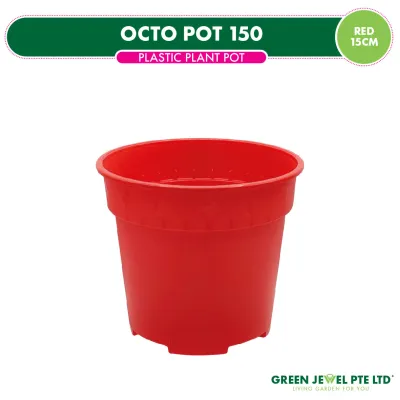
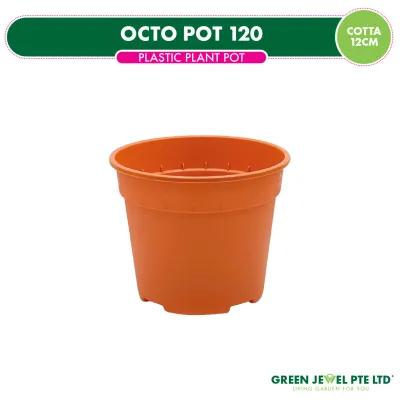
Prices are valid at publication and may change. Please refer to the product page for the latest price.

In contrast, traditional single planters utilize a classic, single-cavity design. This open structure provides a single, uninterrupted volume of soil for one plant’s root system to occupy. Traditional planters are available in an almost infinite variety of shapes, including cylinders, cubes, bowls, and tapered urns. This structural simplicity has made them the standard choice for indoor gardening for centuries, offering a straightforward environment for root development.
Material selection plays a critical role in how both styles perform, affecting everything from moisture retention to physical weight. Both octo pots and single planters are commonly manufactured from materials such as glazed or unglazed ceramic, lightweight resin, durable plastic, and cast concrete. Because material properties vary widely, you should always check the manufacturer’s product label to verify the weight, porosity, and durability of the specific item.
For example, unglazed terracotta and concrete are highly porous, allowing moisture to evaporate through the walls of the pot, which helps prevent overwatering. On the other hand, plastic, resin, and glazed ceramic are non-porous, trapping moisture inside the soil for longer periods. Selecting the right material is essential to match your plants’ moisture preferences, regardless of whether you choose a multi-compartment or single-vessel design.
Space Optimization and Layout Flexibility
When managing indoor spaces—particularly in compact urban apartments or HDB flats in Singapore—the footprint of your greenery is a major consideration. Octo pots excel at footprint efficiency by consolidating eight individual plants into one neat, centralized display. Instead of arranging eight separate small pots, which can easily look cluttered and tip over on narrow surfaces, an octo pot keeps your collection perfectly aligned within a single geometric boundary. This makes them exceptionally well-suited for tight horizontal spaces, such as study desks, kitchen countertops, or slim window ledges.
This consolidation also simplifies spatial planning. An octo pot allows you to introduce a dense variety of plant textures and colors without overwhelming your living area. It creates a neat, low-profile focal point that fits comfortably under low-hanging shelves or computer monitors, making it a favorite for home offices where desktop real estate is at a premium.
Traditional single planters, by comparison, offer unmatched layout flexibility. Because each pot is an independent unit, you are not restricted to a single location or a fixed arrangement. You can scatter individual pots throughout a room to draw the eye to different design features, place them on floating shelves, or group them at varying heights using dedicated plant stands. This flexibility allows you to create a sense of depth and movement that a single, consolidated vessel cannot replicate.
Furthermore, single planters are the only viable option for large, floor-standing specimens that serve as architectural anchors in a room. A large monstera, fiddle-leaf fig, or snake plant requires a substantial, single-vessel footprint to balance its height and weight. These large pots can fill empty corners, frame doorways, or soften the transition between indoor and outdoor living spaces on a spacious balcony.
To decide which style is right for your layout, measure your available surface area and evaluate your spatial goals. If you have a specific, narrow surface that needs a clean, organized, and space-saving display, a consolidated octo pot is highly effective. If you prefer to distribute greenery across different elevations, move plants around to follow the seasonal sunlight, or make a bold statement with large foliage, traditional single planters will better serve your design.
Plant Health, Root Space, and Drainage
The biological needs of your plants should always guide your choice of container. Traditional single planters offer an unrestricted environment for root development. Because the roots have access to the entire volume of the pot, they can grow deep and wide, which is essential for supporting large, fast-growing tropical plants. This open root space allows for healthy nutrient uptake and stable structural support, making single pots suitable for almost any plant species, from delicate ferns to vigorous vines.
In contrast, the individual compartments of an octo pot place physical limits on root expansion. Because each cell is relatively small and isolated, these planters are not suitable for plants with aggressive, deep, or fast-growing root systems. Instead, octo pots are best reserved for slow-growing, shallow-rooted species that thrive in confined spaces. Small succulents, miniature cacti, air plants, and slow-growing herbs are excellent candidates, as their roots do not require deep soil profiles to remain healthy.
Drainage is another critical factor that directly impacts plant health, particularly when dealing with multi-compartment designs. When shopping for an octo pot, you must carefully verify its drainage configuration. Some models feature independent drainage holes for each of the eight compartments, while others utilize a shared, interconnected base or, in some cases, no drainage holes at all.
In high-humidity environments like Singapore, proper drainage and adequate airflow are vital for preventing fungal pathogens. If an octo pot has a shared drainage base, excess water from one compartment can easily seep into adjacent cells. This interconnected moisture increases the risk of cross-contamination; if a single plant develops root rot or a soil-borne disease, the pathogen can quickly spread to all eight plants.
To safeguard your plants, always check the manufacturer’s specifications to ensure that each compartment drains independently. If you choose an octo pot, look for models with individual drainage holes and a removable drip tray. For traditional single planters, ensuring a proper drainage hole at the bottom remains the standard defense against waterlogging, allowing you to tailor the soil mix and watering frequency to each plant’s exact needs.
Watering, Maintenance, and Repotting
The day-to-day care routines for these two planter styles require different levels of precision and effort. Watering an octo pot can be a delicate task. Because the individual compartments are small and closely packed, using a standard, wide-mouthed watering can often results in soil washing over the dividers or accidental water spills on your furniture. To water an octo pot successfully, you will need to use precision tools, such as a narrow-spouted watering can or a plastic squeeze bottle, to deliver water directly to the soil surface of each cell.
Traditional single planters are much more forgiving when it comes to routine watering. Their larger surface areas easily accommodate standard watering cans without spilling. Additionally, single pots are highly compatible with bottom-watering methods, where you place the pot in a shallow tray of water and allow the soil to draw moisture upward. This technique promotes deep, healthy root growth and keeps the top layer of soil dry, which can help deter common pests like fungus gnats.
Repotting is another area where the differences between these designs become highly apparent. In a traditional single planter, repotting is a straightforward, isolated task. When a plant outgrows its pot, you simply slide it out, loosen the root ball, and place it into a slightly larger vessel. This process has no impact on any other plants in your home.
With an octo pot, repotting is significantly more complex. If one of the eight plants outgrows its compartment, becomes unhealthy, or dies, extracting it without disturbing the neighboring plants is a delicate operation. The roots of adjacent plants may have grown close to the divider walls, and pulling one plant out can cause soil shifting or root damage in the neighboring cells. This means you must exercise extreme care, often using small hand tools to carefully scoop out the target plant while holding the surrounding soil in place.
General maintenance and cleaning also differ. The intricate geometric shapes, corners, and dividers of an octo pot are prone to collecting dust, soil splashes, and mineral crusts from evaporated water. Cleaning these tight crevices requires detailed work, often involving a soft brush or a damp cloth to reach every corner. Traditional single planters, with their smooth, continuous outer surfaces, are much easier to wipe down and keep looking clean with a simple, quick wipe.
Visual Impact and Interior Styling
Beyond their practical and biological differences, your choice of planter has a major impact on the visual style and atmosphere of your room. An octo pot acts as a structured, modern statement piece. Its clean, geometric lines and repetitive modular pattern bring a sense of order and architectural interest to any space. By grouping eight plants into a single cohesive unit, the octo pot functions like a curated display tray, making a collection of diverse succulents look highly intentional and organized rather than cluttered.
This structured look is an excellent fit for minimalist, contemporary, or industrial interior designs. If your home features clean lines, neutral color palettes, and organized surfaces, an octo pot will complement these elements beautifully. It provides a striking focal point on a dining table, coffee table, or entryway console, offering a touch of natural greenery without disrupting the clean, uncluttered feel of the room.
Traditional single planters, on the other hand, are the ultimate tools for creating an eclectic, organic, or layered aesthetic. Because you can mix and match different pot materials, colors, textures, and heights, you can build a highly personalized and dynamic plant display. Pairing a rustic terracotta pot with a sleek glazed ceramic cylinder and a textured concrete bowl creates a rich, visually engaging narrative that feels relaxed and lived-in.
This approach is perfect for bohemian, rustic, or Japandi design styles, where natural asymmetry and varied textures are celebrated. You can use plant stands of different heights to create a cascading ‘urban jungle’ effect in a corner, or line up a series of mismatched pots along a shelf to add warmth and character to your living space. Single pots allow you to constantly experiment with new combinations, colors, and arrangements as your collection grows.
When choosing between these styles, consider the existing design theme of your home. If you prefer a highly organized, symmetrical, and modern look with minimal visual noise, the geometric structure of an octo pot is an excellent choice. If you enjoy a more relaxed, varied, and layered aesthetic that allows you to showcase different pot styles and plant heights, traditional single planters will give you the creative freedom you desire.
Final Decision Framework
To help you make the final decision for your home and plant collection, use this practical decision framework to guide your choice.
Choose the Octo Pot if:
- You have limited flat surface area: You want to display multiple plants on a narrow window sill, a small desk, or a compact shelf without creating visual clutter.
- You grow small, shallow-rooted species: Your collection consists primarily of slow-growing succulents, miniature cacti, or small herbs that do not require deep soil.
- You prefer a structured, modern aesthetic: You want a clean, geometric statement piece that keeps your plants looking highly organized and cohesive.
Choose Traditional Single Planters if:
- You grow large or deep-rooted plants: Your collection includes fast-growing tropicals, leafy foliage, or plants that need room to establish deep root systems.
- You require strict moisture control: Your plants have varied watering schedules, making independent soil environments and individual drainage essential.
- You want layout and styling flexibility: You enjoy rearranging your space, mixing different pot styles, and displaying plants at varying heights.
Verify first if:
- You are placing your planters in a humid or outdoor environment: Always check the manufacturer's product specifications to ensure the material is UV-resistant to prevent cracking, and confirm that each compartment (especially in an octo pot) has its own functional drainage hole to prevent waterlogging during heavy rain.
Frequently Asked Questions (FAQ)
Can I use an octo pot for outdoor balcony gardening?
Yes, you can use an octo pot on an outdoor balcony, but you must select one with the correct specifications. First, check the manufacturer’s product label to ensure the material is UV-resistant and weather-tolerant, as intense sunlight can cause certain plastics and resins to fade or become brittle. Second, and most importantly, verify that each of the eight compartments has its own dedicated drainage hole. In climates with heavy tropical downpours, like Singapore, an outdoor octo pot without excellent individual drainage will quickly waterlog, leading to root rot and plant loss.
How do I prevent soil from spilling between octo pot compartments?
Preventing soil from spilling over the dividers of an octo pot is easy with the right potting technique. When filling each compartment, avoid filling the soil all the way to the top rim; instead, leave a gap of about one to two centimeters below the divider walls. Once your plants are in place, apply a thin layer of top dressing over the soil in each cell. Using decorative pebbles, coarse river sand, or preserved moss will help lock the soil in place, prevent it from splashing over the walls when you water, and create a clean, professional-looking boundary between each section.
Community discussion
Share your experience or ask a question. Comments are reviewed before publication.