
Deciding between an officially licensed Disney Elsa lantern and a generic alternative comes down to a choice between precise character authenticity and a budget-friendly, winter-themed aesthetic. While official merchandise guarantees the exact likeness of the beloved Snow Queen, generic options offer a cost-effective way to capture the magical, icy atmosphere of a fairy-tale kingdom. By evaluating your specific decorative goals, safety requirements, and budget, you can determine whether paying the premium for an official Elsa lantern is a worthwhile investment or if a generic winter-themed light will serve your space just as beautifully.
The Core Differences: Licensed vs. Generic Elsa Lanterns
Officially licensed Disney merchandise is produced under strict guidelines to ensure that every product matches the exact intellectual property of the franchise. For an Elsa lantern, this means the design will feature the precise character likeness, the officially approved color palette of ice blues and purples, and the trademarked “Disney Frozen” branding. These products undergo a rigorous approval process, ensuring that the character’s facial features, hair, and clothing patterns are instantly recognizable and true to the animated films.
In contrast, generic alternatives operate without these licensing agreements, meaning they cannot legally use trademarked names, logos, or exact character designs. Instead, manufacturers of generic lanterns focus on capturing a broader, unlicensed aesthetic. You will typically find these marketed under terms like “ice princess,” “snow queen,” or “winter fairy” lanterns. Rather than featuring Elsa’s exact face, they rely on generalized silhouettes of a princess in a flowing gown, accompanied by universal winter motifs such as snowflakes, ice crystals, and frosty castles.
Products mentioned in this guide
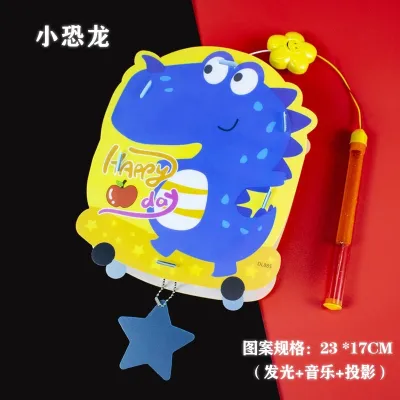
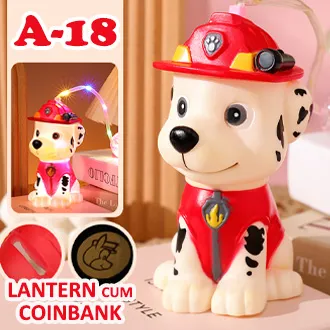
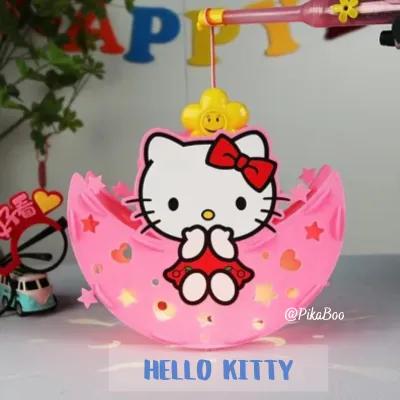
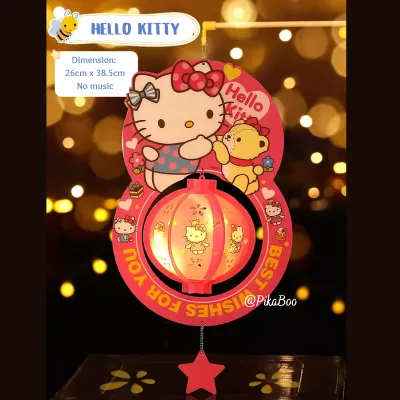
Prices are valid at publication and may change. Please refer to the product page for the latest price.
The primary trade-off between these two categories lies in the balance of authenticity and cost. When you purchase an official Elsa lantern, a portion of the price directly covers the licensing fees paid to the entertainment studio, alongside the specialized molds required to replicate the character accurately. With generic alternatives, you bypass these licensing costs entirely, allowing manufacturers to offer similar visual themes at a significantly lower price point. The decision rests on whether your priority is the emotional connection to the specific character or simply the overall magical, winter-themed ambiance.
Key Comparison Dimensions to Check Before Buying
To make an informed purchase, you must look beyond the surface appeal of the product images. Evaluating specific technical features, material specifications, and safety indicators on the product packaging or online listing will help you choose a lantern that is both visually satisfying and safe for your home.

Design Accuracy and Projection Quality
When assessing design accuracy, the differences between licensed and generic options are most apparent in the fine details. Official Elsa lanterns are designed to replicate the character’s signature look, from the intricate patterns on her ice gown to the specific styling of her braided hair. If the lantern features a projection element, the projected image will typically display high-definition, movie-accurate scenes or character poses with crisp outlines and balanced color saturation.
Generic lanterns, on the other hand, rely on simplified shapes and broader design strokes. A generic projection light might cast a beautiful array of rotating snowflakes or a stylized princess silhouette onto the ceiling, but it will lack the specific facial details and unique dress patterns of the Disney character. While the color scheme of ice-blue, cool white, and soft purple is often identical to the official palette, the overall visual effect is atmospheric rather than character-specific.
To ensure you are satisfied with the visual output, always check user-submitted photos in online reviews or request a product specification sheet from the seller. Pay close attention to projection clarity and light spread, especially if you plan to use the lantern in a larger bedroom. Some low-cost generic projection lights may suffer from blurred edges or distorted colors when placed more than a meter away from the wall, whereas licensed models are often calibrated to maintain image integrity at standard room distances.
Build Quality, Safety Labels, and Materials
A common misconception is that an official Disney licensing sticker automatically guarantees superior physical durability and electrical safety. In reality, both licensed and generic lanterns can vary widely in build quality depending on the specific manufacturer. It is essential to independently verify the materials used, such as high-grade acrylic, impact-resistant PVC, or tempered glass, to ensure the lantern can withstand daily use in a child’s bedroom or a high-traffic living space.
For neon-style flex tubes and projection housings, heat resistance is a critical safety factor. Look for products made from flame-retardant plastics and those utilizing low-voltage LED technology, which generates significantly less heat than traditional incandescent bulbs. Before finalizing your purchase, check the product listing or packaging for recognized local and international safety certifications. In Singapore, electrical appliances should ideally carry safety marks that indicate they have been tested to meet local electrical standards.
When examining generic alternatives, be particularly cautious of unbranded electrical components. Ensure that the power adapter, wiring, and switch mechanism feel sturdy and are clearly labeled with voltage ratings and safety certifications. A licensed lantern may offer a more standardized level of quality control, but verifying these physical safety indicators yourself is the only way to guarantee peace of mind, regardless of the brand name on the box.
Price Premium and Long-Term Value
The price difference between an official Elsa lantern and a generic alternative can be substantial. For instance, a licensed model in Singapore might be priced around S$40 to S$60, while a generic alternative with a similar winter theme might cost only S$15 to S$25. This price premium does not always translate to a longer physical lifespan; instead, it reflects the cost of intellectual property, official design molds, and the brand’s marketing expenses. To determine if this extra cost is justified, consider how the lantern will be used over time.
If you are purchasing the lantern as a temporary decoration or party favor for a single birthday celebration, a budget-friendly generic option is often the most sensible choice. A generic “ice princess” light can create a stunning backdrop for photos and delight young guests without requiring a significant financial investment. However, if the lantern is intended as a permanent fixture in a child’s bedroom, investing in a licensed product with a reliable warranty and robust after-sales support may offer better long-term value.
Official brand stores and authorized retailers typically provide clear return policies, customer service channels, and product warranties that protect your purchase against manufacturing defects. Generic products purchased from third-party sellers on online marketplaces may offer limited or non-existent after-sales support. If a component fails after a few weeks of use, resolving the issue with a generic seller can be challenging, making the initial savings less advantageous in the long run.
Decision Framework: Which Elsa Lantern Fits Your Needs?
To help you navigate these choices, you can apply a simple decision framework based on your specific decorative goals, budget constraints, and safety requirements.
You should choose the officially licensed Elsa lantern if:
- The recipient is a dedicated fan of the franchise who will immediately notice and be disappointed by minor inaccuracies in the character's face, hair, or clothing.
- The lantern is intended as a special, high-quality gift where official branding and premium packaging contribute to the overall presentation.
- You prefer the peace of mind that comes with buying from an established brand that offers standardized safety testing, reliable customer service, and a clear product warranty.
You should choose a generic alternative if:
- You are working within a strict budget and want to maximize your spending across other party decorations or bedroom accessories.
- The primary goal is to establish a general winter, magical, or fairy-tale theme in a room, where snowflake patterns and soft blue lighting are more important than a specific character's presence.
- The lantern is for a short-term event, a temporary photo booth, or a seasonal holiday display where long-term durability is not a primary concern.
Regardless of your choice, you must verify the product and avoid purchasing if:
- The lantern or its power adapter lacks clear electrical safety certifications or local safety marks.
- The product listing has numerous reviews mentioning excessive heat generation, flickering lights, or loose wiring.
- The seller cannot provide clear specifications regarding voltage compatibility, especially when purchasing from international online platforms.
Safety and Installation Checks for Neon and Projection Lights
Operating decorative lighting safely in your home requires careful attention to electrical specifications and installation environments. When purchasing an Elsa lantern from international or cross-border online marketplaces, always verify that the device is compatible with Singapore’s standard voltage of 230V and frequency of 50Hz. Ensure the plug type matches the local Type G three-pin socket, or use a certified, fused adapter rather than relying on cheap, unbranded travel plugs.
Positioning your lantern correctly is vital for preventing accidents and ensuring optimal performance. Keep projection lights and neon-style flex lamps on stable, flat surfaces away from flammable materials such as curtains, bedding, or paper decorations. Because these lights are often placed in children’s bedrooms, ensure that all power cords are neatly routed and secured to prevent tripping hazards, and keep the lantern itself out of reach of very young children who might pull it down.
Monitor the operation of the light closely during its first few uses. If you notice that the power adapter or the lantern housing feels unusually hot to the touch, or if the light begins to flicker or emit a faint burning smell, disconnect it from the wall outlet immediately. If your installation requires any fixed wiring or mounting at height, always isolate the power at the main distribution board before starting, and consult a qualified professional to ensure the installation complies with local electrical safety regulations.
Frequently Asked Questions (FAQ)
Can I use an Elsa lantern outdoors for a garden party?
Most decorative Elsa lanterns, whether licensed or generic, are designed strictly for indoor use and are not built to withstand outdoor environmental conditions. Singapore’s high humidity, sudden rain showers, and ambient moisture can easily penetrate the housing of an indoor-rated light, leading to short circuits or electrical hazards. Before using any lantern outdoors, check the product specifications for its IP (Ingress Protection) rating; only lights rated IP44 or higher are suitable for temporary outdoor use, and they should still be brought indoors after the event.
Do generic lanterns break more easily than licensed ones?
The durability of a lantern depends entirely on the quality of its materials and manufacturing processes, not on its licensing status. Some generic lanterns are constructed with robust, thick acrylic and high-quality LED components that can outlast poorly made licensed merchandise. To assess durability accurately, read customer reviews specifically looking for mentions of fragile plastic joints, failing LED strips, or loose power connections, and choose products that use durable materials like shatterproof PVC or thick acrylic.
Community discussion
Share your experience or ask a question. Comments are reviewed before publication.