
Selecting the right oil lamp glass is a balancing act between functional illumination and interior styling. The glass chimney or shade does not merely protect the open flame from drafts; it acts as a primary lens that shapes, softens, and projects light across your living space. Whether you are looking to restore a heritage family heirloom, add a warm glow to a modern apartment, or introduce a vintage accent to a dining table, the style of glass you choose dictates the visual weight of the lamp and how its light interacts with your room’s existing textures. By understanding the distinct design categories of oil lamp glass—ranging from rustic, historical silhouettes to sleek, geometric forms—you can make an informed decision that enhances both the safety and the aesthetic harmony of your home.
Understanding the Main Oil Lamp Glass Styles
The visual character of an oil lamp is largely defined by its glass chimney, globe, or shade. Because glass is highly customizable during manufacturing, historical and contemporary makers have produced an incredibly diverse array of profiles, surface treatments, and colors. When selecting a replacement or an upgrade, categorizing these designs helps narrow down the options to those that align with your specific decorative goals. The shape of the glass influences how air flows to the flame, which in turn affects the stability of the light, while the surface finish determines whether the light is cast as a sharp, direct glow or a soft, diffused ambiance.
Vintage and Antique Designs
Traditional oil lamp glass is deeply rooted in nineteenth-century utility and aesthetics, characterized by organic curves and functional silhouettes. The most recognizable of these is the classic hurricane globe, which features a bulged midsection designed to shield the flame from sudden drafts while allowing optimal oxygen circulation. Other historical profiles include fluted chimneys, which taper gently upward to a ruffled or scalloped top rim, mimicking the delicate petals of a flower. These shapes were originally engineered to maximize light output from kerosene burners, but today they serve as powerful nostalgic markers.
Products mentioned in this guide
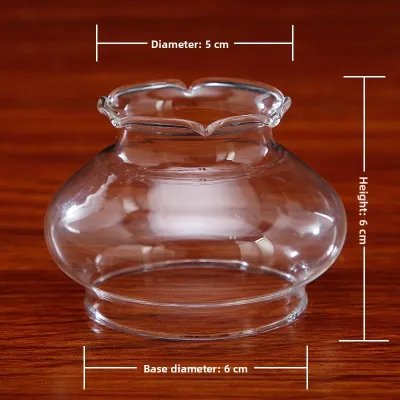
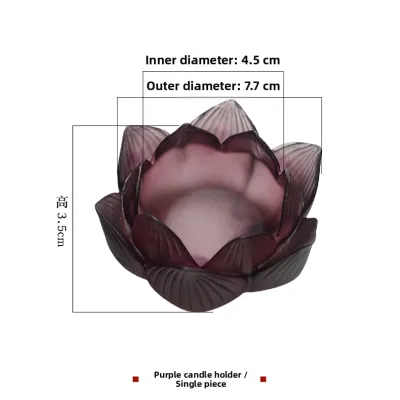
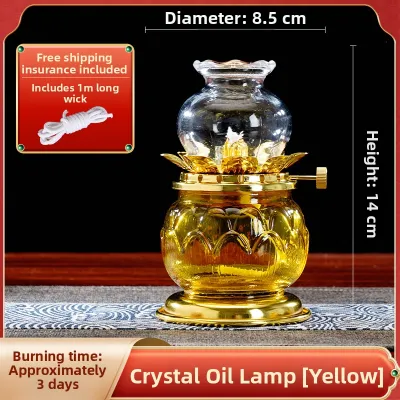
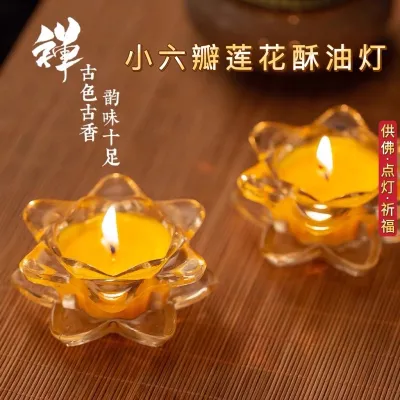
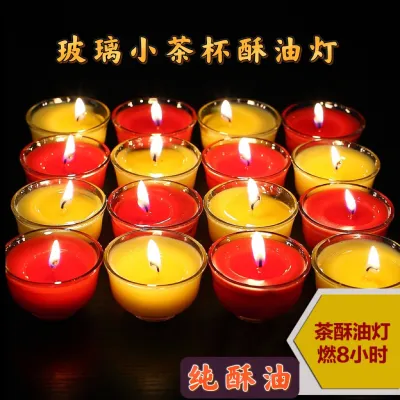
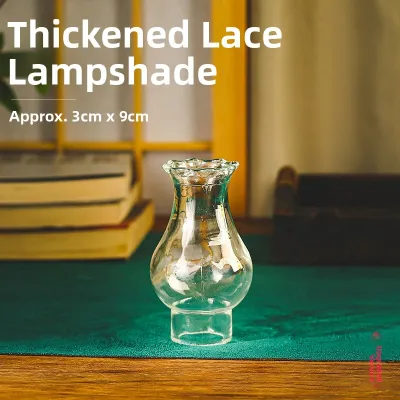
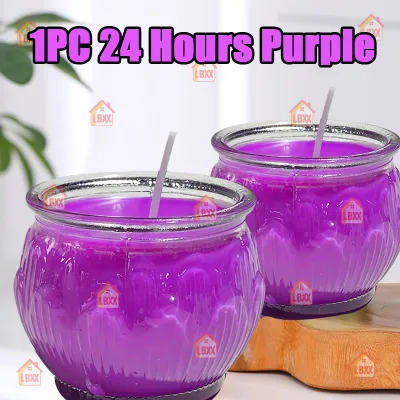
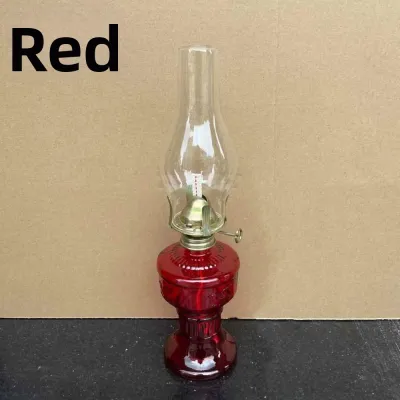
Prices are valid at publication and may change. Please refer to the product page for the latest price.
In terms of finishes, vintage-style glass often showcases subtle imperfections or deliberate decorative treatments that evoke a bygone era. Frosted glass, created through acid etching or sandblasting, diffuses the flame’s harshness into a gentle, romantic glow. Seeded glass contains tiny, trapped air bubbles that catch the light, casting a textured, organic pattern on nearby walls. Lightly tinted glass—in warm amber, soft green, or pale blue—can alter the perceived color temperature of the flame, making it feel exceptionally cozy. These traditional designs naturally complement rustic, farmhouse, colonial, or classic European interior themes, where rich wood grains, brass fixtures, and woven textiles dominate the space.
Modern and Minimalist Profiles
In contrast to the ornate curves of historical pieces, modern and minimalist oil lamp glass prioritizes clean lines, geometric simplicity, and unadorned transparency. These profiles typically reject the bulged hurricane shape in favor of straight-sided cylinders, perfect spheres, or sharp, conical forms. The glass is almost exclusively clear and free of surface textures, ensuring that the flame itself remains the absolute focal point of the piece. This design philosophy strips away visual noise, allowing the natural movement of the fire to command attention without the distraction of decorative embellishments.
Minimalist glass profiles are highly effective in contemporary spaces where the design language is defined by open layouts, neutral color palettes, and functional simplicity. A cylindrical glass chimney paired with a matte black, concrete, or brushed steel base fits seamlessly into Scandinavian-inspired interiors, industrial lofts, or sleek, modern apartments. Because these designs do not rely on historical cues, they blend effortlessly with modern furniture and smart home lighting setups. They offer a clean, architectural look that provides ambient warmth without disrupting the streamlined aesthetic of a highly curated, clutter-free room.
Ornate and Decorative Patterns
For those who view lighting as a form of functional art, ornate and decorative oil lamp glass offers an opportunity to make a bold design statement. This category includes glass that has been heavily worked through techniques such as deep etching, embossing, press-molding, or hand-cutting. Intricate floral motifs, geometric diamond patterns, and ribbed textures are common, transforming the glass into a sculptural element even when the lamp is unlit. Some decorative styles also feature colored glass overlays or hand-painted details, adding a layer of craftsmanship that draws the eye.
The primary appeal of ornate glass lies in how it manipulates light. As the flame flickers behind cut or embossed patterns, the glass refracts the light, casting intricate, dancing shadows and brilliant highlights across the ceiling and walls. This dramatic shadow play can instantly elevate the atmosphere of a formal dining room, a cozy reading nook, or a maximalist living space. These decorative chimneys and shades are particularly suited for eclectic interiors, vintage-inspired parlors, or spaces that embrace rich colors, velvet upholstery, and layered decorative accessories, where the lamp can serve as a captivating conversation piece.
How to Match Oil Lamp Glass to Your Interior Theme
Coordinating an oil lamp with your home decor requires a thoughtful assessment of the room’s existing design elements. To create a cohesive look, begin by analyzing the dominant materials, textures, and colors in the space. If your room features a lot of cold materials like polished concrete, steel, or glass, introducing a minimalist, clear cylindrical chimney can maintain that sleek, architectural edge. Conversely, if your space is filled with warm materials like reclaimed wood, exposed brick, and brass, a vintage frosted or amber-tinted hurricane globe can reinforce the cozy, tactile quality of the environment.

Another critical factor is the balance of visual weight and scale between the glass, the lamp base, and the surrounding furniture. A heavy, ornate cast-iron or ceramic lamp base requires a glass chimney with sufficient visual presence—such as a wide-bulged globe or a decorated shade—to avoid looking top-heavy or mismatched. On the other hand, a delicate, slender brass finger lamp pairs best with a thin, graceful chimney that preserves its delicate proportions. Consider where the lamp will sit; a large, statement-making lamp belongs on a spacious sideboard or dining table, while a compact, simple profile is better suited for a narrow entryway console or a bedside table.
You must also define the primary function of the lamp in that specific location. If you intend to use the lamp for functional ambient lighting during quiet evenings, frosted or opalescent glass is highly beneficial because it reduces glare and spreads light evenly. If the lamp is purely decorative, an embossed, colored, or highly reflective cut-glass chimney can serve as a striking accent piece that catches natural daylight. To avoid a jarring stylistic clash, try to align the historical era of the glass profile with the architectural details of your home. For example, a colonial-style black-and-white interior or a heritage terrace house matches beautifully with traditional fluted or etched glass, while a newly built, high-rise apartment with floor-to-ceiling windows is the ideal backdrop for clean, geometric glass profiles.
Essential Fit and Safety Checks Before Buying
While aesthetic compatibility is important for home decor, physical compatibility and safety are paramount when dealing with open-flame lighting. Before purchasing any replacement oil lamp glass, you must verify the exact fitter size, which is the outer diameter of the bottom rim of the glass chimney that inserts into the lamp’s burner or gallery. Fitter sizes are highly standardized but vary by fractions of an inch, with common sizes including 1-5/8 inches, 2-1/2 inches, and 3 inches. Using a precise measuring tool, measure the inside diameter of the burner collar or the outside diameter of an existing chimney’s base to ensure a snug, secure fit.
In addition to dimensions, check the manufacturer’s product specifications for structural compatibility and thermal tolerance guidelines. High-quality oil lamp glass is typically crafted from borosilicate glass, which is engineered to withstand rapid temperature changes without cracking. Standard decorative glass or repurposed bottles may not have the thermal resistance required to handle the intense, localized heat of an oil flame, posing a severe risk of shattering. Always verify that the glass is explicitly rated for use with fuel-burning lamps rather than electric fixtures.
Proper maintenance is also essential for safe operation. Review the specific care instructions provided by the manufacturer, as some decorative finishes, such as painted patterns or gold leaf gilding, require specialized handling. When installing or replacing glass, ensure the lamp is completely extinguished, cool to the touch, and placed on a stable, level surface. If you are converting an antique oil lamp to electric wiring, or if you are working with suspended hanging lamps or wall-mounted brackets at height, always isolate the power source and follow the manufacturer’s installation instructions. If the glass does not seat securely, wobbles, or if you encounter conflicting specifications, stop immediately and consult the manufacturer or a qualified professional to prevent accidental tipping, fuel spills, or fire hazards.
Frequently Asked Questions (FAQ)
Can I use any glass chimney on my existing oil lamp base?
No, you cannot use just any glass chimney on your oil lamp base. The chimney must match the exact fitter size of your burner’s gallery or collar to ensure a stable and safe fit. A chimney that is too small will wobble and may tip over, spilling fuel or exposing the open flame, while a chimney that is too large will not sit flat, disrupting the critical airflow required for a clean, smoke-free burn. Always measure your burner carefully and refer to the manufacturer’s recommended replacement specifications before purchasing.
How do I clean ornate oil lamp glass without damaging the pattern?
To clean ornate or textured oil lamp glass safely, always check the manufacturer’s care label first, as some delicate finishes can be easily damaged. For general dust and soot removal, use a soft, non-abrasive microfiber cloth dampened with a mild, non-ammonia dish soap solution. Avoid using harsh chemical solvents, abrasive scrubbing pads, or placing the glass in a dishwasher, as these aggressive methods can strip away etched patterns, painted details, or metallic gilding over time.
Community discussion
Share your experience or ask a question. Comments are reviewed before publication.