
One Piece wanted posters have transitioned from the screen and manga pages into highly sought-after wall decor, offering fans a tangible connection to the high-seas adventures of the Straw Hat Pirates. These posters are available in several distinct art styles, ranging from authentic black-and-white manga panels and vibrant anime cel-shaded designs to modern minimalist typography and vintage distressed parchment styles. Selecting a suitable aesthetic requires evaluating how each style complements your existing interior design, understanding the physical print materials, and choosing the right framing options to ensure a lasting and visually appealing display.
Exploring the Core Art Styles of Wanted Posters
The visual presentation of a wanted poster significantly influences the mood of a room. Artists and manufacturers interpret the iconic bounty notices of the series through various stylistic lenses, allowing you to choose a look that matches your personal taste.
Classic Manga Panel Style
The classic manga panel style stays true to the original source material created by Eiichiro Oda. These prints feature high-contrast black-and-white ink work, traditional halftone dot patterns, and authentic comic book layouts. This style appeals to purists who appreciate the raw, hand-drawn texture of the manga. Because they lack color, these posters offer a sophisticated, graphic look that integrates easily into modern spaces without clashing with existing color schemes.
Products mentioned in this guide
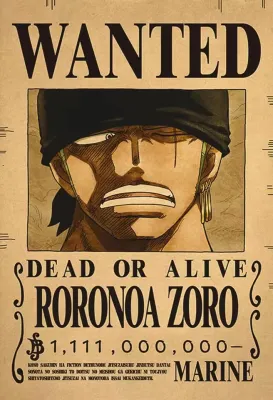
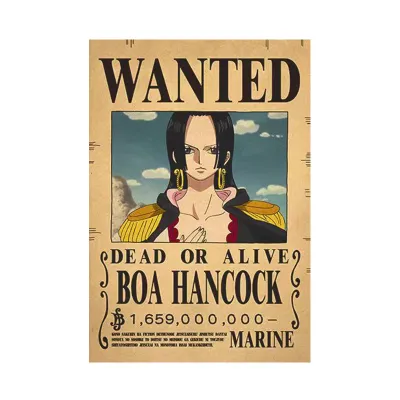
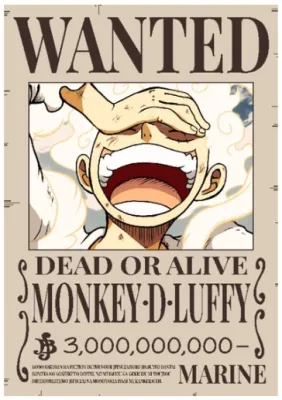
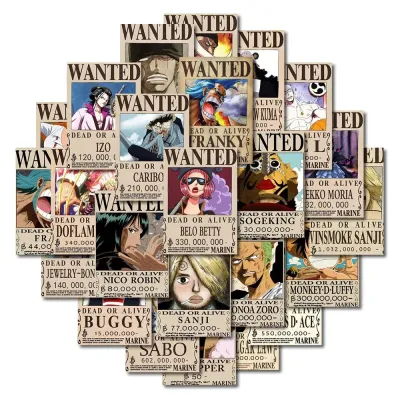
Prices are valid at publication and may change. Please refer to the product page for the latest price.
Anime Cel-Shaded Style
For those who prefer the dynamic energy of the animated series, the anime cel-shaded style is a popular choice. These posters feature vibrant, saturated colors, clean digital lines, and official key art character poses. The bold colors make the characters pop off the wall, capturing the lively and adventurous spirit of the anime. This style is highly eye-catching and serves as an excellent focal point in rooms dedicated to pop culture and media.
Modern Minimalist and Typographic Style
If you prefer a subtle nod to the series rather than a loud graphic, the modern minimalist or typographic style is an excellent alternative. These designs strip away the detailed character illustrations, focusing instead on clean typography, the iconic “WANTED” lettering, and the specific bounty figures. Some variations include a simple, high-contrast silhouette of the character’s signature item, such as Luffy’s straw hat or Zoro’s swords. This clean aesthetic is ideal for contemporary homes where understated decor is preferred.
Vintage and Distressed Parchment Style
The vintage or distressed parchment style is designed to look like an authentic, in-universe historical document. These posters utilize warm sepia tones, faux water stains, singed edges, and simulated creases to mimic aged paper that has traveled across the Grand Line. The textured appearance adds depth and character, making the poster look like a genuine artifact rather than a modern print. This style is highly suitable for creating a warm, nostalgic atmosphere.
Matching Poster Aesthetics to Your Room Decor
Integrating anime-themed wall art into a home requires careful consideration of the existing interior design. The goal is to complement the room’s color palette, furniture style, and overall atmosphere rather than letting the poster look out of place.

Industrial and Modern Spaces
Industrial and modern interiors benefit from clean lines, metallic accents, and neutral color palettes. The classic black-and-white manga panel style or the modern minimalist typographic style pairs exceptionally well with these environments. To elevate the presentation, mount the posters in sleek, thin-profile black aluminum or dark wood frames. The high-contrast artwork complements exposed brick, concrete finishes, and metal fixtures, adding a touch of personality without disrupting the sophisticated aesthetic of the space.
Cozy and Rustic Rooms
For rooms featuring warm wood tones, soft textiles, and natural textures, the vintage distressed parchment style is a highly harmonious choice. The earthy sepia tones and aged paper textures blend seamlessly with rustic furniture, wooden shelving, and warm lighting. Framing these posters in distressed or reclaimed wood frames enhances their historical, adventurous feel. This approach works well in cozy bedrooms, home libraries, or study spaces where a relaxed, inviting ambiance is desired.
Eclectic and Dedicated Media Rooms
If you have a dedicated entertainment room, gaming setup, or an eclectic living space, the vibrant anime cel-shaded style is highly suitable. These rooms are designed for entertainment and can handle bolder colors and more dynamic layouts. You can create an energetic gallery wall by mixing multiple character posters together. To keep the display organized, consider using uniform frames with colorful mat boards that match specific accent colors in the artwork, creating a cohesive yet lively visual experience.
Evaluating Print Materials and Framing Options
The physical medium of your wall art determines its durability, texture, and how it interacts with the lighting in your room. Understanding the differences between materials and framing options helps you make an informed decision.
| Feature | Paper Prints | Canvas Prints |
|---|---|---|
| Texture | Smooth, matte, or glossy finish | Textured, woven fabric appearance |
| Glare | High glare under direct light (if glossy) | Low glare, diffuses light naturally |
| Durability | Susceptible to tearing and creasing | Highly durable, resistant to tears |
| Framing Need | Requires a frame or backing for support | Can be hung frameless (stretched) or framed |
| Aesthetic | Sharp, precise details and text | Artistic, painting-like depth |
Paper vs. Canvas
Paper prints are the traditional choice, offering sharp details and precise text rendering, which is crucial for reading the small print on wanted posters. High-quality art prints typically use heavy cardstock or archival matte paper to prevent curling. Canvas prints, on the other hand, offer a textured, premium feel that mimics fine art. Canvas is highly durable and does not crease, making it an excellent option for larger displays. It also diffuses light naturally, reducing distracting reflections from nearby windows or lamps.
Framing Choices
Your choice of frame significantly impacts the final presentation of the artwork:
- Standard Glass or Acrylic Frames: These protect paper prints from dust and physical damage. Acrylic is lighter and shatterproof, making it safer for high-traffic areas or children's rooms.
- Frameless Canvas Wraps: Stretched canvas over a wooden internal frame offers a clean, modern, three-dimensional look that sits flush against the wall.
- Floating Frames: These frames surround a stretched canvas with a small gap between the art and the frame, creating the illusion that the artwork is floating. This adds a highly professional, gallery-like quality to the piece.
Checking Product Specifications
Before purchasing, always verify the listed dimensions and aspect ratios to ensure the poster fits your intended wall space. Standard poster sizes like A3, A2, or specific inch dimensions (such as 12×18 or 24×36 inches) are easier to find ready-made frames for. Additionally, check the resolution details if provided; high-resolution prints (at least 300 DPI) ensure that the character details and bounty text remain sharp and legible up close.
Navigating Purchase Channels and Verifying Quality
Finding high-quality wall art requires navigating various online marketplaces, specialty stores, and independent artist platforms. Because wanted posters are widely produced, quality can vary significantly between sellers.
Comparing Purchase Channels
Official merchandise stores offer licensed prints that guarantee authentic artwork and accurate character designs, though their style options may be limited to standard anime key art. Independent artist platforms are excellent for finding unique, creative interpretations, such as minimalist designs or custom hand-painted styles. General online marketplaces and ecommerce platforms offer the widest variety and competitive pricing, but they require more careful vetting to ensure you receive a high-quality product.
Identifying Red Flags
To avoid receiving a blurry or pixelated print, inspect the product listings carefully. Be cautious of sellers using low-resolution preview images or mockups where the text appears fuzzy. Suspiciously low prices for large-format prints often indicate cheap materials or unauthorized, low-quality scans of official art. Look for listings that explicitly state the paper weight (measured in GSM) or canvas material details, as reputable sellers are transparent about their manufacturing standards.
Reviewing Seller Policies and Feedback
Before finalizing your purchase, review the seller’s return and exchange policies, especially regarding items damaged during transit. Check customer reviews for uploaded photos of the actual physical product. These photos provide a realistic view of the color accuracy, paper thickness, and print sharpness, helping you verify if the physical output matches the digital listing.
Installation and Wall Care Considerations
Proper installation and ongoing maintenance ensure your One Piece wanted posters remain in pristine condition while keeping your living space safe.
Choosing the Right Hanging Hardware
The appropriate hanging hardware depends on the weight of the frame and your wall type. For lightweight paper posters in simple plastic frames, adhesive strips or light utility hooks are often sufficient. However, heavier wooden or metal frames, as well as large stretched canvases, require more secure mounting. Many apartments in Singapore feature solid concrete or structural brick walls, which require appropriate masonry drills and wall plugs rather than simple drywall screws. Always ensure your mounting hardware is rated for the specific weight of your framed art to prevent accidental falls.
If you plan to install integrated LED backlighting or accent spotlights to highlight your posters, ensure you follow the manufacturer’s installation instructions. For any fixed electrical wiring or modifications to your home’s electrical system, always isolate the power at the main distribution board and engage a qualified licensed electrician to perform the work safely.
Protecting Prints from Environmental Damage
Environmental factors can degrade your wall art over time. Direct sunlight contains ultraviolet (UV) rays that fade colors and yellow paper. Position your posters away from direct sunlight, or use UV-protective glass or acrylic in your frames. Additionally, in Singapore’s highly humid tropical climate, protecting paper prints from moisture is essential to prevent warping, paper sagging, and mold growth. Ensure the room has adequate ventilation, and avoid hanging unframed paper prints in damp areas like kitchens or adjacent to bathrooms.
Routine Dusting and Cleaning
Regular maintenance keeps your display looking fresh. For glass or acrylic-covered frames, wipe the surface with a microfiber cloth and a mild glass cleaner, applying the cleaner to the cloth rather than directly onto the frame to prevent liquid from seeping inside. For exposed canvas prints, avoid using wet cloths or chemical cleaners, which can damage the ink. Instead, use a soft, dry feather duster or a clean, dry microfiber cloth to gently remove surface dust.
Frequently Asked Questions (FAQ)
Can I customize the bounty amount or character on a wanted poster?
Yes, custom wanted posters are widely available, primarily through independent artists and custom print services on creative platforms. These services allow you to submit a personal photo or custom character design, along with a personalized name and bounty amount, to be rendered in the classic One Piece wanted poster template. When ordering custom prints, ensure the artwork is intended for personal, private display to respect copyright boundaries, and verify that the artist provides a high-resolution digital file suitable for printing.
How do I create a cohesive gallery wall with multiple wanted posters?
To create a balanced gallery wall, start by planning the layout on the floor before drilling any holes. Lay out your posters and experiment with different spacings—typically 5 to 10 centimeters apart works well. You can choose a uniform layout with identical frames and matching alignments for a clean, organized look, which is ideal for displaying the entire Straw Hat crew. Alternatively, for an eclectic feel, you can mix different frame styles and sizes, using a central poster as an anchor and arranging smaller prints around it to balance the visual weight.

Community discussion
Share your experience or ask a question. Comments are reviewed before publication.