
Closed terrarium vases create a humid, self-sustaining microclimate ideal for tropical plants, while open designs provide the airflow and dry conditions necessary for succulents and arid species. Choosing between the two depends primarily on the specific moisture needs of your plants, the maintenance routine you prefer, and the aesthetic you want to achieve in your display space. This guide breaks down the functional and visual differences to help you select the right terrarium vase for your environment.
In modern interior design, a glass terrarium vase serves as a living art piece that brings nature indoors. Whether styled on a minimalist shelving unit, a dining table, or a bright windowsill, these vessels do more than hold plants; they actively shape the immediate environment. Understanding how the physical structure of the glass influences temperature, moisture, and air circulation is the first step to creating a thriving miniature ecosystem.
Core Differences in Humidity and Airflow
A closed terrarium vase operates as a sealed or semi-sealed environment that traps moisture to establish a continuous water cycle. When you water the soil, the plants absorb the moisture and release it into the air through transpiration. This water vapor condenses on the cool glass walls of the vase and trickles back down into the substrate, keeping the soil consistently damp without requiring frequent external watering.
Products mentioned in this guide
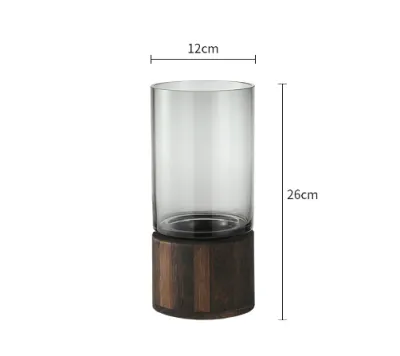
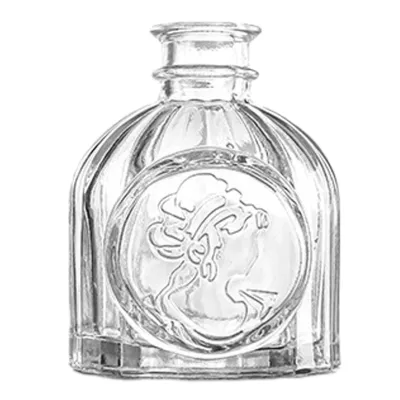
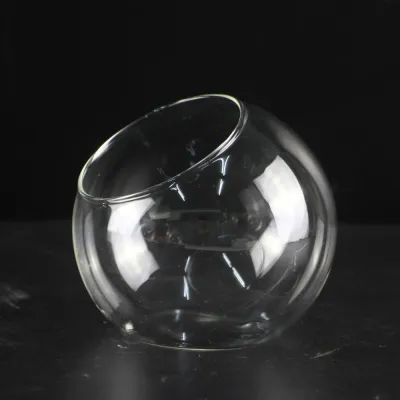
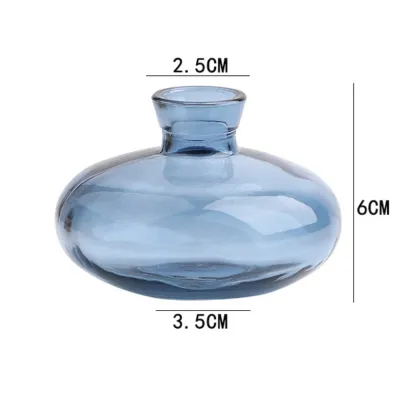
Prices are valid at publication and may change. Please refer to the product page for the latest price.
Because the air inside a closed vase is trapped, the relative humidity remains exceptionally high, often reaching near-saturated levels. This stable, warm, and moist environment mimics the natural conditions of a tropical rainforest floor. However, the lack of air movement means that any excess water can quickly lead to stagnant conditions, which increases the risk of fungal outbreaks and root decay.
An open terrarium vase, by contrast, features a wide opening that allows moisture to evaporate freely into the surrounding room. The plants inside rely entirely on the ambient humidity of your home, which is often much lower and more variable, especially in air-conditioned spaces. This constant exposure to the outside air prevents moisture from building up on the glass or in the soil.
The unrestricted airflow in an open design ensures that the substrate dries out rapidly after watering. This dry-down period is essential for preventing soil compaction and keeping the root zones of arid plants healthy. Without the trapping of water vapor, the risk of mold and mildew is virtually eliminated, provided the soil is allowed to dry completely between watering sessions.
Matching Plants to the Right Terrarium Vase
Selecting the right plants for a closed terrarium vase requires focusing on species that thrive in high humidity and low-to-medium indirect light. Tropical plants, ferns, and mosses are the ideal candidates for these enclosed spaces. Their delicate leaves and shallow root systems are adapted to constant moisture and would quickly shrivel in the dry air of a typical living room.

Excellent choices for closed vessels include the nerve plant (Fittonia), polka dot plant (Hypoestes), aluminum plant (Pilea), and various miniature ferns like the button fern. Cushion moss and sheet moss also flourish in these setups, providing a lush, green carpet that helps retain soil moisture. These plants grow slowly in confined spaces, making them easy to manage over time.
For open terrarium vases, you must select plants that are adapted to dry, arid environments with excellent ventilation. Succulents, cacti, and air plants (Tillandsia) are perfectly suited for open glass displays. These species store water in their fleshy leaves or stems and require their soil to dry out completely to prevent rot.
Popular options for open designs include rosette-forming succulents like Echeveria, hardy Haworthia, and slow-growing miniature cacti. Air plants are also highly compatible because they do not require soil at all; they can simply be nestled among decorative stones or driftwood inside the vase, relying on occasional misting and the open air to dry afterward.
Placing a plant in the wrong type of vase will quickly result in visible distress. If you put a succulent in a closed terrarium, the high humidity and lack of airflow will cause the leaves to turn translucent, mushy, and eventually rot. Conversely, placing a delicate tropical fern in an open vase in a dry room will lead to crispy leaf tips, shriveled fronds, and stunted growth.
Maintenance and Care Requirements
The ongoing upkeep of a terrarium vase varies significantly depending on whether the system is open or closed. Closed terrariums are highly self-sufficient and require very little day-to-day intervention. You may only need to water them once every few months, using distilled water or rainwater to prevent mineral buildup on the glass.
However, closed systems do require careful monitoring of condensation. A healthy closed vase should have a light mist on the glass in the morning that clears as the day warms up. If the glass remains heavily fogged or dripping with water throughout the day, you must open the lid for a few hours to let the excess moisture escape and prevent mold.
Pruning is another essential task for closed setups. Because the space is limited, you must regularly trim back fast-growing leaves to prevent them from pressing against the damp glass, which can cause them to decay. Removing yellowing or dead foliage immediately is crucial to prevent mold spores from spreading through the humid air.
Open terrariums require more frequent, active watering, though the overall volume of water used must remain low. Instead of pouring water generously, use a targeted squeeze bottle or a syringe to apply water directly to the base of each plant, avoiding the leaves. This ensures the roots get hydrated without saturating the entire substrate.
Because open vases lack drainage holes, you must carefully monitor the soil moisture levels. Checking the drainage layer at the bottom of the vase is a reliable way to ensure water is not pooling around the roots. If you notice pests like fungus gnats in a closed system or mealybugs in an open one, isolate the vase immediately and treat the plants with a mild, plant-safe organic spray.
Aesthetic and Display Considerations
The visual impact of a terrarium vase is heavily influenced by its design and the plants inside. Closed vases offer a lush, dense, and slightly mysterious aesthetic. The presence of condensation, climbing mosses, and vibrant tropical foliage creates a miniature jungle effect that works beautifully as a soft, organic accent in modern or rustic interiors.
Open vases present a highly structured, minimalist aesthetic. They allow you to showcase the geometric patterns of succulents, the clean lines of decorative sand layers, and the textures of natural stones or bark. Because the glass remains perfectly clear, the details of the plants and the substrate layers are always fully visible, making them excellent focal pieces for bright, open spaces.
Placement is critical to the survival of both terrarium types. You must never place a closed terrarium vase in direct sunlight. The glass walls will act as a greenhouse, trapping heat and rapidly raising the internal temperature to levels that can cook and kill your plants. Instead, position closed vases in bright, indirect light, such as a few feet away from a north- or east-facing window.
Open terrariums can handle slightly brighter conditions, but they should still be protected from intense, scorching afternoon sun, which can overheat the glass and sunburn sensitive succulents. Keep both styles away from drafts, air conditioning units, and heating vents, as sudden temperature fluctuations can stress the plants and disrupt the moisture balance inside the vase.
If your terrarium vase features integrated LED lighting, always verify the manufacturer’s wattage limits and electrical certifications. Ensure that any power cords or light fixtures are kept completely dry, especially when misting open arrangements or opening a closed system for maintenance.
How to Choose Your Terrarium Vase
To decide which terrarium vase is right for you, evaluate your daily routine, your home’s environment, and the types of plants you prefer. A closed terrarium vase is the best choice if you want a low-maintenance display that requires minimal watering. It is ideal for those who love the look of lush, green tropical foliage and have a spot in their home with consistent, indirect light.
An open terrarium vase is the better option if you enjoy the hands-on process of caring for plants and prefer the clean, architectural look of desert flora. It is also the practical choice if you plan to display your terrarium in a bright, warm room with plenty of natural light and good air circulation.
Before setting up your chosen vase, perform a few quick verification steps. Check the specific care tags of the plants you plan to buy to ensure they share identical light and moisture requirements. Measure the dimensions of your display space to ensure the vase has enough clearance, and gather high-quality drainage materials, including gravel, activated charcoal, and a porous substrate, to build a healthy foundation for your miniature garden.
Frequently Asked Questions (FAQ)
Can I convert an open terrarium vase into a closed one?
You can convert an open terrarium vase into a closed one by adding a fitted glass lid, a cork stopper, or a clear acrylic cover. However, this conversion only works if the vase shape allows for a relatively tight seal and if you have planted moisture-loving tropical species inside. If you attempt to seal a vase containing succulents or cacti, the sudden rise in humidity will trap moisture and cause the plants to rot within days.
How do I prevent mold from growing inside a closed terrarium vase?
To prevent mold in a closed terrarium vase, avoid overwatering during the initial setup; the soil should be damp but never soggy. Ensure you include a layer of activated charcoal beneath the soil to absorb impurities and control odors. If you spot mold forming on the soil or leaves, open the lid immediately to let the air circulate, gently wipe away the mold with a damp paper towel, and remove any decaying plant matter.
Do terrarium vases need drainage holes at the bottom?
Most glass terrarium vases do not have physical drainage holes at the bottom, which is why creating a false bottom is essential. To do this, place a two-to-three-centimeter layer of gravel or pebbles at the very bottom of the vase to collect excess water. Cover this with a thin layer of activated charcoal and a mesh barrier before adding your potting soil, ensuring that plant roots never sit directly in stagnant water.
Community discussion
Share your experience or ask a question. Comments are reviewed before publication.