
Selecting the right outdoor lamp for your home depends entirely on where you plan to install it and its exposure to the elements. The key to making an informed decision lies in understanding the Ingress Protection (IP) rating, a standardized two-digit code where the second digit dictates water resistance. For fully exposed areas subject to heavy rainfall, an IP65 or IP66 rating is typically required to prevent water damage. Conversely, semi-sheltered spaces like covered balconies, deep porches, or under-eave areas can safely utilize fixtures with a lower rating, such as IP44, saving you from over-specifying and overspending on unnecessary protection levels.
What IP Ratings Actually Mean for Outdoor Lamps
The Ingress Protection (IP) rating system is an international standard defining the sealing effectiveness of electrical enclosures against intrusion from foreign bodies and moisture. When shopping for an outdoor lamp, you will see the letters “IP” followed by two numbers. Understanding what each digit represents allows you to evaluate whether a fixture can withstand the specific environmental conditions of your garden or patio.
The first digit (0 to 6) measures protection against solid objects like dust and insects. A rating of 5 indicates protection against harmful dust deposits, while a 6 means the fixture is completely dust-tight. For outdoor lighting, solid protection is crucial to prevent fine dirt and insects from accumulating inside the housing, which can block light output or cause overheating.
Products mentioned in this guide
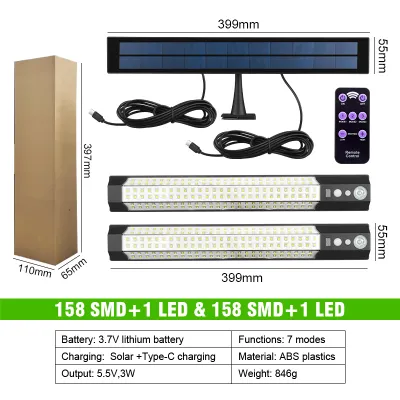
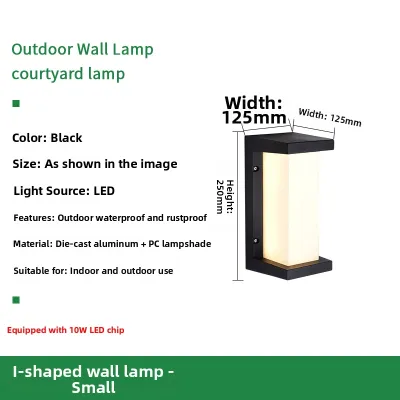
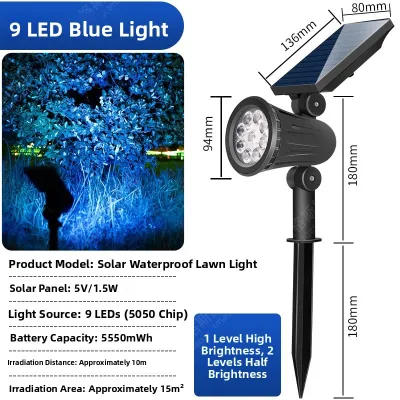
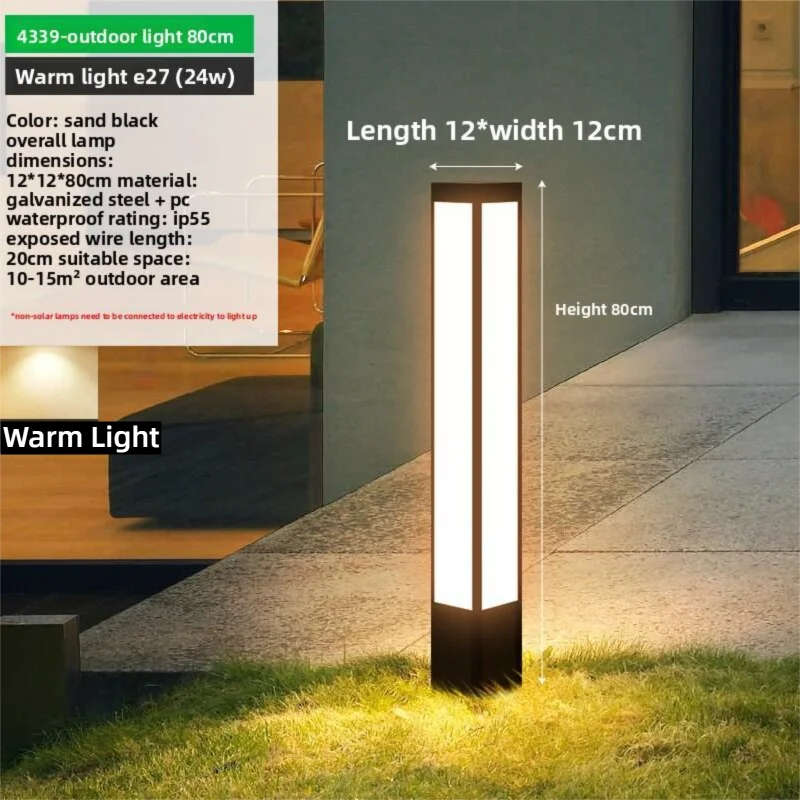
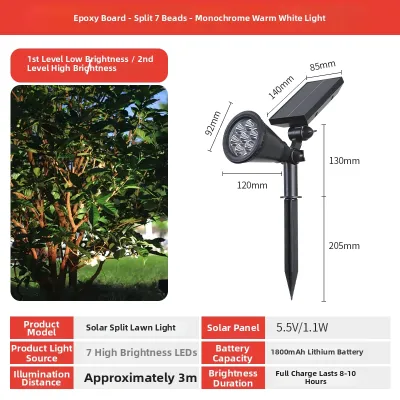
Prices are valid at publication and may change. Please refer to the product page for the latest price.
The second digit (0 to 9K) measures liquid ingress. A second digit of 4 means the lamp is protected against splashing water from any direction, suitable for damp but sheltered environments. A rating of 5 indicates protection against low-pressure water jets, while a 6 protects against high-pressure water jets from heavy storms. A rating of 7 denotes temporary immersion in water up to one meter deep.
While it is tempting to assume a higher number is always better, higher-rated fixtures often carry a premium price due to complex sealing. Over-specifying a lamp for a highly protected area, such as installing an IP67 submersible light under a deep, dry porch, is an unnecessary expense. Matching the rating precisely to the exposure level ensures both safety and cost-efficiency.
Matching IP Ratings to Your Specific Outdoor Placement
To choose the correct outdoor lamp, you must assess the microclimate of each installation zone. Outdoor spaces are rarely uniform; a light mounted on an open garden post faces vastly different conditions than one tucked under a covered entryway. Dividing your outdoor areas into distinct zones helps clarify the minimum protection level required for each fixture.

Covered areas, such as deeply recessed porches, covered patios, and high-rise balconies, are generally shielded from direct vertical rainfall. However, these spaces are still exposed to high ambient humidity, condensation, and wind-blown mist during severe weather. For these semi-sheltered spots, an IP44 rating is the standard minimum. This level of protection ensures that the lamp can handle airborne moisture and occasional indirect splashes without risking electrical failure.
Exposed garden areas, including open pathways, driveways, lawns, and unshielded exterior walls, bear the full brunt of the elements. These fixtures must withstand direct, heavy rainfall, wind-driven moisture, and spray from garden sprinkler systems. For these fully exposed installations, a minimum rating of IP65 is highly recommended. An IP65-rated outdoor lamp is completely dust-tight and can easily repel water jets, ensuring the internal wiring remains dry even during intense storms.
High-moisture or water-adjacent zones require the highest levels of protection. These include ground-recessed uplights along garden paths, fixtures near pond edges, and lights installed around swimming pools. Ground-recessed lights are particularly vulnerable because rainwater can pool on the ground surface faster than it drains away, temporarily submerging the fixture. For these high-risk areas, an IP67 rating is essential, as it allows the lamp to survive temporary immersion. Any light installed directly inside a pond or pool must carry an IP68 rating.
Regardless of the IP rating, you must always cross-reference the manufacturer’s specific placement guidelines. The IP rating is determined under controlled laboratory conditions, but real-world factors like mounting orientation and drainage can affect performance. A manufacturer may specify that a certain IP65 wall light must only be mounted facing downward to maintain its water resistance, making proper reading of the installation manual vital.
Critical Safety and Installation Checks Beyond IP Ratings
While dust and water resistance are vital, an IP rating is only one part of a comprehensive outdoor lighting plan. Ensuring long-term safety and performance requires verifying several electrical and structural factors that ingress ratings do not cover.
First, always verify that the outdoor lamp is compatible with your local electrical grid voltage, which is typically 230V. The fixture must carry recognized safety certifications to ensure it has undergone rigorous testing for fire and shock hazards. Additionally, all external wiring, junction boxes, and conduits must be specifically rated for outdoor use, featuring UV-resistant insulation and watertight seals at every connection point.
The boundary between DIY projects and professional installation is strict when dealing with outdoor electricity. While low-voltage solar path lights are safe for homeowners to position themselves, any mains-voltage (230V) wiring, underground trenching, or fixed wall-mounted installations must be performed by a qualified, licensed electrician. Water and electricity are a lethal combination; professional installation ensures that proper grounding, residual current devices (RCDs), and weatherproof enclosures are correctly implemented.
It is also important to note that IP ratings do not measure physical durability or resistance to sunlight. A lamp may be perfectly waterproof but still degrade quickly if its housing cannot withstand physical impacts or intense ultraviolet (UV) radiation. Look for an impact resistance rating (IK rating) if the lamp is installed in high-traffic driveways. For fixtures exposed to constant, direct sunlight, check the product specifications to ensure the materials are UV-stabilized, preventing the housing from becoming brittle or cracking over time.
Finally, prioritize safety during any maintenance or inspection. Always turn off the power at the main distribution board or circuit breaker before cleaning, inspecting, or replacing an outdoor lamp. Never rely solely on the wall switch, as moisture inside the switch or fixture can still present a shock hazard if the main line remains live.
Frequently Asked Questions (FAQ)
Can I use an indoor lamp outdoors if it is placed under a covered porch?
No, you should never use an indoor lamp in any outdoor or semi-outdoor setting, even if it is fully covered by a porch or balcony. Indoor lamps are not sealed against ambient humidity, temperature fluctuations, or condensation. Over time, moisture in the air will penetrate the unsealed housing of an indoor lamp, leading to rapid corrosion of the electrical contacts, short circuits, and a significantly increased risk of electrical shock or fire. Always select a fixture with a minimum rating of IP44 for covered outdoor areas to ensure safety.
Does a higher IP rating mean the outdoor lamp will last longer?
Not necessarily. An IP rating only measures protection against dust and water ingress; it does not reflect the overall quality of the materials or resistance to other environmental stressors. For example, an IP67 lamp made of cheap, non-UV-stabilized plastic may crack and fail within a year due to sun damage, whereas an IP44 lamp constructed from high-quality, marine-grade brass or copper installed under an eave can last for decades. To ensure longevity, look for durable, corrosion-resistant materials alongside the appropriate IP rating.
Community discussion
Share your experience or ask a question. Comments are reviewed before publication.