
Heavy monsoon rain can significantly impact the performance of outdoor solar security lights, but understanding how to verify product specifications allows you to choose fixtures that remain reliable. In tropical climates like Singapore, intense downpours and prolonged cloud cover present distinct challenges for waterproofing, solar charging efficiency, and motion sensor accuracy. By checking specific ingress protection ratings, solar panel materials, and sensor technologies, you can ensure your outdoor lighting system continues to secure your property even during the wettest seasons.
Understanding Waterproof Ratings for Heavy Monsoon Rain
To ensure your outdoor security lights survive driving rain, you must verify the Ingress Protection (IP) rating on the product label. The IP rating consists of two digits, where the second digit specifically measures liquid protection. For areas experiencing heavy tropical downpours, look for a second digit of at least 5 or 6, which indicates resistance to water jets or powerful water jets from any direction. Avoid lower ratings that only protect against light splashing, as driving monsoon rain can easily force water past weak barriers.
Understanding the difference between IP65, IP66, and IP67 is crucial when planning your outdoor lighting layout. An IP65-rated light is suitable for semi-sheltered areas, such as under a porch or carport, where it faces moderate rain exposure. However, for fully exposed walls, fences, or rooftops where wind-driven monsoon rain can strike horizontally at high velocity, upgrading to an IP66-rated fixture provides much greater peace of mind. IP67-rated fixtures offer temporary immersion protection, making them excellent for ground-level path lighting that might experience brief flooding during sudden cloudbursts.
Products mentioned in this guide
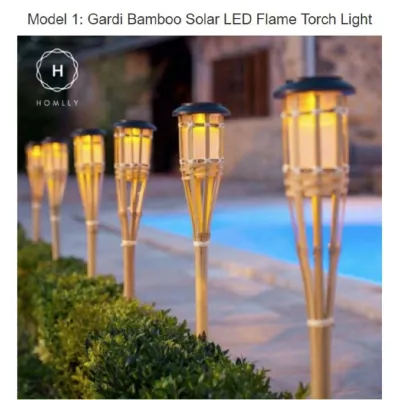
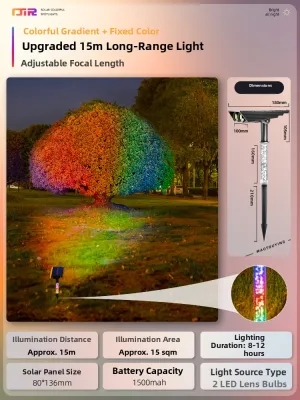
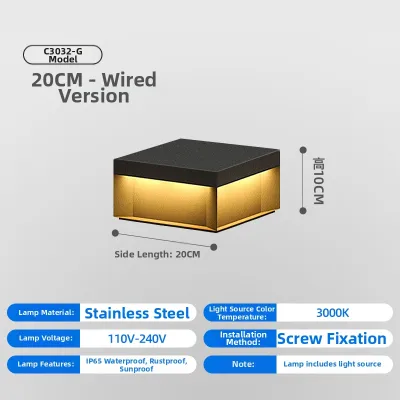
Prices are valid at publication and may change. Please refer to the product page for the latest price.
Beyond the printed rating, inspect the physical construction of the fixture before installation. High-quality waterproof lights feature thick rubber or silicone gaskets, tight-fitting seals, and robust casing joints that prevent moisture from seeping into the internal electronics. Check that the battery compartment and wire entry points are tightly sealed, as high humidity can cause internal condensation if any gaps exist. Silicone gaskets are generally preferred over standard rubber in tropical climates, as they resist degradation from heat and UV exposure much more effectively.
Your mounting strategy also plays a critical role in how much water exposure the fixture actually faces. Whenever possible, install security lights under roof overhangs, eaves, or awnings to provide physical shielding from direct, vertical downpours. Ensure the mounting surface has adequate drainage and does not allow water to pool around the base of the light or its mounting bracket. If water accumulates behind the mounting plate, it can slowly seep into the screw holes and damage both the wall and the light’s internal wiring.
Evaluating Solar Charging Efficiency in Wet and Cloudy Weather
Prolonged overcast skies during the monsoon season can drastically reduce the amount of sunlight available for solar charging. To mitigate this, check the solar panel material label on the product packaging. Monocrystalline solar panels generally offer higher efficiency under low-light and cloudy conditions compared to polycrystalline alternatives, making them better suited for sustaining a charge during consecutive rainy days. Monocrystalline panels are constructed from a single pure silicon crystal, allowing electrons to flow more freely and generate more power even when the sky is completely grey.

You should also verify the battery capacity specifications against the manufacturer’s documented runtime. Look for fixtures that specify a “cloudy-day runtime” or “reserve power” capability, which indicates the battery can store enough energy to power the light for multiple nights without a full charge. A larger battery capacity acts as a buffer, ensuring your security lights do not go dark after a single day of heavy cloud cover. For instance, a battery capacity of 4400mAh or higher is often recommended for multi-head security lights to ensure they can run for three to four consecutive rainy nights.
Battery chemistry is another critical specification to check, especially in hot and humid tropical environments. Lithium Iron Phosphate (LiFePO4) batteries are highly recommended for outdoor solar lights because they offer superior thermal stability and can handle deep discharge cycles without losing capacity as quickly as standard Lithium-ion batteries. This durability is essential during the monsoon season when the battery may be repeatedly drained to low levels before receiving a full recharge.
Proper positioning of the solar panel is essential to maximize whatever daylight is available. Angle the solar panel according to the manufacturer’s instructions—typically at a tilt of 15 to 30 degrees—to prevent rainwater from pooling on the surface. This tilt also allows gravity to help wash away dust and debris, keeping the panel clear for optimal light absorption. In Singapore, which lies near the equator, a slight tilt is sufficient to facilitate water runoff while still capturing ample sunlight throughout the year.
Motion Sensor Reliability Amidst Rain and High Humidity
Heavy rain and shifting temperatures can cause motion sensors to trigger falsely or fail to detect movement entirely. Most outdoor security lights use Passive Infrared (PIR) sensors, which detect changes in heat signatures. During a heavy downpour, cold raindrops can rapidly cool the sensor lens or mask human heat signatures, leading to missed detections or constant false alarms. Microwave or radar sensors, by contrast, use high-frequency radio waves to detect physical movement and are generally less affected by temperature fluctuations, though they can sometimes be triggered by heavy, moving sheets of rain.
To combat these environmental interferences, look for security lights that feature adjustable sensitivity, detection range, and delay time settings. Lowering the sensitivity slightly during the monsoon season can prevent heavy raindrops or wind-blown foliage from triggering the light. Adjusting the detection range ensures the sensor focuses only on your immediate property rather than distant rain patterns. Many high-quality fixtures feature a physical dial on the sensor housing, allowing you to fine-tune these parameters based on seasonal weather changes.
Another useful feature to verify is the ambient light sensor, often labeled as the “LUX” setting. During severe monsoon storms, the sky can become so dark during the middle of the day that a standard sensor might mistake the gloom for nighttime and turn the light on unnecessarily. Adjusting the LUX threshold ensures the security light only activates when it is truly dark, conserving valuable battery power for the night ahead.
Physical placement of the sensor lens is equally important for maintaining accuracy. Ensure the sensor is angled downward to prevent water droplets from pooling directly on the lens surface, which can distort the detection field. Additionally, position the lens away from reflective surfaces or areas prone to direct sunlight glare, as sudden light shifts can mimic motion and cause false triggers. Some advanced models include a small protective hood over the sensor lens to shield it from direct rain impact.
Safe Installation and Routine Maintenance for Tropical Climates
Installing outdoor lighting safely requires assessing the complexity of the fixture and the mounting location. For standard DIY solar lights that mount to stable wooden or masonry surfaces using basic screws, you can typically complete the installation yourself. However, if your security light involves fixed electrical wiring, heavy structural fixtures, or requires working at significant heights, you must isolate the power supply and hire a qualified electrician to ensure compliance with local safety standards. In Singapore, any fixed electrical work must be performed by a licensed electrical worker to guarantee safety and prevent short circuits in wet conditions.
If you are installing a hybrid solar-electric system or a light that connects to an outdoor power outlet, verify that all outdoor junction boxes and plugs are rated IP66 or higher. Ensure that any cables running from the solar panel to the light fixture are outdoor-rated and UV-resistant. Secure these cables tightly against the wall using cable clips to prevent them from flapping in high winds, which can strain the connections and compromise the waterproof seals over time.
Routine maintenance is vital to keep your solar security lights operating at peak performance throughout the year. Periodically clear fallen leaves, twigs, and dirt from the solar panel and sensor lens. Wipe these surfaces gently using a soft, damp microfiber cloth, avoiding harsh chemical cleaners or abrasive pads that could strip away protective factory coatings or scratch the optical lenses. Cleaning the solar panel is especially important after dry spells, as accumulated dust can form a muddy film when the first rains arrive, severely blocking sunlight.
Over time, exposure to intense heat and humidity can degrade even the best seals. Regularly inspect your fixtures for signs of seal cracking, internal condensation behind the lens, or a noticeable drop in battery performance. If you observe water ingress or suspect battery failure, immediately stop using the fixture, disconnect any power sources if applicable, and contact the manufacturer for repair or replacement guidance.
Frequently Asked Questions (FAQ)
Can I leave outdoor solar lights on during a severe thunderstorm?
Yes, most high-quality outdoor solar lights can remain active during a thunderstorm, provided they have an adequate waterproof rating of IP65 or higher. However, you should check the manufacturer’s guidelines for extreme weather limits. If the storm brings exceptionally high winds that risk detaching the fixture, or if there is a risk of physical damage from falling debris, it is safest to temporarily disable or remove the light.
Does heavy rain wash away the waterproof coating on solar lights?
Heavy rain will not wash away the primary waterproofing of a security light, as water resistance relies on physical rubber seals, gaskets, and tight casing joints rather than a temporary surface coating. However, avoid using high-pressure washers or harsh cleaning chemicals on the fixture, as these can degrade the physical seals and strip away any factory-applied UV-resistant or water-repellent surface treatments.
Community discussion
Share your experience or ask a question. Comments are reviewed before publication.