
Selecting a paint by numbers kit that delivers a professional-looking finished piece requires looking beyond the cover art. The final aesthetic value and longevity of your artwork depend on the materials inside the box. While marketing descriptions often promise professional results, the actual painting experience is determined by verifiable specifications such as canvas weight, paint formulation, and frame construction.
In Singapore, paint by numbers kits generally fall into two categories: budget-friendly mass-market options and premium professional-tier kits. Budget kits, which typically retail under S$20 on popular online marketplaces, often utilize thin synthetic polyester canvases and student-grade acrylic paints. These paints can be watery, requiring multiple tedious coats to cover the printed numbers. Premium kits, ranging from S$40 to S$80, generally feature heavy-duty linen or high-GSM cotton canvases paired with richly pigmented acrylics designed for single-coat coverage.
Because Singapore’s humid climate can affect canvas tension and paint drying behavior, choosing the right material tier is crucial. Before purchasing from a local craft shop or ordering online, verifying key specifications like canvas material, paint volume, and frame type will help you avoid common frustrations like canvas sagging or dried-out paint pots.
Products mentioned in this guide
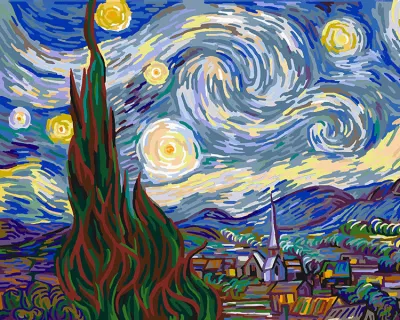



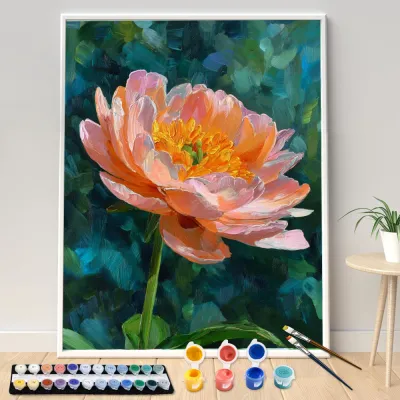

Prices are valid at publication and may change. Please refer to the product page for the latest price.
Evaluating Paint Quality: Consistency, Opacity, and Finish
Paint Consistency and Viscosity
The physical texture and flow of the acrylic paint provided in your kit directly influence how easily you can apply color. High-quality kits contain acrylic paints with a creamy, buttery consistency that glides smoothly off the brush. This ideal viscosity allows you to fill in tiny, intricate shapes with precision without leaving behind harsh, raised ridges that can distort the texture of the finished painting.
In contrast, lower-tier kits often suffer from paint consistency issues. Watery paint runs easily, pools in the corners of numbered sections, and fails to hold its shape, making detailed work exceptionally difficult. Conversely, paint that is too thick or dry drags on the canvas, causing the brush to skip and leaving gaps in coverage.
Before buying, check user reviews for common complaints regarding paint separation or excessive thickness. While minor paint separation—where a clear medium floats on top of the pigment—can be resolved with a quick stir, completely dried-out or rubbery paint pots are unusable and indicate poor packaging or old inventory.
Pigment Opacity and Coverage
The opacity of the paint determines how effectively a single layer can obscure the dark printed numbers and boundary lines on your canvas. Premium brands formulate their acrylics with a high pigment load, creating dense, opaque colors. This is especially important for light shades like yellow, white, and pale pink, which are notoriously difficult to apply over dark printed guides.
Low-opacity paints, common in budget kits, are highly translucent and watery. When you apply these paints, the printed numbers remain clearly visible underneath, forcing you to wait for the paint to dry and apply two or three additional coats. This repetitive layering not only triples the time required to complete your project but also creates thick, uneven patches of paint that ruin the clean, flat look of the artwork.
When shopping, look for brands that advertise “high-pigment” or “professional-grade” acrylics. While these terms are not standardized, they generally indicate a denser formulation that saves you from the frustration of painting the same section multiple times.
Drying Time and Blending Potential
Acrylic paint is favored for paint by numbers because it dries relatively quickly, allowing you to paint adjacent sections without accidentally smudging your previous work. This rapid drying time is highly convenient for beginners who want to complete their projects efficiently. However, it also presents a challenge if you wish to employ advanced painting techniques.
If you want to achieve soft gradients, smooth shading, or wet-on-wet blending, standard fast-drying acrylics can be difficult to work with. Some premium brands address this by formulating their paints with a slightly longer “open time” or by including a separate bottle of acrylic retarder medium. This additive slows down the drying process, giving you more time to blend colors directly on the canvas.
Be cautious about diluting fast-drying paints with standard tap water to extend their working time. Adding too much water—typically exceeding 20% of the paint volume—dilutes the acrylic binder. This weakened binder can prevent the paint from adhering properly, causing it to crack, flake, or peel off the canvas years down the road.
Assessing Canvas Durability: Material, Weight, and Framing
Canvas Material and Weave
The base material of your canvas determines how well it supports the weight of the paint and how effectively it resists environmental wear over time. The three most common materials used in paint by numbers kits are linen, 100% cotton, and synthetic polyester blends. Each material offers a different level of durability, texture, and paint receptivity.

Linen is widely considered the gold standard for painting surfaces. It features long, robust fibers that resist warping, shrinking, and stretching, making it highly stable in Singapore’s humid climate. Linen also has a refined, natural texture that provides excellent paint adhesion, though its high production cost means it is typically reserved for premium, collector-tier kits.
Cotton is the most popular mid-range option, offering a balanced “tooth” or texture that grips acrylic paint well while remaining affordable. Synthetic polyester blends, frequently found in budget-friendly kits, often feel slick, smooth, and plastic-like. These synthetic surfaces sometimes resist water-based acrylic paint, causing the paint to bead up or slide around rather than adhering cleanly to the fibers.
Canvas Weight (GSM) and Thickness
Canvas thickness is measured in GSM (grams per square meter), which indicates the density and weight of the fabric. A higher GSM signifies a thicker, heavier canvas that can easily support multiple layers of heavy acrylic paint without sagging, buckling, or tearing.
For a durable and satisfying painting experience, look for a canvas with a weight rating of 280 GSM or higher. This thickness ensures the canvas remains taut and flat, even when subjected to the moisture of wet paint. Heavyweight canvases also provide a more professional feel, mimicking the materials used by professional artists.
Kits with canvases below 200 GSM are thin, flimsy, and highly susceptible to wrinkling and warping. When wet paint is applied to these thin canvases, the fibers expand unevenly, causing the surface to buckle and distort. If you purchase a low-GSM canvas, you will likely need to mount it securely onto a rigid foam board or heavy cardboard before you begin painting to keep the surface flat.
Pre-Stretched Frames vs. Rolled Canvases
How your canvas is packaged and prepared for painting significantly impacts your physical comfort during the process. Pre-stretched canvases come pre-mounted on a wooden stretcher frame, providing immediate, drum-tight tension. This format allows you to paint comfortably at an easel, on a table, or even on your lap without worrying about creasing the fabric.
Rolled canvases are shipped tightly wound in a cardboard tube. While they are cheaper to purchase and ship, they arrive with stubborn curls and creases that must be flattened out before you can paint. Additionally, painting on a loose sheet of canvas requires you to tape it down to a flat board, and you will still need to purchase or build a frame later if you wish to hang it.
If you opt for a pre-stretched kit, pay close attention to the quality of the wooden frame. Premium kits utilize solid, kiln-dried wood like pine, which resists warping in humid environments. Budget pre-stretched kits may use thin, composite wood frames that can easily bow or warp under the tension of the stretched canvas, ruining the alignment of your finished piece.
Secondary Factors: Brush Quality and Print Clarity
Brush Bristles and Tip Retention
The paintbrushes included in a paint by numbers kit are your primary tools for achieving clean lines and sharp details. High-quality kits supply brushes made with premium synthetic nylon bristles. Nylon is highly resilient, flexible, and capable of springing back into shape, allowing you to maintain a sharp, fine point even after hours of use.
Cheap synthetic brushes, which are standard in mass-market kits, tend to lose their shape almost immediately. The bristles often splay, fray, or shed loose hairs directly into your wet paint. A frayed brush makes it incredibly difficult to fill in tiny, intricate sections without accidentally painting over the boundary lines, leading to a messy and frustrating experience.
A versatile, well-rounded kit should include at least three distinct brush sizes: a fine detail brush (such as a size 0 or 00 round) for tight corners, a medium round brush for general areas, and a flat brush for quickly filling in larger blocks of color. If a kit only includes one or two generic, low-grade brushes, you will likely need to purchase a separate set of detail brushes from a local art supply store to achieve a clean finish.
Number Line Resolution and Reference Sheets
The clarity and design of the printed guide on the canvas directly influence how easy and enjoyable the painting process will be. High-resolution printing produces crisp, thin, light-gray lines and numbers. These light lines are easily readable under good lighting but are thin enough to be completely covered by a single layer of paint.
Budget kits often feature thick, dark-black lines or pixelated numbers. These dark markings are notoriously difficult to obscure, especially when using light paint colors like yellow, white, or pastel shades. You may find yourself applying multiple thick layers of paint just to hide the numbers, which can create unsightly, raised patches and ruin the smooth texture of your finished artwork.
A physical, full-size paper reference sheet is an essential safety net that should accompany every kit. If you accidentally paint over a number, make a mistake, or struggle to read a tiny section on the canvas, you can consult the paper sheet to identify the correct color. Avoid kits that do not include a physical reference sheet or only provide a low-resolution digital download, as constantly zooming in on a phone screen can quickly disrupt your painting flow.
Decision Framework: Which Brand Tier Should You Choose?
Choosing between a budget and a premium paint by numbers kit depends on your artistic goals, your budget, and how you plan to display the finished piece. Use the following guidelines to select the right tier for your needs:
- Choose a Premium/Professional Tier if: You want to create a high-quality piece of art that you can proudly frame and display in your living room or office. This tier is essential if you plan to hang the canvas without glass, as the heavy-duty cotton or linen canvas (280+ GSM) and high-opacity paints will showcase a rich, textured, professional-looking surface. It is also the best choice for highly detailed, complex designs like portraits or intricate landscapes where color depth and precision are paramount.
- Choose a Standard/Budget Tier if: Your primary goal is relaxation, stress relief, or a casual weekend activity. If you are painting a simple, bold design with large color blocks where minor imperfections won't be noticeable, a budget kit is a cost-effective choice. This tier is also ideal for kids' projects or beginners who want to practice brush control before investing in a high-end canvas.
- Verify First if: The product listing explicitly states the canvas material, GSM weight, paint volume, and whether a solid wooden frame is included. When ordering online for delivery to Singapore, read recent customer reviews to check if the paints arrived fresh or dried out, and verify if the canvas is shipped rolled or folded, as folded canvases are much harder to restore to a flat, smooth surface.
Frequently Asked Questions (FAQ)
Do I need to apply gesso or prime the canvas before painting?
Most reputable paint by numbers kits come pre-primed with a clear or white base coat of gesso, meaning you can paint directly onto the canvas out of the box. Applying an extra layer of gesso is generally unnecessary and can actually obscure the fine printed lines and numbers, making the guide impossible to follow. Always check the manufacturer’s instructions before applying any additional primers.
How can I restore dried-out acrylic paints in my kit?
If your acrylic paint has thickened or partially dried, you can often restore its creamy consistency by adding a few drops of distilled water or a dedicated acrylic flow improver to the pot and stirring thoroughly with a toothpick. Avoid using hot water, tap water with high mineral content, or harsh chemical solvents, as these can break down the acrylic binder, causing the paint to peel or flake off the canvas once dry.
What should I do if the canvas arrives creased or warped?
To remove creases from an unframed canvas, place it face-down on a clean, flat surface protected by a thin towel. Lightly mist the back of the canvas with water, lay a heavy, flat object like a stack of books on top, and let it dry overnight. Do not apply a hot iron directly to the printed side of the canvas, as the intense heat can melt the printed ink, damage the pre-primed coating, or warp the fibers permanently.
Community discussion
Share your experience or ask a question. Comments are reviewed before publication.