
Selecting the right paint by numbers kit to capture the delicate features of a cat requires looking closely at the materials provided in the box. Cat designs present unique artistic challenges, such as rendering fine whiskers, soft nose gradients, and the deep, reflective depth of feline eyes. Because these details demand high precision, the quality of the canvas and the pigment density of the paints will directly determine whether your finished project looks like a polished piece of wall art or a muddy, unfinished craft.
There is no single brand that fits every painter, as the ideal choice depends on the complexity of the cat design and your ultimate display goals. Premium-tier kits typically feature pre-primed linen or high-grade cotton canvases paired with highly pigmented, opaque acrylic paints that easily cover printed guide numbers. Budget-friendly options often utilize thinner synthetic canvas blends and more translucent paints, which can require multiple coats to cover numbers, making them better suited for simple silhouettes rather than highly detailed portraits. For a realistic pet portrait intended as permanent home decor, investing in a premium kit ensures the smooth blending and sharp lines necessary for lifelike fur.
Evaluating Canvas Quality for Detailed Cat Designs
The physical surface of your canvas acts as the foundation for every brushstroke you make. When painting a cat, the texture and tension of this surface directly influence how smoothly your brush glides, which is critical when attempting to paint ultra-fine details like individual hairs or sharp pupil lines.
Products mentioned in this guide
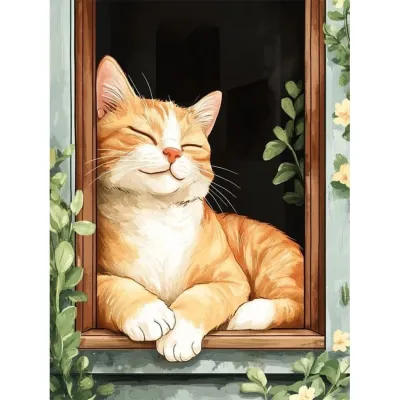
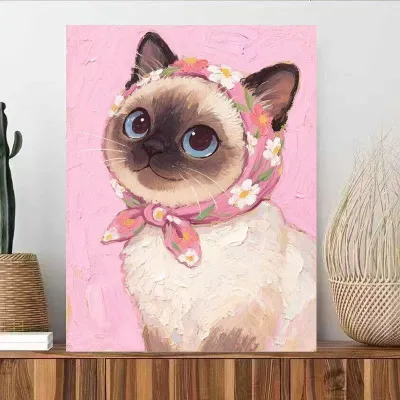
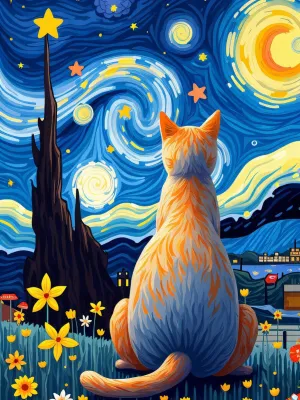
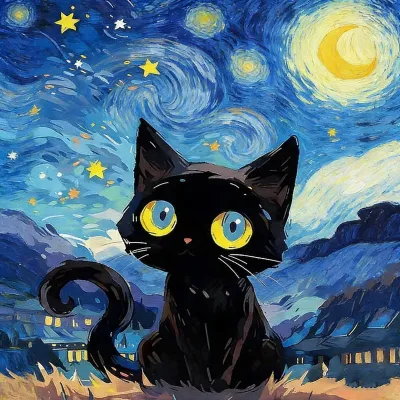
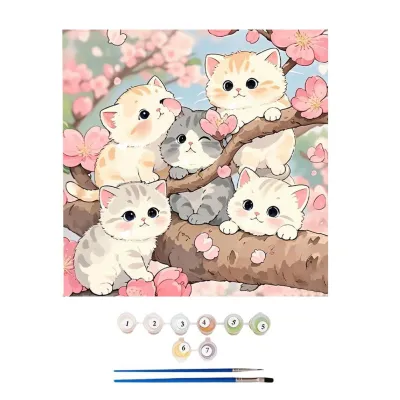
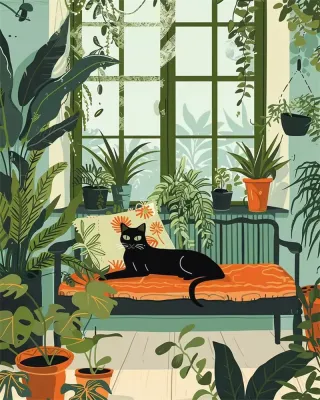
Prices are valid at publication and may change. Please refer to the product page for the latest price.
Material and Weave: Cotton, Linen, and Synthetic Blends
Linen is widely regarded as the premium standard for detailed paint by numbers kits. Derived from flax fibers, linen possesses naturally long, strong fibers that allow for an exceptionally tight, fine weave. This tight weave creates a remarkably smooth surface with minimal texture bumps, allowing your detail brushes to glide effortlessly without skipping. For intricate tabby stripes, calico patches, or the soft transition of a cat’s snout, a linen canvas provides the precision needed to keep your lines crisp and your blending seamless.
High-quality cotton serves as a reliable and highly popular mid-tier option. Cotton canvases offer a uniform texture that absorbs acrylic paint predictably, providing a classic painting experience. While cotton has a slightly more pronounced texture than linen, premium cotton canvases are woven tightly enough to prevent paint from bleeding across the printed boundary lines. This material is highly versatile and fits most stylized or moderately detailed cat designs perfectly.
Synthetic polyester blends or very coarse, low-grade cotton canvases are common in budget-tier kits. These materials often present a rough, uneven texture that causes significant brush drag, making it frustrating to execute the tiny, controlled strokes required for whiskers or eye reflections. Furthermore, synthetic fibers can feel slick or plasticky, which sometimes causes water-thinned acrylic paint to pool or slide rather than grip the surface cleanly.
Priming and Tension: Pre-primed and Pre-stretched Options
Before paint ever touches a canvas, the fabric must be treated with gesso, a primer that seals the fibers. A high-quality, multi-layer gesso priming job is essential for maintaining paint vibrancy. Without proper priming, the raw fabric acts like a sponge, absorbing the liquid binder from your acrylic paint and leaving the pigment sitting dry and dull on the surface. Well-primed canvases ensure that the paint remains on top of the fabric, preserving its true color, sheen, and coverage.
How the canvas is packaged and prepared also impacts your workflow. Rolled canvases are highly common and cost-effective to ship, but they often arrive with deep creases. Removing these creases requires careful preparation, such as ironing the back of the canvas on a low, dry heat setting with a protective cloth between the iron and the fabric. If you apply too much heat or moisture, you risk shrinking the canvas or distorting the printed outline grid.
Pre-stretched canvases, which come pre-mounted on rigid wooden stretcher bars, eliminate the preparation step entirely. They provide immediate, uniform tension across the entire surface, preventing the fabric from sagging under the weight of your hand. This stable, flat surface is highly beneficial when working on detailed cat portraits, as any sag in the canvas can cause your hand to slip or lead to inconsistent paint application.
Assessing Paint Vibrancy and Consistency for Realistic Fur
Acrylic paint quality is the second crucial element of a successful cat portrait. The paints included in your kit must offer the right balance of pigment concentration and physical consistency to allow for realistic fur textures.

Pigment Opacity and Coverage for Light Fur
One of the most common pain points in paint by numbers is working with light colors, such as white, cream, soft beige, or light grey. These shades are essential for painting a cat’s chest fur, whiskers, and eye highlights. However, because light pigments are naturally more translucent, budget-grade paints often fail to cover the dark printed numbers and boundary lines on the canvas.
Premium brands address this issue by formulating their acrylics with a high pigment-to-binder ratio. This dense formulation allows even light creams and whites to achieve complete, opaque coverage in just one or two coats. When the paint covers the numbers easily, you can maintain a flat, even paint layer across the canvas, preserving the clean boundaries of the design.
In contrast, budget kits frequently supply thin, translucent paints that require three or more layers to fully hide the underlying numbers. Applying multiple layers of thick paint can create an unwanted, heavy texture on the canvas. This excessive build-up can obscure the fine printed lines of adjacent details, making it incredibly difficult to paint clean, delicate fur transitions.
Paint Consistency and Drying Time for Blending
To achieve the soft, fluffy look of realistic cat fur, you will often need to blend adjacent colors slightly rather than leaving hard, stark lines between them. This technique requires paint with a creamy, buttery consistency. The paint should be thick enough to hold its shape on the brush tip without dripping, yet fluid enough to flow smoothly across the canvas without needing constant dilution with water.
Wet-on-wet blending also depends heavily on the paint’s drying time, often referred to as its “open time.” Premium acrylic paints are engineered to dry at a moderate, predictable pace. This slightly longer open time allows you to feather the edges of two wet colors together, creating the soft, gradient transitions typical of a cat’s shaded coat.
Budget paints are highly prone to drying out prematurely, sometimes skinning over inside their plastic pots before you have even finished half of your project. If you find your paints are too dry or thick, you can attempt to restore their consistency by adding a single drop of water or a specialized acrylic flow improver and stirring thoroughly. Always test the thinned paint on a scrap piece of paper first to ensure it has not lost its binding properties or become too translucent.
Decision Framework: Which Kit Tier Fits Your Project?
To choose the right paint by numbers kit for your specific project, evaluate your artistic goals, the complexity of the cat design, and how you plan to display the finished piece.
- Choose Premium/Professional-Tier Kits If:
- You are painting a highly detailed, realistic portrait of a specific cat breed, such as a fluffy Persian or a sleek Siamese.
- You want a gallery-ready piece of wall art with pre-stretched linen or heavy cotton that can be hung immediately.
- You require highly opaque, rich paints that cover guide numbers in a single pass to minimize repetitive layering.
- Typical Price Range: Premium kits generally sit in the higher price brackets, often ranging from S$40 to S$70, reflecting the cost of wooden frames, linen fabric, and superior pigments.
- Choose Mid-Tier/Standard Kits If:
- You are painting a stylized cat design, a colorful pop-art illustration, or a moderately detailed cartoon.
- You want a reliable, relaxing crafting experience on a quality cotton canvas.
- You do not mind taking the time to iron a rolled canvas before you begin painting.
- Typical Price Range: Mid-tier kits are highly accessible, usually priced between S$20 and S$35, offering a balanced mix of quality and value.
- Choose Budget/Entry-Level Kits If:
- You are buying a kit for a child, a beginner, or a casual weekend crafting session.
- The design is a simple, high-contrast cat silhouette or a basic pattern with large color blocks.
- You do not mind applying multiple coats of paint to cover the numbers or dealing with basic plastic brushes.
- Typical Price Range: Budget kits are widely available on online marketplaces, often costing under S$15.
- Verify Custom Pet Portrait Requirements First:
- If you are ordering a custom kit based on a personal photo of your own cat, color mapping and canvas resolution are critical.
- Before purchasing, verify the manufacturer's specific guidelines regarding photo resolution and lighting. A high-contrast, well-lit photo is essential for the software to generate an accurate paint map.
- Check customer reviews specifically for custom orders to see if the brand provides a sufficient volume of paint, especially for dominant background colors, and whether the final mapped colors accurately match real-life cat fur tones.
Finishing and Displaying Your Cat Artwork in Humid Climates
Once you have completed your painting, taking steps to protect and display your artwork will ensure it remains a beautiful part of your home decor for years to come. This is particularly important in tropical, high-humidity environments like Singapore, where moisture and intense ambient light can damage unprotected materials.
Applying a clear, UV-resistant acrylic varnish is highly recommended once your painting has cured completely, which typically takes one to two weeks. Varnish acts as a protective shield against dust, moisture, and UV-induced fading. For a professional finish, you can choose between a matte varnish to eliminate glare, a satin varnish for a soft sheen, or a gloss varnish to make the colors pop. In humid climates, always apply brush-on or spray varnish in a well-ventilated, air-conditioned room with stable humidity. Applying spray varnish on a rainy day or in high humidity can trap moisture under the coat, causing the varnish to dry with a cloudy, hazy appearance.
Framing your finished canvas will instantly elevate it into a polished piece of wall decor. If you painted on a pre-stretched canvas, a floating frame provides a clean, modern look by leaving a small gap between the canvas edge and the frame. For flat, rolled canvases, a traditional wood or metal frame paired with a mat board offers a classic gallery feel. Always measure the exact outer dimensions of your completed canvas before purchasing a frame, as minor stretching or trimming can alter the final size.
When hanging your framed cat portrait, safety and proper installation are paramount. Heavy wooden frames require sturdy hanging hardware, such as heavy-duty d-rings and wall anchors. If you are drilling into walls to mount your hanging hardware, always verify the location of internal utility lines. Use a reliable stud finder with live wire detection, and isolate the electrical power to that section of the wall before drilling to avoid accidental contact with hidden wiring. For heavy or complex installations, or if you are working at heights, consider hiring a qualified professional installer to ensure the artwork is securely anchored and safe from falling hazards.
Frequently Asked Questions (FAQ)
Do I need to buy extra white paint for light-coloured cat fur?
While premium kits generally provide high-opacity paints that are sufficient for the project, budget-tier kits often supply thin, translucent white and cream paints. If you are working on a budget kit featuring a white or light-colored cat, purchasing a small, separate tube of artist-grade titanium white acrylic paint is a smart, inexpensive upgrade. This high-quality paint will easily cover stubborn printed numbers on the canvas and can also be used to add crisp, opaque highlights to the cat’s whiskers and eyes.
Can I use my own cat photo for a custom paint by numbers kit?
Yes, many brands offer custom paint by numbers services where you can upload a photo of your own cat. The quality of the final painting depends heavily on the photo you provide and the brand’s color-mapping software. For the best results, upload a sharp, high-resolution photo with clear lighting that highlights your cat’s unique markings. Because custom kits are printed to order, the same quality rules apply: look for manufacturers that offer premium linen canvas options and high-pigment acrylic paints to ensure your custom portrait looks realistic.
Community discussion
Share your experience or ask a question. Comments are reviewed before publication.