
Selecting the right desk lighting in Singapore involves balancing visual comfort, desk space, and smart features. Panasonic table lamps are recognized for their consistent build quality and eye-care technologies. However, determining whether a Panasonic lamp represents the best value for your setup requires comparing it against a diverse landscape of modern lighting brands. Some users prioritize seamless smart home integration, while others seek high-end designer aesthetics or basic, budget-friendly utility. By evaluating how Panasonic aligns with these different priorities, you can make an informed decision that protects your eyes and complements your workspace.
When shopping for a table lamp in Singapore, you will encounter options ranging from traditional electronics brands to modern smart ecosystem devices and premium design pieces. The ideal choice depends on your daily habits, such as whether you spend long hours reading physical documents, typing on a glossy monitor, or drafting. This guide breaks down the essential comparison criteria, from optical performance to local safety certifications, helping you navigate the market with confidence.
Define Your Desk Lighting Needs Before Comparing
Before comparing brands, clarify how you intend to use the lamp and the physical limitations of your workspace. Desk lamps generally fall into two functional categories: focused task lighting and ambient lighting. Task lighting directs a concentrated beam onto a specific area, which is essential for reading, writing, or detailed crafting. Ambient lighting diffuses light across a wider area to reduce the harsh contrast between a bright screen and a dark room, minimizing eye strain during late-night computer sessions.
Products mentioned in this guide
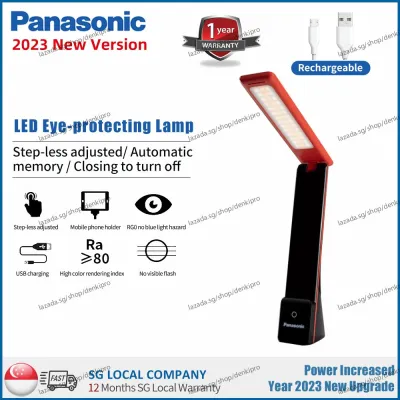
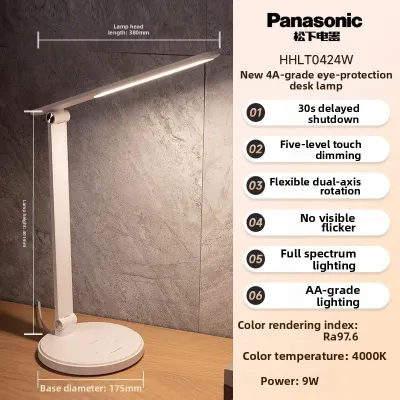
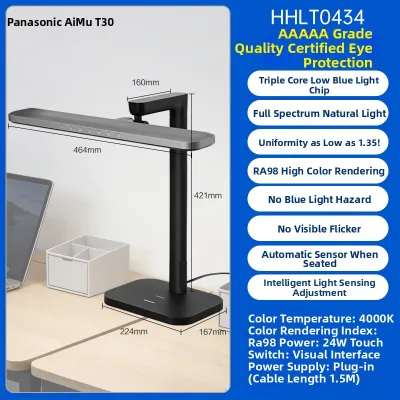
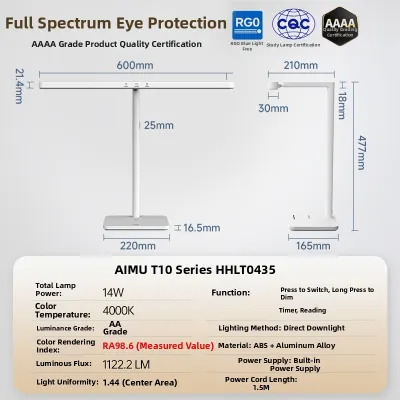
Prices are valid at publication and may change. Please refer to the product page for the latest price.
Physical space constraints on your desk heavily influence the form factor you choose. If you work on a compact study desk in a typical Singapore HDB flat or condominium, surface area is at a premium. A lamp with a heavy, wide base might clutter your workspace, making a clamp-on model or a slim-profile base a more practical choice. Measure your desk depth and monitor height to ensure the lamp’s arm can position the light source above or beside your screen without causing direct glare.
Another critical factor is the need for adjustable color temperature and brightness levels. Your lighting requirements change throughout the day; cool white light (around 5000K to 6500K) helps maintain focus during morning work sessions, while warm white light (around 2700K to 3000K) is gentler on the eyes in the evening. If your daily routine spans from early morning remote work to late-night reading, prioritizing a lamp with granular dimming and color-tuning capabilities is highly beneficial.
Key Features to Compare Across Any Brand
To objectively compare Panasonic with other brands, you must understand the technical and ergonomic specifications listed on product packaging. Optical performance is the most critical aspect of any eye-care lamp. When reviewing specifications, look for explicit mentions of flicker-free technology. Low-quality LED drivers can produce rapid, invisible flickering that leads to headaches and eye fatigue over extended periods. Additionally, check for glare-reduction features, such as honeycomb lenses or polarized diffusers, which redirect light to prevent harsh reflections.

The Color Rendering Index (CRI), denoted as Ra, measures how accurately a light source reveals the true colors of objects compared to natural sunlight. For general reading and office work, a CRI of Ra 80 or higher is standard, but if you work with digital design, textiles, or color-critical tasks, look for lamps offering Ra 90 or above. High-CRI lighting makes text sharper and colors more vibrant, reducing the cognitive effort required to distinguish fine details.
Ergonomics and adjustability determine how effectively you can direct light where it is needed. Evaluate the construction of the lamp’s arm and joints. A high-quality lamp should feature durable, tension-adjustable joints that allow you to tilt, rotate, and extend the lamp head without the arm sagging over time. The base must be heavy enough to prevent tipping when the arm is fully extended. If you share the desk with family members, multi-axis rotation is a vital feature to check.
Modern desk lamps also serve as utility hubs for your workspace. Many models incorporate integrated USB charging ports in the base, allowing you to charge devices without occupying extra wall sockets. Cable management features, such as routing clips along the lamp arm, help keep your desk tidy. Finally, consider the physical control interface; touch-sensitive sliders, physical rotary dials, and tactile buttons offer different levels of responsiveness when adjusting settings.
How Panasonic Compares to Different Brand Categories
Panasonic generally positions itself in the reliable, mid-to-high-range consumer electronics segment. Compared to other established electronics manufacturers, Panasonic lamps are highly regarded for their robust build quality and consistent optical performance. These brands focus on delivering stable, long-lasting products with straightforward physical controls, excelling in providing predictable, flicker-free illumination and highly durable hinges that withstand years of daily adjustment.
In contrast, comparing Panasonic to smart home ecosystem brands highlights a distinct trade-off between traditional reliability and modern convenience. Smart-focused brands design their lamps to integrate with home automation platforms, allowing you to control brightness, set schedules, and adjust color temperatures via mobile apps. While these features are appealing if you have a connected smart home, they require a stable Wi-Fi connection. Panasonic lamps rely primarily on physical touch panels, offering immediate, offline reliability without app setups.
When stacked against premium or designer lighting brands, the differences shift toward aesthetics and specialized optics. Premium designer brands use high-end materials like brushed aluminum, brass, or hand-blown glass, turning the lamp into a statement decor piece. These brands may also feature proprietary optical designs that cast incredibly uniform light paths. However, these premium models come with a significant price premium. Panasonic offers a more utilitarian value proposition, focusing on optical safety and functional durability rather than avant-garde design.
Compared to entry-level or generic budget brands, Panasonic represents a step up in both safety and performance. Budget lamps often cut corners on driver quality, leading to high flicker rates and poor color rendering. They may also use cheaper plastics that degrade under the heat generated by the LEDs. Investing in a Panasonic lamp ensures you are paying for tested optical safety and durable materials, making it a more cost-effective choice in the long run.
Checking Safety Standards and Local Compatibility
Because table lamps are active electrical appliances used in close proximity to your body, verifying safety standards and local compatibility is paramount. In Singapore, household electrical appliances must comply with strict safety regulations. When purchasing a lamp, look for the SAFETY Mark issued by Enterprise Singapore. This certification indicates that the product has been tested and approved for safe use under local electrical conditions, protecting your home from potential short circuits or overheating.
Voltage compatibility is another critical factor, especially when purchasing lamps online from international sellers. Singapore’s electrical grid operates at a standard voltage of 230V AC at a frequency of 50Hz. You must verify that the lamp’s power adapter is rated for this input. Using a lamp designed solely for 110V markets without a proper step-down transformer can permanently damage the device. Additionally, ensure the lamp comes with a compatible Type G plug to avoid relying on loose, uncertified travel adapters that can spark or overheat.
Finally, review the manufacturer’s warranty terms and the availability of local after-sales support. Purchasing from an authorized local distributor ensures you have access to a valid warranty, typically covering manufacturing defects for one to two years. If the lamp experiences an electrical fault or a joint failure, having a local service center in Singapore makes the repair or replacement process straightforward. Conversely, parallel-imported lamps or those bought directly from overseas ecommerce platforms may lack local warranty coverage.
Decision Framework: Choosing the Right Brand for Your Setup
To finalize your decision, match your primary workspace requirements against the strengths of each brand category. If your priority is a dependable, long-lasting study lamp with excellent eye-care features, straightforward physical controls, and local safety certifications, a Panasonic table lamp is an excellent fit. These lamps are highly suited for children’s study desks and home offices where reliable, daily performance is valued over smart home novelty.
If you want your desk lighting to adapt automatically throughout the day, sync with your computer monitor’s backlighting, or respond to voice commands, look toward smart-focused ecosystem brands. These models are ideal for tech-savvy users who appreciate automated routines, such as having the desk light turn on automatically when they start their work-from-home shift.
For those who view their desk lamp as a key design element in a carefully curated interior, a premium designer brand is the appropriate choice. These lamps elevate the visual appeal of your study or living room, using luxury materials and iconic silhouettes that double as art pieces. The aesthetic value and craftsmanship justify the higher investment for design-conscious buyers.
Before making any purchase, perform a physical compatibility check. Measure your desk’s surface area, check the thickness of your desk edge if you plan to use a clamp-on model, and verify that the lamp’s power cord is long enough to reach your nearest wall socket safely. Combining these physical checks with your functional priorities ensures you select a table lamp that enhances both productivity and well-being.
Frequently Asked Questions (FAQ)
Do Panasonic table lamps consume more electricity than other brands?
No, Panasonic table lamps do not inherently consume more electricity than other modern brands. To accurately compare power consumption, you should check the rated wattage (measured in watts, or W) printed on the product specification label or the power adapter. Most contemporary desk lamps, including those from Panasonic, utilize highly efficient LED technology. These LEDs typically consume between 5W and 15W of power at maximum brightness, which has a negligible impact on your monthly electricity bill regardless of the brand you choose.
Can I use smart bulbs in a standard Panasonic desk lamp?
Whether you can use a smart bulb depends entirely on the design of the specific Panasonic lamp model. Many modern Panasonic desk lamps feature integrated, non-replaceable LED panels rather than standard screw-in or bayonet bulb sockets. If your lamp has an integrated LED panel, you cannot swap the light source for a smart bulb. However, if you have a model with a standard socket (such as an E27 base), you can install a smart bulb, provided you do not exceed the maximum wattage limit printed on the fixture. Additionally, avoid using smart bulbs in lamps with built-in physical dimmer switches, as the dimming circuitry can conflict with the smart bulb’s internal electronics, causing flickering or damage.
Community discussion
Share your experience or ask a question. Comments are reviewed before publication.