
Choosing the right Paolo Santo incense variety involves matching the physical format, scent profile, and burn characteristics to your specific living space and daily routines. Whether you are looking to establish a calming meditation practice, mask household odors, or simply enjoy a warm, woody aroma in your home, the ideal choice depends on understanding how different formats release their fragrance. By evaluating burn times, ingredient labels, and spatial requirements, you can select a product that enhances your environment safely and effectively.
Understanding Incense Formats and Burn Times
Incense is available in several distinct physical formats, each offering a unique balance of burn duration, smoke volume, and ease of use. The most common varieties you will encounter are sticks, cones, and coils. Understanding these formats allows you to select an option that fits your available time and your tolerance for smoke.
Sticks are the most traditional and widely available format. They generally fall into two categories: cored sticks, which feature a wooden or bamboo inner core, and solid or dhoop sticks, which consist entirely of compressed incense paste. Cored sticks tend to burn more evenly and are structurally robust, but the burning wood core can introduce an underlying smoky note to the fragrance. Solid sticks, on the other hand, deliver a purer scent profile because they contain no wood core, though they can be more fragile and require specialized holders.
Products mentioned in this guide
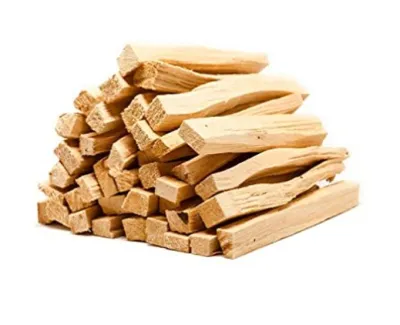
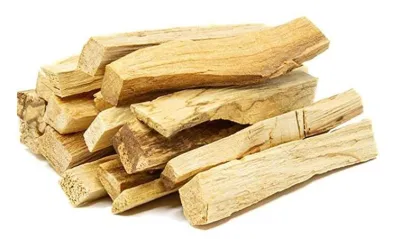
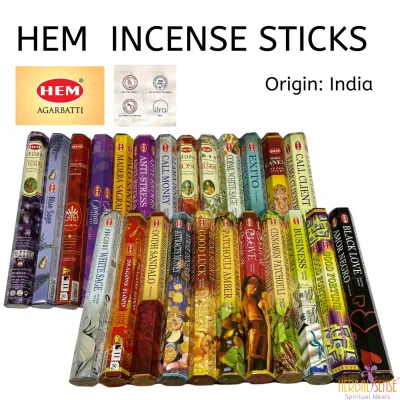
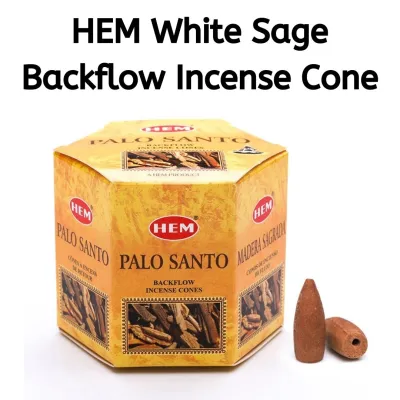
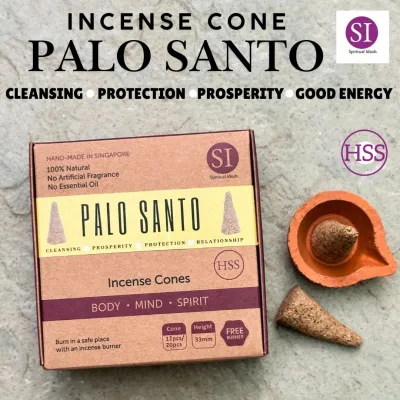
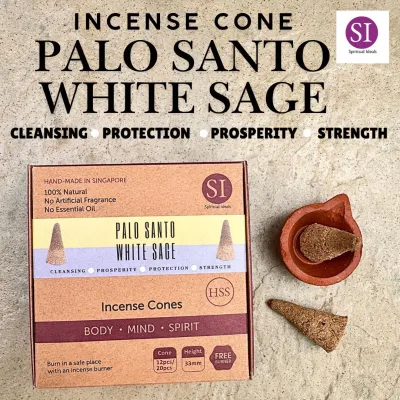
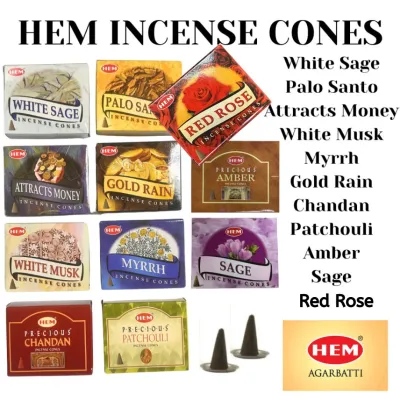
Prices are valid at publication and may change. Please refer to the product page for the latest price.
Cones offer a highly concentrated fragrance release. Because of their wide base, cones produce an increasing volume of smoke as they burn down, making them excellent for rapidly scenting a room. However, this concentrated burn means they typically have a shorter burn duration compared to sticks of a similar weight. Coils are designed for prolonged use, winding the incense paste into a spiral that burns slowly from the outer edge inward. This format is ideal for extended relaxation sessions or continuous ambient scenting over several hours.
To determine the exact performance of a specific product, always consult the manufacturer specifications printed on the packaging. Reputable brands list estimated burn times—which can range from twenty minutes for small cones to several hours for large coils—alongside smoke density ratings. If you prefer a subtle aroma with minimal residue, look for products explicitly labeled as low-smoke or micro-smoke. Balancing these trade-offs ensures you do not end up with a long-burning coil when you only have fifteen minutes for a quick grounding routine, or a high-smoke cone in a space where you prefer a delicate whisper of scent.
Decoding Scent Families and Ingredient Labels
The fragrance profile of Paolo Santo incense is rarely one-dimensional. While the core wood provides a distinct base, manufacturers frequently blend it with other botanical elements to create complex scent families. Identifying these families and understanding how to read ingredient labels is essential for finding a fragrance that aligns with your personal preferences and sensitivity levels.

Woody and resinous profiles are the most common, emphasizing the natural, warm, and slightly sweet character of the raw material. These are often complemented by herbal notes like sage or lavender, which add a refreshing, clean dimension to the air. For a softer, more delicate atmosphere, floral-infused blends incorporate ingredients like rose or jasmine, balancing the deep wood tones with lighter, sweet top notes. Recognizing these primary scent families in product descriptions helps you narrow down your choices before making a purchase.
When evaluating different brands, pay close attention to the ingredient list to distinguish between natural components and synthetic fragrance compounds. High-quality incense typically utilizes natural ground wood, plant resins, and pure essential oils. These ingredients release a nuanced, organic aroma that evolves gently as it burns. Conversely, synthetic fragrances are chemically formulated to mimic natural scents. While they often provide a highly consistent and potent aroma, they can sometimes smell harsh or artificial, and they may release different combustion byproducts into your living space.
Reading the label also allows you to check for potential allergens or specific botanical components. If you have known sensitivities to certain plants, pollen, or essential oils, verifying the exact ingredients is a crucial safety step. Look for manufacturers that provide transparent ingredient disclosures rather than vague terms like “fragrance” or “perfume.” This transparency is particularly important if you plan to burn incense regularly, as it ensures you know exactly what substances are being dispersed into your home environment.
Matching Incense to Your Space and Intended Use
Selecting the right incense is not just about personal scent preference; it also requires assessing the physical characteristics of the room where you plan to burn it. Different spaces demand different scent intensities and smoke levels to maintain a comfortable and pleasant atmosphere.
For intimate, quiet spaces like bedrooms, study rooms, or dedicated meditation corners, lighter and more subtle scent profiles are highly recommended. A heavy, intense fragrance in a small room can quickly lead to olfactory fatigue, causing headaches or sensory overload. Opt for low-smoke solid sticks or gentle herbal blends that provide a faint, calming background aroma. This subtle presence supports relaxation and focus without dominating the physical space.
In contrast, larger living areas, open-plan dining spaces, or entryways can accommodate stronger, more robust resinous or earthy scents. These larger volumes of air require a more potent fragrance release to distribute the scent effectively. If you are using incense for odor masking or to establish a grounded, welcoming atmosphere in a high-traffic area, cones or cored sticks with a higher smoke output are well-suited to the task. The active airflow in larger rooms helps disperse the smoke, preventing it from becoming overly dense in any single spot.
Ventilation is a critical factor that must never be overlooked, particularly in compact urban homes, such as typical apartments in Singapore where cross-ventilation might be limited. Always ensure there is a steady supply of fresh air by cracking a window or keeping an interior door open while burning incense. If you are burning incense in a smaller or poorly ventilated room, prioritize micro-smoke or low-smoke options to prevent the accumulation of particulate matter. Additionally, check the product packaging for any specific room size recommendations or usage guidelines provided by the manufacturer to ensure safe and comfortable enjoyment.
Essential Checks Before Purchasing
Before finalizing your purchase, performing a few practical checks will ensure that your new incense is compatible with your existing home accessories and can be used safely. Taking the time to verify these details prevents damage to your furniture and minimizes household hazards.
First, verify the compatibility of your burner or holder with the specific format of incense you are buying. A standard stick holder with a small hole may not accommodate thicker, solid dhoop sticks, while a flat ceramic plate designed for cones will not catch the falling ash from a long cored stick. Ensure your ash catcher is long and wide enough to capture all falling debris, preventing hot embers from contacting your tabletop. For cones and coils, always use a dedicated burner equipped with a heat-resistant pad or a metal stand to protect the underlying surface from intense heat transfer.
Second, carefully review the manufacturer’s safety instructions regarding burn clearances and placement. Incense should always be placed on a stable, level, and heat-resistant surface, well away from drafty areas, open windows, air conditioning vents, and flammable materials like curtains, books, or loose paper. Never leave burning incense unattended, and ensure it is completely extinguished before leaving the room or going to sleep.
Finally, check the product’s storage requirements and shelf-life indicators. Incense is sensitive to environmental conditions, and improper storage can lead to a loss of fragrance or difficulty in lighting the product. Look for packaging that is resealable or plan to transfer your purchase to airtight containers. Verifying these details ensures that your incense arrives fresh, remains potent over time, and can be enjoyed safely within your home. You can easily compare options and check prices in S$ on local online marketplaces to find the right fit for your budget.
Frequently Asked Questions (FAQ)
How should I store incense to preserve its scent?
To maintain the fragrance integrity of your Paolo Santo incense and prevent it from degrading, proper storage is essential. We recommend keeping your incense in airtight containers, such as glass jars or resealable metal tins, or retaining them in their original sealed packaging. This prevents the volatile essential oils from evaporating and protects the dry materials from absorbing ambient moisture.
In tropical climates like Singapore, high humidity and heat can quickly degrade the quality of your incense, making it damp and difficult to light. Store your containers in a cool, dry place away from direct sunlight, wardrobes near external walls, or heat-generating appliances. Additionally, always store different scent families in separate containers. Keeping floral, woody, and herbal varieties isolated prevents the aromas from cross-contaminating, ensuring each variety retains its distinct, intended scent profile.
Can I use Paolo Santo incense around pets?
When using any scented product around pets, safety and caution must be your primary concerns. Animals have highly sensitive olfactory systems, and certain essential oils or botanical components commonly used in incense can be toxic to dogs, cats, or birds. Carefully review the ingredient list of your chosen Paolo Santo blend to ensure it does not contain substances known to cause adverse reactions in your specific pets.
Always burn incense in a well-ventilated room and ensure your pet has an unobstructed escape route to leave the area if the scent becomes overwhelming. Never confine a pet to a small, enclosed room where incense is burning. Observe your pet’s behavior closely during and after use; if you notice signs of respiratory irritation, coughing, watery eyes, or unusual lethargy, extinguish the incense immediately, move your pet to fresh air, and consult a qualified veterinarian.
Community discussion
Share your experience or ask a question. Comments are reviewed before publication.