
The crisp, juicy aroma of a freshly sliced pear is one of the most sought-after scents for creating a bright, uplifting indoor environment. However, when shopping for this specific scent, you must first understand a basic botanical reality: true “pear essential oil” does not exist in commercial aromatherapy. Pears have an incredibly high water content and do not possess the volatile oil glands required for steam distillation or cold pressing. Any product sold under this name is actually a formulated fragrance oil, a natural aroma blend composed of individual plant isolates, or a synthetic aromatic compound designed to mimic the fruit’s natural scent profile.
Because pear scents are engineered rather than extracted directly from a single plant, their physical properties vary wildly between brands. The “best” brand for your home is not a single, universal winner; instead, it is the one whose viscosity, carrier base, and chemical composition perfectly match the mechanical design of your specific diffuser. Using the wrong type of pear formulation can lead to poor scent throw, a weak aromatic profile, or even permanent mechanical damage to your device.
To achieve the ideal scent performance, you must align the physical properties of the oil with your diffuser’s vaporization method. Ultrasonic diffusers are highly versatile and handle most standard water-soluble formulations. Nebulizing diffusers require ultra-thin, pure aroma compounds with absolutely no heavy carrier oils to prevent clogging. Heat-based and evaporative diffusers are highly forgiving of thicker, viscous synthetic oils but will alter the delicate, fresh qualities of the pear scent itself. Understanding these physical interactions is the key to selecting the right product for your space.
Products mentioned in this guide
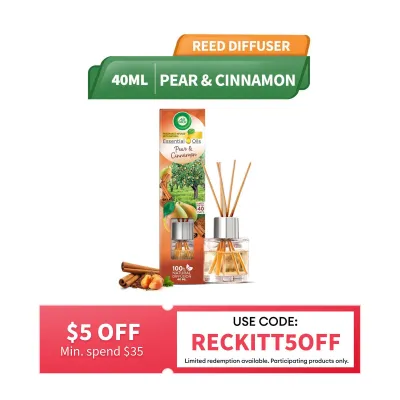
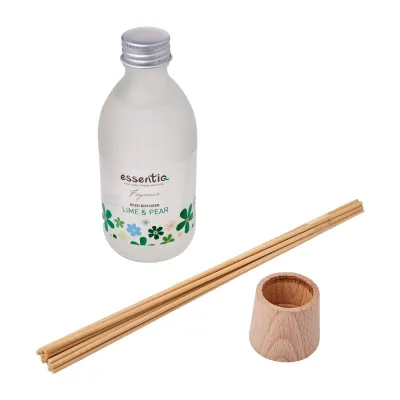
Prices are valid at publication and may change. Please refer to the product page for the latest price.
How Diffuser Mechanisms Affect Pear Scent Throw
Different diffuser technologies interact with the physical properties of fragrance oils in distinct ways. The density, viscosity, and volatility of the pear formulation determine how effectively the scent is dispersed into the air and how long it remains perceptible in your living space.
Ultrasonic Diffusers (Water-Based)
Ultrasonic diffusers utilize a small ceramic transducer plate at the bottom of a water reservoir. When electricity is applied, this plate vibrates at an ultrasonic frequency, typically between 1.6 and 2.4 million times per second. These rapid vibrations create micro-cavitation bubbles in the water, which burst and release a fine, cool mist of water droplets and suspended oil molecules into the surrounding air.
This mechanism is highly compatible with most commercial pear fragrance oils. Because the oil is suspended in a large volume of water, the overall viscosity of the mixture is extremely low, allowing the ultrasonic plate to vaporize the liquid easily. However, because oil and water do not naturally mix, heavier synthetic pear formulations may float on the water’s surface. If you notice the scent throw weakening after an hour, a gentle swirl of the water tank can help re-disperse the oil for a more consistent aromatic output.
In Singapore’s tropical climate, indoor spaces are frequently subjected to continuous air conditioning, which strips moisture from the air and lowers indoor relative humidity. The cool mist emitted by an ultrasonic diffuser acts as a localized micro-humidifier. This added moisture interacts beneficially with the dry, cooled air, helping the volatile pear scent molecules cling to the water droplets and linger longer in the room rather than evaporating instantly into the dry air-conditioned environment.
Nebulizing Diffusers (Pure Oil)
Nebulizing diffusers operate without water or heat, utilizing Bernoulli’s principle to deliver a highly concentrated aromatic experience. A high-velocity stream of pressurized air is forced through a microscopic nozzle, creating a localized vacuum. This vacuum draws pure, undiluted oil up a narrow feed tube and atomizes it directly into a dry, ultra-fine vapor that disperses rapidly throughout the room.
Because this process relies on forcing liquid through microscopic glass or metal tubes, nebulizers are exceptionally sensitive to oil viscosity. Many commercial pear fragrance oils are formulated with heavy synthetic bases or carrier oils, such as dipropylene glycol (DPG), isopropyl myristate (IPM), or fractionated coconut oil, to stabilize the volatile scent compounds and lower production costs. These thick carrier bases cannot be atomized by a nebulizer; instead, they cling to the interior walls of the micro-tubes, creating a sticky blockage that strains the motor and can permanently damage the pump mechanism. If you use a nebulizer, you must verify that the pear oil brand explicitly states its product is a 100% pure aroma compound, free of carrier oils and solvents.
When paired with the correct water-thin oil, a nebulizing diffuser delivers the strongest, most authentic pear scent throw possible. Because there is no water dilution, the crisp, green, and juicy top notes of the pear are preserved perfectly, making this setup ideal for large, open-concept living areas. However, this high performance comes with a trade-off: nebulizers consume oil at a much faster rate than other methods, resulting in higher ongoing operating costs.
Heat and Evaporative Diffusers
Heat-based diffusers, such as candle-lit ceramic burners or electric wax and oil warmers, rely on thermal energy to increase the vapor pressure of the oil, causing it to evaporate into the air. Evaporative diffusers use a simple fan to blow ambient air across a pad saturated with oil, relying on natural evaporation to carry the scent.
These systems are highly forgiving of physical oil properties. Because heat naturally reduces the viscosity of liquids, heated diffusers can easily vaporize thick, synthetic pear fragrance oils, heavy carrier bases, and highly viscous natural-identical blends. This makes them a highly accessible and cost-effective option for casual home fragrancing, as you do not need to worry about mechanical clogging or strict compatibility guidelines.
However, thermal evaporation significantly alters the delicate scent profile of pear. The fresh, crisp, and green top notes of a pear fragrance are highly volatile and possess low boiling points. When subjected to heat, these top notes flash off almost immediately, leaving behind the heavier, sweeter, and more resinous base notes of the formulation. This thermal degradation can transform a bright, realistic pear scent into a heavy, sugary aroma that smells more like cooked pear syrup or baked fruit, which may not appeal to those seeking a fresh, realistic fruit profile.
Decoding Pear Oil Labels: Essential vs. Fragrance Oils
Navigating the marketing terminology on aromatherapy labels is crucial for protecting your diffuser hardware and ensuring a safe inhalation environment. Because true pear essential oil does not exist, you must learn to read ingredient lists and product descriptions with a critical eye.

When a bottle is labeled “Pear Essential Oil,” it is often a marketing shorthand for a natural blend or a synthetic fragrance. True essential oils are pure, unadulterated botanical extracts. To recreate the scent of pear naturally, some brands blend essential oils of other plants—such as sweet orange, bergamot, and Roman chamomile—with natural isolates like hexyl acetate (a naturally occurring ester that provides a green, pear-like aroma). Other brands use synthetic fragrance oils, which are constructed in a laboratory using synthetic aromatic compounds. Both types are safe for home fragrancing when used correctly, but they require different handling based on your diffuser type.
If you are using a nebulizing diffuser, you must inspect the label for absolute purity. Look for terms such as “100% pure aroma compounds,” “solvent-free,” or “specifically formulated for nebulizers.” Avoid any product that lists carrier oils on the ingredient deck, including:
- Fractionated Coconut Oil (MCT)
- Jojoba Oil
- Grape Seed Oil
- Sweet Almond Oil
These carrier oils are excellent for topical skin application but are disastrous for nebulizer nozzles. If the label is vague or simply lists “fragrance” without specifying the carrier, it is highly likely to contain a glycol or oil base that will clog a nebulizer.
For ultrasonic and heat-based diffusers, your primary concern is water solubility and plastic safety. Look for labels that specify “water-soluble fragrance oil” or “diffuser-safe formulation.” These products typically use light solvents like dipropylene glycol (DPG) or alcohol-free solubilizers that disperse evenly in water and will not degrade the plastic water tank of your device.
Never use thick, resinous cosmetic perfume oils, body sprays, or traditional reed diffuser refills in any electrical diffuser. These products contain cosmetic fixatives, heavy polymers, and high concentrations of alcohol designed to adhere to skin or evaporate slowly through wooden reeds. Aerosolizing these heavy cosmetic ingredients can pose respiratory irritation risks and will rapidly degrade the plastic tanks of ultrasonic units or seize the motors of nebulizers.
Decision Framework: Which Pear Oil Fits Your Setup?
To simplify your purchasing decision, use this conditional framework to match your specific hardware, room environment, and aromatic preferences to the correct pear oil formulation.
Choose a water-thin, 100% pure pear aroma blend if:
- Your Hardware: You own a nebulizing diffuser.
- Your Environment: You want to scent a large, open-concept living room or office space with high airflow.
- Your Scent Preference: You demand an exceptionally realistic, crisp, and fresh pear aroma with highly defined green top notes.
- The Trade-off: This option carries a higher purchase price and consumes oil rapidly, requiring more frequent refills.
Choose a standard pear fragrance oil (with a light base) if:
- Your Hardware: You use a water-based ultrasonic diffuser.
- Your Environment: You want to scent a bedroom, study, or enclosed space, especially in an air-conditioned room where a touch of added moisture is beneficial.
- Your Scent Preference: You prefer a softer, more gradual release of fragrance that remains consistent over several hours.
- The Trade-off: The scent throw is less intense than a nebulizer, and you may occasionally need to stir the water reservoir to prevent the oil from separating and floating on top.
Choose a thicker, heat-stable pear fragrance oil if:
- Your Hardware: You use a candle-powered ceramic burner, an electric wax warmer, or a simple evaporative fan diffuser.
- Your Environment: You are fragrancing a small, cozy space and prefer a highly cost-effective setup.
- Your Scent Preference: You enjoy warm, sweet, or spiced scent profiles, such as baked pear or pear-vanilla blends, and do not mind the loss of fresh, green top notes.
- The Trade-off: The heat will alter the fragrance profile, making it smell significantly sweeter and heavier than the fresh fruit.
Verify first if:
- The Label is Vague: If the brand does not clearly state the ingredients or compatibility of their pear oil, do not risk using it in a nebulizer.
- Testing for Carriers: You can perform a simple paper test to check for hidden carrier oils. Place a single drop of the pear oil onto a sheet of clean white paper and allow it to dry for 24 hours. If the drop evaporates completely without leaving a greasy, translucent ring, it is a pure, volatile aroma compound safe for nebulizers. If a prominent greasy ring remains, the oil contains a carrier base and must only be used in ultrasonic or heat-based diffusers.
- Seeking Technical Data: For high-end diffusers, check the manufacturer's official website or contact their customer support to verify if a specific brand of fragrance oil is approved for use with your model to avoid voiding your warranty.
Cleaning and Maintaining Your Diffuser After Use
Because pear fragrance oils are formulated blends rather than single-source plant extracts, they often leave behind sticky, sweet residues as their lighter aromatic components evaporate. If allowed to accumulate, these residues can harden, attracting dust and clogging the delicate vaporization mechanisms of your device.
Routine Cleaning for Ultrasonic Diffusers
To prevent residue buildup on the ultrasonic ceramic plate, clean the water tank after every few uses or whenever you switch to a different scent. Always begin by isolating the power supply; unplug the adapter from the wall outlet and disconnect the power cord from the base of the unit.
Pour out any remaining water from the side of the tank opposite the air outlet. This is a critical step, as allowing water to flow into the air vent will damage the internal electronics. Wipe the interior of the water tank with a soft microfiber cloth damp with warm water and a single drop of mild dish soap. Never use abrasive scrubbers or metal tools on the ceramic transducer plate at the bottom of the tank, as scratching this plate will permanently reduce the unit’s misting output. Rinse the tank thoroughly with clean water, ensuring no water enters the air vent, and dry the unit completely with a clean cloth before plugging it back in.
Deep Cleaning for Nebulizing Diffusers
Because nebulizers process pure, undiluted oils, they require regular deep cleaning to prevent the micro-tubes from becoming completely blocked by sticky pear fragrance residues. Unplug the device from the electrical outlet before performing any maintenance.
Remove the glass or metal reservoir from the diffuser base. Pour out any remaining pear oil. Add a small amount of high-purity isopropyl alcohol (rubbing alcohol, 90% or higher) into the reservoir, swirling it gently to coat the interior walls. Reattach the reservoir to the base, plug the unit in, and run the nebulizer for 5 to 10 minutes. This process allows the alcohol to pass through the micro-nozzles, dissolving any stubborn, sticky residue inside the feed tubes.
Always observe strict safety boundaries when handling isopropyl alcohol. Isopropyl alcohol is highly flammable; ensure the device is operated far away from open flames, such as candles, gas stoves, or incense. Perform this cleaning cycle in a well-ventilated room to avoid inhaling concentrated alcohol vapors. Once the cycle is complete, unplug the unit, pour out any remaining alcohol, and allow the reservoir to air-dry completely before adding fresh pear oil.
When to Stop and Seek Help
If you notice that your diffuser’s motor is making a strained, high-pitched, or buzzing noise, or if the mist output drops significantly despite thorough cleaning, stop using the device immediately. Do not attempt to force the mechanism or insert sharp objects, such as sewing needles or pins, into the micro-nozzles of a nebulizer or onto the ceramic plate of an ultrasonic unit, as this will cause irreparable mechanical damage. Unplug the device from the wall outlet and consult the manufacturer’s instruction manual or contact a qualified professional for technical support.
Frequently Asked Questions (FAQ)
Can I use pear perfume or body spray in my diffuser?
No, you should never use commercial perfumes or body sprays in any type of aromatherapy diffuser. Perfumes are formulated with high concentrations of cosmetic-grade alcohol, synthetic fixatives, and heavy oils designed to make the scent adhere to human skin. When aerosolized by a diffuser, these chemical fixatives can irritate your respiratory tract when inhaled. Furthermore, the solvents and synthetic resins in perfumes will chemically attack and melt the plastic water tanks of ultrasonic diffusers, or quickly clog and ruin the microscopic jets of a nebulizing diffuser.
Why does my pear oil smell different after an hour in the ultrasonic diffuser?
This shift in aroma is a natural result of physical evaporation and fragrance structure. Pear fragrance formulations are composed of highly volatile top notes, which provide the fresh, green, and juicy scent of the fruit, and heavier, less volatile base notes, such as vanilla, musk, or amber, which are used to anchor the sweet aroma. When you turn on an ultrasonic diffuser, the highly volatile top notes evaporate rapidly, filling the room with a realistic pear scent. Over time, as the water level drops and the remaining oil warms slightly from the mechanical action of the transducer, the lighter top notes are exhausted, leaving behind the heavier base notes. This physical separation causes the scent profile to transition from a fresh, crisp fruit aroma to a warmer, sweeter, or muskier scent after an hour of continuous operation.
Community discussion
Share your experience or ask a question. Comments are reviewed before publication.