
Choosing the perfect penguin figurine to adorn your living space involves more than simply picking an appealing design. The ideal material—whether it is versatile resin, classic ceramic, or organic wood—depends entirely on your specific display conditions, aesthetic preferences, and how much time you wish to spend on maintenance. Each material brings distinct physical properties, visual weights, and care requirements to your shelving, mantels, or display cabinets. By understanding how these materials behave in your home environment, you can select a decorative piece that remains beautiful and structurally sound for years to come.
When selecting a figurine, you must balance the visual appeal of the material with its practical longevity. A delicate ceramic piece might look stunning on a high, secure shelf but pose a risk in a busy household with pets or young children. Conversely, a hand-carved wooden penguin offers warmth and texture but requires specific environmental conditions to prevent warping. Resin provides incredible detail and durability but may lack the traditional prestige of kiln-fired clay or hand-sculpted timber. Evaluating these trade-offs beforehand ensures your investment brings lasting joy.
Core Characteristics of Resin, Ceramic, and Wood
Resin is a synthetic polymer material highly favored in modern decor manufacturing for its exceptional versatility and liquid-to-solid casting process. This fluidity allows manufacturers to capture incredibly fine details, from the delicate texture of penguin feathers to intricate facial expressions and dynamic poses. Resin figurines can be mixed with stone powder (often called polyresin) to add weight and a more substantial feel. When purchasing a resin penguin, always check the manufacturer labels for specific coating types and material blends, as some formulations are designed to mimic bronze, marble, or wood, while others feature vibrant, hand-painted acrylic finishes.
Products mentioned in this guide
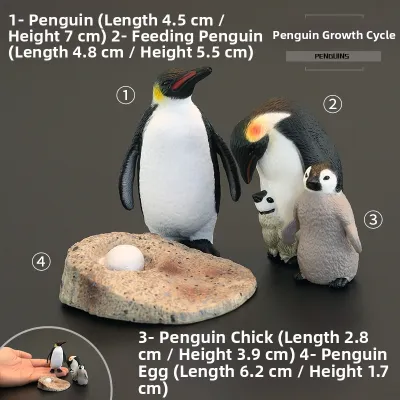
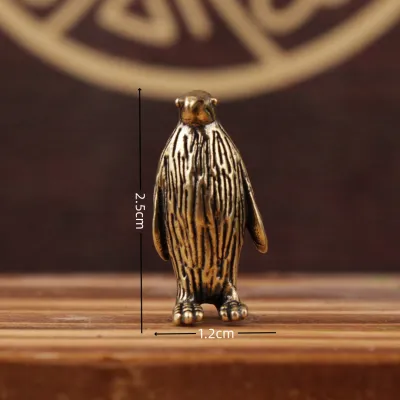
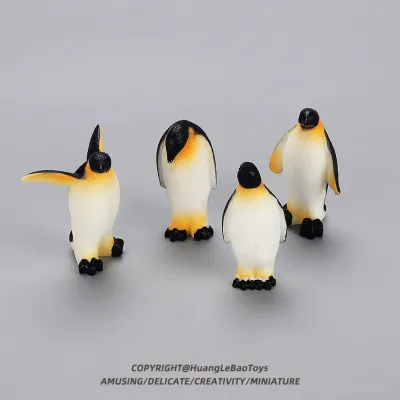
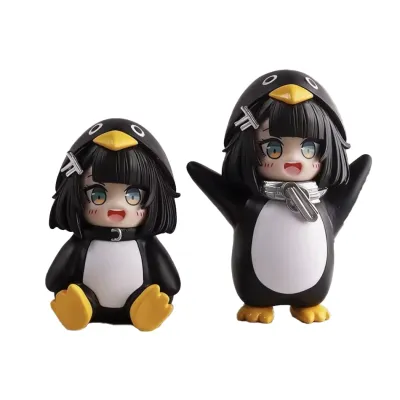


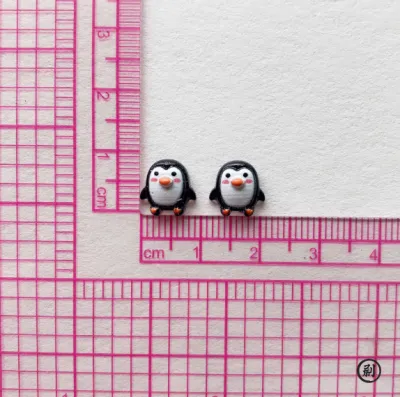
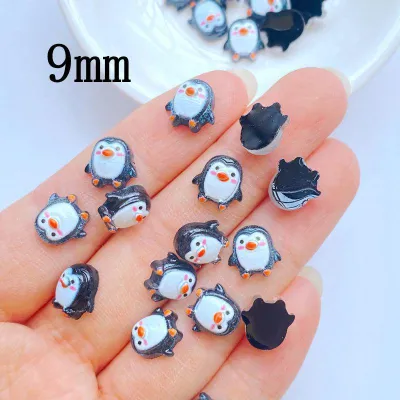
Prices are valid at publication and may change. Please refer to the product page for the latest price.
Ceramic figurines represent a traditional, time-honored art form that brings an organic yet refined presence to your home. Made from clay fired at high temperatures in a kiln, ceramic pieces are characterized by their inherent weight and solid structural feel. They can feature a wide variety of finishes, ranging from highly reflective, glassy glazes to matte, unglazed bisque textures. Because of the firing process, each ceramic piece possesses unique structural qualities, but this also introduces a level of fragility. It is highly recommended to verify fragility warnings on the packaging and thoroughly inspect the structural integrity of the figurine upon delivery, checking for hairline cracks or glaze imperfections.
Wood figurines offer a warm, rustic, and deeply tactile aesthetic that synthetic materials cannot fully replicate. Each wooden penguin figurine is unique, showcasing natural grain variations, knots, and carved textures that tell the story of the material’s organic origin. These sculptures can be hand-carved from single blocks of timber or machine-milled and hand-finished. When selecting a wooden figurine, it is crucial to check the product specifications for the finish type, such as whether the wood is sealed with a protective varnish, oiled, or left raw. This detail determines how well the surface is protected against environmental factors and dictates your long-term care routine.
Evaluating Durability and Care Requirements
Maintaining the pristine appearance of your penguin figurine requires adhering to material-specific cleaning protocols. For general maintenance, a light dusting with a dry, soft microfiber cloth or a soft-bristled brush is usually sufficient for all three materials. However, before using any liquid cleaners, wood polishes, or abrasive cloths, you must check the product care labels or manufacturer guidelines. Liquid cleaners can strip the protective sealant off a wooden figurine, dissolve the delicate paint on a resin piece, or seep into unglazed portions of a ceramic sculpture, causing permanent staining or discoloration.

Physical impact and handling risks vary significantly among these materials, making placement a key safety consideration. Ceramic is highly brittle; a fall from a shelf onto a hard floor will almost certainly result in shattering, making it unsuitable for low, high-traffic ledges. Resin is more impact-resistant and can withstand minor bumps, but it is still prone to chipping or snapping along thin, protruding parts. When performing a visual inspection of any figurine before placement, look closely for structural weak points such as thin beaks, outstretched flippers, or narrow bases, and handle these areas with extreme care. Wood is the most impact-resistant of the three, resisting shattering, though it can still suffer from dents or scratches if dropped.
Environmental sensitivity is another critical factor, particularly in tropical climates like Singapore, where high humidity and intense sunlight are common. Direct sunlight can cause vibrant paint on resin to fade and can dry out wood, leading to unsightly cracks. High humidity levels can penetrate unsealed wood, causing it to swell, warp, or develop mold, while also potentially weakening the adhesives used in multi-part resin assemblies. To protect your investment, always check the manufacturer’s guidelines regarding exposure to direct sunlight, high humidity, or rapid temperature fluctuations, and position your figurines away from open windows, air conditioning vents, or damp areas.
Assessing Aesthetic and Spatial Fit
The way a figurine interacts with light significantly influences its visual impact within a room. A glossy, glazed ceramic penguin will sharply reflect both ambient daylight and artificial spotlights, creating bright highlights that draw the eye and make the space feel dynamic. On the other hand, a matte wooden figurine absorbs light, offering a soft, subdued appearance that enhances a cozy, warm atmosphere. Resin figurines can behave either way depending on their painted finish; a matte-painted resin piece will mimic the soft look of stone, while a high-gloss clear coat will replicate the sheen of ceramic. Observing product photos or conducting an in-store inspection under different lighting conditions can help you visualize how the piece will look in your home.
Before finalizing your purchase, you must verify the figurine’s exact dimensions and weight against the load capacity and depth of your intended display surface. Heavy ceramic or stone-filled resin figurines require sturdy, level surfaces and may not be suitable for delicate glass shelves or narrow, wall-mounted display units. If you plan to mount your figurine on a floating shelf or a suspended display, always follow the manufacturer’s installation instructions to ensure the shelf is securely anchored. For any suspended loads or complex wall installations, consult a qualified professional to prevent falling hazards and structural damage. Additionally, if your penguin figurine features integrated LED lighting, verify the voltage compatibility, interface type, wattage limits, and electrical safety certifications before connecting it to a power source.
Style cohesion is about matching the material’s inherent texture and finish with your broader interior design theme. A sleek, white glazed ceramic penguin fits seamlessly into minimalist, modern, or contemporary spaces, adding a touch of elegance without visual clutter. A hand-carved wooden penguin, with its rich grain and earthy tones, complements Scandinavian, rustic, or bohemian decor, bringing a sense of nature indoors. Resin figurines, with their endless variety of colors and styles, can be selected to match almost any theme, from playful and colorful children’s rooms to sophisticated, metallic-finished study spaces. Treat these stylistic pairings as conditional preferences to guide your choice rather than rigid, universal rules.
Decision Framework: Choosing Your Penguin Figurine
To finalize your decision, use this conditional framework to match your practical needs and aesthetic goals with the right material:
- Choose resin if: You prioritize intricate detailing, lightweight handling, and specific painted colorways, and you have verified that the protective coating is suitable for your indoor display environment.
- Choose ceramic if: You prefer a classic, substantial feel with a smooth, reflective glazed finish, and you have a secure, low-traffic display area away from edges where the figurine is safe from accidental impacts.
- Choose wood if: You value natural textures, organic grain patterns, and a warmer, rustic aesthetic, and you are willing to accommodate the specific dusting and humidity-control requirements of the wood's finish.
- Verify first if: The figurine is intended for outdoor use, high-humidity areas, or requires specific safety certifications for placement in children's rooms. If you plan to install a figurine in a damp area like a bathroom, or if you are mounting a heavy sculpture on a wall, always prioritize safety by checking moisture resistance and consulting a qualified professional for secure installation.
Frequently Asked Questions (FAQ)
How can I tell if a painted resin figurine is safe for a child's room?
To determine if a painted resin penguin figurine is safe for a child’s room, you should carefully check the product packaging or the manufacturer’s official website for non-toxic paint certifications and age-grade warnings. It is important to remember that decorative figurines are generally designed as ornamental items rather than toys. Consequently, they are rarely subjected to the rigorous safety testing required for children’s playthings. To ensure safety, always place decorative resin figurines on high shelves well out of reach of young children, preventing any risk of accidental swallowing, chipping, or chewing.
Does the material affect the price of a penguin figurine?
The material of a penguin figurine does influence its cost, but it is rarely the sole determining factor. Instead, retail prices are typically driven by a combination of craftsmanship, brand reputation, physical size, and the complexity of the production method. For instance, a mass-produced ceramic figurine may be highly affordable, whereas a limited-edition, hand-painted resin sculpture or a hand-carved wooden piece created by an artisan can command a premium. To find a piece that fits your budget, advise comparing specific product specifications and checking current retailer listings for accurate S$ pricing.
Can I display a wooden penguin figurine in a bathroom?
Displaying a wooden penguin figurine in a bathroom is generally not recommended unless the wood has been specifically treated and sealed for high-humidity environments. The high moisture and steam typical of bathrooms can easily penetrate unsealed or poorly finished wood, leading to warping, cracking, or mold growth over time. Before placing any wooden item in a damp area, check the manufacturer’s care instructions for specific humidity tolerances. If the item’s finish and moisture resistance are unknown, it is best to display it in a dry room or consult the seller or a professional wood finisher for advice on applying a protective, moisture-resistant sealant.
Community discussion
Share your experience or ask a question. Comments are reviewed before publication.