
While Philips is a highly reputable brand known for reliable build quality and consistent light output, it is not the single definitive choice for every bedroom. The ideal bedside lamp depends on your specific priorities, such as whether you require seamless integration with an existing smart home system, a particular design aesthetic to match your bedroom decor, or a budget-friendly option for a guest room. To find the right fit, you must evaluate several key performance and physical characteristics rather than relying solely on brand reputation.
How to Evaluate Bedside Lamps for Your Bedroom
Light quality is paramount for a bedroom environment. When browsing options, check the packaging or product specifications for the color temperature, measured in Kelvin (K). For a relaxing, sleep-conducive atmosphere, look for warm white light, typically between 2700K and 3000K. If you plan to read in bed, a slightly cooler neutral white light around 4000K can reduce eye strain, though some modern lamps offer adjustable color temperatures to serve both purposes.
Adjustability determines how versatile the lamp will be throughout the evening. Verify the dimming mechanism of any lamp you consider. Some models feature stepped dimming, which offers a few preset brightness levels, while others provide stepless dimming for precise control. Stepless dimming is highly beneficial for bedside use, allowing you to lower the light to a minimal glow that will not disturb a sleeping partner.
Products mentioned in this guide
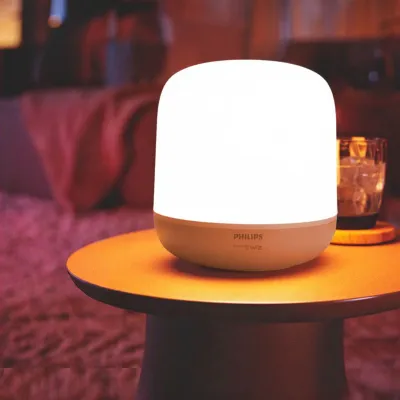
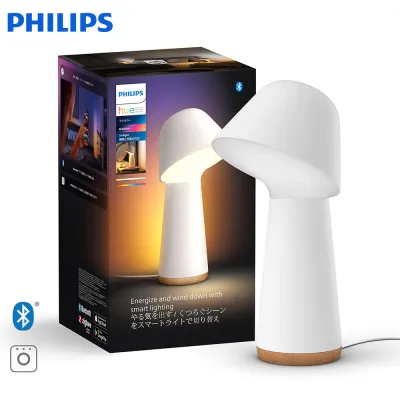
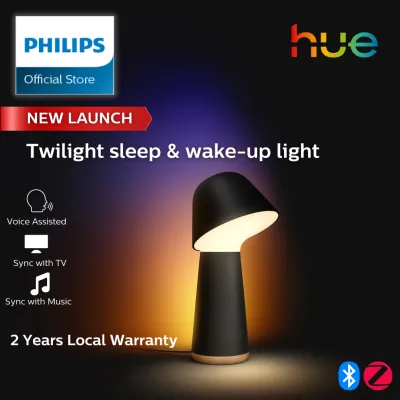
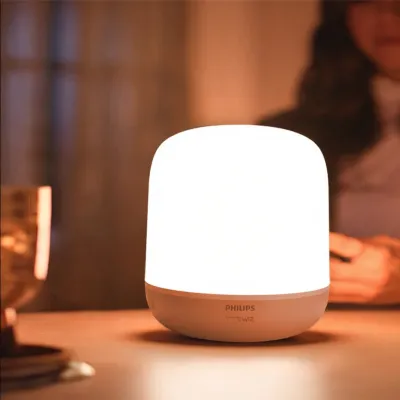
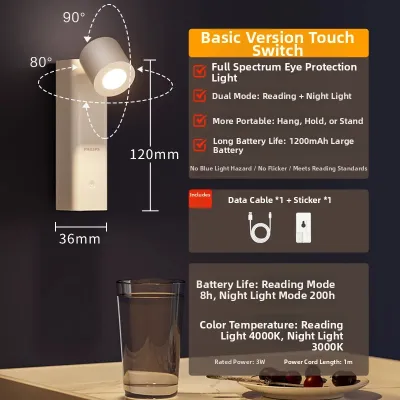
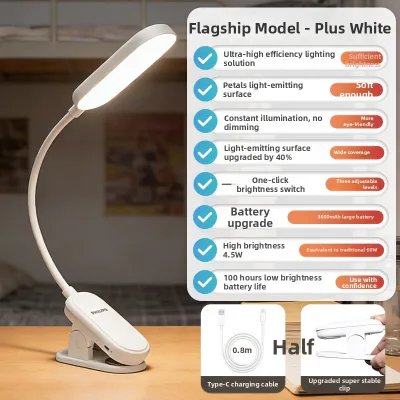
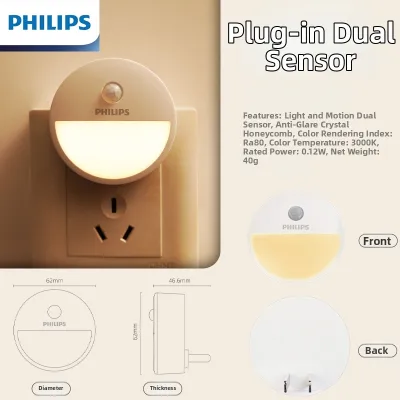
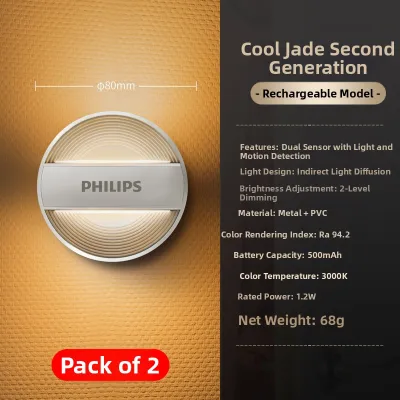
Prices are valid at publication and may change. Please refer to the product page for the latest price.
Form factor and physical dimensions must match your actual bedroom layout. Before purchasing, measure your bedside table surface area and compare it against the lamp’s base dimensions. A lamp with an oversized base can crowd your table, leaving little room for essentials like a phone, water glass, or book. Additionally, consider the height of the lamp shade; when you are sitting up in bed, the bottom of the shade should ideally align with your eye level to prevent direct glare from the bulb.
What to Look for in Philips Bedside Lamps
Philips offers a diverse range of lighting products, making it essential to understand their distinct product lines. Some models are straightforward, traditional plug-in lamps that operate with a simple inline switch. Others belong to advanced smart ecosystems, which allow for remote control, scheduling, and color-changing capabilities. Carefully read the product descriptions to identify whether a model requires a separate bridge or hub to access its full suite of features, or if it can connect directly via Bluetooth or Wi-Fi.

Build quality and materials vary across the Philips lineup. Many of their bedside options utilize high-grade plastics, aluminum, or glass. When evaluating these materials, check the product specifications for weight and stability; a heavier base prevents the lamp from easily tipping over when you reach for it in the dark. Smooth, non-porous materials are also easier to wipe clean of dust, which is an important consideration for maintaining a clean sleeping environment.
The user interface of a bedside lamp directly impacts your daily comfort. Philips lamps utilize various control methods, ranging from physical buttons and touch-sensitive bases to complete mobile application control. If you prefer a tactile experience, look for models with responsive touch sensors on the base or stem, which are easy to locate in a dark room. For those who enjoy automation, app-controlled models allow you to set sleep timers and wake-up routines directly from your smartphone.
Power compatibility is a critical safety factor for any electrical appliance used in Singapore. Always verify that the lamp’s rated voltage matches the local standard of 230V at 50Hz. Additionally, check the plug type supplied with the lamp; in Singapore, appliances should ideally come with a standard Type G three-pin plug. Using foreign plugs with cheap adapters can pose electrical safety risks and may void your manufacturer’s warranty, so verifying local compatibility before buying is highly recommended.
Comparing Philips Against Other Lighting Brands
When comparing Philips to alternative brands in the Singapore market, you will find distinct categories of competitors. Design-focused brands often prioritize premium aesthetics, utilizing specialized materials like brushed brass, hand-blown glass, or natural wood. While these lamps serve as striking decorative statements, they may carry a higher price tag and offer fewer functional features, such as adjustable brightness or smart connectivity, compared to Philips’ more utility-driven designs.
Smart home ecosystem brands present another major alternative. If you already have a smart home setup, you must check the compatibility of any new bedside lamp with your existing protocol, whether it is Zigbee, Thread, or standard Wi-Fi. Some competing smart brands offer seamless integration with popular smart assistants without requiring a proprietary hub, which can simplify your setup. Compare the app responsiveness, connection stability, and smart features of these brands against Philips’ smart offerings to see which fits your routine.
Budget-friendly options are widely available on various online marketplaces, but they often come with specific trade-offs. Lower-priced lamps may use thinner plastics, exhibit less consistent light distribution, or offer shorter warranty periods. When considering a budget brand, inspect the build quality closely and ensure the lamp does not emit a high-pitched buzz or flicker when dimmed, as these are common issues in lower-end electronic drivers.
A reliable verification checklist is essential when comparing brands. Always read the user manuals online before purchasing to understand the installation and operation requirements. Look for recognized local safety certifications, such as the Safety Mark in Singapore, which indicates the product has been tested and approved for safe electrical use. Avoid purchasing unbranded or uncertified lamps from overseas sellers, as they may not meet local safety standards.
Assessing Price, Warranty, and Long-Term Value
Evaluating the true cost of a bedside lamp requires looking beyond the initial retail price. The feature-to-price ratio should align with your actual usage patterns. For instance, paying a premium for advanced smart features or millions of color options is only worthwhile if you plan to integrate them into your daily routine. If you simply need a reliable light for reading before sleep, a well-built, non-smart lamp with a high-quality dimming driver may offer much better long-term value.
Warranty terms provide a clear indication of a manufacturer’s confidence in their product’s durability. When comparing brands, check the specific duration of the warranty and what components it covers. Some brands offer a comprehensive warranty that covers both the integrated LED module and the internal electronic driver, while others may only cover the outer housing. Because integrated LEDs cannot be easily replaced by the user, a robust warranty is crucial for protecting your investment.
Consider potential hidden costs that might arise after your purchase. Some smart bedside lamps require a proprietary hub or bridge to enable remote access or voice control, which adds to the total setup cost. For lamps with replaceable bulbs, check the availability and price of compatible bulbs, especially if they use a non-standard base or require specific smart bulbs. Opting for a lamp with standard, easily sourced bulb interfaces can save you maintenance hassle in the future.
Safety certifications are non-negotiable for electrical products operating in close proximity to your bed. Ensure the lamp displays a valid safety certification mark recognized in Singapore. This certification guarantees that the lamp’s electrical insulation, heat dissipation, and wiring have been rigorously tested to prevent short circuits or fire hazards. Investing in a certified product ensures peace of mind, especially if you plan to leave the lamp on for extended periods or use it as a nightlight.
Final Decision: Choosing the Right Bedside Lamp
To make your final decision, weigh your specific household needs against the characteristics of each brand. Choose a Philips bedside lamp if you value a well-established brand with a proven track record of electrical safety, reliable light quality, and a robust local warranty. Philips is also an excellent choice if you are already invested in their proprietary smart lighting ecosystem and want a seamless, unified control experience across your entire home.
Opt for alternative brands if your primary focus is a highly specialized design aesthetic that matches a specific interior decor style, or if you require compatibility with a different smart home protocol. Additionally, if you are furnishing a guest room or have a strict budget constraint, reputable budget-friendly brands can provide adequate basic lighting without the premium price tag, provided they carry the necessary local safety certifications.
Before finalizing your purchase, always verify a few critical details. Double-check your bedside table dimensions to ensure the lamp will fit comfortably without crowding. Confirm that the lamp’s control interface—whether physical, touch, or app-based—suits your personal preferences and daily habits. Finally, verify the exact color temperature and dimming capabilities of the model to ensure it will deliver the comfortable, glare-free light you need for a restful night’s sleep.
Frequently Asked Questions (FAQ)
Do I need a smart bedside lamp for my bedroom?
Whether you need a smart bedside lamp depends on your daily routine and how much you value convenience. If you enjoy automating your lighting—such as having the light gradually brighten to wake you up in the morning or dim automatically at bedtime—a smart lamp is highly beneficial. However, if you prefer a simple, tactile experience and only use your lamp for brief reading sessions before sleep, a traditional lamp with a physical switch or touch control is more straightforward and cost-effective.
How do I check if a bedside lamp is safe for overnight use?
To ensure a bedside lamp is safe to leave on overnight, first verify that it uses an LED light source, as LEDs emit minimal heat compared to traditional incandescent bulbs. Check the manufacturer’s instructions for any specific warnings regarding continuous operation, and ensure the lamp has a recognized local safety certification mark. Finally, place the lamp on a flat, stable surface and maintain a safe clearance of several centimeters from flammable materials such as curtains, bedding, or paper.
Community discussion
Share your experience or ask a question. Comments are reviewed before publication.