
Quick Verdict: Is the Philips CL200 Right for Japandi Interiors?
The suitability of the Philips CL200 pendant light for a Japandi-style home depends on its specific finish, size, and how you configure its light source. Japandi design merges Japanese minimalism with Scandinavian warmth, demanding clean lines, organic textures, and soft, glare-free illumination. The CL200 can succeed if its physical profile remains unobtrusive and you pair it with a warm, dimmable bulb. It may fail if its scale dominates the room or if its materials lean too synthetic or glossy. Before buying, check the product packaging or official brand store to verify its dimensions, base type, and material finish.
Core Lighting Requirements for Japandi Aesthetics
Japandi interior design is a harmonious blend of Japanese functional minimalism and Scandinavian cozy comfort, often referred to as hygge. This aesthetic relies heavily on creating a serene, uncluttered sanctuary where every object serves a purpose and contributes to a sense of calm. Lighting plays a pivotal role in establishing this atmosphere, acting as both a functional tool and a visual anchor.

Visual minimalism is the first cornerstone of Japandi lighting. Fixtures should feature clean lines, simple geometric shapes, and uncluttered silhouettes. Ornate details, heavy industrial chains, or overly complex multi-bulb configurations can disrupt the visual quietness of the space. The goal is to choose a light fixture that blends seamlessly into the background rather than demanding undivided attention.
Products mentioned in this guide
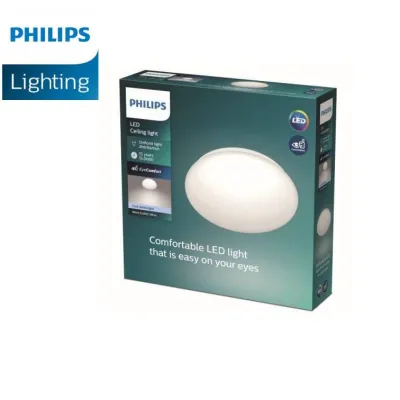
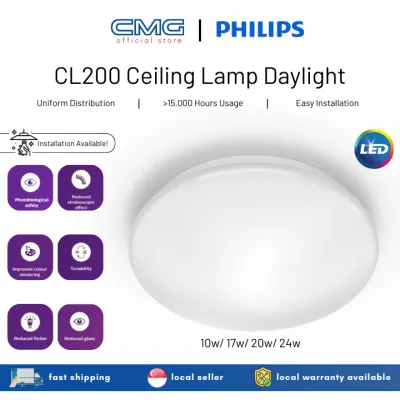
![[3 Year Warranty] Philips LED Ceiling light 17W 20W CL200](https://img.lazcdn.com/g/p/a7513e4a2b3c8a590df1beecd4b3709e.png_400x400q80.png_.webp)
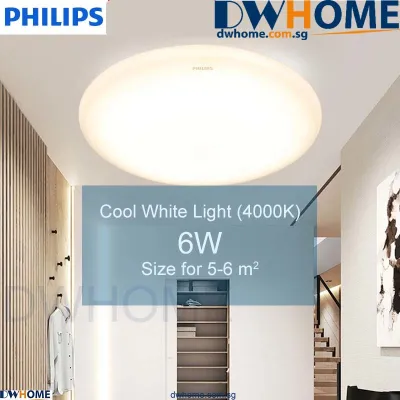
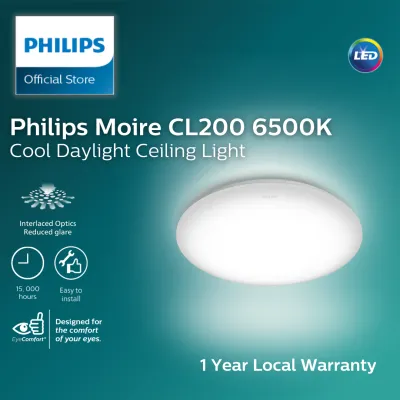
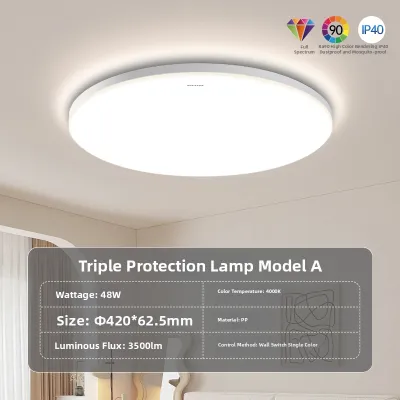
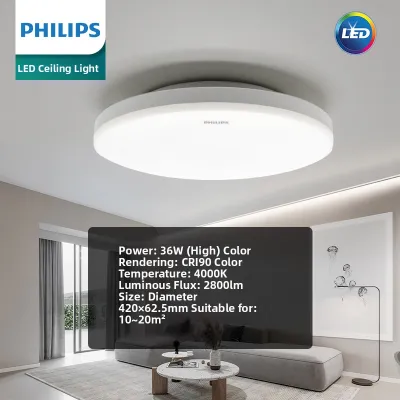
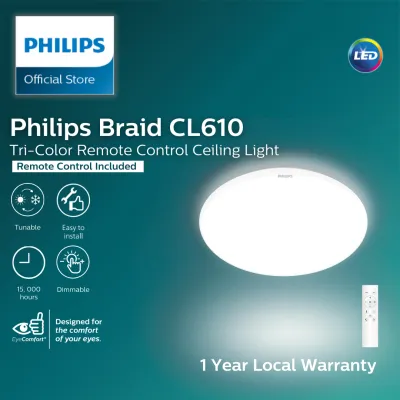
Prices are valid at publication and may change. Please refer to the product page for the latest price.
Material authenticity is equally important. Japandi spaces favor natural or natural-looking finishes such as wood, bamboo, rattan, linen, paper, and matte metals. These materials add warmth and tactile interest to a minimalist room. If a fixture incorporates synthetic materials, they should feature a flat, non-reflective finish that mimics the soft texture of natural elements.
Finally, the quality of light must be warm, diffused, and entirely glare-free. Harsh, direct downlighting can create stark shadows and a cold, clinical feel. Instead, Japandi lighting relies on shades and diffusers that soften the light, spreading a gentle glow across the room to foster a relaxing, tranquil environment.
How to Evaluate the Philips CL200 Against Japandi Standards
To determine if the Philips CL200 is a suitable match for your Japandi home, you must systematically evaluate its physical and technical attributes against these design principles.
Begin by assessing the form and finish of the fixture. Examine the physical design of the CL200. Look closely at its casing and diffuser. Is the shape a clean, understated geometric form that aligns with minimalist principles? You should also verify whether the surface texture is matte or glossy. A highly reflective glossy finish can catch ambient light in a way that disrupts the soft, matte-heavy textures typical of Japandi furniture and walls.
Next, evaluate the light output and color temperature capabilities. Check the manufacturer’s specifications to see if the CL200 uses an integrated LED or a replaceable bulb socket, such as an E27 base. If it uses a replaceable bulb, verify the maximum wattage limit to ensure safe operation. For a true Japandi ambiance, you will need to pair the fixture with a bulb that supports warm color temperatures, ideally between 2700K and 3000K. If the fixture features integrated LEDs, check whether the color temperature is fixed or adjustable, and ensure it can emit a soft, warm glow.
Scale and proportions are critical to maintaining spatial harmony. A pendant light that is too large will overwhelm a minimalist room, while one that is too small will look lost and lose its functional value. Before purchasing, measure your room’s dimensions and the furniture over which the light will hang. Check the exact diameter and height of the CL200 on the official spec sheet or packaging. Ensure the fixture’s scale complements your ceiling height and does not crowd the surrounding air space.
Finally, do not overlook technical compatibility and safety certifications. Verify that the fixture’s voltage matches your local electrical supply. Look for recognized electrical safety certifications on the packaging to ensure the product meets local standards for safe operation in residential environments.
Placement and Installation Tips for Japandi Spaces
Once you have verified that the Philips CL200 meets your aesthetic and technical requirements, proper placement is essential to maintain the balance of your Japandi interior.
In dining areas, hanging a pendant light over a wooden or stone table creates an intimate, welcoming focal point. A reliable guideline is to position the bottom of the fixture approximately 75 to 90 centimeters above the tabletop. This height keeps the light source close enough to define the dining zone while ensuring it does not obstruct cross-table conversations or create glare at eye level.
For living spaces, consider using the pendant as a subtle accent rather than a dominant central light source. Positioning the fixture in a corner over a low-slung lounge chair or a minimalist side table can create a cozy reading nook. This off-center placement adds visual interest and aligns with the relaxed, asymmetrical balance often found in Japanese design.
Regardless of where you choose to install the fixture, safety must be your top priority. Before beginning any installation, verify your ceiling’s weight capacity to ensure it can safely support the suspended load. Always isolate the mains power at the distribution board before touching any wiring. Carefully follow the manufacturer’s provided installation instructions. For fixed wiring, work at height, or if you are unfamiliar with electrical installations, always hire a qualified professional electrician to complete the work safely and in compliance with local building codes.
When to Look for Alternative Japandi Pendant Lights
If your evaluation of the Philips CL200 reveals specifications that do not align with your design goals, it is wise to explore alternative options.
Several factors can serve as immediate dealbreakers. If you discover that the CL200 features a highly reflective, glossy plastic finish, this can clash with the organic, matte textures of a Japandi room. Similarly, if the fixture only supports a cool daylight color temperature (such as 6500K) without the option to dim or warm the light, it will fail to create the cozy, relaxed atmosphere essential to the style. An incorrect scale that either crowds your ceiling or disappears in a large room is another clear sign to look elsewhere.
When searching for alternatives, prioritize fixtures that feature organic shapes and natural materials. Look for shades made of woven paper, linen fabric, or matte ceramic. These materials naturally diffuse light and add a tactile warmth to the space. Additionally, seek out fixtures with adjustable cord lengths, which give you the flexibility to customize the hanging height to suit your specific ceiling height and furniture layout.
Budgeting for these alternatives requires a balanced approach. In Singapore, minimalist pendant lights can range from affordable options around S$50 to premium designer pieces costing upwards of S$300. While natural materials like hand-woven rattan or mouth-blown glass often carry a higher price tag, they can provide the authentic texture and durability that elevates a Japandi home. Weigh the aesthetic impact of these materials against your overall renovation budget to find the right balance.
Frequently Asked Questions (FAQ)
What color temperature bulb is best for Japandi pendant lights?
A warm white color temperature between 2700K and 3000K is ideal for Japandi pendant lights. This range mimics the soft, golden light of the late afternoon sun, which helps promote relaxation and a sense of calm. Cooler temperatures, such as daylight (6500K), can feel clinical and harsh, disrupting the cozy atmosphere. Before purchasing a bulb, always check the Philips CL200’s maximum wattage limit and bulb base compatibility to ensure a safe and proper fit.
Can I use a smart bulb with the Philips CL200 in a Japandi room?
Yes, you can use a smart bulb with the Philips CL200, provided the fixture uses a standard compatible socket and the physical wall switch remains turned on. Utilizing a smart bulb is an excellent way to integrate modern convenience without compromising the minimalist aesthetic of the fixture. Smart bulbs allow you to adjust the color temperature and brightness throughout the day, transitioning from a brighter, neutral light for daytime tasks to a soft, warm glow in the evening.
Community discussion
Share your experience or ask a question. Comments are reviewed before publication.