
When upgrading your home spotlights, choosing between a prominent brand like Philips and alternative options on the market often comes down to a promise of energy efficiency. While Philips is a widely recognized name in the lighting industry, assuming that any Philips GU10 bulb will automatically deliver superior energy savings over its competitors is a common misstep. The actual efficiency of a GU10 spotlight is not determined by the logo on the box, but by verifiable technical specifications. To find the most energy-efficient bulb for your space, you must look past brand reputation and evaluate specific product lines using standardized metrics like luminous efficacy and certified energy labels.
GU10 spotlights are highly popular for directional lighting in modern residential spaces, such as track lights or recessed downlights. Because these fixtures often run in groups of four, six, or more in a single room, even minor differences in energy consumption can accumulate over time, impacting your monthly utility bills. By learning how to read the packaging and compare the actual performance data, you can make an informed decision that balances initial purchase costs against long-term energy savings.
This guide provides a structured approach to evaluating GU10 bulbs, helping you understand the key metrics that define true energy efficiency. By focusing on objective data rather than marketing claims, you can determine whether a premium option or a budget-friendly alternative is the right fit for your home.
Products mentioned in this guide
![[3 Year Warranty] [Authorized Dealer] Philips GU10 LED Spotlight Bulb Philips Essential LEDspot MV 4.7W GU10](https://img.lazcdn.com/g/p/f05426a137fb394924178754ffb22158.png_400x400q80.png_.webp)
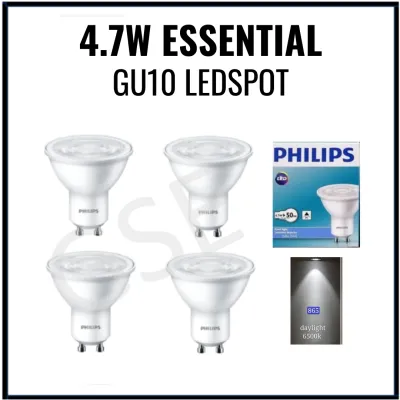
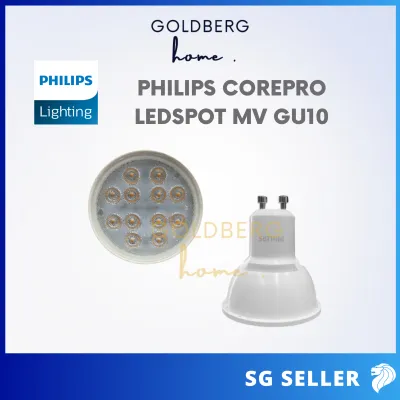
![Philips Hue GU10 colour ambiance LED bulb latest Bluetooth option [Import set]](https://img.lazcdn.com/g/p/d7cbfacc7fd5ecd948e512abdc2ed8e0.jpg_400x400q80.jpg_.webp)
Prices are valid at publication and may change. Please refer to the product page for the latest price.
Key Metrics for Evaluating GU10 Energy Efficiency
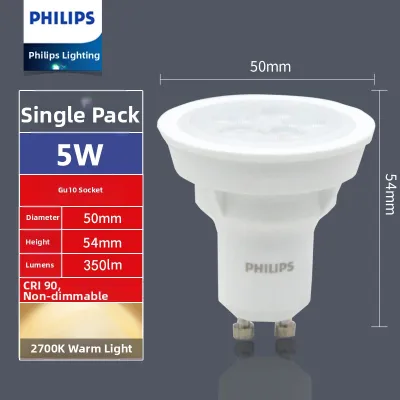
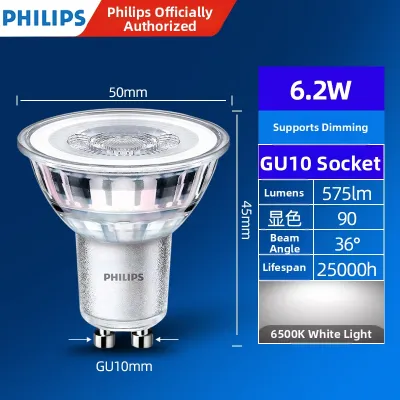
To objectively evaluate energy savings on any GU10 bulb packaging, you must first understand the technical specifications that dictate performance. The most critical metric to look for is luminous efficacy, which is expressed in lumens per watt (lm/W). This value represents the amount of visible light (lumens) a bulb produces for every watt of electricity it consumes. A higher lumens-per-watt ratio indicates a more efficient bulb that converts electricity into light rather than wasting it as heat.
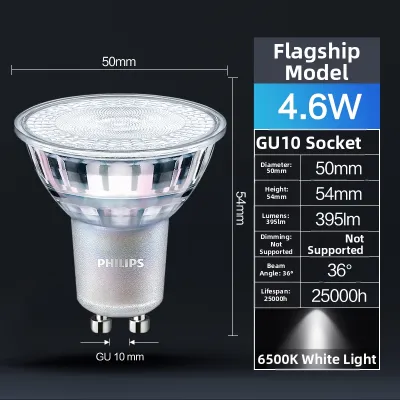
Another key factor in spotlight applications is the beam angle, which typically ranges from a narrow 15 degrees to a wide 60 degrees. The beam angle does not change the total amount of light a bulb emits, but it dramatically affects how that light is distributed and perceived. A narrower beam concentrates the light into a tight, intense pool, making a specific spot appear much brighter without requiring more electrical power. Conversely, a wider beam spreads the same light over a larger area, which may appear softer or dimmer to the eye. Choosing the correct beam angle for your specific task allows you to achieve the desired brightness level without unnecessarily upgrading to a higher-wattage bulb.
Color temperature, measured in Kelvins (K), also plays a significant role in how we perceive brightness and efficiency. Warm white light (typically 2700K to 3000K) creates a cozy, relaxing atmosphere but can sometimes feel less bright than cool white (4000K) or daylight (6500K) options of the exact same lumen output. Human eyes are naturally more sensitive to the blue-wavelength light present in cooler color temperatures, making them appear brighter. When comparing energy efficiency across different brands, it is essential to match the color temperatures exactly to ensure a fair visual and technical comparison.
Finally, physical dimensions and compatibility must not be overlooked. GU10 bulbs feature a twist-lock base with two pins spaced 10 millimeters apart, designed to operate directly on mains voltage. However, the physical length and diameter of the bulb can vary slightly between manufacturers, especially in high-output or smart models that house complex internal drivers. Before purchasing, verify that the bulb’s dimensions are compatible with your existing spotlight canisters to ensure a proper fit and adequate ventilation, which is crucial for maintaining the bulb’s efficiency over time.
What to Verify on Philips GU10 Packaging
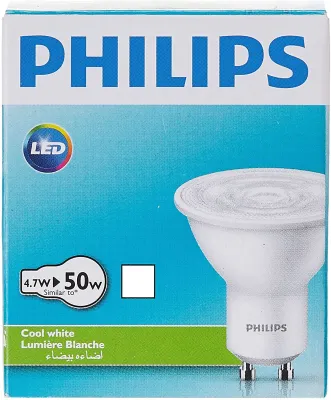
When examining a Philips GU10 bulb, the packaging contains several key pieces of information that allow you to calculate its true efficiency. Start by locating the rated lumen output and the wattage consumption, which are typically printed clearly on the front or side of the box. By dividing the total lumens by the wattage, you can determine the specific efficacy of that particular model. Philips offers multiple product tiers, from basic everyday LEDs to high-performance architectural lines, and their efficacy ratings can vary significantly across these ranges.

It is also important to check whether the bulb is labeled as dimmable or non-dimmable. Dimmable GU10 bulbs contain more complex internal driver circuitry designed to interpret signals from wall dimmer switches. This specialized circuitry can sometimes result in a slightly different efficiency profile compared to non-dimmable models. If you plan to use dimmable bulbs, you must also ensure compatibility with your existing dimmer switch technology, such as trailing-edge or leading-edge dimmers, to prevent flickering, buzzing, or premature component failure.
Standardized energy rating labels and safety certifications are another critical element to verify on the packaging. In many regions, including Singapore, electrical products must carry specific safety marks or energy labels that verify they have undergone independent testing. These labels provide an objective, standardized rating of the bulb’s energy efficiency class, allowing you to bypass manufacturer marketing claims. Look for recognized certification marks that guarantee the bulb meets local electrical safety and electromagnetic compatibility standards, ensuring safe operation within your home’s electrical system.
How to Compare Philips Against Competing Brands
To conduct a fair comparison between Philips and alternative brands, you must establish a strict, like-for-like evaluation framework. It is common to find generic or lesser-known brands offering GU10 bulbs at a fraction of the price of premium brands, but these savings can be deceptive if the bulbs consume more power or fail prematurely. Ensure that any competing bulbs you evaluate share the exact same base type, voltage rating, beam angle, and color temperature as the Philips model you are considering.
When evaluating alternative brands, learn to look past subjective marketing terms such as “ultra-bright,” “eco-saving,” or “super-long life.” These phrases are not regulated and do not provide a reliable measure of performance. Instead, rely exclusively on the standardized metrics printed on the packaging. If a budget brand claims to replace a 50-watt halogen bulb, verify the actual lumen output and wattage to see if it truly matches the efficiency of a comparable Philips bulb.
A practical way to make your decision is to write down the key specifications of the competing models side-by-side. Note the purchase price, rated wattage, total lumens, calculated efficacy (lm/W), and estimated lifespan. For example, if a Philips GU10 bulb costs S$12 and delivers 100 lm/W with a rated lifespan of 15,000 hours, compare this directly to a competitor priced at S$6 that delivers 80 lm/W with a lifespan of 10,000 hours. This side-by-side comparison allows you to calculate the long-term cost of ownership, factoring in both the initial purchase price and the ongoing electricity costs over the lifetime of the bulbs.
Decision Framework: Choosing Your Spotlight Bulbs
Your final choice between Philips and other GU10 brands should be guided by your specific lighting requirements, budget, and verified performance data. Choose Philips GU10 bulbs if the packaging confirms a higher lumens-per-watt ratio than the alternatives, and if you require advanced features such as smooth dimming compatibility or a proven track record of thermal management. Premium bulbs are highly recommended for hard-to-reach fixtures, such as high-ceiling recessed lights, where the physical difficulty of replacing a failed bulb makes long-term reliability a primary concern.
On the other hand, competing brands can be an excellent choice if they offer verified equivalent efficacy, matching beam angles, and appropriate safety certifications at a lower price point. This approach is highly cost-effective for large-scale installations, such as outfitting an entire apartment with track lighting, where the upfront savings on bulb purchases can be substantial. However, always ensure that the physical dimensions of the alternative bulbs fit your fixtures perfectly and allow for adequate heat dissipation.
Regardless of the brand, you should avoid purchasing any GU10 bulb if the packaging lacks clear specifications for lumen output, wattage, voltage compatibility, or recognized safety certifications. Installing uncertified electrical products can lead to safety hazards, poor performance, or damage to your lighting fixtures. When installing or replacing spotlight bulbs, always isolate the power at the main distribution board rather than relying solely on the wall switch. If you are working at height to replace bulbs in high ceilings, ensure you use a stable ladder, or consult a qualified professional for complex installations or fixed wiring modifications.
Frequently Asked Questions (FAQ)
Do dimmable GU10 LEDs consume more energy than non-dimmable ones?
While the dimming circuitry itself draws a negligible amount of standby power, the overall luminous efficacy of dimmable GU10 bulbs can sometimes vary slightly compared to non-dimmable models. This variation is due to the additional electronic components required in the driver to manage the dimming signal. To confirm the exact efficiency, always check the packaging of the specific dimmable variant to verify its rated wattage and lumen output before purchasing.
Does a higher wattage GU10 always mean a brighter spotlight?
No, a higher wattage does not guarantee a brighter spotlight. Wattage only measures the amount of electrical energy the bulb consumes, whereas brightness is measured in lumens. Due to advancements in LED technology, highly efficient GU10 bulbs can produce a high lumen output while consuming very little power. Always compare the lumens-per-watt ratio of different bulbs to find the option that delivers the brightness you need with the lowest possible energy consumption.
Community discussion
Share your experience or ask a question. Comments are reviewed before publication.