
Quick Answer: Is Philips Hue More Energy Efficient?
True energy efficiency in smart lighting is not determined by brand name alone. Instead, it depends on specific technical variables: luminous efficacy (lumens per watt), standby power draw, and the efficiency of the power adapter. While the Philips Hue LED strip is highly efficient in standby mode due to its low-energy Zigbee protocol, some competing smart LED strips may offer comparable or even higher active luminous efficacy depending on their LED chip generation.
To determine which option is truly more energy-efficient for your home, you must verify the exact wattage, lumen output, and standby specifications printed on the product packaging or official technical datasheets. No single brand holds a universal advantage across all usage scenarios, making a careful comparison of specifications essential before purchasing.
Key Metrics for Comparing Smart LED Strip Efficiency
To make an objective comparison between different smart LED strips, you need to look past marketing claims and focus on three core technical metrics that directly influence power consumption.
Products mentioned in this guide
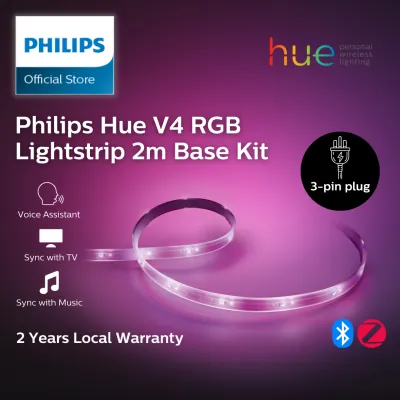
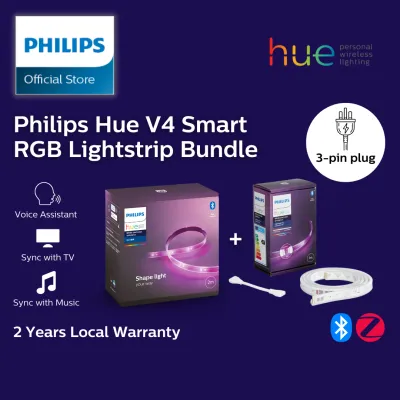
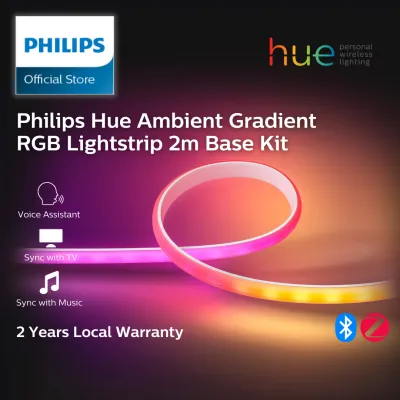
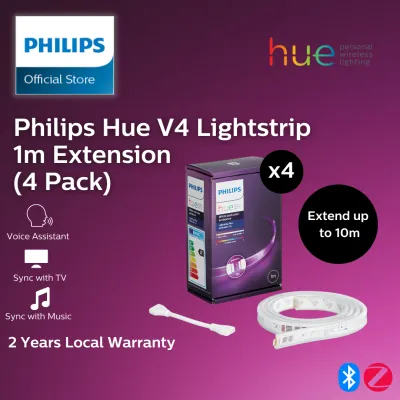
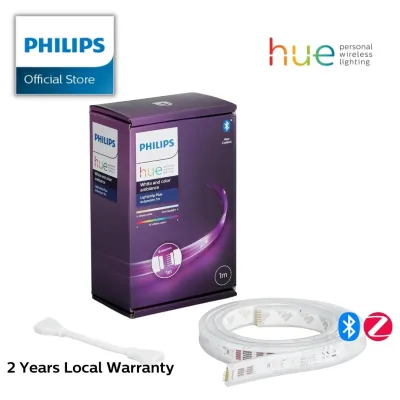
Prices are valid at publication and may change. Please refer to the product page for the latest price.

Luminous Efficacy (Lumens per Watt)
Luminous efficacy measures how effectively a light source converts electrical power into visible light. It is calculated by dividing the total light output (measured in lumens) by the total power consumed (measured in watts). For example, an LED strip that produces 1,600 lumens while consuming 20 watts has an efficacy of 80 lumens per watt. A strip with a higher lumens-per-watt ratio delivers more brightness for every unit of electricity consumed, making it more efficient during active use.
Standby Power Consumption
Smart LED strips are never truly “off” unless they are physically unplugged or switched off at the wall socket. They must maintain a continuous wireless connection to receive commands from your phone, voice assistants, or automation hubs. This continuous state is known as standby mode, and the power it draws is called standby power or “vampire draw.”
While a fraction of a watt seems negligible, this consumption occurs 24 hours a day, 365 days a year, making standby efficiency a critical factor in long-term energy costs. The wireless protocol used by the strip plays a massive role here. Zigbee and Bluetooth modules generally require significantly less power to remain idle compared to Wi-Fi modules, which must constantly communicate directly with your home router.
Power Supply Unit (PSU) Efficiency
Every smart LED strip relies on an external power adapter or transformer to convert high-voltage alternating current (AC) from your wall outlet into low-voltage direct current (DC) required by the LEDs. During this conversion process, some energy is inevitably lost as heat. High-quality power adapters have higher efficiency ratings, meaning they waste less electricity during conversion, whereas cheaper, uncertified adapters can run hot and draw more power from the wall than the LED strip actually receives.
Philips Hue LED Strip: Power Consumption Profile
The Philips Hue LED strip ecosystem is designed around a low-voltage system that prioritizes network stability and low standby power.
The Zigbee Advantage and Standby Draw
Most Philips Hue LED strips utilize the Zigbee wireless protocol, which requires a central hub (the Hue Bridge) connected to your router. Because the individual light strips communicate with the bridge using low-energy Zigbee signals rather than high-power Wi-Fi, their individual standby power draw is exceptionally low. This hub-and-spoke architecture is highly efficient when you have multiple smart lights, as the standby load is distributed across a low-power mesh network rather than multiple high-draw Wi-Fi connections.
Active Wattage and Brightness Limits
When fully illuminated, the power consumption of a Philips Hue strip depends heavily on the specific model and the color setting. For instance, the Philips Hue Lightstrip Plus has a specific maximum wattage rating that you should verify on the product label. It is important to note that producing colored light (RGB) or warm white light utilizes different combinations of LED chips, which alters the active power draw. To understand the true efficiency, check the packaging for the maximum rated wattage at peak brightness (usually measured at a specific color temperature like 4000K).
Additionally, ensure that the power adapter supplied with your Hue strip carries the appropriate local safety and electrical certifications, which guarantees that the power conversion process meets strict efficiency and safety standards.
Competing Smart LED Strips: Power Consumption Profile
Alternative smart LED strips available on the market present a wide variety of energy profiles, often depending on their price point and wireless technology.
Wi-Fi Connectivity and Standby Overhead
Many budget-friendly smart LED strips connect directly to your home’s 2.4 GHz Wi-Fi network without requiring a dedicated hub. While this saves on initial hardware costs, maintaining a direct Wi-Fi connection typically results in a higher standby power draw compared to Zigbee-based systems. If you install multiple Wi-Fi strips throughout your home, the cumulative standby power consumption can become a noticeable contributor to your baseline electricity bill.
LED Chip Quality and Thermal Management
The quality of the LED chips used by competing brands varies significantly. High-quality chips deliver more lumens per watt and maintain their brightness over time, whereas lower-grade chips may degrade rapidly, requiring more power to produce the same level of light. Furthermore, cheaper strips often lack proper thermal management. When LEDs run hot due to poor heat dissipation or inefficient drivers, their luminous efficacy drops, and their overall lifespan is severely compromised. When evaluating alternative brands on online marketplaces, always look for explicit specifications regarding maximum wattage, standby power, and thermal safety certifications rather than relying solely on generic marketing claims.
Calculating Long-Term Value and Operating Costs
To determine whether a premium smart LED strip like Philips Hue justifies its initial cost over a cheaper competitor, you can calculate the estimated operating costs based on your personal usage habits.
The Energy Cost Formula
You can estimate the annual electricity cost of any smart LED strip using a simple formula. First, determine the daily energy consumption in kilowatt-hours (kWh) for both active use and standby mode:
- Active Daily Consumption (kWh) = (Active Wattage × Daily Active Hours) ÷ 1,000
- Standby Daily Consumption (kWh) = (Standby Wattage × Daily Standby Hours) ÷ 1,000
Add these two figures together to get the total daily consumption, then multiply by 365 to find the annual consumption. Finally, multiply the annual consumption by your local electricity tariff (for example, an illustrative rate of S$0.32 per kWh in Singapore) to find the annual operating cost.
Lifespan and Replacement Cycles
Energy efficiency is only one part of the value equation; durability is the other. A highly efficient strip that fails after a year of use is less cost-effective than a slightly less efficient strip that lasts for a decade. Premium strips often feature robust protective coatings, high-quality adhesive backings, and superior electronic components that protect against voltage fluctuations. Checking the rated lifespan (usually stated in hours, such as 25,000 or 50,000 hours) on the product specification sheet is essential for calculating the true cost of ownership.
Maximizing Efficiency Through Smart Features
Regardless of the brand you choose, you can actively minimize energy consumption by utilizing built-in smart features:
- Dimming: Running your LED strips at 50% brightness significantly reduces active wattage consumption compared to running them at 100%.
- Schedules and Automation: Setting schedules to automatically turn off lights when you leave for work or go to bed prevents unnecessary active power draw.
- Motion Sensors: Integrating motion sensors ensures that the strips only illuminate when someone is physically present in the room, keeping active energy use to an absolute minimum.
Decision Framework: Which Smart LED Strip Should You Choose?
Choosing the right smart LED strip requires balancing energy efficiency, ecosystem compatibility, and your initial budget.
When to Choose Philips Hue
Opt for the Philips Hue LED strip if you already own or plan to invest in the Hue Bridge ecosystem. The low standby power of the Zigbee protocol makes it highly efficient for multi-light setups, and the brand’s reputation for high-quality power adapters ensures minimal energy loss. This option is ideal for users who prioritize seamless smart home integration, long-term reliability, and precise dimming control, and who are willing to pay a premium upfront for lower standby overhead and superior build quality.
When to Choose Competing Brands
Consider alternative smart LED strips if you only need a single strip and want to avoid the extra cost of a dedicated hub. Many high-quality Wi-Fi or Matter-over-Thread strips offer excellent active luminous efficacy that matches or exceeds Hue, making them highly efficient during active use. This path is best if you have a strict initial budget, prefer a direct-to-router connection, and are diligent about checking product labels to verify low standby ratings and certified power adapters.
Critical Verification and Safety Checks
Before finalizing any purchase or starting installation, you must verify several critical parameters to ensure safety and compatibility:
- Voltage and Wattage Limits: Confirm that the power adapter's input voltage matches your local electrical supply (typically 230V in Singapore) and that the output wattage is sufficient for the length of the strip.
- Installation Environment: If you plan to install the strip in damp areas (like bathrooms or kitchens), outdoors, or in enclosed spaces prone to heat buildup, verify that the strip has the appropriate IP (Ingress Protection) rating and thermal certification.
- Electrical Certification: Always look for recognized safety marks on the power supply unit to ensure it has been tested for electrical safety and energy efficiency.
- Professional Installation: For fixed wiring, custom driver installations, or work at heights, always isolate the power supply before handling and consult a qualified electrician to prevent electrical hazards.

Community discussion
Share your experience or ask a question. Comments are reviewed before publication.