
When evaluating the energy efficiency of smart lighting, comparing Philips Hue to other smart bulb brands requires looking beyond the active wattage printed on the box. True energy savings depend on the entire ecosystem, which encompasses bulb technology, wireless network protocols, and standby power consumption. While a traditional LED bulb only draws power when emitting light, a smart bulb is a miniature computer that remains continuously connected to a network. Consequently, determining which brand is more energy efficient involves analyzing both active illumination and the constant standby power.
While Philips Hue’s Zigbee-based mesh network is highly efficient for large, multi-bulb setups, the required Hue Bridge introduces a constant baseline power draw. For small-scale installations of just a few bulbs, Wi-Fi or Thread-based alternatives that do not require a dedicated hub may offer better overall power savings. To make an informed decision, you must evaluate specific model specifications, installation environments, and ecosystem architectures rather than relying on broad brand generalizations.
How Smart Bulbs Consume Power Beyond Lighting
To understand the energy profile of smart lighting, it is essential to differentiate between active lighting power and standby power. Active power is the electricity consumed when the light-emitting diodes (LEDs) are actively producing light. This consumption varies based on the brightness level and, in the case of color-changing bulbs, the specific color spectrum selected. Standby power, often referred to as vampire draw, is the continuous electrical current the bulb requires when it is turned “off” via an app, voice assistant, or automation schedule.
Products mentioned in this guide
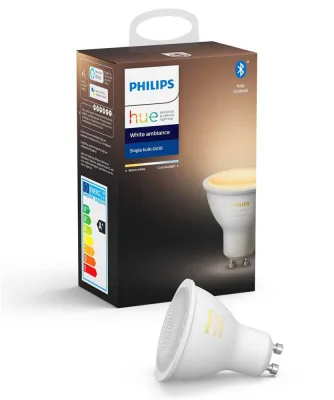
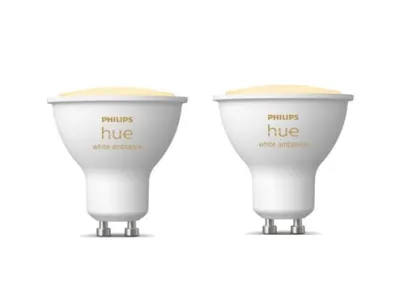
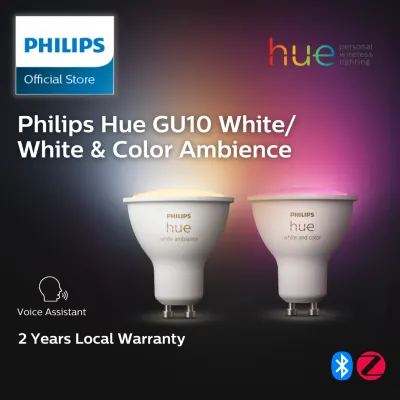
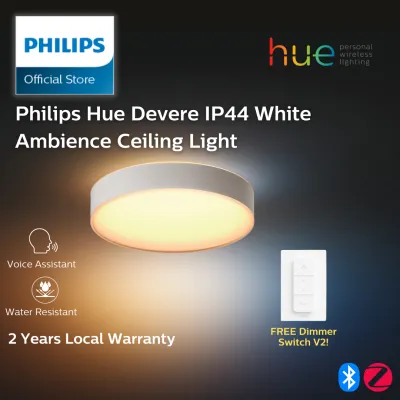

Prices are valid at publication and may change. Please refer to the product page for the latest price.
Unlike traditional LEDs, which are completely disconnected from the electrical grid when a physical wall switch is flipped, smart bulbs must maintain constant network connectivity. The internal microcontroller and wireless transceiver inside each smart bulb must remain powered at all times to listen for incoming commands. This means that even when a smart bulb appears dark, it is still drawing a small amount of electricity.
Relying solely on software-based control to turn off your lights means your home’s lighting system is never truly at zero power consumption. To achieve absolute zero draw, you must physically cut the power using a standard wall switch or a smart switch designed to isolate the circuit. However, doing so renders the smart bulb unreachable, disabling schedules, automation triggers, and remote control until the physical switch is turned back on.
Key Metrics for Comparing Smart Bulb Efficiency
When comparing the energy efficiency of different smart bulb brands, several technical metrics serve as reliable benchmarks. The first is luminous efficacy, which is measured in lumens per watt (lm/W). This ratio indicates how effectively a bulb converts electrical energy into visible light. A higher luminous efficacy means the bulb delivers brighter illumination while consuming fewer active watts, making it a critical metric for high-use areas.

The second metric is standby power consumption, measured in fractions of a watt. Because smart bulbs spend a significant portion of their lifespan in standby mode, even a minor difference of 0.2 watts per bulb can accumulate into noticeable energy consumption over a year, especially in homes with dozens of smart light sources.
Maximum wattage and thermal management are also vital factors. Excess heat is the primary enemy of LED efficiency and longevity. Smart bulbs with robust thermal management systems dissipate heat more effectively, preventing the LED driver and diodes from degrading over time. When components degrade due to heat, their electrical resistance increases, which lowers the overall efficiency of the bulb.
Finally, you must account for the hidden power draw of any required hubs, bridges, or network repeaters. If an ecosystem relies on a central hardware bridge to connect the bulbs to your home network, the continuous power consumption of that bridge must be added to the total energy footprint of your lighting system.
Evaluating the Philips Hue Ecosystem Power Draw
The Philips Hue ecosystem is built primarily around the Zigbee wireless protocol, which has significant implications for its energy profile. To assess the efficiency of a Hue setup, you must factor in the Hue Bridge. The bridge connects directly to your home router via an Ethernet cable and remains powered on 24 hours a day, serving as the central translator between your local network and the Zigbee mesh. This continuous operation represents a fixed baseline energy cost that exists regardless of whether your lights are on or off.
However, the Zigbee protocol itself is exceptionally low-power. Once connected to the bridge, individual Philips Hue bulbs communicate using a mesh network where each bulb acts as a repeater, passing signals along to the next. This protocol requires substantially less energy to maintain a standby connection compared to standard Wi-Fi. In a large household setup with dozens of bulbs, the low standby draw of individual Zigbee bulbs can offset the constant power consumption of the single central bridge.
Because energy profiles can vary between product generations, it is important to check the specific energy labels and standby power specifications printed on the packaging of the exact Philips Hue model you intend to purchase. Newer generations of Hue bulbs often feature improved microcontrollers that reduce standby draw compared to older models. Additionally, ensure the bulbs match your local voltage requirements (typically 220V-240V in Singapore), use the correct base interface (such as E27 or GU10), and carry the appropriate electrical safety certifications for your region.
Comparing Wi-Fi, Bluetooth, and Matter/Thread Alternatives
To determine if Philips Hue is the most efficient choice for your home, you must compare its Zigbee architecture against alternative wireless protocols used by competing smart bulb brands. Wi-Fi smart bulbs connect directly to your existing home router without requiring a proprietary bridge. While this eliminates the standby power of a central hub, Wi-Fi chips are inherently more power-hungry than Zigbee chips. Individual Wi-Fi bulbs typically exhibit a higher standby power draw to maintain their network connection, which can lead to higher cumulative energy consumption in setups with many bulbs.
Bluetooth-enabled smart bulbs represent another alternative, offering very low standby power consumption. However, Bluetooth has severe limitations in terms of range and responsiveness. It also lacks remote access capabilities unless you are within physical proximity of the bulb or have a compatible smart home hub nearby to bridge the connection, making it less practical for comprehensive home automation.
Thread and Matter represent the latest evolution in smart home connectivity. Thread is a low-power, self-healing mesh protocol that operates similarly to Zigbee but does not require a brand-specific proprietary bridge. Instead, it utilizes a compatible border router, which is often built into modern smart speakers or home hubs you may already own. Thread-based bulbs offer the low standby power advantages of Zigbee without the added energy overhead of an extra dedicated hardware bridge, making them a highly efficient alternative for modern smart homes.
How to Verify Energy Efficiency Before Purchasing
Before purchasing any smart bulb brand, you can verify its energy efficiency claims by conducting a few targeted checks. Start by examining the local energy rating labels on the physical packaging. These labels provide a standardized assessment of the bulb’s energy efficiency class and its estimated annual energy consumption under standard usage conditions.
For more precise technical data, locate the official PDF specification sheets on the manufacturer’s website. Look specifically for the standby power consumption (often listed as “standby wattage” or “idle power”) and the luminous efficacy. If these figures are not readily available in the marketing materials, the technical specification sheet is the most reliable place to find them.
To calculate the total standby load of your prospective lighting system, multiply the standby wattage of a single bulb by the total number of bulbs you plan to install, then add the wattage of any required hub or bridge. This calculation will give you a clear picture of the continuous baseline power draw your smart lighting system will require.
If you plan to install smart switches or smart relays to completely cut power to your smart bulbs when they are not in use, keep in mind that this involves fixed electrical wiring. For any fixed wiring installations, you must isolate the power at the main distribution board, carefully follow the manufacturer’s installation instructions, and consult a qualified licensed electrician to ensure the installation complies with local electrical safety standards and building codes.
Decision Framework: Choosing the Most Efficient Setup
Choosing the most energy-efficient smart lighting setup requires matching the technology to your specific household scale and usage patterns. If you are planning a large, whole-home smart lighting installation with dozens of bulbs, the Philips Hue ecosystem is highly efficient. The low standby power consumption of individual Zigbee bulbs means that as you add more lights, the cumulative standby draw remains low, easily offsetting the constant power consumption of the single Hue Bridge.
Conversely, if you only need a few smart bulbs for a single room or a small apartment, Wi-Fi-based alternatives are often the more efficient choice. By opting for Wi-Fi bulbs, you avoid the constant, 24/7 baseline power draw of a dedicated hardware bridge, which would otherwise dominate the energy footprint of a small-scale setup.
If you already own a compatible smart home hub that functions as a Thread border router, choosing Thread/Matter-compatible bulbs allows you to enjoy the energy-efficient mesh networking benefits of Zigbee without adding any extra hardware or standby power overhead to your home.
Regardless of the brand or protocol you choose, verify that your existing wall switches are compatible with your smart lighting plans. Smart bulbs must remain on a permanently powered circuit to retain their smart functionality, schedules, and automation capabilities. If household members frequently turn off standard wall switches physically, the bulbs will lose connection, defeating the purpose of the smart system and potentially leading to inconsistent performance.
Frequently Asked Questions (FAQ)
Do smart bulbs use electricity when turned off via the app?
Yes, smart bulbs continue to draw a small amount of electricity when turned off via an app, voice assistant, or automation schedule. This is because the bulb enters a standby mode, keeping its internal wireless receiver active so it can listen for the next command to turn back on. To achieve zero power consumption, you must physically cut the power using a standard wall switch or a smart switch. However, doing so disconnects the bulb from the network, meaning you will not be able to turn it back on using smart controls until physical power is restored.
How can I calculate the actual electricity cost of my smart lighting in Singapore?
To calculate the electricity cost of your smart lighting in Singapore, you can use a straightforward formula based on your active and standby usage. First, determine the daily consumption in kilowatt-hours (kWh) using this formula: Daily Consumption (kWh) = [ (Active Watts Active Hours) + (Standby Watts Standby Hours) ] / 1000. Multiply this result by 30 to find your estimated monthly consumption. Finally, multiply your monthly consumption by the current electricity tariff in S$ found on your latest utility bill. Because electricity tariffs fluctuate periodically, checking your actual bill ensures your calculation reflects current local rates.
Community discussion
Share your experience or ask a question. Comments are reviewed before publication.