
Determining whether a Philips Hue light bulb or a competing smart bulb is more energy efficient depends on specific models, lighting efficacy, standby power draw, and network architecture. Without comparing exact specification sheets, no single brand can be declared the absolute winner in all scenarios. While some brands focus on minimizing the active wattage required to produce a set level of brightness, others optimize the idle state when the light is turned off but still connected to your home network. To find the option that offers the best long-term value for your household, you must look beyond marketing claims and evaluate how these devices consume power throughout the day. This guide will help you identify the hidden energy costs of smart lighting, compare manufacturer specifications, and calculate the actual running costs for your home.
Understanding Smart Bulb Energy Consumption
To evaluate the efficiency of any smart lighting system, you must first understand that these devices consume electricity in two distinct states: active use and standby mode. Active energy consumption refers to the power used when the bulb is fully illuminated. This is measured in watts and is directly related to the bulb’s lighting efficacy, which represents the ratio of light output (measured in lumens) to the electrical power consumed (measured in watts). A highly efficient smart bulb will produce a high volume of lumens while drawing minimal active wattage, matching or even exceeding the performance of standard, non-smart LED bulbs.
Standby power draw, often referred to as ‘vampire draw’, is the continuous electrical consumption required to keep the bulb’s internal wireless receiver active. Because smart bulbs must remain ready to receive commands from your smartphone, voice assistant, or automation schedules at any moment, they never truly turn off completely unless cut off at the physical wall switch. This standby power is active twenty-four hours a day, meaning that even a tiny fraction of a watt can accumulate into noticeable energy consumption over a year, especially when multiplied across dozens of bulbs throughout a home.
Products mentioned in this guide
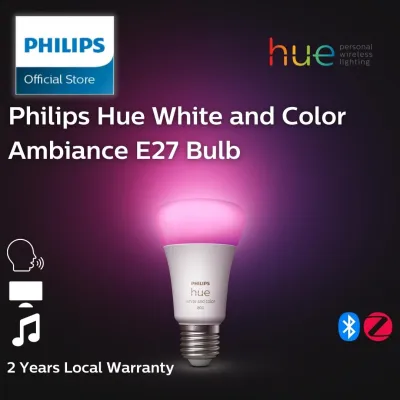
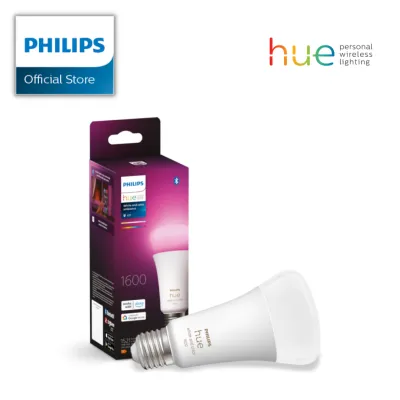
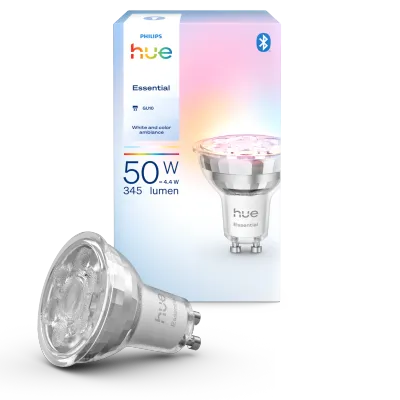
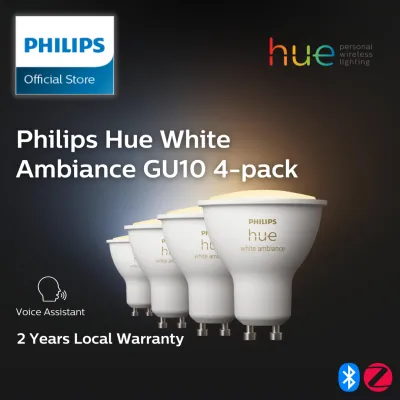
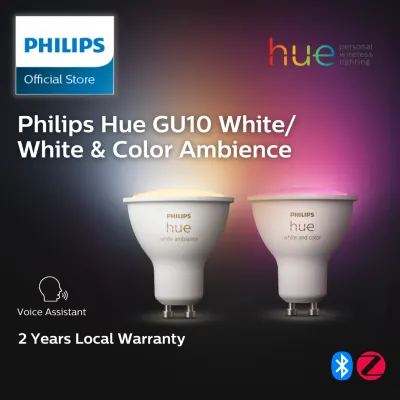
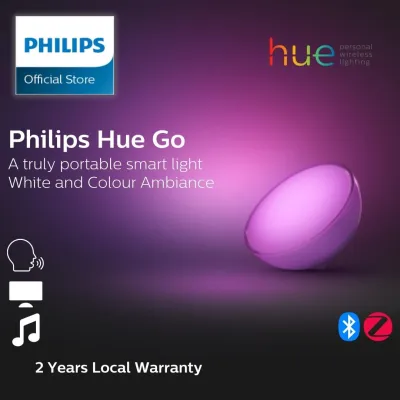
Prices are valid at publication and may change. Please refer to the product page for the latest price.
Additionally, some smart lighting ecosystems rely on an external hub or bridge to manage local network traffic. This hardware acts as a translator between your home router and the individual light bulbs, utilizing low-power communication protocols to coordinate schedules and commands. While the hub itself requires a continuous connection to a power outlet, it offloads the communication burden from the individual bulbs. Understanding how these components interact is essential for calculating the true energy footprint of your smart home setup.
Comparing Philips Hue and Alternative Brands
When comparing a Philips Hue light bulb against alternative smart lighting options, the first step is to locate and analyze the active wattage and lumen output. This information is typically printed on the product packaging or detailed in the official manufacturer specification sheets. By dividing the total lumen output by the active wattage, you can determine the lumens-per-watt rating for each bulb. Comparing these ratings allows you to see which bulb delivers more brightness per unit of electricity, helping you identify the most efficient option for active illumination.

Next, you should check the manufacturer’s documentation for standby power consumption limits. High-quality smart bulbs are designed to enter a low-power network idle state when the light is turned off. Because standby power is not always prominently displayed on retail packaging, you may need to search the manufacturer’s support portals or technical datasheets. Comparing these standby values is crucial, as a bulb with slightly lower active efficacy but significantly lower standby draw may ultimately prove more energy efficient in rooms where lights are rarely turned on.
The underlying network architecture of your chosen system plays a massive role in overall household energy use. Philips Hue primarily utilizes a hub-based Zigbee mesh network, where the bulbs communicate with each other and a central bridge using a low-energy wireless protocol. In contrast, many alternative brands connect directly to your home Wi-Fi router. While direct Wi-Fi bulbs eliminate the need for an external hub, they often require more standby power to maintain a stable connection to a standard home router. Furthermore, crowding dozens of direct Wi-Fi bulbs onto a single router can cause network strain, potentially leading to connection drops and increased power consumption as devices repeatedly attempt to reconnect.
Finally, look for recognized energy efficiency certifications or regulatory labels on the product packaging. In Singapore, look for local safety and efficiency marks, or international equivalents that verify the product has undergone standardized testing. These certifications provide an objective baseline, ensuring that the manufacturer’s claims regarding wattage, standby draw, and lifespan have been independently verified under controlled laboratory conditions.
Calculating Long-Term Value and Electricity Costs
To estimate the actual running costs of different smart bulbs, you must evaluate your household’s specific usage patterns. Start by estimating the daily active hours and standby hours for each fixture. For example, a living room light might be active for five hours a day and in standby mode for the remaining nineteen hours, whereas a hallway light might only be active for one hour. By mapping out these routines and any automation schedules you plan to implement, you can establish a realistic profile of how much energy your lights will consume in both states.
Once you have estimated the daily watt-hours for your active and standby states, you can apply the local electricity tariff to calculate the financial impact. In Singapore, electricity tariffs are billed in S$ per kilowatt-hour (S$/kWh). To convert your daily watt-hours to kilowatt-hours, divide the total by one thousand, then multiply that figure by your current tariff rate. Performing this calculation for both active and standby states over a monthly and annual period will reveal the true cost of operating each bulb type, allowing you to see past the initial purchase price.
Long-term value also requires factoring in the initial purchase price, the expected manufacturer lifespan, and potential replacement costs. A premium smart bulb with a higher upfront cost may offer a longer rated lifespan and superior build quality, reducing the frequency of replacements. Conversely, budget-friendly alternatives might save you money initially but could require more frequent replacement or consume more standby power over time. You must weigh these factors together to determine the total cost of ownership over five to ten years.
Ultimately, you must weigh the trade-offs between a higher upfront investment and potential long-term energy savings or system reliability. A system that requires a dedicated hub involves a higher initial hardware cost, but if you plan to install a large number of bulbs, the lower standby draw of individual Zigbee bulbs can eventually offset the hub’s continuous power consumption. For smaller installations, however, the simplicity and lower initial cost of direct Wi-Fi bulbs may offer better immediate value, even if their individual standby draw is slightly higher.
Making the Right Choice for Your Home
When deciding on the best smart lighting setup, a conditional decision framework can guide you to the most efficient and practical choice. Choose a hub-based system like Philips Hue if you prioritize network stability, plan to install a large number of bulbs throughout your home, and want to minimize individual Wi-Fi router strain. The dedicated bridge manages the local mesh network efficiently, ensuring that adding more bulbs does not degrade your home internet performance or dramatically increase individual standby power draw.
On the other hand, choose direct Wi-Fi alternative brands if you are only installing a few bulbs in select fixtures, have a strict initial budget, and want to avoid the extra cost and physical space of hub hardware. This approach keeps your entry barrier low and simplifies setup, making it ideal for renters or those testing smart home technology in a single room.
Before purchasing any smart bulb, always verify that your existing light fixtures support the required voltage, base type, and physical dimensions. In Singapore, residential electrical systems typically operate on a 230V standard, so you must ensure the bulbs are rated for this voltage. Additionally, check whether your fixtures require an E27 screw base, a GU10 bayonet, or another interface, and measure the physical clearance within the fixture to ensure the smart bulb—which is often slightly larger than a traditional bulb due to its internal electronics—will fit safely.
Finally, safety must always be your top priority. Stop and consult a qualified electrician if you plan to install smart bulbs in enclosed fixtures, damp locations like bathrooms, or on circuits controlled by legacy physical dimmer switches. Standard smart bulbs are not designed to handle the voltage fluctuations caused by traditional wall dimmers, which can lead to flickering, buzzing, or permanent electrical damage. Furthermore, installing bulbs in unventilated enclosed fixtures can trap heat, leading to premature component failure or potential fire hazards. Always isolate the power at the main distribution board before replacing fixtures or performing any electrical work.
Frequently Asked Questions (FAQ)
Do smart bulbs use electricity when turned off?
Yes, smart bulbs continue to draw a small amount of electricity even when they appear to be turned off. In this state, the light-emitting diode itself is deactivated, but the bulb’s internal radio receiver remains powered on so it can listen for wireless commands from your hub, smartphone, or smart home assistant. To find the exact standby power draw, you should check the manufacturer’s technical specifications for your specific bulb model. If achieving zero standby power consumption is a strict priority for certain fixtures, you can use a smart plug or a physical wall switch to cut power completely, though this will disable the bulb’s smart features until the physical power is restored.
Does a smart hub increase my electricity bill?
A smart hub does consume a continuous, low level of electricity because it must remain powered on to manage the local mesh network and process your automation schedules. To determine its exact impact, you can check the power adapter or the official specification sheet for the hub’s rated wattage. While the hub represents an additional continuous power draw, it often improves overall efficiency in larger setups. By allowing individual bulbs to communicate via low-power protocols rather than maintaining individual high-power Wi-Fi connections, a hub-based system can actually result in lower cumulative standby power consumption across a large household compared to using dozens of direct Wi-Fi bulbs.
Community discussion
Share your experience or ask a question. Comments are reviewed before publication.