
Declaring a single absolute winner between Philips Hue and Yeelight for bathroom and shower use is impossible without verifying the specific Ingress Protection (IP) ratings, safety certifications, and installation environments of the exact models you are considering. Bathroom and shower lighting requires strict adherence to electrical safety zones due to the high risk of moisture and water contact. Your choice will ultimately depend on matching the bulb’s moisture resistance to your specific bathroom zone, alongside your existing smart home ecosystem preferences and budget.
To make a safe and functional choice, you must evaluate how each brand’s offerings handle the unique challenges of high-humidity environments. This guide breaks down the essential safety standards, technical specifications, and smart features to help you determine the right option for your home.
Understanding Bathroom Lighting Zones and Moisture Risks
Before selecting any smart bulb or shower lamp, you must understand the standard electrical zones of a bathroom. These zones are defined by their proximity to water sources and dictate the level of moisture protection required for any electrical appliance or light fixture.
Products mentioned in this guide
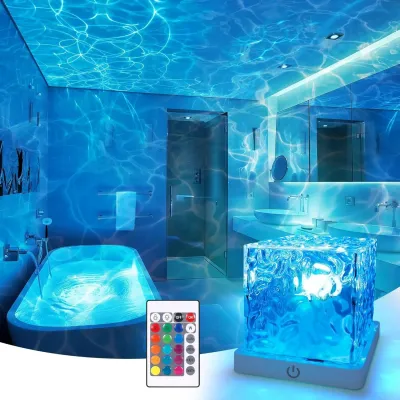
Prices are valid at publication and may change. Please refer to the product page for the latest price.
Zone 0 is the area inside the bath or shower basin itself. Any light fixture installed here must be specifically rated for total immersion, operating on low voltage to prevent severe electrical hazards. Standard smart bulbs from both Philips Hue and Yeelight are entirely unsuitable for Zone 0.
Zone 1 refers to the area directly above the bath or shower, extending up to a height of 2.25 meters from the floor. This zone is subject to direct water spray, splashing, and heavy condensation. Standard smart bulbs are generally unsafe for Zone 1 unless they are installed inside a fully enclosed, vapor-tight fixture specifically rated for wet environments.
Zone 2 covers the area stretching 0.6 meters outside the perimeter of the bath or shower, as well as the immediate area surrounding the washbasin. While direct splashing is less common here, the air remains highly humid, and occasional splashes can occur.
Zone 3, or the outside zone, encompasses any part of the bathroom outside the first three zones. While direct water contact is unlikely, ambient humidity and steam from hot showers still pose a long-term risk to standard electronic components.
In Singapore, residential electrical installations must comply with strict local safety standards to prevent accidents. Any modifications to fixed wiring, installation of new fixtures in damp zones, or work at height must be handled by a licensed electrical worker. Always isolate the mains power at the distribution board before inspecting, installing, or replacing any light fixture in your bathroom.
Comparing Moisture Resistance and Safety Certifications
When comparing Philips Hue and Yeelight for bathroom suitability, your first step must be verifying the Ingress Protection (IP) rating of the specific bulb or fixture. The IP rating consists of two digits: the first indicates protection against solid objects, and the second indicates protection against liquids.

For bathroom installations, you should look for a minimum rating of IP44, which certifies protection against water splashes from any direction. For areas closer to direct water spray, such as Zone 1, an IP65 or higher rating is recommended to protect against low-pressure water jets. Standard indoor smart bulbs from both brands typically lack these ratings and are only rated for dry indoor use.
While both brands offer extensive indoor lighting catalogs, specialized wet-rated or outdoor-certified fixtures are more common than individual wet-rated smart bulbs. If you plan to use a standard smart bulb, you must install it inside a sealed, waterproof fixture that provides the necessary physical protection against moisture.
However, placing a smart bulb inside a fully enclosed, airtight fixture introduces another risk: heat buildup. Smart bulbs contain sensitive wireless transmitters, receivers, and microcontrollers that generate heat during operation. If this heat cannot escape, the internal temperature will rise rapidly, degrading the electronics and significantly shortening the lifespan of the bulb, regardless of how well it is protected from moisture.
Additionally, you must verify that any lighting product you purchase complies with local electrical standards. In Singapore, look for the Safety Mark on the product packaging or manufacturer specifications to ensure the device has been tested and registered. Always check that the operating voltage matches the standard 230V grid and that the base interface, such as E27 or GU10, matches your existing socket.
Smart Features and Ecosystem Compatibility for Bathrooms
Beyond physical safety, the smart functionality of your bathroom lighting plays a major role in daily convenience. Both Philips Hue and Yeelight offer features that can enhance your routines, but they rely on different underlying technologies.
Automating your bathroom lights can prevent the need to touch physical switches with wet hands. Philips Hue offers highly responsive motion and presence sensors that integrate seamlessly within its ecosystem. This allows you to configure gentle, low-light paths for late-night bathroom visits without waking yourself up. Yeelight also supports motion automation, though the setup process and responsiveness may depend on the specific smart home platform or third-party sensors you use.
Adjusting color temperature is another valuable feature for bathroom environments. A cool, bright white light can help you feel alert and energized during a morning shower, while a warm, dim amber glow is ideal for a relaxing evening bath. Both brands offer tunable white and color-changing options, allowing you to customize the atmosphere to match your mood.
The wireless protocol used by each brand significantly affects performance, especially behind thick bathroom walls. Philips Hue primarily utilizes the Zigbee protocol, which requires a dedicated Hue Bridge. Zigbee creates a local mesh network where each mains-powered bulb acts as a signal repeater, ensuring highly stable connectivity even in distant rooms.
In contrast, many Yeelight models connect directly to your home Wi-Fi network or use Bluetooth. While this eliminates the need for a dedicated hub, thick concrete walls—common in Singapore apartments—can block or degrade Wi-Fi signals. If your wireless router is located far from the bathroom, a Wi-Fi-based bulb may frequently go offline or suffer from delayed response times.
Finally, consider physical switch compatibility. If a family member turns off the traditional wall switch, a smart bulb loses power and cannot be controlled via apps or automation. Integrating compatible smart switches or wireless button covers is essential to keep the system functional for everyone in the household.
Value, Pricing, and Long-Term Maintenance
The financial investment required for each ecosystem is a key deciding factor for many homeowners. Philips Hue is widely positioned as a premium smart lighting option, with individual bulbs and specialized fixtures commanding higher prices in S$.
Yeelight generally offers a more budget-friendly entry point. Because many of its bulbs do not require a dedicated hub, the initial cost to smarten up a single bathroom is significantly lower. However, if you plan to expand your smart lighting throughout your entire home, the cost of adding a Philips Hue Bridge becomes a minor fraction of the overall investment, offset by the stability of a dedicated mesh network.
Long-term maintenance is crucial for any electronics installed in damp environments. Regularly inspect your bathroom light fixtures for any signs of condensation or water ingress inside the housing. Check the metal contacts of the bulb base for corrosion, which can cause flickering, poor electrical contact, or safety hazards.
If you observe persistent flickering, physical deformation of the bulb’s plastic casing, or visible moisture inside the unit, immediately isolate the power at the main distribution board. Replace the compromised bulb rather than attempting to dry or repair it, as compromised insulation poses a severe electrical risk in wet areas.
Decision Framework: Which Smart Bulb Should You Choose?
To finalize your decision, evaluate your specific bathroom setup, existing smart home devices, and safety requirements against the following criteria.
Choose Philips Hue if you prioritize a highly stable Zigbee mesh network that can easily penetrate thick bathroom walls, require extensive integration with third-party smart home platforms, already own or plan to buy the Hue Bridge, and are willing to invest in a premium ecosystem.
Choose Yeelight if you prefer a hub-free Wi-Fi setup for a few isolated bulbs, want a budget-friendly way to introduce color tuning and automation to your bathroom, and are installing the bulbs in lower-risk areas like Zone 2 or Zone 3.
Neither brand may fit your needs if you require lighting directly inside a shower enclosure (Zone 0 or Zone 1) and cannot find a model from either brand that is explicitly certified and rated for direct water exposure. In such cases, you must source a dedicated, low-voltage waterproof fixture with an integrated LED or a certified waterproof housing.
Always verify the ventilation status of your bathroom before installing any smart lighting. If your bathroom lacks proper mechanical ventilation or an active exhaust fan, chronic high humidity will eventually degrade standard indoor smart bulbs, regardless of the brand you choose.
Frequently Asked Questions (FAQ)
Can I use a standard Philips Hue or Yeelight bulb inside a closed shower enclosure?
Standard indoor smart bulbs from both brands lack the necessary IP rating to withstand direct water exposure, high condensation, or steam. Installing them inside a closed shower enclosure poses a significant risk of short circuits and electrical hazards. Furthermore, placing a smart bulb inside a fully enclosed, airtight fixture traps heat, which can rapidly degrade the internal wireless components and cause premature failure. Always use fixtures and bulbs explicitly certified for wet locations and consult a professional installer.
Do smart bulbs work well with bathroom exhaust fans and humidity?
Smart bulbs do not directly control bathroom exhaust fans unless you integrate them into a broader smart home routine using compatible smart switches or sensors. However, running an exhaust fan is highly beneficial for your smart lighting. By actively reducing ambient humidity and clearing steam, a good ventilation system helps protect the internal electronics of your smart bulbs, significantly prolonging their operational lifespan.
Community discussion
Share your experience or ask a question. Comments are reviewed before publication.