
When comparing Philips LED bulbs to other major lighting brands, there is no single universal winner for every application. True energy efficiency and long-term savings depend on verifying specific packaging metrics—such as lumens per watt and rated lifespan—against your local electricity tariffs and usage patterns. This guide provides a practical framework to evaluate Philips and competing brands side-by-side, ensuring you select the most cost-effective and reliable lighting for your space.
Selecting the right bulb involves looking past marketing buzzwords and focusing on verified technical specifications. While many manufacturers promise significant energy reductions, the actual performance of an LED bulb is governed by its internal driver quality and thermal management. By understanding how to read these specifications, you can make an informed decision that balances upfront costs with ongoing utility bills.
Key Metrics for Comparing LED Energy Efficiency
To determine which LED bulb offers the highest efficiency, you must look at the luminous efficacy, which is measured in lumens per watt (lm/W). This ratio tells you exactly how much light (lumens) the bulb produces for every watt of electricity it consumes. A higher lm/W rating indicates a more efficient bulb that will lower your electricity consumption without sacrificing brightness.
Products mentioned in this guide
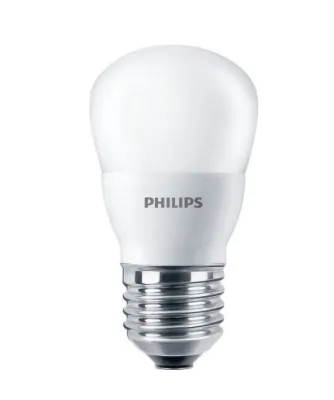
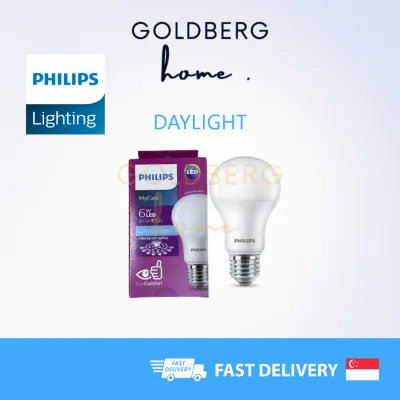
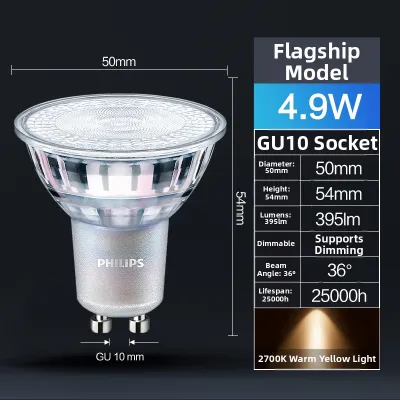
![[3 Year Warranty] [Authorized Dealer] Philips GU10 LED Spotlight Bulb Philips Essential LEDspot MV 4.7W GU10](https://img.lazcdn.com/g/p/f05426a137fb394924178754ffb22158.png_400x400q80.png_.webp)
Prices are valid at publication and may change. Please refer to the product page for the latest price.
When comparing Philips LED bulbs to other brands, always check the actual wattage consumption rather than relying solely on the equivalent traditional wattage claims printed on the box. For example, a bulb labeled as equivalent to a traditional incandescent bulb might consume fewer watts in one brand than another while producing the same light output. Over several years of daily operation, these small differences in actual power draw accumulate into noticeable differences on your utility bill.
The physics of LED efficiency explains why driver quality is so critical. The internal driver converts alternating current (AC) from the mains to the direct current (DC) required by the LED chips. A highly efficient driver wastes very little energy as heat during this conversion process, ensuring that more electricity is converted into usable light.
Sometimes, the color temperature of the bulb can also influence its overall efficiency. Cooler color temperatures, such as cool daylight, often have a slightly higher luminous efficacy than warmer color temperatures, like warm white, due to the specific phosphor coatings applied to the LED chips. When comparing different brands, ensure you are comparing bulbs of the same color temperature to make a fair and accurate efficiency comparison.
Additionally, look for official energy efficiency labels and certifications printed on the packaging. In Singapore, look for the Mandatory Energy Labelling Scheme (MELS) ticks or other recognized international certifications that verify the manufacturer’s efficiency claims. These independent labels provide a standardized basis for comparison, ensuring that the performance metrics you rely on have been verified by third-party testing.
Calculating True Long-Term Cost Savings
Calculating the total cost of ownership requires looking beyond the initial retail price of the bulb. A cheaper bulb might save you money at the cash register but could cost more over its lifespan if it consumes more electricity or requires premature replacement. To find the true value, you must calculate the lifetime energy cost and add it to the upfront purchase price.

You can estimate the lifetime energy expenditure of any LED bulb using a straightforward formula. First, calculate the total lifetime energy consumption in kilowatt-hours (kWh) by multiplying the bulb’s wattage by its rated lifespan (in hours) and dividing by 1,000. This calculation gives you the total electrical energy the bulb will draw over its entire operational life.
Next, multiply this lifetime consumption by your local electricity tariff (expressed in S$ per kWh) to find the total lifetime energy cost. Adding this calculated energy cost to the initial purchase price of the bulb gives you the total cost of ownership, allowing you to compare different brands accurately.
Furthermore, you must factor in the rated lifespan of the bulb, which is typically stated in hours on the packaging. A bulb with a shorter lifespan will need to be replaced sooner, meaning you will incur the purchase price and the physical effort of replacement multiple times compared to a longer-lasting alternative.
In homes with high ceilings, double-volume living rooms, or outdoor gate lights, replacing a bulb requires a ladder, safety precautions, or even hiring a handyman. In these scenarios, choosing a bulb with the longest verified lifespan is highly cost-effective, regardless of minor differences in the initial purchase price.
Philips LED vs. Competitors: Specifications to Verify
When evaluating Philips against other major lighting brands, a side-by-side comparison of specific physical and performance attributes is essential. Start by checking the warranty terms provided by each manufacturer. Look closely at the warranty length and whether it covers premature failure under normal residential use, as some warranties are voided if the bulb is used in commercial settings or enclosed fixtures.
The claimed lifespan of an LED bulb is often calculated under specific laboratory conditions, such as an average usage of several hours per day. If your household usage is significantly higher, or if the bulb is installed in a hot, unventilated ceiling space, the actual lifespan may be shorter. Verify whether the manufacturer specifies any operating temperature limits or fixture restrictions on the packaging.
In Singapore, the standard mains voltage is 230V AC at 50Hz, so you must ensure any bulb you purchase is rated for 220V-240V. Look for the Safety Mark on the packaging, which indicates the product has been tested and certified to meet local safety standards. Using non-certified bulbs can pose electrical fire risks or cause damage to your home’s wiring.
LED bulbs come in various fittings, such as E27 (screw), E14 (small screw), GU10 (bi-pin spotlight), and B22 (bayonet). Additionally, check the physical dimensions (overall length and diameter) of the bulb. Some high-efficiency LED bulbs have larger heat sinks or different shapes than traditional bulbs, which might prevent them from fitting inside tight glass shades or recessed downlight canisters.
Another technical specification to verify is the power factor of the bulb, which measures how effectively the internal driver uses the incoming electrical current. A higher power factor indicates a more efficient driver design that minimizes electrical waste and heat generation. While residential utility bills are typically based on real power consumption, a high-quality driver with a good power factor is generally more reliable over time.
Dimming compatibility is another critical factor that varies widely between brands. If you plan to use a dimmable LED bulb, verify that it is compatible with your existing wall dimmer switches, as mismatched drivers can cause annoying flickering or buzzing. Many major brands, including Philips, publish online compatibility lists detailing which dimmer models have been tested and approved for use with their bulbs.
Finally, compare the Color Rendering Index (CRI) and color temperature consistency. A higher CRI ensures that colors appear natural and vibrant under the light. When buying multiple bulbs for a single room, check that the color temperature (measured in Kelvin) matches exactly across all packages, as minor variations between batches or brands can create an inconsistent visual environment.
Decision Framework: Which Brand Fits Your Needs?
Choosing between Philips and other major LED brands depends on your specific priorities, budget, and installation environment. Philips LED bulbs are often the preferred choice if you value wide retail availability, established warranty support, or seamless integration into specific smart home ecosystems. Their standard replacement bulbs are highly reliable and easily sourced from local hardware stores and supermarkets.
On the other hand, alternative major brands may be more suitable if you have highly specialized lighting requirements. For instance, some competitors specialize in ultra-high CRI bulbs for art studios, specific bulk commercial pricing for large-scale renovations, or unique decorative filament styles that match vintage aesthetics. Evaluating these niche needs will help you determine if a specialty brand is worth the investment.
Regardless of the brand you choose, always verify the installation environment before purchasing. If you are installing bulbs in enclosed fixtures, damp locations like bathrooms, or pairing them with legacy dimmer switches, check the product specifications to ensure the bulb is rated for those conditions. For complex installations, work at height, or fixed electrical wiring modifications, always isolate the power supply and consult a qualified professional to ensure safety.
Frequently Asked Questions (FAQ)
Do smart LED bulbs consume power when turned off?
Yes, smart LED bulbs consume a very small amount of standby power even when they are turned off via an app or voice command. This standby power is necessary to keep the bulb’s wireless receiver active so it can listen for your next command. While this idle consumption is typically very low (often a fraction of a watt), it does run continuously, so you should factor this minor ongoing energy draw into your long-term savings calculations if you plan to install dozens of smart bulbs throughout your home.
Can I mix Philips LED bulbs with other brands on the same dimmer switch?
It is highly recommended to avoid mixing different brands or models of LED bulbs on a single dimmer circuit. Different manufacturers use different internal driver designs, which react uniquely to the electrical signals sent by a dimmer switch. Mixing them can lead to uneven dimming levels, flickering, buzzing, or even premature failure of the bulbs. For the best performance and consistent light output, use identical bulbs from the same brand and batch on any dimmed circuit.

Community discussion
Share your experience or ask a question. Comments are reviewed before publication.