
When choosing between a Philips LED bulb and alternative brands, the decision often comes down to balancing upfront cost against long-term reliability, light quality, and compatibility. While Philips is a prominent premium brand known for consistent manufacturing standards, the actual brightness and lifespan of any LED bulb depend heavily on technical specifications, installation environments, and fixture compatibility rather than brand name alone. Understanding how to read packaging metrics and evaluate your home’s electrical setup is key to making an informed purchase.
For most residential and commercial spaces, comparing brands requires looking past marketing claims and focusing on standardized performance data. Both premium and budget manufacturers must list key specifications on their packaging, including light output, power consumption, and safety certifications. By learning to interpret these metrics, you can determine whether a premium option like a Philips LED bulb justifies its higher initial price or if a more affordable alternative will suit your space just as well.
Decoding Brightness: Lumens, Watts, and Color Temperature
To accurately compare the brightness of a Philips LED bulb against other brands, you must shift your focus from wattage to lumens. In older incandescent lighting, wattage was a reliable indicator of brightness because more power directly correlated with more light. Modern LED technology is far more efficient, meaning that different brands can produce the same amount of light while consuming different amounts of power. Always compare the initial lumen output listed on the packaging to understand the true light output of the bulb.
Products mentioned in this guide
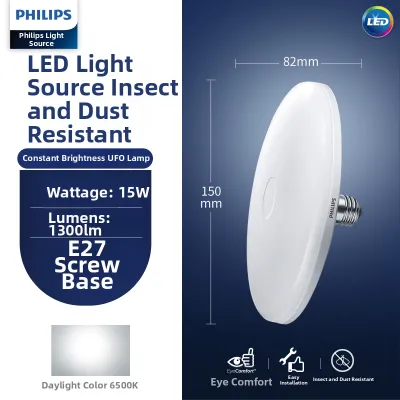
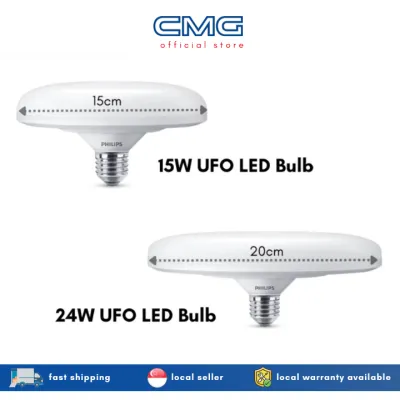
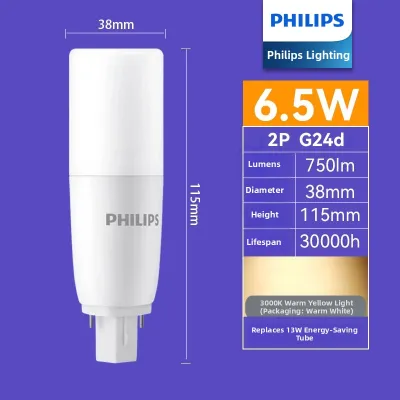
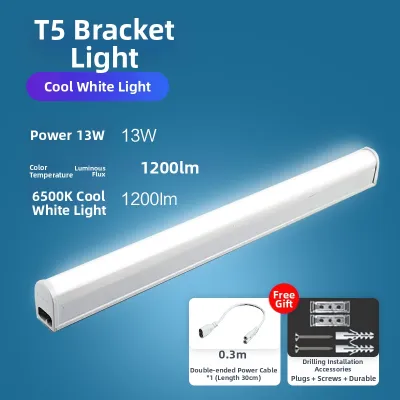
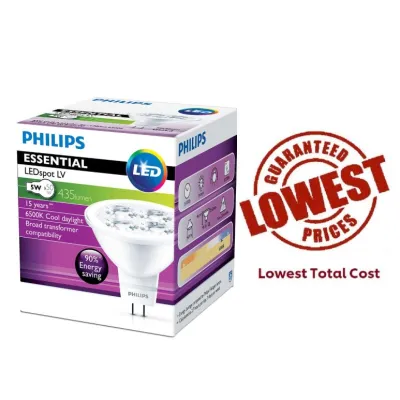
Prices are valid at publication and may change. Please refer to the product page for the latest price.
Luminous efficacy, measured in lumens per watt (lm/W), reveals how efficiently a bulb converts electricity into light. A high-quality Philips LED bulb might produce 806 lumens using only 7.5 watts, whereas a budget alternative might require 9 or 10 watts to achieve the same brightness. While this small difference in wattage may seem negligible for a single bulb, it can accumulate significantly across an entire home or office over several years of daily use.
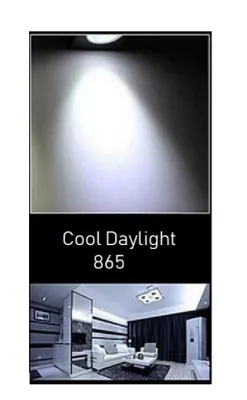
Color temperature, measured in Kelvin (K), also plays a critical role in how bright a room feels. LED bulbs generally range from warm white (2700K to 3000K) to cool daylight (6500K). Warm white creates a cozy, relaxing atmosphere suitable for bedrooms and living areas, but it can sometimes feel dimmer to the human eye. Cool daylight is highly favored in Singaporean households for task-oriented spaces like kitchens, studies, and bathrooms because the blue-toned light enhances contrast and perceived brightness. When comparing brands, ensure you are matching identical Kelvin ratings, as even a slight mismatch can make one bulb look significantly dimmer or harsher than another.
Perceived brightness is also influenced by physical design factors such as beam angle, bulb shape, and fixture design. An omnidirectional A60 bulb distributes light widely across a room, making it excellent for general ambient lighting. Conversely, a directional spotlight, such as a GU10 bulb, concentrates its lumens into a narrow beam, making it feel much brighter in a specific spot. If you install an omnidirectional bulb in a recessed downlight fixture, much of the light may be trapped inside the ceiling cavity, reducing the effective brightness regardless of the brand’s quality.
Evaluating Lifespan and Longevity Claims
When comparing the longevity of a Philips LED bulb to cheaper alternatives, the “Rated Life” printed on the box is a standard starting point. Most reputable brands claim a lifespan ranging from 15,000 to 25,000 hours, which translates to over a decade of typical residential use. However, these figures are calculated under highly controlled laboratory conditions—usually at a stable ambient temperature of 25°C with open ventilation—which rarely reflect real-world operating environments.

In tropical climates like Singapore, high ambient temperatures and humidity can accelerate the degradation of sensitive electronic components inside the LED driver. The driver, which converts alternating current (AC) to direct current (DC), is almost always the first part of the bulb to fail, long before the actual LED chips wear out. Cheap alternative brands often cut costs by using lower-grade capacitors and resistors in their drivers, making them more susceptible to heat-induced failure.
Fixture design is another critical factor that affects real-world durability. If you install an LED bulb inside a fully enclosed fixture, such as a flush-mount ceiling dome common in HDB flats, heat cannot escape. The trapped heat builds up rapidly, baking the internal driver and drastically shortening the bulb’s lifespan. Some manufacturers explicitly state on their packaging whether a bulb is suitable for enclosed fixtures; installing a non-compliant bulb in an enclosed space will likely lead to premature failure, regardless of the brand.
Electrical compatibility, particularly with dimming systems, also impacts longevity. Mismatched dimmers can cause subtle, high-frequency flickering that strains both your eyes and the bulb’s internal circuitry. If you plan to use dimmable LEDs, you must verify that the bulb is explicitly marked as dimmable and check the manufacturer’s dimmer compatibility list. Using a non-dimmable bulb on a dimmer circuit, or pairing a dimmable bulb with an incompatible leading-edge or trailing-edge dimmer, can cause buzzing, flickering, and rapid driver burnout.
Assessing Value, Warranties, and Certifications
Evaluating the true value of an LED bulb requires looking beyond the upfront purchase price in S$. A comprehensive value assessment factors in the warranty period, local safety certifications, and long-term operating costs. Premium brands like Philips typically offer robust local warranties, often ranging from one to three years. These warranties serve as a proxy for manufacturer confidence and are generally straightforward to claim through local distributors or retail partners, whereas budget brands bought online may offer no warranty or require costly return shipping.
Safety certifications are non-negotiable when installing electrical products in your home. In Singapore, look for the Safety Mark on the bulb’s packaging or body. This mark indicates that the product has been tested and certified to meet local electrical safety standards, minimizing the risk of short circuits, electrical shocks, or fires. Many generic or unbranded LED bulbs sold on international ecommerce platforms lack this certification, posing a potential hazard to your home’s electrical grid.
To compare the financial value of different brands, you can calculate the lifecycle cost of each option. This calculation combines the upfront purchase price with the projected energy cost over the bulb’s rated lifespan. You can use the following formula to estimate this cost:
Lifecycle Cost = Upfront Price + (Wattage x Rated Lifespan in Hours x Electricity Rate per Kilowatt-Hour / 1000)
By plugging in your local electricity tariff and the specifications from the bulb packaging, you will often find that a slightly more expensive, highly efficient bulb with a longer rated lifespan costs significantly less over its lifetime than a cheap, inefficient alternative that requires frequent replacement.
Decision Framework: Which Brand Fits Your Needs?
To choose the right LED bulb for your specific situation, consider your priorities regarding light quality, smart home integration, and budget. A Philips LED bulb is highly suitable if you prioritize consistent color rendering (CRI), which ensures that colors in your home look natural and vibrant. Philips is also a strong choice if you want to integrate your lighting into a broader smart home ecosystem, such as Philips Hue or WiZ, or if you value the peace of mind that comes with widely available local warranty support.
Alternative brands may be more appropriate under specific conditions. If you are sourcing specialized decorative bulb shapes, such as vintage Edison-style filament bulbs for an industrial-themed dining area, alternative boutique brands often offer a wider variety of aesthetic designs at competitive prices. Budget-friendly brands are also highly practical when buying in bulk for low-traffic utility areas, such as household bomb shelters, storerooms, or infrequently used corridors, where the lights are only turned on for a few minutes at a time.
However, neither option will perform safely or effectively if the bulb lacks the necessary local safety certifications or if its physical dimensions do not clear your fixture’s enclosure. Before making any purchase, always verify the physical dimensions of the bulb to ensure it fits comfortably within your existing shades or downlight canisters. Additionally, ensure the bulb matches your local grid voltage (typically 220V-240V) and features the correct base type, such as E27 screw, E14 small screw, or GU10 twist-lock.
For any installation involving fixed wiring, work at height, damp environments (such as bathrooms or outdoor balconies), or heavy suspended loads, safety must be your top priority. Always isolate the power at the main circuit breaker before replacing bulbs or fixtures. If you are installing new light fixtures, running new wiring, or working in damp zones that require specific IP-rated water protection, consult a licensed electrical contractor to ensure the installation complies with local building and safety regulations.
Frequently Asked Questions (FAQ)
Do Philips LED bulbs really last longer than cheaper alternatives?
While premium brands like Philips generally invest more in high-quality thermal management, robust driver components, and rigorous quality control, a bulb’s actual lifespan depends heavily on its operating environment. A premium bulb installed in a poorly ventilated, fully enclosed fixture in a hot room may fail much sooner than its rated hours suggest. To maximize longevity, always ensure your fixtures have adequate ventilation, avoid mixing dimmable and non-dimmable components, and check the manufacturer’s warranty terms as an indicator of real-world durability.
Can I mix Philips LED bulbs with other brands in the same room?
While you can physically mix different brands of LED bulbs in the same room, it is generally not recommended for areas where visual consistency is important. Even if two bulbs from different brands share the exact same Kelvin rating (such as 3000K) on their packaging, differences in their internal LED chips, phosphor coatings, and Color Rendering Index (CRI) can result in noticeable variations in color tone and brightness. For a cohesive look in main living areas, kitchens, or open-plan spaces, it is best to use the same brand and, if possible, the same manufacturing batch within a single visible zone.

Community discussion
Share your experience or ask a question. Comments are reviewed before publication.