
Selecting the right lighting is a foundational step in executing a successful Japandi interior, a design style that harmoniously fuses Scandinavian functionality with Japanese rustic minimalism. While specific lighting models and their availability in retail stores fluctuate over time, finding a compatible fixture relies on understanding how to evaluate design elements against the core tenets of this aesthetic. A well-chosen pendant light does not merely illuminate a room; it serves as a visual anchor that balances clean lines, natural textures, and warm, diffused light to create a serene, uncluttered atmosphere.
When exploring options from established brands like Philips, the key is to look past generic product categories and focus on specific design markers and technical specifications. By establishing a structured framework for your selection process, you can confidently filter through various LED pendant lights to find fixtures that complement your home’s architecture. This guide outlines the essential aesthetic criteria, technical specifications, and practical installation steps required to curate a lighting setup that is both visually cohesive and safe for your living space.
Identifying Japandi Design Traits in Pendant Lighting
To select a pendant light that aligns with the Japandi aesthetic, you must first understand the visual language of this design movement. Japandi style relies heavily on the concept of finding beauty in simplicity and imperfection, combined with the Scandinavian emphasis on warmth, comfort, and well-being. In lighting design, this translates to fixtures that prioritize understated elegance, organic textures, and soft, glare-free illumination.
Products mentioned in this guide
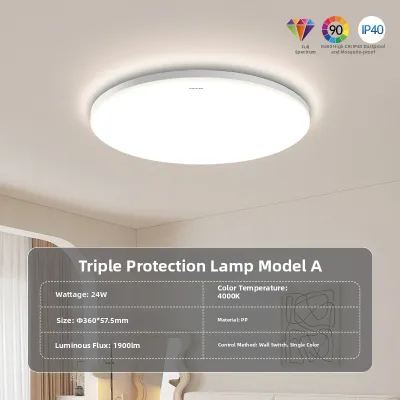
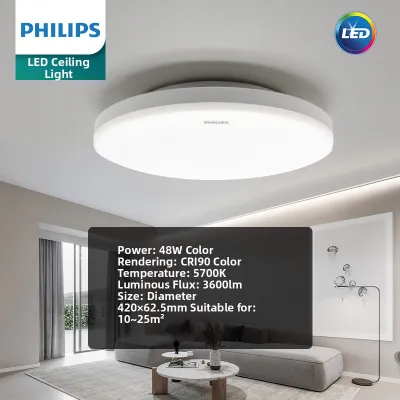
Prices are valid at publication and may change. Please refer to the product page for the latest price.
Minimalist forms and clean geometric lines are the starting point for any Japandi-compatible pendant. Look for fixtures that feature simple shapes, such as perfect spheres, gentle domes, slim cylinders, or flat, disc-like profiles. Avoid fixtures with ornate details, intricate crystal embellishments, or heavy, industrial-style chains and cages. The goal is to choose a design that feels light and unobtrusive, allowing the eye to move naturally through the space without being drawn to an overly complex focal point.
Material finishes play an equally important role in establishing the right texture and tone. While authentic wood, paper, and stone are staple materials in traditional Japandi interiors, modern LED fixtures often utilize high-quality synthetic composites, matte-coated metals, or glass to ensure durability and optimal light distribution. When evaluating Philips LED pendants, look for finishes that mimic or complement these natural elements. Matte black, soft matte white, brushed brass, and wood-grain textures are excellent choices. A matte finish is particularly effective because it absorbs light rather than reflecting it harshly, contributing to a softer, more grounded visual environment.
Finally, the quality of the light itself must support a cozy and relaxed atmosphere. Japandi spaces rely on diffused, indirect lighting to eliminate harsh shadows and reduce eye strain. Pendant lights with integrated diffusers, frosted glass shades, or opaque covers that direct light downward or upward rather than outward are ideal. This ensures that the light source remains comfortable to look at directly, fostering a sense of calm and intimacy in your living areas.
Technical and Visual Specifications for Philips LED Pendants
Beyond aesthetics, selecting the right pendant light requires a careful review of technical specifications to ensure the fixture performs well in your specific environment. The first technical detail to verify is the color temperature, which is measured in Kelvin (K). For a Japandi interior, prioritizing warm white light is essential for creating a welcoming, relaxed mood. Look for fixtures that offer a color temperature between 2700K (extra warm white) and 3000K (warm white). Avoid cool white light (4000K or higher) in living areas and bedrooms, as it can make natural wood finishes look gray and clinical, disrupting the warm, earthy palette of the space.

Lumen output and dimmability are also critical factors to consider. Lumens measure the total amount of visible light emitted by a source, and the required output depends on the size of the room and the primary activities taking place within it. Rather than relying on fixed wattage, check the lumen rating on the product specification sheet. To maintain flexibility, look for Philips LED pendants that feature dimming capabilities. Integrated LED modules with dimmable drivers allow you to adjust the brightness levels to suit different times of day, transitioning from bright, functional light during afternoon tasks to a soft, low-level glow for evening relaxation.
Visual proportions must be carefully managed to maintain a minimalist aesthetic, especially in homes with standard ceiling heights. In Singapore, where standard HDB flat ceilings typically measure around 2.6 meters, a pendant light that is too large or hangs too low can make a room feel cramped and visually heavy. Before purchasing, check the physical dimensions of the fixture, including the shade diameter and the maximum drop length. Opt for pendants with adjustable suspension cables, allowing you to customize the hanging height to suit your space. As a general guideline, ensure there is at least 2.1 meters of clearance from the floor to the bottom of the fixture in high-traffic walkways, or 75 to 90 centimeters of clearance above dining tables and kitchen islands.
Shade opacity is another visual specification that influences how light is distributed. Fully opaque shades, such as those made of matte metal, direct all light downward, creating a focused pool of illumination that is excellent for task lighting. Semi-translucent shades, such as frosted glass or lightweight composites, allow a soft glow to escape horizontally, providing more ambient light to the surrounding room. Evaluate your spatial needs to determine which shade type will best balance functionality with the desired visual effect.
Room-by-Room Selection Guide for Japandi Spaces
Applying these aesthetic and technical criteria across different rooms requires a tailored approach, as each functional area has unique lighting demands. In the dining area, the pendant light serves as a visual anchor for the dining table, creating a gathering point for family and guests. For rectangular tables, a linear pendant light with multiple low-output LED sources or a series of small, matching pendants hung in a row can provide even illumination across the entire surface. For round or square tables, a single, centrally positioned dome or spherical pendant works beautifully. Ensure the light is diffused downward to illuminate meals clearly without casting harsh glare into the eyes of those seated around the table.
In living spaces, the goal is to create a layered lighting scheme that supports relaxation and conversation. A statement pendant light can be used as a central design element, but it should not be the sole source of light in the room. Choose a fixture with a subtle texture, such as a matte-finished dome or a sculptural geometric shape, that complements low-profile Japandi furniture. To prevent glare when watching television or resting, select a pendant with a deep-set LED source or an integrated bottom diffuser that softens the light output. Pair the pendant with warm floor lamps or low-level wall lights to build a balanced, glare-free environment.
Bedrooms and reading nooks require a highly intimate and calming atmosphere. In these areas, consider using low-hanging, low-glare pendants as alternatives to traditional bedside table lamps. Hanging a slim, minimalist pendant on either side of the bed frees up valuable space on your nightstands and adds a touch of modern elegance to the room. Look for fixtures with narrow beam angles or opaque shades that direct light precisely onto the bedside surface, allowing one person to read comfortably without disturbing a sleeping partner. In reading nooks, a single, warm-toned pendant suspended over an armchair creates a cozy, dedicated zone for unwinding.
Electrical Safety and Installation Checks in Singapore
Ensuring a safe and compliant installation is just as important as selecting the right design. When purchasing Philips LED pendant lights, always verify that the fixtures are compatible with Singapore’s standard electrical supply, which operates at 230V and 50Hz. Look for relevant local safety certifications, such as the Safety Mark, on the product packaging or specification sheets. This certification indicates that the product has been tested and declared safe for use under local operating conditions, reducing the risk of electrical faults or hazards.
Ceiling load capacity is a critical structural consideration that must be assessed before mounting any suspended fixture. In Singapore, residential ceilings vary significantly between concrete slabs (common in standard HDB flats) and plasterboard false ceilings (frequently found in condominiums or renovated spaces). Heavy pendant lights require secure anchoring. For concrete ceilings, use appropriate masonry wall plugs and heavy-duty screws. For false ceilings, never mount a heavy fixture directly to the plasterboard; instead, ensure the mounting bracket is secured to the underlying metal framework or structural timber joists. If the fixture is exceptionally heavy, a support chain or independent safety wire may be required.
While some basic lighting replacements can be performed by homeowners, fixed wiring, structural mounting, and working at heights carry inherent risks. Always isolate the power at the main distribution board (DB box) by switching off the relevant circuit breaker before touching any electrical connections. For complex installations, new wiring runs, or heavy fixtures, it is highly recommended to hire a licensed electrical worker (LEW) or a qualified professional. A professional installer will ensure that the wiring complies with local electrical standards (such as CP 5) and that the fixture is structurally secure.
Finally, if you plan to use a dimmable Philips LED pendant, you must verify compatibility between the fixture’s integrated LED driver and your wall dimmer switch. Standard rotary dimmers designed for older incandescent bulbs often cause modern LED drivers to flicker, buzz, or fail prematurely. Ensure your wall switch is a compatible trailing-edge or leading-edge electronic dimmer designed specifically for LED loads. Checking these technical details prior to installation will save time, protect your investment, and ensure your lighting operates smoothly for years to come.
Frequently Asked Questions (FAQ)
Integrating Smart Philips LEDs with Japandi Minimalism
Smart lighting systems, such as those offered by Philips, can enhance a Japandi home by providing precise control over your environment without cluttering your space with physical switches and controllers. Using an app or voice commands, you can adjust the color temperature and brightness of your pendant lights to match the natural rhythm of the day. For instance, you can set a bright, neutral white light for morning focus, and transition to a dim, extra-warm amber glow in the evening to promote relaxation.
To maintain the clean, minimalist aesthetic of Japandi design, it is important to keep the physical smart infrastructure hidden. Ensure that smart bridges, hubs, and excess cabling are neatly tucked away in utility closets or behind media consoles. Choose pendant fixtures with clean, integrated designs where the smart technology is built directly into the bulb or driver, eliminating the need for bulky external adapters or visible wiring. This allows you to enjoy the functional benefits of modern smart home technology while preserving a calm, uncluttered visual environment.
Maintaining Matte and Textured Pendant Finishes
Matte and textured finishes are highly effective at diffusing light and creating a soft visual texture, but they can be sensitive to dust, oils, and fingerprints. To keep your pendant lights looking their best, establish a gentle, regular cleaning routine. Always switch off the power at the wall and allow the LED fixture to cool completely before cleaning to avoid thermal shock or electrical hazards.
For routine maintenance, use a clean, dry microfiber cloth to gently wipe away dust from the shade and suspension cables. Avoid using abrasive scrubbing pads, paper towels, or harsh chemical cleaners, as these can scratch the delicate matte surface or leave permanent shiny patches. If a deeper clean is necessary to remove fingerprints or stubborn spots, use a slightly damp microfiber cloth with a tiny amount of mild, pH-neutral soap. Never spray liquids directly onto the fixture; instead, apply the damp cloth gently, and dry the surface immediately with a separate soft cloth. Always consult the manufacturer’s specific care instructions before applying any liquid cleaners to ensure you do not void the warranty or damage the finish.

Community discussion
Share your experience or ask a question. Comments are reviewed before publication.