
Upgrading to premium GU10 LED spotlights is an effective way to lower electricity bills, but choosing between the market-leading Philips Master LED GU10 and other premium alternatives requires a careful look at technical specifications. While the Philips Master series is highly regarded for its exceptional color rendering and smooth dimming, it does not automatically guarantee the highest energy efficiency across every application. True energy efficiency is a dynamic relationship between luminous efficacy, thermal management, and how well the bulb integrates with your existing electrical setup. To determine which brand delivers the best return on investment, you must evaluate how specific sub-models perform under your unique operating conditions.
How to Evaluate GU10 LED Energy Efficiency
To accurately compare the energy performance of premium GU10 bulbs, you must look beyond the wattage printed on the packaging. Wattage simply measures the electrical power the bulb draws, not the light it produces. The true indicator of energy efficiency is luminous efficacy, measured in lumens per watt (lm/W). A higher lm/W ratio means the bulb delivers more brightness while consuming less electricity, making it the primary metric to use when comparing brands.
When shopping, check local energy labeling standards and certifications. In Singapore, look for the energy label on the packaging, which displays relative efficiency ratings. Additionally, ensure the bulb carries the local safety certification mark, indicating that the internal driver has been tested to meet strict electrical safety standards. These labels provide a verified baseline of performance, helping you avoid low-quality imports that may overstate their efficiency.
Products mentioned in this guide
![[3 Year Warranty] [Authorized Dealer] Philips GU10 LED Spotlight Bulb Philips Essential LEDspot MV 4.7W GU10](https://img.lazcdn.com/g/p/f05426a137fb394924178754ffb22158.png_400x400q80.png_.webp)
![[BUNDLE DEAL] PHILIPS GU10 led bulb/ 4.7W/4.9W/6.2W Essential/ Master/ High CRI/ Dimmable](https://img.lazcdn.com/g/p/3072b5fbd6ce70cce0e36ecf4f803363.jpg_400x400q80.jpg_.webp)
Prices are valid at publication and may change. Please refer to the product page for the latest price.
It is also important to understand how beam angle and color rendering index (CRI) affect perceived brightness and power consumption. A narrow beam angle concentrates light into a tight spot, making a specific area feel highly illuminated without requiring a high-lumen, high-wattage bulb. Conversely, a wider beam angle disperses light over a larger area, which might require a higher-wattage bulb to achieve the same perceived brightness. Furthermore, bulbs with a high CRI require more complex phosphor coatings to render colors accurately, which can slightly lower their overall luminous efficacy compared to standard-grade bulbs.
Philips Master LED GU10: Key Specifications to Verify
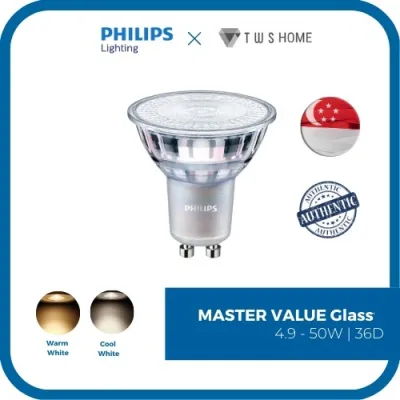
The Philips Master LED GU10 range is not a single product but a diverse family of bulbs, each tailored for specific lighting priorities. When inspecting the packaging, identify the specific sub-variant, such as the Master ExpertColor, Master DimTone, or Master Value series. The ExpertColor series focuses on museum-grade color rendering, which typically trades off a small amount of luminous efficacy for superior light quality. The Master Value series, on the other hand, is engineered to maximize raw lumen output per watt, making it the more energy-efficient choice for general illumination where perfect color rendering is not critical.

Another critical specification to verify is the rated lifespan and the lumen maintenance factor, often designated as L70/B50. This rating indicates the number of operating hours after which 50% of the bulbs are expected to emit less than 70% of their initial light output. A high-quality bulb like the Philips Master typically boasts a robust L70/B50 rating, ensuring that the bulb does not lose its brightness rapidly over time. Rapid lumen depreciation forces you to run bulbs at higher dimming levels or install more fixtures, quietly eroding your long-term energy savings.
Dimmer compatibility is another factor that directly impacts energy efficiency and bulb health. The Philips Master series is designed to work with a wide range of professional dimming systems, but you must verify compatibility with your specific trailing-edge or leading-edge dimmer switches. Using an incompatible dimmer can cause micro-flickering and audible buzzing. This not only ruins the visual ambiance but also subjects the internal driver to unstable electrical currents, leading to hidden energy waste and premature bulb failure.
Finally, pay close attention to the bulb’s thermal management design. Because GU10 bulbs are compact, heat buildup is their primary failure point. Philips Master bulbs utilize advanced heat-dissipating materials to draw heat away from the sensitive LED chips. If you plan to install these bulbs in tight, enclosed downlight fixtures common in false ceilings, superior thermal management is essential to prevent the bulb from overheating, which rapidly degrades both its efficiency and its operational lifespan.
Comparing Other Premium GU10 Brands
When evaluating the Philips Master series against other premium GU10 options from established manufacturers like Osram (Ledvance), Megaman, or Sylvania, look closely at the physical construction and material quality. Premium alternatives often feature robust ceramic or heavy-duty aluminum heat sinks, whereas budget-tier bulbs rely almost entirely on thin thermoplastics. Ceramic and aluminum offer significantly higher thermal conductivity, keeping the internal junction temperature low and ensuring the bulb maintains its rated efficiency over years of continuous use.
Warranty terms offer an indirect but highly reliable indicator of a manufacturer’s confidence in their product’s energy stability and lifespan. Premium brands typically offer multi-year warranties, often ranging from two to five years. A longer warranty period suggests that the manufacturer has utilized high-grade internal components, such as premium capacitors in the driver, which are better equipped to handle local voltage fluctuations without degrading or failing prematurely.
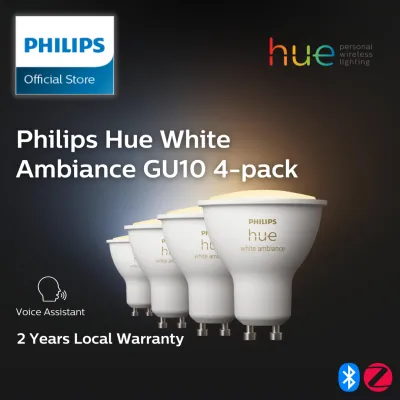
If you are considering smart or connected GU10 variants from alternative premium brands, you must factor in standby power draw. Unlike standard bulbs, smart GU10 bulbs remain continuously connected to a wireless network even when the light is turned off. This standby power draw, while small per bulb, can accumulate across a home or office with dozens of spotlights. If your primary goal is absolute energy efficiency, a high-quality, non-smart dimmable GU10 like the Philips Master paired with a physical dimmer switch will always outperform a smart bulb system in terms of raw electricity savings.
Calculating Real-World Electricity Savings
To determine whether investing in a premium GU10 bulb is financially viable for your space, you can calculate your estimated annual electricity costs using a simple formula. Multiply the bulb’s wattage by the number of daily operating hours, multiply by 365, and divide by 1,000 to find the annual kilowatt-hours (kWh) consumed. Finally, multiply this number by your current local electricity tariff in S$ per kWh. Comparing this figure across different bulb wattages will reveal the exact annual cost difference.
For example, if you are replacing older halogen spotlights with premium LEDs, the payback period is remarkably short. However, when comparing a premium LED like the Philips Master to a slightly cheaper, less efficient LED alternative, the break-even point depends heavily on your usage patterns. In high-usage zones such as kitchens, living rooms, or commercial retail displays where lights remain on for eight or more hours a day, the energy savings from a highly efficient bulb will quickly offset the higher upfront purchase price.
In contrast, low-usage areas like guest bathrooms, hallways, or storage closets may not see a rapid return on investment. In these spaces, the upfront cost premium of a high-end bulb might take several years to recoup. Therefore, it is often most cost-effective to deploy your highest-efficiency premium bulbs in high-traffic areas first, while using standard options in infrequently accessed zones.
Additionally, consider the secondary energy savings related to your air-conditioning load. In tropical climates, traditional lighting can emit significant amounts of heat, forcing your air-conditioning system to work harder to maintain a cool indoor temperature. By upgrading to highly efficient premium GU10 LEDs that emit minimal heat, you directly reduce the thermal load on your cooling system, leading to additional, noticeable reductions in your monthly utility bills.
Decision Framework: Which Premium GU10 Fits Your Needs?
Choosing the right premium GU10 bulb comes down to aligning your specific lighting requirements with the unique strengths of each brand. Opt for the Philips Master LED GU10 series if you prioritize exceptional light quality, high color rendering, and smooth, professional-grade dimming curves alongside strong baseline energy efficiency. It is the ideal choice for living rooms, dining areas, and art displays where visual comfort and precise light control are paramount.
On the other hand, you should explore alternative premium brands if your project requires specialized features such as ultra-narrow beam angles for dramatic accent lighting, specific smart home ecosystem integrations without the need for external hubs, or if another manufacturer offers a warranty structure that better aligns with your commercial project requirements.
Before making any purchase, always perform a physical and electrical compatibility check. Measure the depth and diameter of your existing downlight fixtures, as some premium bulbs with advanced heat sinks are slightly larger than standard halogens. If your installation involves fixed wiring, working at heights, or damp environments like bathrooms, always isolate the power at the main distribution board before replacing bulbs, and consult a qualified licensed electrician for any structural or wiring modifications.
Finally, remember that neither option may be necessary if your basic lighting needs do not require advanced features. If you do not need dimming capabilities, high color accuracy, or architectural-grade light distribution, standard, non-dimmable GU10 bulbs from reputable brands will provide reliable, energy-efficient illumination at a fraction of the upfront cost, allowing you to save money without paying for premium features you will not use.
Frequently Asked Questions (FAQ)
Does a higher CRI GU10 bulb consume more electricity?
Yes, high-CRI bulbs typically consume slightly more electricity to produce the same amount of visible light. Achieving a high Color Rendering Index (CRI of 90 or above) requires a more complex blend of phosphors inside the LED. These phosphors absorb blue light and re-emit it across a broader, more natural spectrum, which inherently reduces the bulb’s luminous efficacy (lumens per watt). Consequently, a high-CRI bulb may require a slightly higher wattage to match the brightness of a standard CRI 80 bulb.
Can I mix Philips Master GU10 with other brands on the same dimmer switch?
It is highly discouraged to mix different bulb brands or even different models from the same brand on a single dimming circuit. Different manufacturers utilize unique internal driver designs, capacitors, and dimming profiles. Mixing them on one switch often leads to electrical imbalances, resulting in uneven dimming, visible flickering, audible buzzing, and accelerated wear on the internal electronics, which can significantly shorten the lifespan of all bulbs on the circuit.
Do premium GU10 LEDs really last as long as the packaging claims?
The rated lifespan of a premium LED (such as 25,000 hours) is calculated under optimal laboratory conditions with perfect ventilation and stable voltage. In real-world installations, factors like poor heat dissipation in tight false ceilings, high ambient temperatures, and local voltage fluctuations can accelerate driver degradation. To maximize the actual lifespan of your bulbs, ensure your downlight fixtures have adequate clearance for air circulation and avoid installing them in completely sealed, unventilated enclosures.
Community discussion
Share your experience or ask a question. Comments are reviewed before publication.