
Choosing the right study table lamp in Singapore requires balancing optical safety, desk layout, smart features, and budget. Philips, BenQ, and Xiaomi represent three distinct philosophies in task lighting. Philips offers balanced, reliable optical design at a mid-range price point. BenQ targets high-end, screen-heavy workspaces with specialized asymmetric projection. Xiaomi focuses on minimalist, smart-ecosystem integration at a highly accessible entry price.
Choose Philips if you want a dependable, long-lasting lamp with proven glare-reduction technology, straightforward physical controls, and a solid mid-range price. It is ideal for traditional textbook reading and writing where smart home integration is secondary.
Choose BenQ if you require advanced ergonomic design, work extensively with both monitors and paperwork, and want premium eye-care features like auto-dimming and wide-angle asymmetric light distribution. Be prepared to invest a higher premium for these specialized features.
Products mentioned in this guide
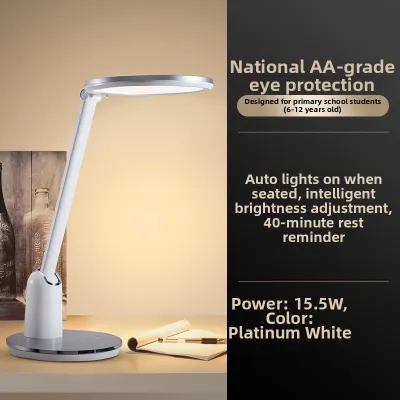
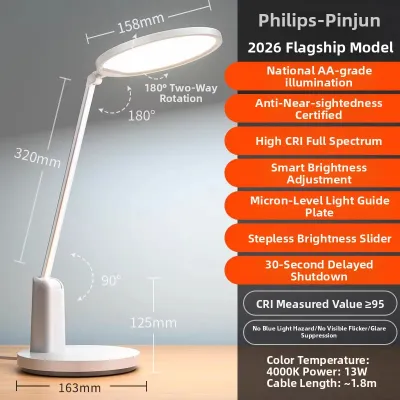
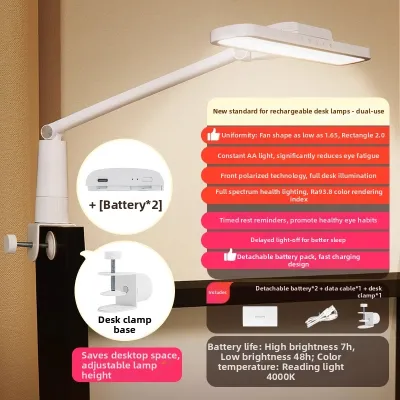
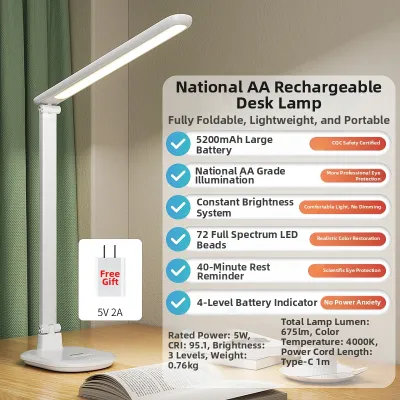
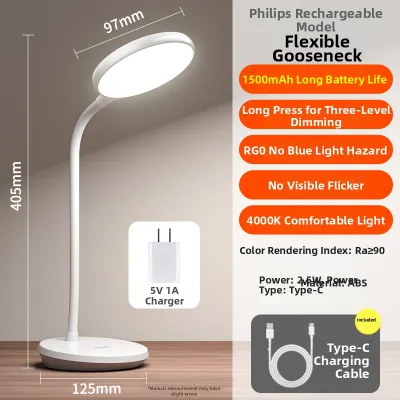
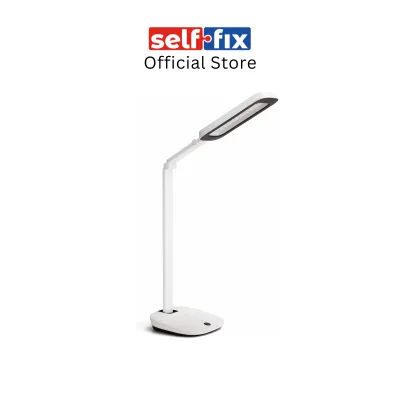
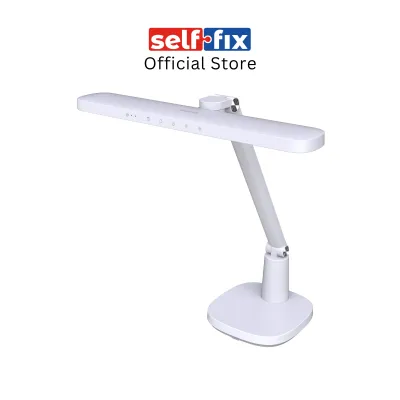
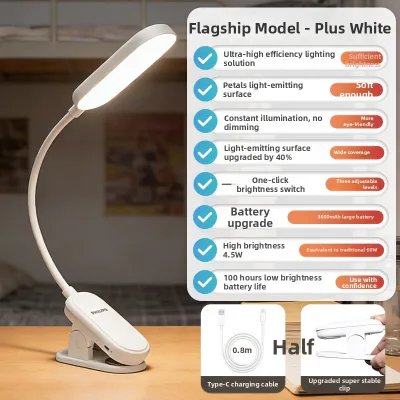
Prices are valid at publication and may change. Please refer to the product page for the latest price.
Choose Xiaomi if you prioritize smart home automation, app-based adjustments, a minimalist aesthetic, and want advanced features like customizable color temperatures on a stricter budget.
Ultimately, there is no single absolute winner among these brands. The best choice depends on your specific desk setup, your daily study habits, and whether your work is primarily paper-based or screen-based.
What to Look for in a Study Table Lamp
Task lighting is not just about brightness; it is about how evenly that light spreads across your workspace. High contrast between a bright spot directly under the bulb and dark corners on the desk forces your pupils to dilate and constrict repeatedly, leading to rapid eye fatigue. Look for lamps that provide broad, uniform coverage across your entire primary working zone to maintain visual comfort during long hours.
Color Rendering Index (CRI) measures how accurately a light source reveals the true colors of objects compared to natural sunlight, rated on a scale up to Ra 100. For studying, reading colored diagrams, or doing artwork, a high CRI (typically Ra 90 or above) is highly recommended. Lower CRI values can make texts look dull and colors distorted, causing subtle cognitive strain over long periods.
Direct glare occurs when the light source shines directly into your eyes, while reflective glare bounces off glossy pages or computer screens. Quality lamps use diffusers, honeycomb lenses, or polarizing filters to scatter light and minimize glare. Invisible high-frequency flicker can also trigger headaches and eye strain; look for certified flicker-free options that provide stable light output.
Your lighting needs shift throughout the day to match your body’s natural rhythms. Cool white light (around 5000K) helps promote focus and alertness during daytime study sessions. Warm light (around 3000K or lower) is gentler on the eyes in the evening and supports natural melatonin production before sleep. Multi-axis adjustability allows you to position the lamp head to prevent shadows, particularly opposite your writing hand.
Philips Study Lamps: Reliable Optics and Build Quality
Philips has long been a household name in Singapore’s lighting sector, recognized for consumer-grade safety and reliable engineering. Their study lamp range is largely built around practical, daily usability with a strong focus on eye comfort. Rather than chasing smart home trends on every model, Philips concentrates on stable, flicker-free light output and robust physical construction.

A key feature of many Philips study lamps is their proprietary lens technology, such as honeycomb diffusers designed to distribute light evenly and reduce glare. By scattering light through micro-lens arrays, these lamps create a softer beam pattern that minimizes harsh shadows on paper. The physical controls are generally straightforward, utilizing tactile buttons or simple touch sliders that are easy for children and adults to operate without a smartphone.
In terms of value, Philips occupies a highly competitive mid-range tier in Singapore, typically ranging from S$50 to S$150 depending on the model’s complexity. This positioning makes them an accessible upgrade from generic desk lights without entering the premium price bracket. The build quality is consistently durable, featuring sturdy hinges and weighted bases that prevent accidental tipping.
However, buyers should note certain limitations. Entry-level and mid-range Philips models often lack advanced smart home connectivity or automatic dimming sensors that adjust to ambient light. Additionally, while their light spread is excellent for standard-sized desks, it may not match the ultra-wide, specialized coverage of high-end architectural or screen-reading lamps. Always check the specific product packaging or manufacturer specifications to verify the exact lumen output and color rendering index of your chosen model.
BenQ vs. Xiaomi: Premium Eye-Care vs. Smart Value
BenQ: Premium Optical Engineering and Ergonomics
BenQ has carved out a specialized niche by treating desk lighting as a piece of high-precision optical equipment. Their premium study lamps are engineered specifically for modern workspaces where users constantly switch between physical paper and digital screens. The standout feature of their flagship series is the curved lamp head, which delivers a wide, highly uniform arc of light across the desk.
Unlike traditional lamps that cast a symmetrical cone of light, BenQ utilizes advanced asymmetric optical designs. This directs the light at an angle to illuminate the desk surface while avoiding direct glare on computer screens or into the user’s eyes. Additionally, these lamps often feature built-in ambient light sensors that automatically adjust the brightness level in real-time to match the surrounding environment.
These advanced ergonomic designs and high-grade materials place BenQ firmly in the premium price bracket in Singapore, often exceeding S$200 to S$300. While the initial investment is significant, it is highly suited for professionals, university students, or anyone spending long hours at a dual-purpose monitor and writing desk.
Xiaomi: Smart Integration and Budget-Friendly Design
Xiaomi approaches the study lamp market from a tech-first, highly economical perspective. Their lamps are characterized by a clean, ultra-minimalist aesthetic that blends seamlessly into modern home decors. The primary draw of a Xiaomi study lamp is its deep integration with smart home ecosystems, allowing users to control brightness, color temperature, and schedules via a mobile application or voice commands.
This smart functionality is paired with highly competitive pricing, with several models available under S$80 in Singapore. Despite the lower price point, many Xiaomi lamps offer adjustable color temperatures ranging from warm yellow to cool white, alongside decent color rendering capabilities. This makes them highly attractive to tech-savvy users and budget-conscious buyers who want modern features without a premium price tag.
The trade-off often lies in the physical adjustability and reliance on connectivity. Many budget Xiaomi models feature simpler, single-axis hinges that offer less physical flexibility compared to multi-jointed competitors. Furthermore, to access the full suite of features—such as custom focus timers or precise scheduling—users must connect the lamp to a home Wi-Fi network and use the companion app, which may not be ideal for younger children or those preferring offline simplicity.
Side-by-Side Feature Comparison
To help you visualize how these three brands position themselves in the Singapore market, the table below outlines their typical characteristics across key decision-making dimensions. Note that exact specifications, such as wattage, lumen output, and specific certifications, will vary by individual model, so always verify the product label before purchasing.
| Brand | Typical Price Tier | Smart/App Features | Light Distribution Style | Adjustability | Best Suited For |
|---|---|---|---|---|---|
| Philips | Mid-Range (S$50 – S$150) | Basic to None (Model dependent) | Symmetric, highly diffused (Honeycomb optics) | Moderate to High (Multi-axis joints) | Traditional reading, writing, and reliable daily family use |
| BenQ | Premium (S$200+) | Intelligent Auto-Dimming (No app required) | Asymmetric, ultra-wide arc | High (Highly flexible ball joints and counterbalances) | Screen-heavy desks, professional workspaces, and maximum eye-care |
| Xiaomi | Budget to Mid-Range (Under S$100) | Advanced (App control, voice assistant, smart scenes) | Symmetric, standard spot/linear | Basic to Moderate (Often single or dual-axis) | Smart home enthusiasts, minimalist setups, and budget-conscious buyers |
When reviewing these options, consider how your desk is utilized. A student who primarily reads printed textbooks will have very different lighting requirements than a remote professional working on a dual-monitor setup.
Pre-Purchase Checks and Safety Verification in Singapore
Before finalizing your purchase of any study table lamp, it is crucial to perform several localized checks to ensure safety, electrical compatibility, and valid warranty coverage. Singapore’s domestic power supply operates at a standard voltage of 230V and a frequency of 50Hz. Ensure that the lamp’s power adapter or integrated plug is rated for this input and features the standard three-pin Type G plug. Using non-compliant plugs with loose adapters can pose electrical and fire hazards.
In Singapore, controlled electrical appliances must comply with safety requirements managed by Enterprise Singapore. Look for the Safety Mark on the product packaging, power adapter, or the lamp body itself. This certification indicates that the product has been tested and approved for safe domestic use. Be particularly cautious when ordering online from overseas sellers, as those products may not carry the required safety certifications or may be designed for different voltage standards.
To guarantee reliable after-sales support, purchase your study lamp through official brand stores, authorized physical retailers, or verified official storefronts on major online retail platforms. Buying from authorized local channels ensures that your lamp is covered by a valid local warranty, typically ranging from one to three years depending on the brand. This local warranty is essential for resolving any component failures or manufacturing defects without incurring high shipping fees for overseas repairs.
Lastly, review the retailer’s return and exchange policies. Ensure you can easily return the product if it arrives damaged or if the light quality does not meet your expectations. Keep your physical or digital receipt safe, as authorized service centers in Singapore will require proof of purchase to honor warranty claims.
Frequently Asked Questions (FAQ)
Do I need a smart study lamp for my child's desk?
While smart features like app scheduling, remote control, and automated timers offer convenience, they are not strictly necessary for a child’s study desk. The most critical factors for eye health are high-quality optical performance, uniform light distribution, flicker-free operation, and a high Color Rendering Index (CRI). For younger children, simple physical buttons or touch sliders are often much easier to operate independently and minimize screen distraction. If you do choose a smart lamp, ensure it can be easily adjusted manually without relying on a smartphone or tablet.
How far should the study lamp be placed from the reading material?
As a general ergonomic guideline, a study lamp should be positioned so that the light source is slightly above eye level to prevent direct glare, and placed on the side opposite your dominant hand to avoid casting shadows while writing. The exact distance will depend on the lamp’s brightness, beam angle, and the specific tasks you are performing. For optimal comfort, adjust the height and angle so that the entire working area is evenly illuminated without hot spots. Always refer to the specific manufacturer’s user manual for the recommended placement distance and angular adjustments designed for your model.
Community discussion
Share your experience or ask a question. Comments are reviewed before publication.