
Quick Answer: Does Philips Offer the Best Desk Lamp Value?
A philips desk lamp represents one of the most reliable investments for Singaporean households seeking a balance of eye-care technology, long-term build quality, and local warranty support. For students studying late in HDB bedrooms or professionals working from home, Philips delivers consistent, flicker-free illumination that meets stringent photobiological safety standards.
However, “best value” is highly dependent on your specific workspace requirements. While Philips dominates the mid-to-high-end general study lamp category, tech-focused brands like Xiaomi and Yeelight offer smarter features at lower price points. Meanwhile, premium brands like BenQ cater specifically to digital workspaces with advanced screen-glare reduction and architectural mounting options.
Evaluating value requires looking beyond the initial price tag. You must weigh the long-term benefits of eye protection, structural durability, and local after-sales service against your daily lighting needs and available desk space. For most households, Philips strikes the safest middle ground, but niche requirements may steer you toward specialized competitors.
Products mentioned in this guide
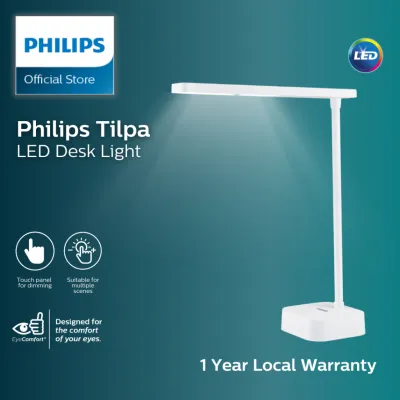
![[3 Year Warranty] PHILIPS LED Tilpa Desk Lamp Table Lamp [Cool White Light 5000K - White] 5W](https://img.lazcdn.com/g/p/ded8dfc1d4fed3c268010f0dd7352725.png_400x400q80.png_.webp)

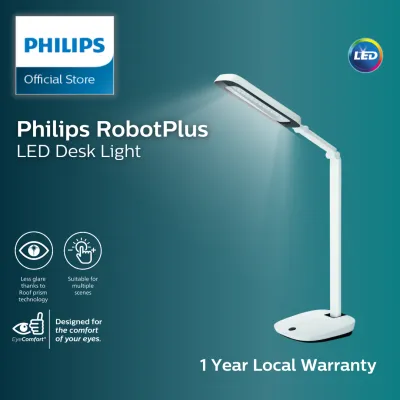
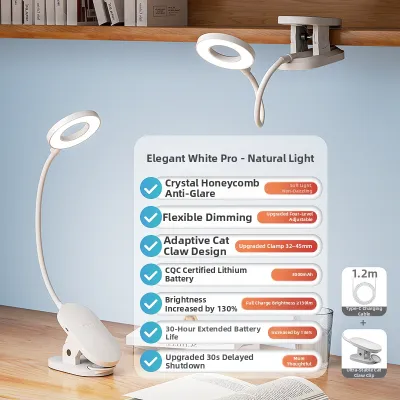
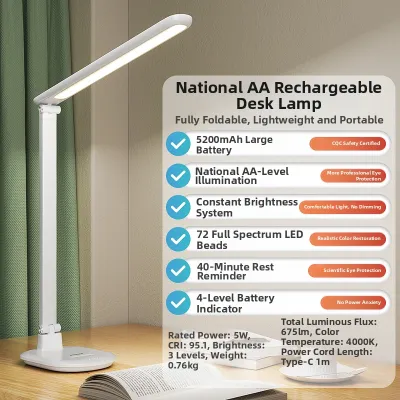

Prices are valid at publication and may change. Please refer to the product page for the latest price.
Key Dimensions for Evaluating Desk Lamp Value
Lighting Quality and Eye Comfort
Color Rendering Index (CRI), measured as Ra, determines how accurately a light source reveals the true colors of objects. For reading, drawing, or studying, a CRI of Ra 90 or higher is highly recommended to prevent eye strain and color distortion. When colors appear natural, the brain does not have to work as hard to interpret visual data, which significantly reduces cognitive fatigue during long sessions.

Flicker-free performance is another critical factor. Even invisible high-frequency flicker can cause headaches, fatigue, and eye strain over hours of use. High-quality desk lamps utilize advanced drivers to deliver a continuous, stable current to the LEDs, minimizing this risk. Consumers should look for certified flicker-free ratings rather than assuming all LED lamps behave the same way.
Color temperature, measured in Kelvin (K), affects focus and circadian rhythms. A range of 3000K (warm white) to 5000K (cool daylight) is ideal, with adjustable models allowing users to switch from high-focus daylight for working to warm light for evening relaxation. Maintaining a lower color temperature in the evening helps preserve natural sleep cycles by reducing blue light exposure.
Glare reduction and uniform light distribution are essential for preventing harsh hot spots on paper or screens. Advanced optical lenses, honeycomb diffusers, or asymmetric light paths redirect light to illuminate the workspace evenly without shining directly into the user’s eyes. This uniform distribution ensures that there are no sharp contrasts between bright and dark zones on your desk.
Consumers should always verify these metrics on the product packaging or manufacturer specifications. Relying solely on a brand name or generic marketing terms like “eye-friendly” does not guarantee performance or safety. Look for specific certifications, such as IEC photobiological safety standards, to verify these claims.
Build Quality, Footprint, and Smart Features
The physical construction of a desk lamp dictates its lifespan and daily usability. High-grade materials like aluminum alloys and reinforced plastics offer superior heat dissipation, which directly extends the lifespan of the integrated LED chips. Poor heat dissipation causes LEDs to degrade rapidly, losing brightness and color accuracy within a few years.
Hinge mechanisms must be robust enough to hold their position over thousands of adjustments. A weak hinge leads to a drooping lamp head, rendering the light ineffective and frustrating to use. Tension-adjustable joints or counterbalanced arms are preferred for setups that require frequent repositioning.
Base weight and footprint are crucial considerations, especially for compact study desks in Singapore’s HDB flats and apartments. A heavy, stable base prevents accidental tipping, while a space-saving clamp or slim base maximizes usable desk surface. If space is at a premium, a lamp with a large, bulky base can severely limit your workspace layout.
Smart features, such as app connectivity, voice control, and automatic dimming sensors, add convenience but also increase the purchase price. Auto-dimming sensors are particularly valuable as they detect ambient room light and adjust the lamp’s brightness in real-time to maintain optimal illumination. This prevents the common mistake of working in a room that has gradually grown dark without adjusting the desk light.
When selecting a lamp, consider whether these smart features align with your daily routine or if simple, manual touch controls are sufficient for your needs. Paying a premium for smart home integration is only valuable if you actually intend to use those automation features daily.
Evaluating the Philips Desk Lamp: Strengths and Trade-Offs
Philips has built a formidable reputation in optical engineering, particularly through its proprietary EyeComfort technology. This standard ensures their lamps meet strict criteria for flicker, glare, stroboscopic effects, and color rendering, providing a reliable baseline of eye safety. For parents selecting a study lamp for school-aged children, this certified safety profile offers peace of mind.
In the mid-range segment, a philips desk lamp offers exceptional value through consistent light output and durable mechanical joints. The brand’s focus on photobiological safety means their LEDs emit minimal blue light, reducing sleep disruption during late-night study sessions. The light distribution is typically wide and even, reducing the contrast glare that occurs when transitioning your gaze from the desk to the surrounding room.
For those invested in smart home ecosystems, the premium Philips Hue line offers unparalleled customization, allowing users to sync their desk lighting with ambient room scenes, schedules, and voice assistants. However, this ecosystem requires a higher initial investment, often necessitating a dedicated bridge for full functionality. The value here lies in the seamless integration with a broader smart home setup rather than purely functional desk lighting.
Despite these strengths, there are notable trade-offs. Entry-level and mid-range Philips models often feature utilitarian, plastic-heavy designs that may lack the sleek aesthetic of modern boutique brands. Additionally, basic models usually omit advanced smart integrations, offering only standard manual dimming steps. If you are looking for a highly stylized or hyper-connected minimalist lamp, the standard Philips lineup might feel somewhat dated.
When purchasing a Philips lamp, especially from cross-border online marketplaces, Singaporean consumers must verify electrical compatibility. Ensure the device is rated for Singapore’s standard 230V voltage and 50Hz frequency, and ideally comes with a local Type G plug and the Enterprise Singapore Safety Mark. Importing non-compliant voltage models can lead to premature driver failure, electrical hazards, or voided warranties.
How Top Competing Brands Stack Up
BenQ (Premium and Screen-Focused)
BenQ has carved out a premium niche with its WiT and ScreenBar series, specifically engineered for modern digital workspaces. These lamps utilize an asymmetric optical design that illuminates the desk surface while completely eliminating screen reflection and glare. This makes them highly effective for professionals who spend long hours looking at monitors.
The build quality of BenQ lamps is exceptional, featuring sandblasted aluminum components, counter-balanced joints, and highly sensitive ambient light sensors for automatic dimming. This level of engineering ensures the lamp remains stable and functional for years. The physical footprint is also highly optimized, with monitor-mounted models taking up zero desk space.
However, this premium design comes with a significant price tag, often costing three to four times more than a standard study lamp. For users who primarily read physical books or do not spend long hours in front of a computer monitor, the specialized features of a BenQ lamp may not justify the steep premium. It is a highly targeted solution rather than a general-purpose household lamp.
Xiaomi and Yeelight (Smart and Budget-Friendly)
Xiaomi and its ecosystem brand, Yeelight, have disrupted the lighting market by offering highly sophisticated smart features and minimalist designs at very competitive price points. Many of their models feature sleek, award-winning industrial designs that blend seamlessly into modern home offices. Their clean, white aesthetic is particularly popular in contemporary Singaporean homes.
These brands excel in smart home integration, offering seamless connectivity with Apple HomeKit, Google Assistant, and their proprietary apps right out of the box. Users can easily customize brightness, color temperature, and scheduling without purchasing additional hubs. They also offer high CRI values, often reaching Ra 90 or above even in budget-friendly models.
Despite their high technical specifications, potential buyers should consider the trade-offs in long-term durability. Some users report that the plastic hinges on budget models can loosen over time, and obtaining local warranty service can be more challenging compared to established giants with dedicated local service centers. They represent high initial value, but may require replacement sooner than a more robustly built competitor.
IKEA and Basic Alternatives (Entry-Level)
For shoppers seeking straightforward, low-cost illumination, IKEA and basic house brands provide functional options. These lamps are highly affordable and readily available, making them popular choices for secondary desks, guest rooms, or temporary setups. They are easy to assemble and fit well into casual decor styles.
However, these entry-level lamps typically lack advanced eye-care features. Many utilize basic, replaceable LED bulbs that may exhibit noticeable flicker, low color rendering (CRI below 80), and fixed, non-adjustable color temperatures. The light distribution is often highly focused and directional, creating harsh shadows and high-contrast glare on your working surface.
Furthermore, they rarely offer smart integrations or precise touch dimming. While suitable for occasional, short-term tasks, they are generally not recommended as the primary light source for long hours of intense studying or professional desk work. The low upfront cost is offset by the lack of protective optical features.
Price-to-Value Breakdown by Budget Tier
To help Singaporean homeowners navigate their options, we can categorize the desk lamp market into three distinct budget tiers. This breakdown highlights where different brands offer the best return on investment.
In the Entry Tier (Under S$50), consumers are primarily choosing between basic utility and entry-level smart features. Brands like Xiaomi offer highly capable smart lamps that punch well above their weight in this tier, providing adjustable color temperatures and decent CRI. Basic IKEA models also fit here, offering simple, functional lighting for those who do not require advanced eye-comfort technology.
The Mid Tier (S$50 to S$150) is the sweet spot for the majority of Singaporean homes, and where a standard philips desk lamp truly shines. Models in this range offer excellent build quality, certified photobiological safety, and reliable physical controls. Mid-range Yeelight models also compete here, offering a blend of smart features and improved physical designs, though they may lack the extensive optical safety certifications of Philips.
In the Premium Tier (S$150 and Above), the definition of value splits based on user behavior. For those seeking specialized, glare-free monitor lighting and top-tier architectural design, BenQ is the undisputed leader. For users focused on whole-home smart lighting integration, premium Philips Hue desk setups offer unmatched color customization and atmospheric control, though at a premium cost.
| Budget Tier | Price Range | Best Brand Options | Primary Strengths | Ideal User |
|---|---|---|---|---|
| Entry | Under S$50 | Xiaomi, IKEA | Budget-friendly, basic smart features, simple utility | Occasional users, students on a strict budget |
| Mid | S$50 – S$150 | Philips, Yeelight | Certified eye-care, reliable build, local warranty, balanced smart features | Primary study desks, remote professionals, HDB home offices |
| Premium | S$150+ | BenQ, Philips Hue | Asymmetric screen lighting, premium materials, advanced smart ecosystem | Dedicated digital professionals, smart home enthusiasts |
Final Decision Framework: Which Brand Fits Your Setup?
To make the final decision, assess your daily habits, desk configuration, and budget against these straightforward guidelines:
- Choose Philips if: Your primary goal is protecting your eyes during long hours of reading or studying. A philips desk lamp provides proven, flicker-free optical performance, robust build quality, and the peace of mind that comes with a reliable local warranty and Singapore Safety Mark certification.
- Choose BenQ if: You spend the vast majority of your time working on a desktop monitor. Their asymmetric light distribution is specifically designed to eliminate screen glare and reflection, saving valuable desk space while delivering premium, automated illumination.
- Choose Xiaomi or Yeelight if: You want modern, minimalist aesthetics and advanced smart home integration without spending a fortune. These brands offer high technical specifications and app control at a fraction of the cost of premium competitors.
- Choose IKEA or Basic Alternatives if: You need a simple, cost-effective light source for a secondary workspace, guest bedroom, or occasional tasks where advanced eye-comfort technology is not a priority.
Regardless of the brand you select, always prioritize electrical safety and compliance. Verify that the desk lamp’s voltage, wattage limits, and dimming methods match your home’s electrical setup. For any fixed wiring, damp area installations, or complex mounting requirements, always shut off the main power supply, follow the manufacturer’s instructions, and consult a qualified professional to ensure a safe and compliant installation.
Community discussion
Share your experience or ask a question. Comments are reviewed before publication.