
Does buying a premium brand like Philips guarantee lower electricity bills in your Singapore household? The short answer is no—a brand logo alone cannot alter the laws of physics or electrical consumption. While a premium philips light bulb is often engineered to outstanding efficiency standards, your actual electricity savings depend entirely on the bulb’s luminous efficacy (measured in lumens per watt) and its official energy rating, not the brand printed on the box. If you compare a Philips bulb to a competitor’s bulb with identical technical specifications and the same energy label rating, both will draw the exact same amount of electricity and cost you the same on your monthly utility bill.
True financial savings are not found by blindly trusting brand reputation, but by analyzing the total cost of ownership. This requires balancing three distinct factors: the upfront purchase price, the operational efficiency as verified by local regulators, and the rated lifespan of the bulb. In Singapore’s competitive lighting market, a cheaper alternative might save you money upfront but cost you far more over time due to high energy consumption and frequent failures. Conversely, paying a premium for top-tier efficiency only makes financial sense under specific usage conditions. To make an informed decision, you must understand how to decode the technical specifications on the packaging and calculate the return on investment for your specific home layout.
Decoding Energy Efficiency: What Actually Lowers Your Bill?
To understand why one LED bulb saves more electricity than another, you must look past marketing buzzwords and focus on objective, standardized metrics. The relationship between light output and electrical draw is the foundation of energy efficiency in modern lighting.
Products mentioned in this guide
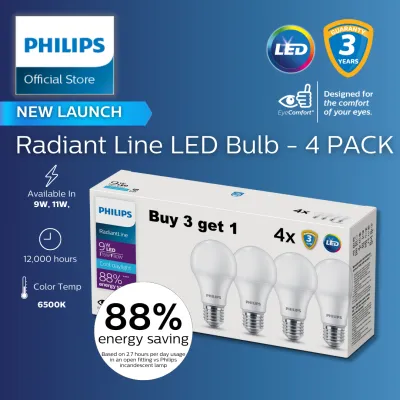
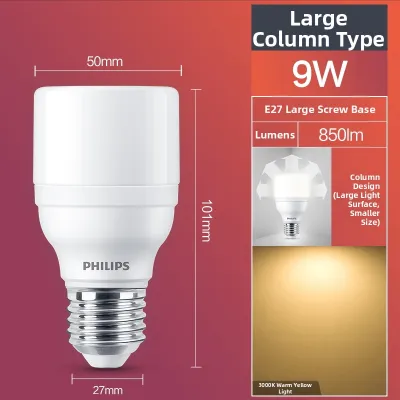
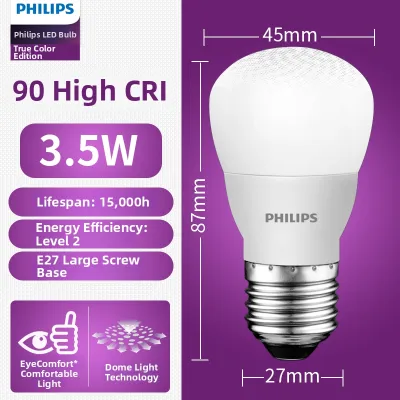
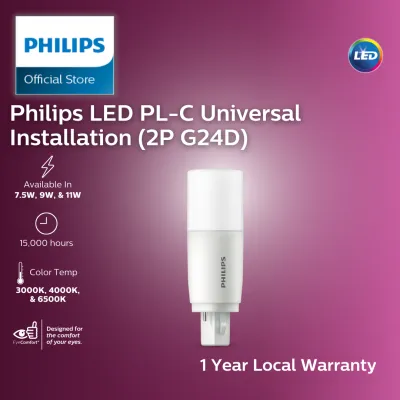
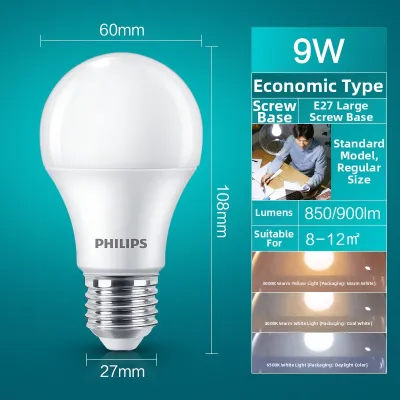
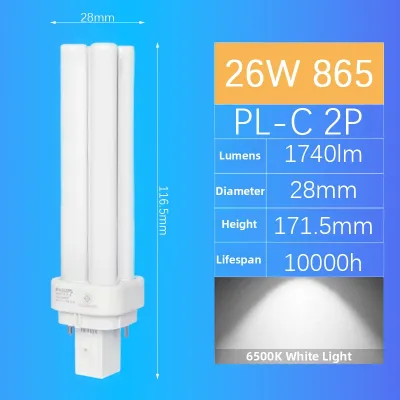
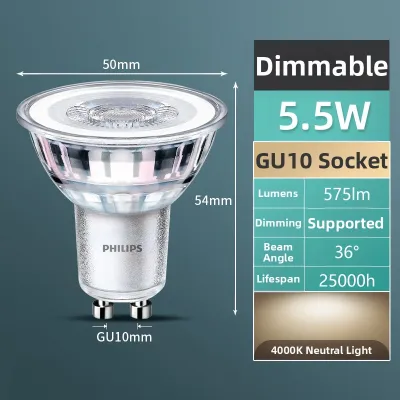
Prices are valid at publication and may change. Please refer to the product page for the latest price.
Lumens vs. Watts: The Efficiency Metric That Matters
For decades, consumers bought light bulbs based on wattage, assuming that a higher wattage automatically meant a brighter light. With LED technology, wattage only tells you how much electricity the bulb consumes, not how much light it produces. To measure brightness, you must look at lumens (lm).
To find the true efficiency of a bulb, divide the lumen output by the wattage (lumens per watt, or lm/W). This ratio represents the bulb’s luminous efficacy. For example, a standard LED bulb that produces 800 lumens while consuming 9 watts has an efficacy of approximately 89 lm/W. A highly efficient bulb might produce that same 800 lumens using only 4 watts, resulting in an efficacy of 200 lm/W. When shopping for a philips light bulb or any alternative, always prioritize the bulb with the higher lm/W ratio, as it delivers the same brightness for a fraction of the electrical power.
Reading the Singapore NEA Energy Label
In Singapore, the National Environment Agency (NEA) regulates the sale of lamps through the Mandatory Energy Labelling Scheme (MELS). This system is designed to help consumers easily identify energy-efficient appliances and light bulbs. When browsing local retail shelves or online marketplaces, look for the distinctive NEA energy label on the packaging.
The label displays a tick rating system, ranging from one to five ticks. More ticks indicate a higher level of energy efficiency. A bulb with a higher tick rating has met stricter minimum energy performance standards (MEPS) and will consume less electricity to produce the same amount of light as a lower-rated bulb. When comparing brands, the tick rating serves as an objective, third-party verification of performance, allowing you to bypass brand marketing and compare efficiency directly.
Power Factor and Heat Dissipation
Two critical but often overlooked technical factors that influence an LED’s long-term efficiency are its power factor and its heat dissipation capabilities. The power factor (measured on a scale from 0 to 1) represents how effectively the bulb’s internal driver converts the incoming alternating current (AC) electricity into the direct current (DC) power required by the LED chips. A low power factor (typically found in cheap, unbranded bulbs) means the bulb draws more current than it actually utilizes, which can strain your home’s electrical circuits over time.
Furthermore, heat is the primary enemy of LED efficiency and longevity. While LEDs run much cooler than old incandescent bulbs, they still generate heat at the junction of the diode. High-quality bulbs utilize robust heatsinks made of aluminum or advanced thermal plastics to draw heat away from the sensitive electronics. Poorly engineered bulbs with inadequate heat dissipation will run hot, causing the LED chips to degrade rapidly. This degradation leads to lumen depreciation—where the bulb grows dimmer over time while continuing to draw the same amount of wattage—effectively lowering its efficiency and forcing premature replacement.
Philips LED Bulbs: Efficiency, Lifespan, and Real-World Value
Philips has long positioned itself as a premium leader in the global lighting industry. However, because they manufacture multiple product lines targeted at different price points, buyers must look closely at the specific sub-brands and packaging metrics to determine if a particular model offers the efficiency they expect.

Standard vs. Ultra-Efficient Product Lines
Philips segments its LED offerings into several distinct tiers, each designed to balance upfront cost against long-term performance. Understanding these tiers is essential for determining which bulb fits your budget and energy-saving goals.
- Standard LEDs: These are entry-level bulbs designed to replace incandescent or compact fluorescent lamps (CFLs) at a low upfront cost. They typically offer a standard luminous efficacy of around 80 to 90 lm/W and a rated lifespan of 15,000 hours. While they are reliable, they do not offer the cutting-edge energy savings of premium lines.
- EyeComfort LEDs: This mid-tier range is engineered to minimize visible flicker and glare, reducing eye strain. They offer similar efficiency to standard lines but feature superior driver electronics that ensure consistent light output even during minor voltage fluctuations in your home electrical grid.
- Ultra-Efficient LEDs: These represent the pinnacle of Philips' energy-saving technology. By utilizing advanced LED filaments and highly optimized drivers, these bulbs can achieve an efficacy of up to 200 lm/W—using up to 60% less energy than standard LEDs. They also boast an exceptional rated lifespan of up to 50,000 hours (measured as L70 lumen maintenance, meaning they will retain at least 70% of their original brightness after 50,000 hours of use).
While the Ultra-Efficient line carries a significantly higher upfront price tag, the dramatic reduction in power consumption and the extended lifespan can justify the initial investment, particularly in high-usage areas of your home.
The Standby Power Factor in Smart Bulbs
If you are considering smart lighting, such as the Philips Hue ecosystem, the calculation for electricity savings changes. Unlike standard LEDs, smart bulbs must remain constantly connected to a wireless network (via Zigbee, Bluetooth, or Wi-Fi) so they can receive commands from your phone, smart switch, or voice assistant.
To maintain this connection, smart bulbs draw a small amount of electricity even when the light is turned “off” via an app. This is known as standby power draw, and it typically ranges from 0.2 to 0.5 watts per bulb. While a fraction of a watt seems negligible, if you have 20 smart bulbs installed throughout an HDB flat, they could collectively draw up to 10 watts of power continuously, 24 hours a day, 365 days a year. To maximize savings, avoid leaving smart bulbs powered on at the physical wall switch if you do not actively use their smart features, and restrict smart bulb installations to rooms where scheduling and dimming can actively reduce overall daily runtimes.
Competing LED Brands: Where Do Alternatives Stand?
While Philips is a prominent household name, several other reputable manufacturers offer high-quality LED bulbs that compete directly on efficiency, lifespan, and overall value.
Established Global Competitors
Major international lighting brands, such as Panasonic, Osram (now operating under the Ledvance brand), and Megaman, offer LED products that frequently match or exceed the technical specifications of standard Philips bulbs. These manufacturers have decades of engineering experience, ensuring high-quality drivers, excellent heat management, and accurate color rendering index (CRI) ratings.
When comparing an established competitor like Panasonic to a Philips bulb, you will often find that their NEA tick ratings and lm/W ratios are nearly identical. In these cases, the choice rarely comes down to energy savings. Instead, your decision should be guided by minor price differences, local retail promotions, specific bulb dimensions to fit your existing fixtures, or aesthetic preferences regarding color temperature (such as warm white versus cool daylight).
Budget and Supermarket Brands
At the other end of the spectrum are budget-friendly house brands and unbranded imports commonly sold in local hardware stores or online marketplaces. These bulbs are highly attractive due to their incredibly low upfront costs, which are often a fraction of the price of a premium Philips bulb.
However, these budget options frequently represent a false economy. To keep retail prices low, manufacturers often use cheaper LED chips and lower-grade drivers with poor heat dissipation. This results in a lower luminous efficacy (often below 70 lm/W) and a significantly shorter lifespan, sometimes failing after just a few thousand hours of use. Over a five-year period, the cost of repeatedly purchasing replacement budget bulbs, combined with their higher electricity draw, will often exceed the total cost of buying and operating a single, high-quality premium bulb.
The True Cost of Ownership: Calculating Your Long-Term Savings
To determine whether a premium high-efficiency bulb is worth the investment over a cheaper alternative, you must calculate the total cost of ownership. This requires a simple mathematical formula that factors in the purchase price, power consumption, usage habits, and local electricity rates.
The Calculation Formula
To calculate the total cost of owning and operating any light bulb over a specific period, use the following formula:
Total Cost = Upfront Purchase Price + [ (Bulb Wattage in Watts × Daily Hours of Use × 365 Days × Electricity Tariff per kWh) / 1000 ] × Years of Operation
This formula converts the bulb’s wattage into kilowatt-hours (kWh), which is the standard unit of measurement used by utility providers to calculate your monthly bill.
The Singapore Context: SP Group Tariffs
In Singapore, electricity tariffs fluctuate quarterly based on the cost of fuel used to generate power. When performing your calculations, always refer to the current regulated tariff published by SP Group (which includes Goods and Services Tax, or GST) to ensure your math reflects real-world conditions.
For illustrative purposes, let us assume an average electricity tariff of S$0.32 per kWh. We will compare three different bulbs, each producing approximately 800 lumens of light (the equivalent of an old 60W incandescent bulb) over a five-year period, assuming they are used for 6 hours every day:
- Option A (Budget 12W LED): Upfront cost of S$3.00. Because of its lower efficiency, it requires 12W to produce 800 lumens. Its lifespan is short, requiring you to buy a second bulb in year three (adding S$3.00 to the upfront cost, totaling S$6.00).
- Option B (Standard Philips 9W LED): Upfront cost of S$6.00. It requires 9W of power and has a rated lifespan of 15,000 hours, easily lasting the full five years without replacement.
- Option C (Philips Ultra-Efficient 4W LED): Upfront cost of S$15.00. It requires only 4W of power and has an exceptional lifespan of 50,000 hours.
Let us look at how the total costs compare after five years of daily use:
- Option A (Budget 12W): S$6.00 (upfront for two bulbs) + [ (12W × 6 hours × 365 days × S$0.32) / 1000 ] × 5 years = S$6.00 + S$42.05 = S$48.05
- Option B (Standard 9W): S$6.00 (upfront) + [ (9W × 6 hours × 365 days × S$0.32) / 1000 ] × 5 years = S$6.00 + S$31.54 = S$37.54
- Option C (Ultra-Efficient 4W): S$15.00 (upfront) + [ (4W × 6 hours × 365 days × S$0.32) / 1000 ] × 5 years = S$15.00 + S$14.02 = S$29.02
Despite having the highest upfront cost, the Ultra-Efficient 4W bulb is the cheapest option overall, saving you S$19.03 compared to the budget bulb and S$8.52 compared to the standard LED over five years.
High-Usage vs. Low-Usage Areas
While the math clearly favors high-efficiency bulbs for daily use, your household habits should dictate your purchasing strategy. The return on investment for an expensive, ultra-efficient bulb depends entirely on how many hours it runs each day.
In high-usage areas of an HDB flat or condominium—such as the living room, kitchen, or corridor lights that may remain on for six to twelve hours a day—investing in a premium, high-efficiency bulb like the Philips Ultra-Efficient line is highly cost-effective. The energy savings will quickly offset the higher purchase price.
Conversely, in low-usage areas—such as a storeroom, bomb shelter, or guest bathroom that is only illuminated for a few minutes a day—it would take decades to recoup the upfront cost of an expensive bulb. In these spaces, a cheaper standard LED or a budget-friendly alternative is the more practical and financially sensible choice.
Final Decision Framework: Which LED Bulb Should You Buy?
To make your final purchase simple, use this condition-based framework to select the right light bulb for your home.
Choose Philips (or premium equivalents) if:
- You are outfitting high-usage fixtures that run for several hours every day.
- You prioritize long-term lumen maintenance, ensuring your rooms do not gradually become dimmer over the years.
- You want advanced features like EyeComfort technology to minimize eye strain or smart home integration via the Hue ecosystem.
- The specific model has a verified high lm/W ratio and a strong NEA tick rating.
Choose competing established brands if:
- They offer the exact same energy rating and lm/W ratio as a Philips bulb but are available at a lower price due to local retail promotions.
- You require a specific bulb shape, base type, or aesthetic design that is not currently available in the Philips lineup.
- You prefer their specific color rendering index (CRI) or color temperature performance for your home's interior design.
Choose budget brands if:
- The bulb is intended for a fixture in a low-usage area, such as a utility closet or storeroom.
- The fixture is easily accessible, making future bulb replacements quick and hassle-free.
- Minimizing immediate, upfront purchasing costs is your primary financial constraint.
Verify first before purchasing:
Regardless of the brand you choose, you must verify several critical safety and compatibility factors before buying:
- Electrical Certification: Ensure the bulb or its driver carries the Singapore SAFETY Mark, indicating compliance with local safety standards.
- Voltage and Base: Confirm the bulb is rated for Singapore's standard mains voltage (230V, 50Hz) and matches your fixture's socket interface (e.g., E27 screw, B22 bayonet, or GU10 bi-pin).
- Wattage Limits: Check that the bulb's wattage does not exceed the maximum rated wattage limit printed on your light fixture.
- Dimming Method: If your fixture is connected to a dimmer switch, verify that the bulb is explicitly labeled as "dimmable." Using a non-dimmable LED on a dimming circuit is a serious safety hazard.
- Installation Environment: If installing lights in damp areas (like bathrooms or outdoor balconies), ensure the bulb and fixture have the appropriate IP (Ingress Protection) rating for wet environments.
- Installation Safety: For any task involving fixed wiring, work at height, or suspended light loads, always isolate the electrical power at the main distribution board, follow the manufacturer's instructions precisely, or hire a licensed electrical worker or qualified professional to perform the installation safely.
Frequently Asked Questions (FAQ)
Do smart LED bulbs use more electricity than standard ones?
Yes, smart LED bulbs consume slightly more electricity than standard LEDs because they must draw standby power to remain connected to your home network. Even when the light is turned off via an app or voice command, the internal wireless receiver continues to draw between 0.2 and 0.5 watts of electricity. While this standby draw is very small, it runs continuously. However, if you utilize smart features like automated schedules, timers, and motion sensors to ensure your lights are only turned on when needed, the overall energy savings can easily offset the minor cost of standby power.
Does using a dimmer switch save electricity with any LED brand?
Yes, dimming an LED bulb reduces its power consumption and can also extend the lifespan of the bulb by reducing heat buildup on the internal components. However, you must verify that both the LED bulb and your dimmer switch are explicitly designed to be compatible. Attempting to dim a non-dimmable LED bulb, or using an incompatible dimmer switch, can lead to rapid flickering, buzzing noises, poor light control, and permanent damage to the bulb’s internal driver, which can create a potential electrical fire hazard.
Community discussion
Share your experience or ask a question. Comments are reviewed before publication.