
Choosing between Philips and Panasonic dimmable LED bulbs for your home in Singapore does not come down to a simple brand victory. Instead, the energy savings and dimming performance depend entirely on matching the specific bulb model’s specifications with your existing dimmer switch and fixture setup. To find the option that saves the most energy and performs best, you must evaluate the luminous efficacy of individual models and verify their compatibility with your home’s electrical dimming system.
Setting the Comparison Scope and Key Evaluation Criteria
Evaluating light bulbs based on brand reputation alone often leads to disappointing results. Both Philips and Panasonic manufacture a wide array of LED products across different price points and performance tiers. A basic model from one brand might lag behind a premium model from the other, meaning that specific model specifications and packaging labels dictate actual performance in your living space.
To determine true energy efficiency, look beyond the nominal wattage printed on the front of the box. Wattage only measures the amount of electrical power the bulb consumes, not the amount of light it emits. The true measure of energy efficiency is luminous efficacy, expressed in lumens per watt (lm/W). This metric tells you exactly how much light a bulb produces for every watt of electricity it draws from your home’s grid.
Products mentioned in this guide
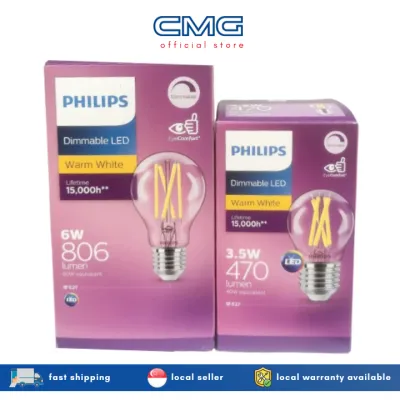
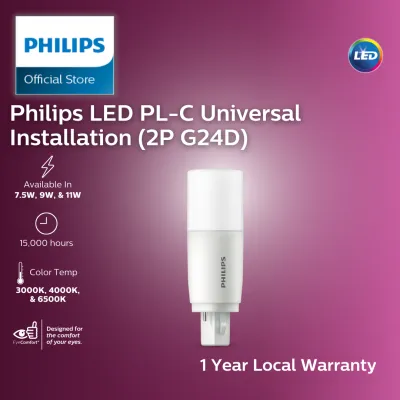
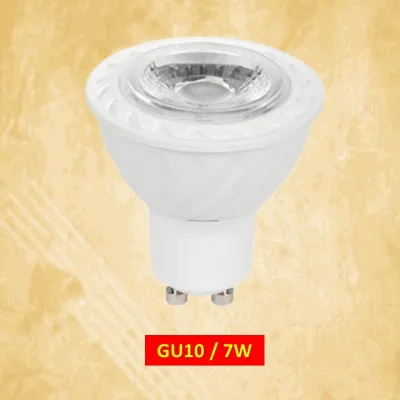
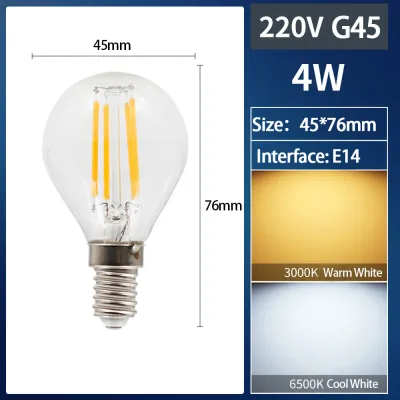
Prices are valid at publication and may change. Please refer to the product page for the latest price.
Dimming quality is another critical performance pillar that requires careful evaluation. A high-quality dimmable LED bulb should offer a wide dimming range, ideally allowing you to lower the light level to 10% or less of its maximum output without flickering. Achieving this smooth transition requires seamless compatibility between the bulb’s internal driver and your wall-mounted dimmer switch.
In Singapore, residential electrical systems operate at a standard voltage of 230V at a frequency of 50Hz. Any dimmable LED bulb you purchase must be rated for this voltage range to ensure stable operation. Verifying these electrical baselines before buying prevents premature bulb failure and ensures your dimming system functions safely.
Evaluating Energy Efficiency Claims
When shopping for dimmable LED bulbs, you can bypass marketing claims by looking directly at verified product labels. In Singapore, the National Environment Agency (NEA) administers the Mandatory Energy Labelling Scheme. This label displays a tick rating system where more ticks indicate a higher level of energy efficiency, allowing you to compare different models at a glance.

To calculate the precise efficiency of a specific bulb, divide its total lumen output by its rated wattage. For example, if a bulb outputs 806 lumens (the typical brightness of a traditional 60-watt incandescent bulb) while consuming only 7.5 watts, its efficacy is approximately 107.5 lumens per watt. Comparing this figure against a competing model that requires 9 watts to produce the same 806 lumens reveals which bulb will lower your monthly electricity bill.
Long-term energy savings also depend on the bulb’s rated lifespan and lumen maintenance factor. LED bulbs gradually lose brightness over time rather than burning out suddenly. A high-quality bulb will maintain at least 70% of its original light output (often designated as the L70 rating) for 15,000 to 25,000 hours of use.
Singapore’s warm and humid tropical climate can accelerate the degradation of sensitive electronic components inside LED drivers. Bulbs with robust thermal management designs dissipate heat more effectively, preserving both their energy efficiency and their overall lifespan. Checking the manufacturer’s specifications for operating temperature limits helps ensure the bulb can withstand local environmental conditions.
Assessing Dimming Performance and Compatibility
Flickering, buzzing, and limited dimming ranges are common frustrations when upgrading to dimmable LED bulbs. These issues rarely stem from a defective bulb; instead, they usually indicate an electrical mismatch between the bulb and the dimmer switch. To avoid these problems, always consult the manufacturer’s official dimmer compatibility list before making a purchase.
Dimmer switches generally fall into two categories: leading-edge and trailing-edge. Legacy dimmer switches designed for older incandescent bulbs are typically leading-edge models, which cut the front portion of the alternating current waveform. Modern dimmable LED bulbs perform significantly better with trailing-edge dimmers, which cut the trailing edge of the waveform to provide a smoother, more stable flow of power.
Another factor to consider is the minimum and maximum electrical load of your dimmer switch. Traditional dimmers often require a minimum load of 40 watts to operate correctly. Because a single dimmable LED bulb might draw only 8 watts, installing one on a legacy switch can cause the circuit to fall below the minimum threshold, resulting in rapid strobing or a complete failure to dim.
If you experience a narrow dimming range where the bulb suddenly cuts off at lower slider settings, your dimmer switch may need an upgrade. Replacing an outdated wall switch with a dedicated LED-compatible dimmer ensures you can access the full dimming spectrum of your Philips or Panasonic bulbs without compromising stability.
How to Compare Specific Models Before Buying
To make an informed decision, compile the technical specifications of the specific Philips and Panasonic models you are considering. Gathering this data from official product datasheets or retail packaging allows you to perform a direct, objective comparison based on your home’s unique requirements.
| Comparison Metric | Philips Dimmable LED Bulb | Panasonic Dimmable LED Bulb | How to Verify |
|---|---|---|---|
| Base Type | e.g., E27, GU10, E14 | e.g., E27, GU10, E14 | Match with your existing light fixture socket |
| Luminous Efficacy | Calculate: Lumens / Watts | Calculate: Lumens / Watts | Look for lm/W on the technical datasheet |
| Dimming Range | Verify minimum level (e.g., 10%) | Verify minimum level (e.g., 15%) | Check the manufacturer's product specifications |
| Safety Certification | Look for Safety Mark logo | Look for Safety Mark logo | Verify on the Enterprise Singapore database |
| Estimated Price | S$ [Verify with local retailer] | S$ [Verify with local retailer] | Check local lighting shops or online marketplaces |
Comparing specific models side-by-side prevents you from relying on outdated reviews or general brand assumptions. Because both manufacturers regularly update their product lineups with newer, more efficient LED chips, checking the exact model number ensures you are purchasing the latest technology available on the market.
Decision Framework: Which Brand Fits Your Lighting Setup?
Your final choice between these two reputable brands should align with your existing hardware, smart home preferences, and specific room requirements. If your home already utilizes a specific smart lighting ecosystem, choosing Philips may offer better integration. Many Philips dimmable options are designed to work seamlessly with proprietary smart bridges or wireless dimming switches, allowing for advanced automation.
Conversely, Panasonic may be the preferred choice if your fixtures require specific optical diffusion designs. Panasonic often emphasizes wide-angle light distribution in its bulb designs, which helps eliminate harsh shadows and provides uniform illumination across larger rooms. This makes them highly suitable for open-concept living areas or dining spaces where consistent light spread is essential.
Before purchasing either brand, inspect your existing wall switches. If you are using legacy dimmers installed several years ago, you will likely need to budget for a dimmer switch upgrade to achieve flicker-free performance, regardless of whether you choose Philips or Panasonic.
Additionally, evaluate the physical design of your light fixtures. If your fixtures are fully enclosed, heat will build up rapidly around the bulb. You must verify that the specific bulb model’s packaging explicitly permits use in enclosed fixtures; otherwise, heat accumulation will degrade the internal driver, voiding the warranty and drastically shortening the bulb’s operating life.
Installation and Safety Checks
Before installing any new dimmable LED bulbs, verify that the fixture’s maximum wattage rating exceeds the wattage of your new bulb. While LED bulbs draw significantly less power than incandescent options, exceeding the fixture’s physical or thermal limits remains a safety hazard. Ensure the bulb’s base type matches the fixture socket perfectly without requiring forced installation.
Safety must be your top priority during any electrical work. Always switch off the main power supply at your home’s consumer unit or circuit breaker before removing or installing bulbs. Simply turning off the wall switch is insufficient, as residual current can still travel through the wiring and present a shock hazard.
If you encounter complex wiring configurations, notice scorched markings around your existing switches, or need to replace an old dimmer switch, stop the installation immediately. In Singapore, any modifications to fixed electrical wiring should be performed by a licensed electrical worker to ensure compliance with local safety standards and prevent electrical fires.
Frequently Asked Questions (FAQ)
Can I use a non-dimmable LED bulb on a dimmer switch?
No, you should never use a non-dimmable LED bulb on a dimming circuit. Non-dimmable LED bulbs are equipped with simple drivers that expect a constant, uninterrupted flow of voltage. When a dimmer switch restricts or cuts the voltage waveform, the non-dimmable driver cannot compensate, leading to severe flickering, buzzing, and rapid overheating. This mismatch will drastically shorten the lifespan of the bulb and can cause permanent electrical damage to your dimmer switch.
Why does my dimmable LED bulb flicker or buzz?
Flickering or buzzing in a dimmable LED bulb is almost always caused by an incompatible dimmer switch or an improper electrical load. If you are using an older leading-edge dimmer designed for incandescent bulbs, the switch cannot cleanly cut the voltage for low-wattage LEDs, resulting in unstable light output. Additionally, if the total wattage of the bulbs on the circuit falls below the dimmer’s minimum load requirement, the circuit will struggle to maintain a steady current. Upgrading to a dedicated trailing-edge LED dimmer switch typically resolves these issues.

Community discussion
Share your experience or ask a question. Comments are reviewed before publication.