
When comparing Philips and Panasonic T5 LED tubes, there is no universal winner in energy efficiency without evaluating specific model datasheets. Both brands offer highly efficient lighting solutions, but the actual energy savings, lumen output, and longevity depend on the exact product series, luminous efficacy (lm/W) ratings, and your specific installation environment. This guide will help you decode the specifications, verify compatibility, and apply a conditional decision framework to choose the best T5 light for your home or commercial space. Selecting the right lighting involves looking past brand reputation to analyze the technical specifications that directly impact your monthly electricity bill and the quality of light in your space.
Understanding T5 LED Energy Efficiency Metrics
To make an informed decision between these two reputable manufacturers, you must first understand how energy efficiency is measured in modern solid-state lighting. The primary metric to evaluate is luminous efficacy, which is expressed in lumens per watt (lm/W). This ratio represents the amount of visible light a tube produces for every watt of electrical power it consumes. A higher luminous efficacy rating means the tube is more efficient, delivering the same brightness as a lower-rated tube while drawing less power from your electrical mains. When comparing options, always look for this specific ratio on the product datasheet rather than relying solely on the nominal wattage.
Wattage alone is no longer a reliable indicator of brightness. In traditional fluorescent lighting, higher wattage directly correlated with more light, but LED technology has decoupled these two factors. A highly efficient 14-watt T5 LED tube can easily produce the same lumen output as an older, less efficient 18-watt LED model or a 28-watt fluorescent tube. Therefore, you should first determine the total lumen output required for your space—whether it is for task lighting in a kitchen or general illumination in an office—and then find the tube that achieves this output with the lowest wattage.
Products mentioned in this guide
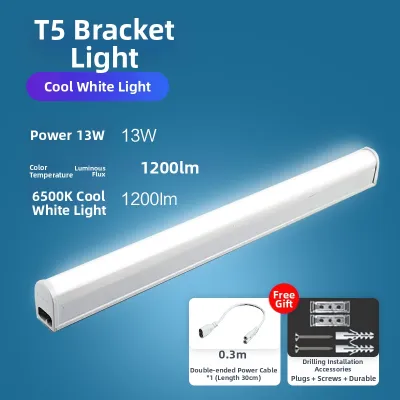
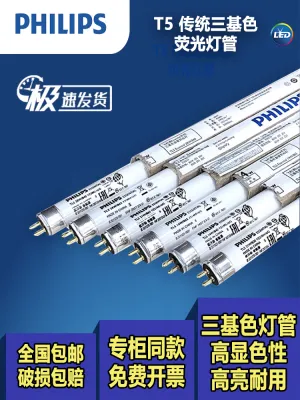
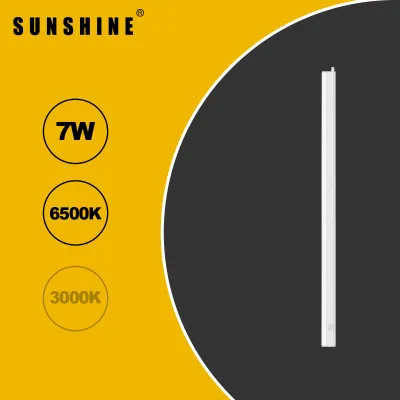
![LED PRO LED LIGHT Led T5 Led Tube/ Led Tube Tri-Tone Daylight/Cool White/Warm White [300mm/600mm/900mm/1200mm]](https://img.lazcdn.com/g/p/88326b36ba15a5b70e2b9bb596605a3d.jpg_400x400q80.jpg_.webp)
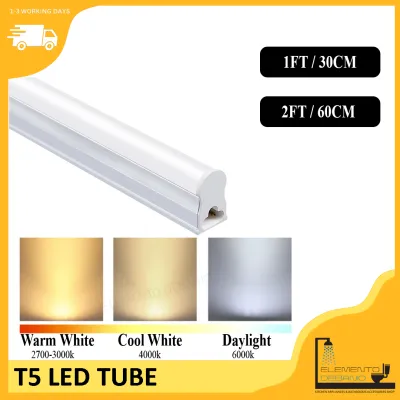
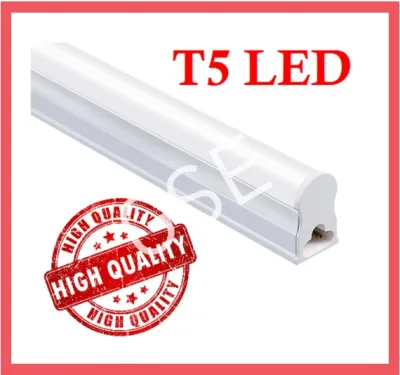
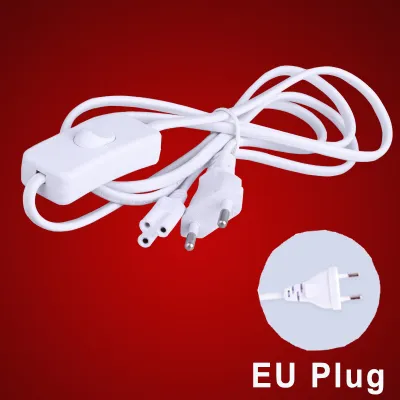
Prices are valid at publication and may change. Please refer to the product page for the latest price.
Color temperature, measured in Kelvin (K), also plays a subtle role in how we perceive brightness and efficiency. Cooler color temperatures, such as cool white (4000K) or daylight (6500K), often appear brighter to the human eye than warmer temperatures like warm white (3000K), even if their measured lumen outputs are identical. This visual perception can sometimes allow you to install lower-lumen (and thus lower-wattage) tubes in cooler color temperatures without sacrificing perceived brightness. When comparing Philips and Panasonic, ensure you are comparing models with the same color temperature to maintain a fair baseline.
Long-term energy efficiency and value are also heavily dependent on the rated lifespan of the LED tube. Most reputable manufacturers specify lifespan using the L70/B50 metric, which indicates the number of operating hours after which 50% of the LED tubes in a test group are expected to emit less than 70% of their initial light output. A tube that maintains its brightness longer will delay the need for replacements, reducing both material and maintenance costs. Additionally, review the manufacturer’s warranty terms, as a longer warranty period often reflects the brand’s confidence in the driver’s durability and the thermal management of the tube.
Comparing Philips and Panasonic T5 Specifications
When evaluating Philips and Panasonic T5 LED tubes, you must locate and compare the specific metrics printed on the product packaging or detailed in the official technical datasheets. Do not assume that one brand is universally superior; instead, perform a direct comparison of the specific models available in your local market. Look for the luminous efficacy (lm/W), total lumen output, and power consumption (wattage) for each model. These figures are typically listed in the specifications table of the product brochure or on the manufacturer’s official website.

Beyond the electrical specifications, the physical build quality of the tubes provides critical clues about their long-term performance and light degradation. Examine the housing materials used in the construction of the T5 light. High-quality glass tubes offer excellent rigidity and do not yellow over time, whereas advanced polycarbonate diffusers provide superior impact resistance and shatterproof safety, which is highly desirable in food preparation areas. The design of the heat dissipation system, such as internal aluminum heat sinks, is also vital. Efficient heat dissipation prevents the LED chips from overheating, which is the primary cause of premature lumen depreciation and driver failure.
In Singapore, electrical safety and regulatory compliance are paramount. Before purchasing any T5 LED tube, verify that the product carries the necessary local safety marks and energy certifications. Look for the Enterprise Singapore Safety Mark on the packaging or driver, which indicates that the product has been tested and certified to meet local safety standards. Additionally, check for international certifications such as CE, RoHS, or specific green building product certifications. These marks ensure that the lighting products are not only safe for residential and commercial installation but also free from hazardous substances.
To facilitate a clear comparison, you can use the following structural matrix to record and evaluate the exact specifications of the Philips and Panasonic T5 models you are considering:
| Specification Metric | Philips Model: [Insert Model] | Panasonic Model: [Insert Model] |
|---|---|---|
| Wattage (W) | ||
| Lumen Output (lm) | ||
| Luminous Efficacy (lm/W) | ||
| Color Temperature (K) | ||
| Rated Lifespan (L70 hours) | ||
| Warranty Period (Years) | ||
| Housing Material | ||
| Safety Mark Certified |
Installation and Compatibility Checks
Before purchasing any T5 LED tube, you must determine the electrical configuration of your existing light fixtures. T5 LED tubes generally fall into two main categories: direct replacement (also known as plug-and-play) and direct wire (also known as ballast-bypass). Direct replacement tubes are designed to work with your existing electronic ballasts, allowing you to simply swap the old fluorescent tube with the new LED tube. While this is the easiest installation method, it relies on the continued functionality of the old ballast; if the ballast fails, the light will not work, and you will need to replace the ballast or rewire the fixture.
Direct wire T5 LED tubes, on the other hand, bypass the existing electronic ballast entirely, connecting the tube directly to the mains voltage supply. This method eliminates the ballast as a potential point of failure and slightly improves overall energy efficiency, as ballasts consume a small amount of standby power. However, direct wiring requires modifying the internal circuitry of the fixture. You must verify the voltage requirements of the tube—typically 220V to 240V for standard Singapore electrical systems—and ensure that the physical dimensions and wattage limits of the fixture match the new LED tube.
Safety must always be your top priority when handling electrical installations. Before attempting to inspect, remove, or install any lighting components, always isolate the power supply by turning off the main circuit breaker at your distribution board. Never rely solely on the wall switch to cut the power. For any tasks involving direct wiring, ballast bypassing, working at heights, or installing fixtures in damp environments like bathrooms or outdoor corridors, you must engage a licensed electrical worker (LEW) or a qualified professional. This ensures compliance with local electrical codes and prevents the risk of electrical shock or fire.
Decision Framework: Choosing the Right T5 Light
Selecting between Philips and Panasonic requires a structured decision framework based on your specific application, budget, and technical requirements. Neither brand is a universal winner, but each excels in different scenarios. You should choose a specific Philips T5 series if your project demands specialized commercial warranties, integration with advanced smart lighting ecosystems (such as Philips Hue or commercial Interact systems), or highly specific optical distributions designed for precise task lighting or retail displays. Philips often provides extensive documentation and support for large-scale commercial deployments.
Conversely, you should opt for a specific Panasonic T5 series if your priority is centered on their distinct thermal management designs, visual comfort features, or the local availability of replacement parts in your region. Panasonic is well-regarded for engineering products that focus on eye comfort, often incorporating technologies that minimize high-frequency flicker and reduce glare. If you are retrofitting a residential space where visual comfort and soft, uniform light distribution are paramount, Panasonic’s consumer-focused product lines may offer the ideal balance.
Before making a final purchase, always verify the compatibility of your existing fluorescent fixture with the starting method of the chosen LED tube. If you choose a ballast-compatible tube, test the existing electronic ballast to ensure it is in good working order. If the ballast is old or humming, transitioning to a ballast-bypass (direct wire) model is often the more sustainable long-term choice, even if it requires a higher initial installation effort.
It is also important to recognize when neither brand’s T5 LED tubes will fit your needs. If your existing fixture uses a different form factor, such as the thicker T8 tube, or lacks the correct G5 bi-pin socket type required for T5 lights, a standard T5 retrofit will not be possible without replacing the entire fixture. Furthermore, if you are installing lighting in an environment with high moisture or dust levels, such as a kitchen hood or an outdoor balcony, you must verify that the fixture and tube carry an appropriate Ingress Protection (IP) rating. Standard T5 tubes are typically designed for dry indoor environments and should not be exposed to moisture without a sealed, protective housing.
Frequently Asked Questions (FAQ)
Can I mix Philips and Panasonic T5 LED tubes in the same fixture?
Mixing different brands of T5 LED tubes within a single multi-tube fixture is highly discouraged. Even if the tubes share the same nominal wattage and color temperature, slight variations in luminous efficacy, color rendering index (CRI), and light output between manufacturers can create an uneven, distracting visual appearance. Furthermore, mixing brands in a fixture powered by a single electronic ballast can lead to uneven electrical load distribution, potentially causing premature failure of the ballast or the LED tubes themselves. For consistent lighting quality and reliable electrical performance, always install identical tubes from the same brand and manufacturing batch in a single fixture.
Do T5 LED tubes require a starter or ballast?
Whether a T5 LED tube requires a starter or ballast depends entirely on its design. Ballast-compatible (plug-and-play) T5 LED tubes are engineered to run on existing electronic ballasts and do not require a starter, as modern T5 fluorescent fixtures typically use electronic ballasts rather than electromagnetic ballasts with starters. Ballast-bypass (direct wire) T5 LED tubes do not require a ballast or a starter; they connect directly to the mains power supply. Always consult the product packaging and the manufacturer’s installation manual to determine the exact wiring requirements and to verify if any existing components must be removed or bypassed.
Community discussion
Share your experience or ask a question. Comments are reviewed before publication.