
Finding the right desk lamp for a dedicated study space is more than a matter of aesthetic preference; it is a critical decision that directly impacts visual comfort, cognitive focus, and long-term eye health. When comparing the market’s leading contenders—Philips, Xiaomi, and BenQ—you are evaluating three distinct philosophies of light engineering. Philips leverages decades of traditional optical heritage to deliver reliable, eye-safe illumination. Xiaomi focuses on bringing high-tech smart home integration and minimalist design to budget-conscious users. BenQ positions itself at the absolute premium end, engineering highly specialized ergonomic lamps designed to solve modern problems like screen glare and uneven desk coverage. Selecting the ideal desk lamp requires analyzing how these brands balance raw light quality, smart capabilities, physical adjustability, and overall value.
Quick Answer: Which Desk Lamp Brand Should You Choose?
To make an immediate, informed decision, you can match your specific study environment, budget, and technological preferences to the core strengths of each brand. The right choice is ultimately determined by your primary use case, the size of your study desk, and how deeply integrated you want your lighting to be with your existing home automation systems.
Choose BenQ if you require the absolute highest standard of ergonomic lighting, have a large desk setup (especially one with a computer monitor), and are willing to invest a premium for advanced optical engineering. BenQ is the ideal choice for demanding study routines, professional design work, or long hours of reading where screen glare and uneven illumination must be completely eliminated.
Products mentioned in this guide
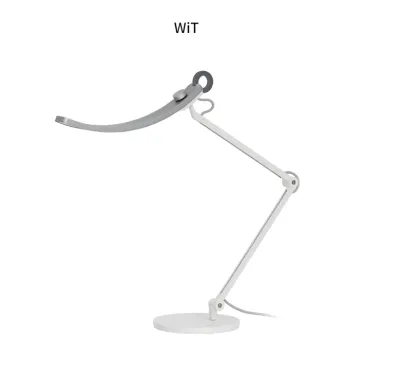
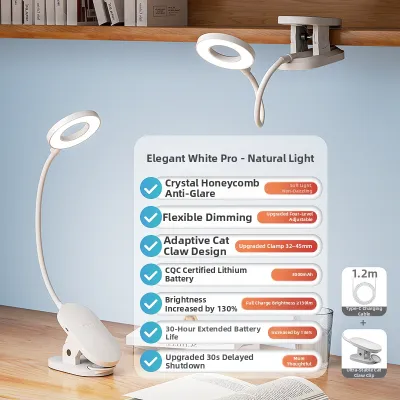
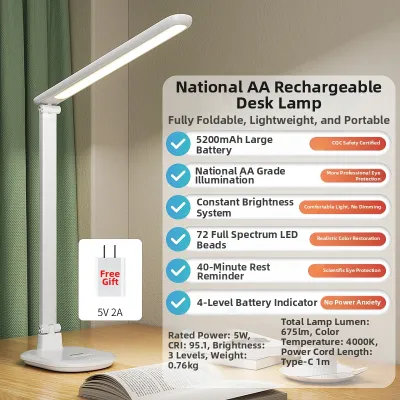
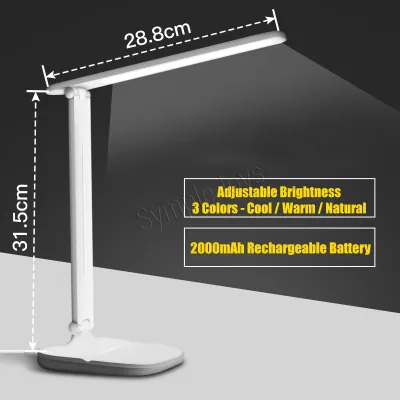
![[SG Local Stock] 2000mAh LED Table Lamp Study Foldable Desk Light Bedroom Bedside Touch Control Dimmable USB Rechargeable 台灯 CNY Gift Present](https://img.lazcdn.com/g/p/254b9aa79170e7ac80d5ab37505c1212.jpg_400x400q80.jpg_.webp)
Prices are valid at publication and may change. Please refer to the product page for the latest price.
Choose Xiaomi if you are looking for a highly functional, minimalist desk lamp that integrates seamlessly into a modern smart home ecosystem without breaking the bank. Xiaomi is perfect for students and home office users who appreciate clean aesthetics, app-based automation, and voice control, and who want excellent value for money in a compact form factor.
Choose Philips if you prefer a trusted, time-tested brand that delivers balanced optical performance, reliable eye-care certifications, and straightforward usability. Philips sits comfortably in the mid-to-high tier, offering a wide range of designs that suit traditional study setups where consistent, flicker-free light and physical durability are the top priorities.
Eye-Care Technology: Comparing Light Quality and Glare Control
The primary duty of any study desk lamp is to protect your eyes from strain, fatigue, and long-term damage. Each of these three brands approaches eye protection through distinct optical technologies, aiming to solve the common issues of direct glare, reflected glare, and uneven light distribution.

BenQ addresses these challenges with its signature curved light heads and asymmetric optical designs. Instead of throwing light in a simple cone shape, BenQ’s lamps project an elliptical light pattern that evenly illuminates a wide workspace without spilling light onto computer screens or directly into your eyes. This curved design is particularly effective at reducing screen glare, which is a major cause of digital eye strain during hybrid study sessions that involve both physical books and digital devices.
Philips approaches glare control through advanced diffusion materials, such as their proprietary honeycomb lenses or specialized optical micro-prisms. These structures break up the harsh, direct light from individual LED chips, scattering it evenly across the desk surface. By reducing hot spots—areas of intense, concentrated brightness—Philips lamps minimize the reflective glare that bounces off glossy textbook pages and tablet screens, creating a much softer and more comfortable reading environment.
Xiaomi utilizes multi-layered optical diffusers designed to mimic natural, indirect light. Their lamps often feature circular or linear light heads that blend light paths to soften shadows. While Xiaomi’s optical engineering is less complex than BenQ’s high-end asymmetric projection, it successfully delivers a highly uniform light field that prevents the rapid eye fatigue associated with moving your gaze between bright and dark zones on your desk.
When evaluating these brands, you must look beyond marketing claims and verify specific optical metrics on product labels or official manufacturer specifications:
- Color Rendering Index (CRI or Ra): For studying and detailed tasks, look for a CRI of Ra > 90. A higher CRI ensures that colors appear natural and vibrant, which reduces cognitive fatigue when reading or drawing. Both BenQ and premium Philips models consistently hit Ra > 95, while Xiaomi models typically offer Ra > 90.
- Flicker-Free Certification: Invisible flicker can cause headaches and eye strain over time. Verify if the lamp has received independent certifications, such as the TÜV Rheinland Flicker-Free certification, which confirms the light output remains stable across all brightness levels.
- Illuminance Uniformity: This refers to how evenly light is spread across a designated area. A high uniformity ratio means the transition from the center of the desk to the edges is smooth, preventing your pupils from constantly dilating and contracting as you look around your workspace.
Another critical factor to verify is the blue light hazard exemption rating. Exposure to high levels of blue light, especially during late-night study sessions, can disrupt your circadian rhythm and cause sleep disturbances. Look for lamps certified as RG0 (Risk Group 0), which indicates the product is completely exempt from blue light hazards. Ensure this rating is explicitly stated on the product packaging or official specification sheets before making your purchase.
Smart Features and Usability for Study Routines
Modern study routines often require dynamic lighting that adapts to different tasks, from reading physical textbooks to typing on a laptop or winding down before bed. The way you interact with your lamp—and how it adapts to your environment—varies significantly across these three brands.
Xiaomi stands out as the clear leader in smart home integration and ecosystem connectivity. Most Xiaomi desk lamps connect directly to the Mi Home app via Wi-Fi or Bluetooth, allowing you to control brightness, color temperature, and scheduling from your smartphone. They integrate seamlessly with broader smart home routines, enabling you to link your desk lamp with motion sensors, smart switches, or voice assistants like Google Assistant and Apple HomeKit. For students who enjoy setting focus timers (such as the Pomodoro technique) or automating their study environment, Xiaomi offers an unparalleled level of digital customization.
In contrast, BenQ and Philips focus heavily on hardware-driven, localized smart features. Rather than relying on a smartphone app, BenQ lamps feature built-in ambient light sensors that actively monitor the surrounding room brightness. With a single touch, the lamp’s auto-dimming function automatically adjusts its light output to maintain an optimal 500 Lux on your desk surface. This hardware-centric approach ensures that your workspace remains perfectly illuminated without requiring you to open an app or look at a screen.
Philips offers a balanced mix of both worlds, with many of their mid-to-high range lamps featuring touch-sensitive control panels on the base. These panels provide quick access to pre-set modes, such as “Computer Mode,” “Reading Mode,” and “Writing Mode,” which instantly adjust the color temperature and brightness to suit the task. Some premium Philips models also incorporate ambient light sensors for automatic brightness adjustment, ensuring consistent illumination throughout the day.
In a Singapore home, where natural light can shift rapidly from bright, intense tropical sunshine to the dark gloom of a sudden afternoon thunderstorm, auto-dimming features are incredibly practical. They prevent you from studying in a room that has gradually grown too dark, saving you from manual adjustments. However, if you opt for a smart-connected lamp like Xiaomi’s, you must check app compatibility and regional server requirements. Some imported models may require you to set your smart home app to a specific regional server (such as China) to function, which can complicate integration with other local smart devices. Additionally, verify whether the lamp requires a constant Wi-Fi connection to perform basic schedules, or if it can retain its memory offline.
Build Quality, Adjustability, and Desk Footprint
A desk lamp’s physical construction determines not only how long it will last but also how effectively it can be positioned to light your work without cluttering your desk. The materials used and the flexibility of the joints are crucial indicators of long-term durability.
BenQ lamps are engineered with a clear focus on heavy-duty durability and maximum adjustability. They typically feature heavy, counterbalanced metal bases that prevent tipping, coupled with robust aluminum alloy arms and precision-engineered ball joints. This allows you to pull the light head close to your desk, push it high out of your field of view, or tilt it at precise angles to block glare. The joints are designed to hold their position over years of daily adjustments without sagging. However, this robust build comes with a trade-off: the heavy bases have a substantial desk footprint, requiring a dedicated, sturdy surface.
Philips desk lamps generally feature highly practical, space-saving designs. Many models utilize foldable, double-arm structures made from high-quality plastics and aluminum accents. These designs allow the lamp to be folded flat against the wall or tucked away when not in use, making them highly suitable for compact study desks or multi-purpose rooms. The hinge mechanisms on Philips lamps are reliable and smooth, though they may not offer the extreme, multi-axis rotation found in BenQ’s ball-joint systems.
Xiaomi champions an ultra-minimalist aesthetic, characterized by slim profiles, matte white finishes, and clean lines. Their popular models often feature a single, precise hinge that allows the light arm to fold up and down. While this minimalist design looks exceptionally clean and modern, it offers less physical adjustability than the multi-jointed arms of BenQ or Philips. You cannot easily tilt the light head sideways or adjust its height independently of its angle, which might limit its effectiveness on highly complex or very deep desk setups.
Before purchasing, it is essential to measure your desk depth, width, and the height of any shelving or monitors. If you have a shallow study desk—common in many Singapore HDB flats—a lamp with a massive base can consume valuable workspace. In such scenarios, you might want to consider alternative form factors, such as clamp-on desk lamps or monitor light bars that mount directly onto your screen, freeing up your entire desk surface. Additionally, check the build materials of the joints and casing; aluminum alloys are superior to plastic for dissipating the heat generated by high-power LEDs, which directly extends the lifespan of the internal components and maintains joint tension over time.
Price Tiers and Long-Term Value in Singapore
When comparing Philips, Xiaomi, and BenQ, you are looking at three distinct pricing tiers that reflect their target audiences and technological complexity. Understanding these tiers helps you view your purchase as a long-term investment in your eye health rather than just an upfront expense.
Xiaomi occupies the entry-level to mid-range tier, with prices in Singapore typically ranging from S$40 to S$100. For this price, Xiaomi offers an exceptional feature-to-cost ratio, providing smart home integration, decent color rendering, and clean aesthetics that are hard to match at this price point. It is an excellent, budget-friendly option for students or casual users who need a reliable light for shorter study sessions.
Philips spans the mid-to-high tier, with prices generally sitting between S$80 and S$250, depending on the complexity of the optical technology and the inclusion of auto-dimming features. Philips represents a balanced, reliable investment. You are paying for proven optical science, robust build quality, and a trusted brand heritage that guarantees compliance with international eye safety standards.
BenQ represents the premium tier, with prices starting around S$200 and reaching up to S$400 or more for their advanced study and monitor-mount models. While this is a significant upfront cost, BenQ delivers unmatched ergonomic design, superior light distribution, and exceptional materials. For those who spend eight or more hours a day studying, writing, or working at a desk, the reduction in eye strain and the sheer physical durability of the lamp make it a highly justifiable long-term investment.
To protect your investment, always purchase your desk lamp from authorized online retailers, official brand flagship stores, or established local electronics department stores in Singapore. Buying from authorized channels ensures that you receive a genuine product with a valid local manufacturer’s warranty. This is particularly important for premium brands like BenQ and Philips, where warranty claims can save you from costly replacements if an electronic component fails.
Be highly cautious of parallel imports or unauthorized third-party sellers on e-commerce platforms. While these listings may offer slightly lower prices, they often come with significant risks. Parallel imports may not include a local warranty, leaving you with no recourse if the lamp malfunctions. More importantly, these products may not be packaged with the correct power adapters or plugs compatible with Singapore’s electrical system, posing potential safety hazards.
Final Checklist Before You Buy
Before finalizing your choice, run through this practical checklist to ensure your selected desk lamp fits perfectly into your physical study environment and daily routine:
- Measure Your Desk Space: Check the width and depth of your desk. Ensure the lamp's base fits comfortably without crowding your books, laptop, or keyboard.
- Verify Clearance Height: If you use a computer monitor or have shelving above your desk, ensure the lamp arm can be adjusted to cast light below or around these obstacles without creating shadows.
- Check Power Outlet and Cable Length: Locate your nearest power outlet. Measure the distance to your desk to ensure the lamp’s power cable can reach safely without being stretched or requiring hazardous extension cords.
- Confirm Smart Home Compatibility: If opting for a smart lamp, verify that it supports your preferred assistant (Google Home, Apple HomeKit, or Alexa) and that your home Wi-Fi signal is strong enough at your desk.
- Look for the SAFETY Mark: In Singapore, desk lamps and their accompanying power adapters are classified as controlled goods. Ensure the product or its power adapter bears the distinctive local SAFETY Mark. This certification guarantees that the electrical components have been tested and approved for safe use in Singapore homes, protecting you from short circuits or fire hazards.
Frequently Asked Questions (FAQ)
What electrical safety certifications are required for desk lamps in Singapore?
In Singapore, desk lamps and their external power adapters are regulated controlled goods under the Consumer Protection (Safety Requirements) Registration Scheme. This means they must be registered with Enterprise Singapore and must carry the official SAFETY Mark on the product body or the power adapter. This mark indicates that the product has undergone rigorous testing to meet local electrical safety standards, ensuring it is safe to plug into Singapore’s 230V, 50Hz mains power supply.
Is a higher wattage always better for studying?
No, a higher wattage does not automatically translate to a better study lamp. Wattage simply measures how much electrical power the lamp consumes, not how much usable light it produces or how comfortable that light is for your eyes. For studying, you should focus on illuminance (measured in Lux) on your desk surface, color rendering (CRI), and glare control. A high-quality LED desk lamp can deliver an optimal 500 Lux of bright, uniform light while consuming very little wattage. Look for lamps with adjustable brightness levels so you can customize the illumination to match the changing ambient light throughout the day.
Community discussion
Share your experience or ask a question. Comments are reviewed before publication.