
Finding the right bedroom lamp in Singapore requires balancing visual comfort, physical design, and smart functionality. When choosing between Philips, Xiaomi, and Opple, the optimal decision depends on your personal habits and bedroom environment. If your priority is advanced optical engineering and certified eye comfort for late-night reading, Philips stands out as the industry benchmark. For those building an integrated smart home ecosystem with automated routines and minimalist aesthetics, Xiaomi offers superior connectivity. Meanwhile, Opple provides highly practical, durable, and budget-friendly lighting solutions that focus on straightforward utility.
Brand Positioning and Core Strengths
Philips, Xiaomi, and Opple represent three distinct engineering philosophies in the consumer lighting market. Understanding their background helps clarify why their products excel in different areas of bedroom illumination.
Philips
As an established leader in global lighting technology, Philips (managed under Signify) focuses heavily on optical research and health-centric illumination. Their design philosophy prioritizes eye comfort, aiming to minimize the long-term visual fatigue associated with artificial light. Philips lamps frequently feature advanced diffusion layers, honeycomb lenses, and patented technologies designed to reduce flicker and glare. This brand targets users who view a bedroom lamp as an investment in eye health and visual comfort, particularly those who spend hours reading or working in bed.
Products mentioned in this guide
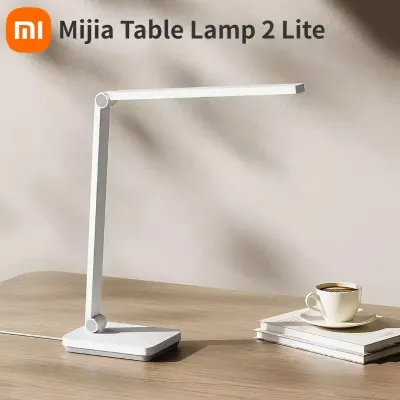
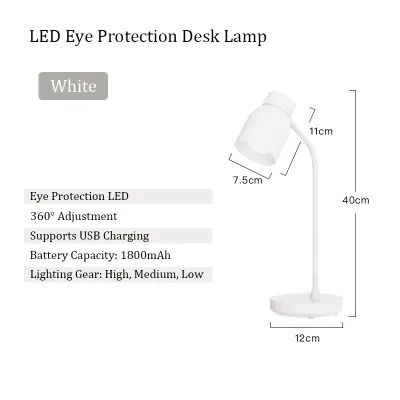
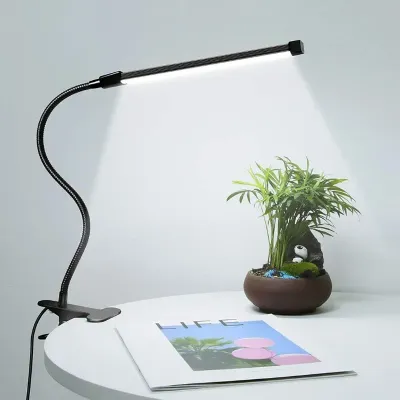
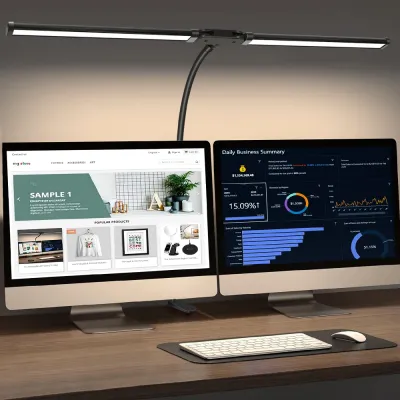
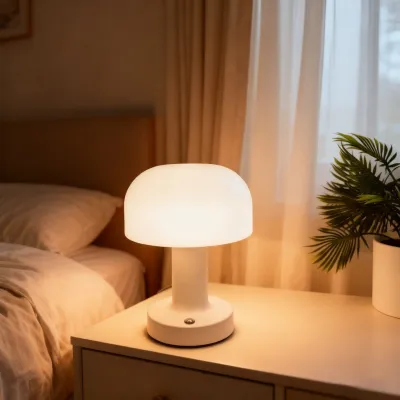
Prices are valid at publication and may change. Please refer to the product page for the latest price.
Xiaomi
Xiaomi has redefined the home appliance landscape by combining minimalist industrial design with robust smart ecosystem integration. Their lighting products, often developed in collaboration with specialized ecological partners, are designed to fit seamlessly into modern, tech-enabled homes. By leveraging the Mi Home app, Xiaomi lamps allow users to customize brightness curves, schedule automated routines, and sync their lighting with other smart home devices. This brand appeals directly to tech-savvy homeowners in Singapore who value clean lines, smart automation, and high feature density at competitive prices.
Opple
Opple is a major player in the global lighting industry, recognized for producing highly reliable, functional, and value-driven products. Rather than focusing on complex smart ecosystems or premium optical certifications, Opple concentrates on the fundamentals of everyday illumination. Their lamps are built with durable materials, straightforward physical controls, and efficient LED engines that deliver consistent performance over years of use. For consumers seeking a dependable, no-fuss bedroom lamp that performs its core job without requiring a smartphone app or a premium budget, Opple remains a highly practical choice.
Key Comparison Dimensions for a Bedroom Lamp
Selecting a bedroom lamp involves evaluating several technical and physical specifications that directly impact your sleep quality and evening comfort.

Lighting Quality and Eye Comfort
The optical performance of a bedroom lamp is critical because poor lighting can disrupt your circadian rhythm and cause eye strain. When evaluating these brands, pay close attention to the Color Rendering Index (CRI, or Ra), which measures how accurately a light source reveals true colors. A CRI of Ra 90 or higher is ideal for reading and detailed tasks. Additionally, look for models with low blue-light emissions (ideally certified as RG0, indicating blue-light exemption) and flicker-free performance to prevent headaches and fatigue.
Philips consistently leads in this dimension, utilizing advanced optical diffusers that distribute light evenly across a surface, eliminating harsh hotspots. Xiaomi also offers excellent light quality, with many of their modern lamps boasting high CRI ratings and adjustable color temperatures ranging from a warm 2700K to a crisp 6500K. Opple focuses on clean, flicker-free basic illumination, though their entry-level models may offer fewer customization options for fine-tuning the light spectrum compared to their premium competitors.
Smart Features and Controls
The interface and connectivity of your bedroom lamp determine how easily you can transition from active reading to a relaxed, pre-sleep state. Xiaomi is the clear leader in this category, offering native integration with the Mi Home app, Google Assistant, and Apple HomeKit on many models. This allows you to set automated schedules, such as a gradual sunset dimming routine that prepares your body for sleep, or voice commands to turn off the light without leaving your bed.
Philips offers smart features on select models, sometimes utilizing Bluetooth or partnering with smart ecosystems, but their primary focus remains on highly responsive physical controls like touch-sensitive sliders and rotary dials. Opple generally keeps controls simple and physical, utilizing touch panels or traditional buttons on the base. While Opple does offer some smart models, their ecosystem integration is typically less comprehensive than Xiaomi’s, making them better suited for users who prefer localized, offline control.
Build Quality and Design Aesthetics
A bedroom lamp must complement your interior decor while fitting comfortably on a bedside table. Xiaomi’s design language is characterized by ultra-slim profiles, matte white finishes, and hidden joints, making them a perfect match for modern, Scandinavian, or minimalist Singaporean bedrooms. Their use of lightweight aluminum alloys and high-grade plastics ensures a premium feel without excessive bulk.
Philips tends to use more robust, traditional structures, often featuring weighted bases that prevent the lamp from tipping over if accidentally bumped in the dark. Their multi-axis joints are engineered for long-term durability, allowing precise positioning of the light source. Opple lamps prioritize utilitarian durability, featuring sturdy plastic and metal constructions designed to withstand daily wear. While Opple’s designs may appear more conventional, their compact footprints make them highly practical for smaller nightstands where space is at a premium.
Pricing and Value in Singapore
In the Singapore market, these three brands occupy distinct price tiers. Opple represents the budget-friendly entry point, with reliable, basic lamps often available in the low-range price band (under S$40). This makes them highly attractive for guest rooms, rental properties, or secondary desks where advanced features are unnecessary.
Xiaomi occupies the mid-range bracket (typically S$40 to S$100), offering an exceptional balance of smart features, build quality, and modern design that punch well above their price point. Philips spans from the mid-range to the premium tier (often exceeding S$100 for advanced eye-care models). While Philips requires a higher initial investment, the brand’s long-standing reputation, extensive optical engineering, and local customer support provide significant long-term value for dedicated readers and families prioritizing eye health.
Decision Framework: Which Brand Should You Choose?
To help you finalize your decision, consider how your daily bedroom routines align with the specific strengths of each brand.
- Choose Philips if: Your primary activity in bed is sustained, focused reading or studying, and you require the highest level of optical comfort. Philips is the ideal choice for those who are sensitive to eye strain, glare, or subtle light flicker. If you prefer intuitive physical controls over smartphone apps, and you want a highly durable, stable lamp with a proven track record of optical safety certifications, Philips is worth the premium investment.
- Choose Xiaomi if: You want to build a fully automated, connected smart home environment. Xiaomi is perfect if you enjoy setting custom lighting scenes, controlling your bedroom lamp via voice commands, or scheduling gradual dimming routines to assist with your sleep cycle. Their minimalist, space-saving designs are also ideal for homeowners who want their bedside lighting to blend seamlessly into a contemporary, clutter-free interior.
- Choose Opple if: You are looking for a straightforward, highly reliable, and budget-friendly lighting solution. Opple is the best fit if you do not need smart home connectivity, app controls, or complex settings, and simply want a durable lamp that turns on and off with a physical switch. It is an excellent choice for children's bedrooms, guest rooms, or any space where practical utility and cost-efficiency are your primary concerns.
- Verify first if: You are purchasing these lamps from online marketplaces or third-party importers. Because Singapore operates on a 230V, 50Hz electrical system, you must ensure that any imported lamp is fully compatible with local voltage standards. Always verify the plug type and check if the product comes with an official local warranty or if you are relying on a limited seller warranty, which can complicate returns or repairs if a component fails.
Essential Checks Before Buying a Bedroom Lamp in Singapore
Before making your final purchase, there are several critical technical and practical factors you must verify to ensure safety, compatibility, and optimal performance in your home.
- Voltage and Plug Type: Singapore's mains electricity supply operates at 230V AC, 50Hz, using the standard Type G three-pin plug. When browsing bedroom lamps online, particularly from international sellers, always confirm that the device is rated for 220V–240V. Avoid purchasing 110V models designed for other regions, as connecting them to Singapore's power supply without a proper voltage converter can cause immediate electrical damage or pose a fire hazard. Furthermore, prioritize lamps that carry the Enterprise Singapore Safety Mark, which indicates the product has been tested and certified safe for local use. Using uncertified adapters with non-standard plugs should be avoided to prevent loose connections and short circuits.
- Space and Placement: Measure the surface area of your bedside table or nightstand before choosing a lamp. A lamp with an oversized base can quickly overcrowd your table, leaving little room for essentials like your phone, glasses, or a glass of water. Additionally, consider the weight of the base; a heavier base provides better stability, reducing the risk of the lamp being accidentally knocked over when you reach for it in the dark. Ensure the power cord is long enough to reach your nearest wall outlet without creating a tripping hazard or requiring unsafe daisy-chained extension cords.
- Glare and Reflections: Because a bedroom lamp is often used while lying down or sitting at a low angle, glare control is paramount. If the light source shines directly into your eyes, it can cause immediate discomfort and suppress melatonin production, disrupting your sleep. Look for lamps with adjustable heads, rotating arms, or built-in diffusers that allow you to direct the light away from your direct line of sight. For bedside reading, the light should be directed downward onto your page, rather than outward into the room, to maintain a relaxing, low-glare environment.
Frequently Asked Questions (FAQ)
Understanding the technical aspects of bedroom lighting can help you optimize your setup for better sleep and visual comfort.
What color temperature is best for a bedroom table lamp?
For evening relaxation and preparing for sleep, a warm white light with a color temperature between 2700K and 3000K is highly recommended. Warm light closely mimics the natural hues of sunset, which helps signal to your brain that it is time to wind down. This spectrum minimizes exposure to blue light, which is known to suppress melatonin production and interfere with your sleep quality. If you use your bedroom lamp for multiple tasks, such as daytime studying or working, look for a model with adjustable color temperature. This allows you to switch to a cooler, crisper light (around 4000K to 5000K) during the day to enhance focus, and then transition back to a warm, soothing glow as night falls.
Can I use smart lamps without a smart home hub?
Yes, many modern smart bedroom lamps can be operated without a dedicated smart home hub. Most smart models from brands like Xiaomi utilize direct Wi-Fi or Bluetooth connections, allowing them to pair directly with your home router or smartphone. Once connected, you can control the lamp’s brightness, color temperature, and schedules directly through the manufacturer’s mobile application. However, if you plan to integrate the lamp into a larger smart home ecosystem with automated triggers—such as syncing the light with motion sensors or smart blinds—you may eventually require a compatible hub or a central smart speaker. Always check the product’s specifications to confirm its connectivity requirements before buying.
Community discussion
Share your experience or ask a question. Comments are reviewed before publication.