
Pink candlesticks are versatile design elements that alter the mood of a room. Whether adding a soft touch to a dining table or a bold accent to a shelf, the material plays a defining role. Glass, ceramic, and metal each interact with light, color, and space in distinct ways. Glass offers a delicate, translucent quality that captures and refracts light, making it feel airy. Ceramic brings an earthy, tactile presence with its solid opacity, grounding decor with an artisan feel. Metal provides clean, structural lines and durable finishes, offering a sleek, contemporary, or elegant look. Selecting the right style depends on how you want the piece to interact with light, its physical weight, and your room’s existing design language.
Understanding How Material Shapes Pink Decor
The color pink is highly versatile, ranging from pale blush to vibrant magenta. However, how we perceive these shades is heavily influenced by the material. When light hits a pink candlestick, the material determines whether that light is absorbed, reflected, or transmitted. Translucent glass allows light to pass through, softening the pink hue and giving it a luminous, watercolor-like quality. Opaque ceramic absorbs light, making the pink feel more saturated and physically grounded. Reflective metal bounces light off its surfaces, making the pink appear brighter and sharper.
Beyond color perception, candlesticks serve as crucial vertical anchors in interior styling. In any design composition—whether a dining tablescape, a fireplace mantel, or a console—varying heights is essential for visual interest. A candlestick naturally draws the eye upward, breaking up flat planes. The material dictates the visual weight of this anchor. A heavy ceramic holder feels permanent and stable, while a slender metal or clear glass holder feels light and unobtrusive. By establishing baseline criteria for visual weight, surface texture, and light interaction, you can easily determine which material will elevate your space.
Products mentioned in this guide
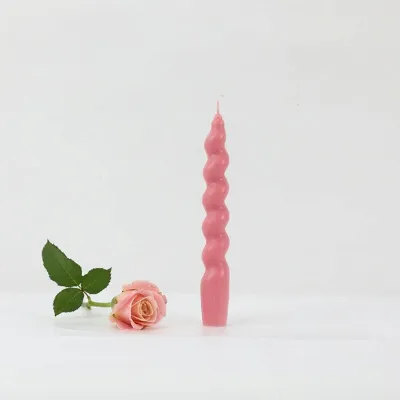

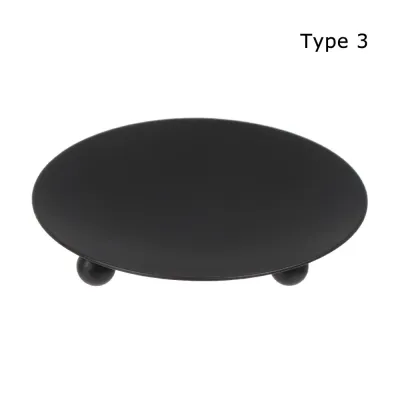
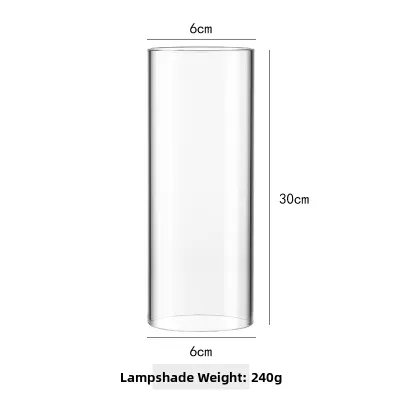
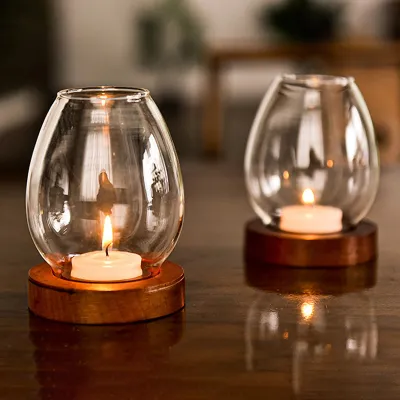
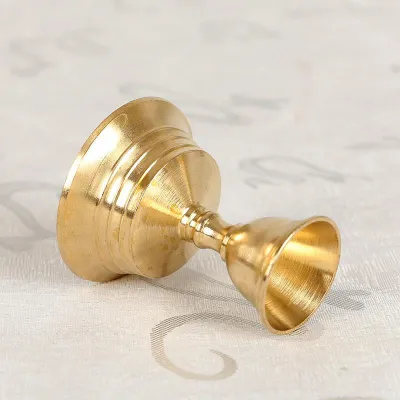
Prices are valid at publication and may change. Please refer to the product page for the latest price.
Glass Pink Candlesticks: Light Play and Delicate Styling
Glass pink candlesticks are celebrated for their delicate beauty and unique ability to play with light. When placed in a well-lit room, tinted pink glass catches both natural daylight and flickering candlelight, casting soft, rosy reflections onto nearby surfaces. This creates a warm, inviting glow that makes a dining space feel instantly more intimate. Frosted pink glass diffuses light to create a soft, matte pastel appearance that feels dreamy and romantic, while painted glass provides a highly saturated, opaque pink color.

In terms of structural style, glass candlesticks are incredibly diverse. Ribbed and fluted designs feature vertical grooves that catch light at different angles, adding texture and a touch of retro-modern charm. Smooth, hand-blown vintage silhouettes offer elegant, organic curves that evoke nostalgia and classic sophistication. Pressed glass options with intricate geometric patterns create beautiful, complex shadows when a candle is lit.
To maximize the visual impact of glass pink candlesticks, placement is key. They perform exceptionally well when positioned where they can interact with light sources without causing harsh glare. Placing them on a windowsill allows the daytime sun to filter through the pink glass, creating a beautiful stained-glass effect. When styling a dining table, pairing glass holders with simple taper candles ensures the focus remains on the delicate play of light and color.
Ceramic Pink Candlesticks: Texture, Weight, and Warmth
Ceramic pink candlesticks bring tactile warmth, physical weight, and artisanal craftsmanship to home decor. Unlike glass, ceramic is completely opaque, standing as a solid, substantial block of color that is excellent for grounding a decorative arrangement. The appeal of ceramic lies heavily in its surface finish, which can range from ultra-matte to high-gloss.
Matte ceramic finishes, such as unglazed stoneware or chalky clay, offer a soft, non-reflective surface that feels modern, calming, and organic. These finishes highlight the natural texture of the clay, giving the candlestick a rustic, hand-crafted feel. High-gloss glazes create a shiny, liquid-like surface that reflects light softly, accentuating the subtle, unique imperfections of a hand-thrown piece. Raw, textured finishes incorporate sand or grit into the clay, providing a highly tactile experience.
Because of their inherent weight and organic feel, ceramic pink candlesticks are ideal for styling contexts where texture and comfort are prioritized. They fit beautifully into Japandi, organic modern, or rustic Scandinavian interiors, where they pair naturally with materials like light-colored wood, woven linen, and dried botanicals. A dusty rose ceramic holder placed on a wooden dining table adds a subtle, earthy pop of color without disrupting the serene, nature-inspired aesthetic of the room.
Metal Pink Candlesticks: Structural Lines and Finish Types
For those seeking sharp structural lines, high contrast, and exceptional durability, metal pink candlesticks are an outstanding choice. Metal allows for design possibilities that are physically impossible with glass or ceramic, such as incredibly slender, delicate stems paired with heavy, compact bases. This structural capability creates striking silhouettes that add a sense of modern elegance or classical drama to any room.
The visual effect of a metal pink candlestick depends largely on its finish. Powder-coated pink metal offers a smooth, uniform, and highly durable finish that can range from a soft matte blush to a vibrant, semi-gloss coral. This clean, painted look is highly suited for minimalist or industrial spaces where precise lines and solid colors are valued. Alternatively, metallic-rose or rose gold finishes introduce a luxurious, reflective quality. These metallic finishes catch the light brilliantly, bridging the gap between a colorful accent and a traditional metallic decor piece.
Metal candlesticks are highly versatile in their styling applications. Slender, geometric metal holders can introduce a sleek, contemporary touch to a modern apartment, while ornate, cast-metal designs—such as vintage-style pink candelabras—can add a romantic, classical element to a traditional home. Because metal is rigid and highly structured, these candlesticks provide a beautiful contrast when styled alongside softer, organic decor elements like draped linen tablecloths or fresh floral arrangements.
How to Choose the Right Material for Your Space
Selecting the ideal pink candlestick involves evaluating your existing room conditions, styling goals, and practical preferences. Consider this conditional decision framework based on your specific design needs:
- Choose glass if your primary goal is to amplify light, maintain an airy and spacious feel, and enjoy delicate color refractions. Glass is ideal for smaller rooms, bright windowsills, or elegant dining tables where you want the decor to feel light, breezy, and sophisticated.
- Choose ceramic if your space needs tactile warmth, visual grounding, and an organic, artisan aesthetic. Ceramic works best in cozy living areas, reading nooks, or dining rooms styled with natural materials, where its solid weight and rich textures can create a sense of comfort and calm.
- Choose metal if your decor requires sharp structural lines, high contrast, and a durable, eye-catching focal point. Metal is an excellent choice for contemporary, industrial, or classic spaces where you want to introduce a sleek silhouette or a touch of metallic luxury.
Before making a final decision, always verify how the chosen material aligns with the existing textures and lighting in your room. If your space already features many polished, reflective surfaces—such as glass tabletops or high-gloss cabinets—opting for a matte ceramic or frosted glass candlestick can prevent visual overload by introducing a soft, light-absorbing texture. Conversely, if your room is dominated by heavy, matte fabrics and dark wood, a shiny metal or translucent glass holder can inject much-needed brightness and contrast. Additionally, consider your maintenance preferences, as some materials require more delicate handling and cleaning than others to preserve their beautiful finishes.
Practical Checks: Sizing, Stability, and Safety
Before purchasing or placing your pink candlestick, performing a few practical and safety checks is essential to ensure a functional and hazard-free experience. First, always verify the candle cup diameter. Standard taper candles typically have a base diameter of approximately 2.2 cm, but variations are common. Measuring the inner cup of the holder ensures a secure, wobble-free fit. A loose candle is a significant fire hazard; if the fit is not completely snug, use specialized candle adhesive wax dots or gently shave the base of the candle to secure it vertically.
Next, assess the base weight and footprint dimensions of the candlestick. A tall taper candle requires a stable, well-balanced base to prevent accidental tipping, especially in high-traffic areas, dining tables where guests might bump the furniture, or homes with active pets. While metal holders often feature heavy, compact bases that offer excellent stability, glass and ceramic options can sometimes be top-heavy if their bases are too narrow. Ensure the footprint is wide enough to support the height of both the holder and the candle.
Safety should always be the top priority when burning candles. Carefully check the manufacturer’s labels for heat resistance and safe clearance requirements. Ensure the candlestick is placed on a heat-resistant surface and kept at a safe distance from flammable materials, such as curtains, dried floral arrangements, or low-hanging wall decor. Finally, if you plan to use your candlesticks outdoors on a balcony or in high-humidity environments, verify that the material can withstand these conditions. Painted metals may rust if the finish is scratched, and delicate glass can collect condensation, so it is recommended to store these items indoors in a dry place when they are not in use.
Frequently Asked Questions (FAQ)
Can I mix different pink candlestick materials on the same table?
Mixing different pink candlestick materials is an excellent way to create a rich, layered, and visually interesting tablescape. To ensure the arrangement looks cohesive rather than cluttered, maintain a common design thread. You can achieve this by choosing candlesticks that share a similar shade of pink, or by keeping the candle colors uniform. Varying the heights of the holders is also crucial, as it creates a dynamic visual flow across the table. To maintain balance, pair visually heavy ceramic pieces with light, airy glass holders, distributing them evenly so one side of the table does not feel heavier than the other.
How do I safely remove wax residue from different materials?
Removing wax residue requires material-specific care to avoid damaging the beautiful finishes of your pink candlesticks. For glass holders, submerge them in warm (not boiling) water to soften the wax, then gently wipe it away with a soft microfiber cloth; never use metal scrapers, as they can easily scratch the glass. For ceramic candlesticks, especially those with matte or unglazed finishes, avoid harsh scrubbing which can ruin the texture. Instead, place the holder in the freezer for about an hour; the cold temperature will cause the wax to shrink and harden, allowing you to gently pop it off. For painted or powder-coated metal, check the manufacturer’s care instructions first. Avoid scraping with sharp objects that could chip the paint, and use warm water with a mild dish soap to clean up any remaining residue.
Community discussion
Share your experience or ask a question. Comments are reviewed before publication.