
Solar light outdoor security systems rely heavily on finding the right balance between detection accuracy and power conservation. Neither passive infrared (PIR) nor microwave sensor technology is universally superior; the ideal choice depends entirely on your property layout, mounting location, and local environmental conditions.
To determine which technology suits your security needs, consider this direct decision framework:
- Choose PIR if: You need highly targeted, line-of-sight detection for specific, high-traffic zones like a front porch, garage entrance, or narrow pathway, and want to minimize false alarms caused by wind, rain, or distant traffic.
- Choose Microwave if: You require expansive, long-range coverage, early detection across wide driveways or open yards, or need the sensor to operate reliably while hidden behind thin, non-metallic decorative covers.
- Verify first if: Your selected solar light outdoor fixture has a limited battery capacity or a small solar panel, as microwave sensors continuously emit signals and consume significantly more power than passive PIR alternatives.
How PIR and Microwave Motion Sensors Detect Movement
To choose the most reliable solar light outdoor setup, it is essential to understand the underlying physical mechanics of how these two sensor types detect motion. Each technology interacts with the outdoor environment in fundamentally different ways, directly influencing their triggering reliability and energy efficiency.
Products mentioned in this guide
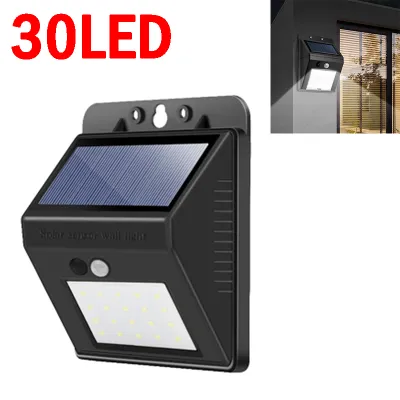
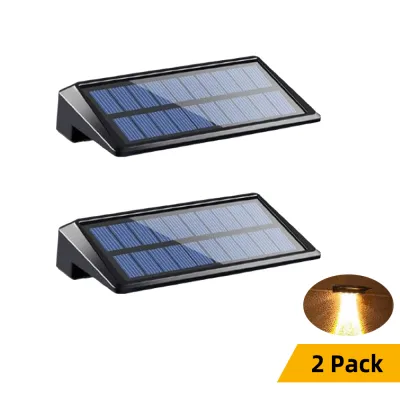
Prices are valid at publication and may change. Please refer to the product page for the latest price.
Passive Infrared (PIR) Sensors: Heat and Line-of-Sight
Passive Infrared (PIR) sensors operate by measuring incoming infrared radiation—commonly referred to as heat signatures—within their field of view. The sensor itself is entirely passive, meaning it does not emit any energy or waves into the environment; instead, it monitors the ambient thermal profile of the detection zone.
To detect motion, a PIR sensor relies on a segmented lens, known as a Fresnel lens, which divides the physical space into multiple detection sectors. When a warm object, such as a human body, a large animal, or a warm car engine, moves across these sectors, the sensor detects a rapid, sequential change in infrared energy. This differential heat signature triggers the solar light outdoor fixture to turn on.
Because PIR sensors rely entirely on detecting moving heat sources, they require an unobstructed, direct line of sight to function. They cannot see through solid objects, glass windows, or dense foliage. This physical limitation is actually a major security advantage, as it ensures the sensor is highly specific to living beings and is inherently insulated from false alarms caused by inanimate movement like blowing wind or falling leaves.
Microwave (Radar) Sensors: Radio Waves and Penetration
Microwave sensors, also known as radar motion sensors, are active detection systems. Instead of waiting to receive thermal energy, a microwave sensor continuously emits high-frequency electromagnetic radio waves (typically in the 5.8 GHz or 24 GHz frequency bands) into the surrounding environment. These waves bounce off nearby physical structures and return to the sensor.
By continuously measuring the time it takes for these radio waves to reflect back, the sensor establishes a baseline of the surrounding space. When any physical object moves within the detection zone, it disrupts the wave pattern, causing a frequency shift known as the Doppler effect. The sensor instantly identifies this shift in the reflected echo and triggers the solar light outdoor fixture.
Because microwave sensors rely on radio wave reflections rather than thermal energy, they do not require a direct line of sight and can easily penetrate thin, non-metallic barriers such as glass, acrylic, plastic, plasterboard, and thin wood. This active technology is incredibly sensitive to any form of physical displacement, regardless of the moving object’s temperature. However, this extreme sensitivity means that even minor, non-threatening movements can trigger the sensor if it is not calibrated correctly.
Key Comparison Dimensions for Solar Security Lights
When evaluating motion sensors for a solar light outdoor system, you must weigh several performance dimensions. The table below summarizes the core differences between PIR and microwave sensors across key operational categories:

| Performance Dimension | Passive Infrared (PIR) Sensor | Microwave (Radar) Sensor |
|---|---|---|
| Detection Pattern | Focused, directional cone (typically 90° to 120°) | Broad, volumetric dome (up to 360°) |
| Detection Range | Short to medium (typically 5 to 12 meters) | Long (typically 15 to 25 meters) |
| Triggering Trigger Mechanism | Changes in moving thermal signatures | Physical displacement of radio waves |
| False Trigger Risk | Low; ignores wind, rain, and foliage | High; sensitive to wind, rain, and nearby metal |
| Power Consumption | Extremely low (microwatts in standby mode) | Moderate to high (continuous active transmission) |
| Temperature Sensitivity | High; performance drops in extreme ambient heat | None; operates reliably in all temperatures |
| Material Penetration | None; blocked by glass, plastic, and wood | High; penetrates thin non-metallic materials |
Detection Range and Angle
PIR sensors are designed for localized, directional monitoring. They project a focused, cone-shaped detection field that typically spans between 90 and 120 degrees horizontally, reaching distances of 5 to 12 meters. This makes PIR highly effective for targeted areas where you only want to detect motion within a specific path or entrance.
Microwave sensors offer a much larger, volumetric detection field. They can project a wide, dome-shaped pattern of up to 360 degrees and can easily detect movement at distances of 15 to 25 meters. While this provides comprehensive, early-warning coverage across massive open spaces, it also means the sensor is much harder to constrain within tight property boundaries.
False Triggers and Sensitivity
The passive nature of PIR sensors makes them naturally resistant to false alarms in outdoor environments. Because inanimate objects like swaying tree branches, falling rain, or wind-blown plastic bags do not emit body heat, they do not trigger a PIR sensor. This ensures your solar light outdoor fixture only illuminates when a person or vehicle is genuinely present.
In contrast, microwave sensors are highly sensitive to any physical movement. A heavy rainstorm, swaying foliage, or even water moving through PVC drainage pipes can reflect the radio waves and trigger the light. Without precise sensitivity adjustment dials, microwave sensors can experience frequent false triggers, causing the security light to flash on and off throughout the night.
Power Consumption and Battery Life
Power conservation is the most critical factor for any solar light outdoor system, as the fixture relies entirely on stored solar energy. PIR sensors are exceptionally power-efficient because they do not transmit signals. They operate on a fraction of a milliamp in standby mode, preserving the battery capacity—typically stored in lithium-ion or lithium iron phosphate (LiFePO4) batteries ranging from 1200mAh to 2400mAh—for actual LED illumination.
Microwave sensors are active transmitters that require a constant supply of electrical current to generate and emit radio waves. This active state creates a continuous, parasitic power draw on the solar battery, even during standby periods. To support a microwave sensor throughout the night, a solar light outdoor fixture requires a much larger solar panel (measured in watts) and a higher-capacity battery (often 4400mAh or more) to prevent complete battery depletion during consecutive rainy or overcast days.
Environmental Interference
In tropical environments like Singapore, extreme heat can temporarily degrade the performance of PIR sensors. When the ambient outdoor temperature rises close to human body temperature (around 37°C), the thermal contrast between a passing person and the surrounding air is heavily reduced. This makes it difficult for the PIR sensor to distinguish a human from the background, resulting in delayed triggering or a temporarily shortened detection range.
Microwave sensors are completely unaffected by ambient air temperatures, making them highly reliable during hot afternoons or warm tropical nights. However, they are highly susceptible to electromagnetic interference from large metallic surfaces. Because metal reflects radio waves completely, mounting a microwave sensor near corrugated metal fences, iron security grates, or aluminum siding can cause chaotic wave reflections, leading to constant false triggers or severe blind spots.
Matching the Sensor to Your Property Layout
To maximize the effectiveness of your solar light outdoor security system, you must match the sensor’s physical characteristics to the specific architectural layout and environmental conditions of your property.
Driveways and Wide Open Yards
For expansive, open perimeters such as long residential driveways, wide front gates, or large open backyards, microwave sensors are highly effective. Their long-range, dome-shaped detection field ensures that an approaching vehicle or pedestrian is detected the moment they cross your property line, giving the solar light outdoor fixture ample time to illuminate the path.
However, when deploying a microwave sensor in an open yard, you must carefully adjust the sensitivity dial if your fixture has one. Because the radio waves can easily extend beyond your physical boundary, uncalibrated sensors may detect passing traffic on the public road or pedestrians on the pavement, causing the solar light to trigger unnecessarily and drain its battery before morning.
Narrow Pathways, Porches, and Apartment Corridors
For confined, high-traffic spaces like narrow side walkways, front porches, or shared HDB-style apartment corridors in Singapore, PIR sensors are the superior choice. In these compact environments, you only want the security light to activate when someone is directly approaching your specific doorway or stepping onto your property.
The strict line-of-sight limitation of PIR acts as a natural spatial filter. It prevents the solar light outdoor fixture from turning on every time a neighbor walks past in a shared corridor or a pet wanders near a ground-floor patio. This localized triggering keeps the peace with neighbors, prevents light pollution, and ensures the stored solar power is strictly reserved for genuine visitors.
Areas with Heavy Foliage or Concealed Mounting
If your outdoor space features dense tropical landscaping, overhanging tree branches, or ornamental garden bushes, a PIR sensor is highly recommended. Because PIR ignores the movement of cold, wind-blown leaves and branches, you can mount the light close to foliage without worrying about constant, battery-draining false alarms.
Conversely, if you prefer a clean, minimalist aesthetic and want to hide the utility look of a security light, microwave sensors offer a unique advantage. Because their radio waves can penetrate thin, non-metallic materials, you can completely conceal a microwave solar light outdoor fixture behind a decorative frosted glass panel, an acrylic cover, or a thin wooden fascia. A PIR sensor cannot function in this setup, as glass and acrylic completely block the transmission of infrared body heat.
Installation and Setup Tips for Reliable Triggering
Proper installation and calibration are vital to ensure your solar light outdoor fixture triggers reliably, operates safely, and achieves its maximum operational lifespan.
Mounting Height and Angle
Always consult the manufacturer’s product manual to verify the recommended mounting height, which typically ranges between 2 to 3 meters above the ground. For PIR sensors, the angle of approach is critical for reliable detection. PIR sensors are naturally more sensitive to lateral motion (moving across the sensor’s field of view) than to radial motion (moving directly toward or away from the sensor).
To optimize a PIR sensor, mount the fixture so that the primary path of foot traffic cuts across the detection zones. Tilt the sensor head slightly downward (usually at a 15- to 30-degree angle) to focus the detection cone directly onto the target walking path, which prevents the sensor from scanning too far into the distance.
Adjusting Sensitivity and Delay
If your solar security light features adjustable control dials—typically labeled SENS (sensitivity), TIME (delay), and LUX (ambient light threshold)—take the time to calibrate them during initial setup:
- For Microwave Sensors: Always start by turning the SENS dial to its lowest setting. Walk through the target area and gradually increase the sensitivity until the light triggers reliably within your property line, ensuring the radio waves do not spill over into neighboring zones.
- For the TIME Dial: Set the light duration to the shortest practical setting, typically 15 to 30 seconds. Keeping the illumination window short prevents unnecessary battery drain, ensuring the solar light outdoor fixture has enough power to last through consecutive rainy nights.
- For the LUX Dial: Adjust this setting so the motion sensor only activates when the ambient light drops below a certain level, preventing the security light from turning on during bright daylight hours.
Avoiding Obstructions and Heat Sources
To prevent constant false triggers, keep your sensors clear of environmental disruptors. For PIR sensors, avoid mounting the fixture near external heat sources. In tropical climates, this includes positioning the sensor near air-conditioning condenser units, clothes dryer vents, or dark concrete walls that absorb intense afternoon sun and radiate heat long into the night.
For microwave sensors, ensure the detection field is completely clear of large moving metal objects. Avoid pointing the sensor directly at automated metal sliding gates, metal garage doors, or outdoor metal ceiling fans, as the moving metal will reflect the radio waves and cause the light to cycle on and off continuously.
Solar Panel Placement and Safety
For any solar light outdoor fixture to operate reliably, its solar panel must receive direct, unshaded sunlight for at least 6 to 8 hours daily. Avoid placing the solar panel under deep roof eaves, dense tree canopies, or in the shadow of neighboring structures. Regularly wipe the solar panel with a damp microfiber cloth to remove accumulated dust, soot, and bird droppings, which can severely reduce solar charging efficiency.
When working at heights to mount your security fixtures, always use a stable, slip-resistant ladder and have a second person assist you. Before finalizing your installation, verify that the fixture’s Ingress Protection (IP) rating is suitable for outdoor wet environments—look for at least an IP65 rating to withstand heavy tropical downpours. If your solar security light involves fixed mains-voltage wiring (for hybrid solar-mains systems) or requires structural mounting on high facades, always isolate the power supply first and consult a qualified licensed electrician to ensure compliance with local electrical safety standards.
Frequently Asked Questions (FAQ)
Can I use a microwave sensor light behind a glass window or cover?
Yes, you can use a microwave sensor behind a glass window or thin non-metallic cover. Because microwave sensors emit high-frequency electromagnetic radio waves, they can easily penetrate standard glass, acrylic, and thin plastics without losing detection capability. This allows you to install the sensor inside a fully enclosed, weatherproof decorative lantern or behind a window pane for a clean, concealed look. However, keep in mind that PIR sensors cannot detect infrared body heat through glass; the glass acts as a thermal barrier, causing a PIR sensor to fail completely in this setup.
Do dual-tech (PIR + Microwave) solar security lights exist?
Yes, dual-technology solar security lights exist and are highly effective for high-security applications. These advanced fixtures combine both PIR and microwave sensors into a single unit. To trigger the light, the system must detect both physical movement (via the microwave sensor) and a thermal signature (via the PIR sensor) simultaneously. This dual-verification process virtually eliminates false alarms. However, these units are typically more expensive and require larger solar panels and high-capacity lithium batteries (often exceeding 5000mAh) to support the continuous power requirements of both technologies.
Community discussion
Share your experience or ask a question. Comments are reviewed before publication.