
Quick Answer: Which Sensor Type Fits Your Security Needs?
Choosing the right motion detection technology for a solar light outdoor wall depends on your property layout, local environmental conditions, and power conservation priorities. There is no single “best” sensor for every scenario. Instead, the ideal choice balances detection accuracy with the energy constraints of solar power.
Choose Passive Infrared (PIR) if:
- You need to monitor open spaces like driveways, front porches, or wide yards with an unobstructed line of sight.
- Your light is mounted near a public walkway or a neighbor's boundary, and you want to avoid false alarms from movement outside your property.
- You want maximum energy efficiency to ensure the light stays functional through consecutive rainy or overcast days.
Choose Microwave if:
Products mentioned in this guide
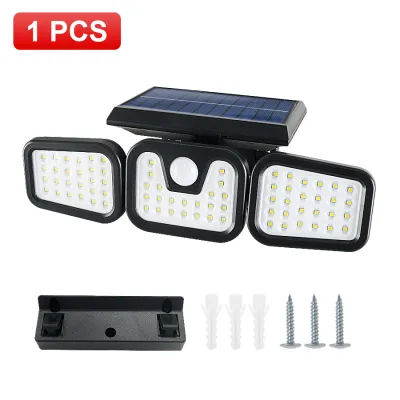
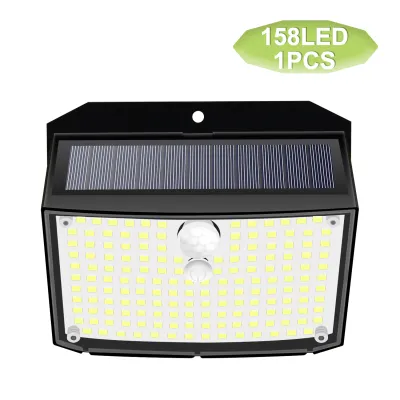
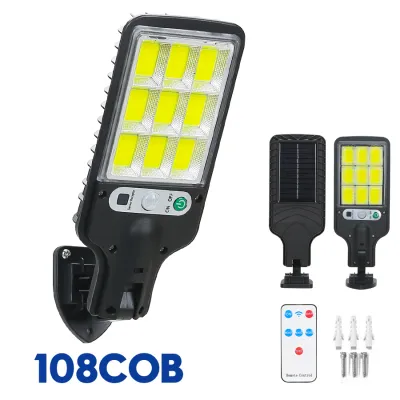
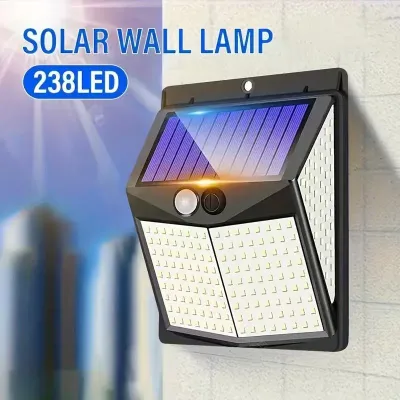
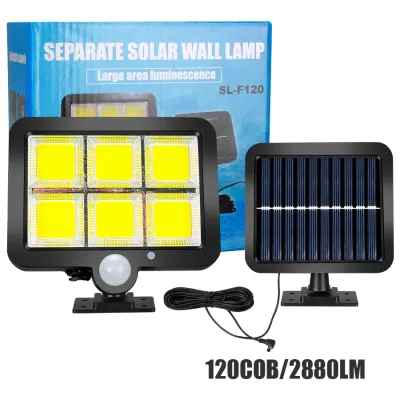
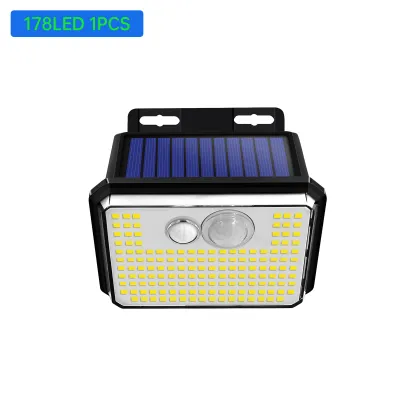
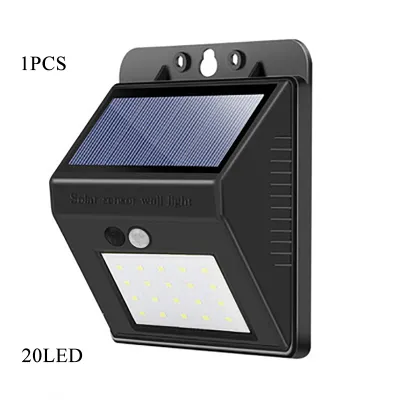
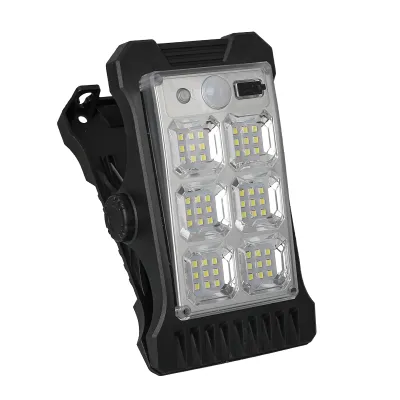
Prices are valid at publication and may change. Please refer to the product page for the latest price.
- You need to secure long, narrow corridors, blind alleys, or L-shaped pathways where motion must be detected before a person enters the direct line of sight.
- Your property is located in a consistently hot, humid tropical environment where high ambient temperatures degrade standard thermal sensors.
- You require a wide, highly sensitive detection zone that can penetrate non-metallic obstacles like thin wood, glass, or foliage.
For solar-powered security lights, power consumption and environmental resistance are the ultimate deciding factors. While microwave sensors offer superior sensitivity and coverage, they draw more continuous power from the built-in battery. PIR sensors remain the gold standard for energy preservation, but they require careful placement to maintain accuracy in warm climates.
Understanding the Technology: PIR vs Microwave
To make an informed decision for your outdoor lighting setup, it is essential to understand how these two sensor technologies operate. Though both serve the same purpose—triggering your solar light outdoor wall when motion is detected—they rely on entirely different physical principles to sense movement.

Passive Infrared (PIR) Detection
PIR sensors are passive devices, meaning they do not emit any energy or signals into the surrounding environment. Instead, they work by monitoring the ambient infrared radiation (heat signatures) within their field of view. Every object with a temperature above absolute zero emits some level of infrared radiation, which is invisible to the human eye but detectable by specialized pyroelectric sensors.
The sensor housing features a multi-segmented plastic lens, known as a Fresnel lens. This lens focuses incoming infrared energy onto the internal pyroelectric material. The lens design divides the detection area into multiple narrow optical zones. When a warm object, such as a human body or a vehicle engine, moves across these zones, the sensor detects a rapid change in infrared energy from one zone to another. This temperature differential triggers the light to turn on.
Because PIR technology relies on optical detection of heat patterns, it requires a direct, unobstructed line of sight. If a solid object blocks the sensor’s view, the infrared radiation cannot reach the lens, and the sensor will not trigger. Furthermore, the physical design of the Fresnel lens strictly dictates the shape, angle, and distance of the detection zone.
Microwave (Radar) Detection
Unlike passive sensors, microwave sensors are active devices. They continuously emit high-frequency electromagnetic waves—usually in the 5.8 GHz or 24 GHz radio frequency bands—into the surrounding area. These waves bounce off nearby physical objects and reflect back to a receiver integrated into the sensor housing.
The sensor analyzes the returned waves using the Doppler effect principle. When an object within the coverage area is stationary, the reflected waves return at the same frequency they were emitted. However, if an object is moving, the frequency of the reflected waves changes. The sensor detects this frequency shift, calculates that motion is occurring, and immediately activates the connected solar light.
Because microwave waves are highly penetrating, they do not require a direct line of sight to detect movement. They can pass through non-metallic barriers such as glass windows, wooden doors, plastic sheets, drywall, and light foliage. This active emission and reflection mechanism allows microwave sensors to provide continuous, highly sensitive coverage over a broad, bubble-like detection field.
Performance Comparison in Outdoor Environments for Your Solar Light Outdoor Wall
Outdoor environments present unique challenges for motion-activated lighting. Factors like physical barriers, extreme weather, and power limitations heavily influence how effectively each sensor type performs when integrated into a solar light outdoor wall.
Detection Range, Angle, and Obstacles
PIR sensors provide highly structured, predictable detection zones. Their coverage angle typically ranges from 120 to 180 degrees, extending outward in a fan shape. The maximum detection distance is generally limited to 8 to 12 meters, depending on the size and quality of the Fresnel lens. Because they cannot penetrate obstacles, PIR sensors will not be triggered by activity behind a fence, a glass window, or dense garden foliage. This limitation is often beneficial, as it prevents the light from turning on due to harmless background activity outside your immediate yard.
Microwave sensors offer a much broader, omnidirectional detection pattern that can cover up to 360 degrees if mounted appropriately. Their range is also significantly longer, often reaching 15 meters or more. Because the high-frequency waves penetrate thin barriers, a microwave sensor can detect an approaching visitor through a wooden gate or a glass side panel before they actually step into the open.
However, this superior penetration can be a double-edged sword. A microwave sensor mounted on an exterior wall can easily detect movement inside your home through a window, or register wind-blown branches on the other side of a thin wooden fence. These characteristics frequently lead to false alarms if the sensor’s sensitivity is not properly calibrated. Always check the manufacturer’s product specifications for the exact detection range and angle, as these parameters vary widely based on the specific sensor calibration and housing design.
Weather, Heat, and Environmental Interference
Environmental factors play a massive role in sensor reliability, particularly in tropical regions like Singapore. In these climates, high ambient temperatures, intense humidity, and heavy seasonal downpours are common occurrences that directly affect electronic sensors.
PIR sensors are highly vulnerable to high ambient temperatures. Because they rely on detecting a temperature difference between a moving human body (approximately 37°C) and the surrounding background, their sensitivity drops significantly when the outdoor air temperature approaches 30°C to 35°C. On hot afternoons or warm tropical evenings, the thermal contrast is minimal, causing the PIR sensor’s effective range to shrink. Additionally, heavy rain, thick fog, or mist can scatter infrared light, temporarily blocking the sensor’s ability to read heat signatures accurately.
Microwave sensors are completely unaffected by ambient temperature fluctuations. Whether it is a scorching afternoon or a cool rainy night, the electromagnetic waves behave exactly the same way. This makes microwave technology exceptionally reliable in consistently hot or humid climates.
Nevertheless, microwave sensors are susceptible to other forms of environmental interference. Because they detect any physical movement, heavy rain droplets falling close to the sensor, large swaying tree branches, or wind-blown banners can trigger false alarms. They can also experience interference from nearby high-frequency electronic devices, such as Wi-Fi routers or wireless security cameras, if they operate on overlapping frequencies.
Power Consumption and Solar Battery Efficiency
For any solar light outdoor wall, the power budget is strictly limited by the amount of sunlight harvested during the day and the storage capacity of the internal battery. Managing this energy budget is crucial for ensuring the light remains operational throughout the night.
PIR sensors are incredibly energy-efficient. Because they are passive devices that only receive signals rather than transmitting them, their standby power draw is virtually negligible—often measured in microamps. The sensor consumes almost no battery power while waiting for motion. This ultra-low standby current makes PIR-equipped solar lights highly dependable, allowing them to function reliably even after several consecutive cloudy or rainy days when solar charging is minimal.
Microwave sensors require a continuous supply of electricity to power their active transmitter and receiver circuits. Even in standby mode, a microwave sensor constantly emits radio waves, resulting in a significantly higher baseline power consumption compared to PIR. This continuous power draw can rapidly drain a small solar battery, especially during seasons with limited sunlight.
If you choose a microwave-equipped solar light, it is vital to verify that the unit features a high-capacity battery (such as a lithium iron phosphate, or LiFePO4, battery) and a sufficiently powerful solar panel. Look for models with a solar panel wattage of at least 2W to 5W and a battery capacity of 2200mAh or higher to offset the active sensor’s constant energy demands.
Quick Comparison: PIR vs Microwave Sensors
The following table summarizes the key functional differences between PIR and microwave sensors when used in outdoor solar security lighting:
| Feature | PIR Sensor | Microwave Sensor |
|---|---|---|
| Detection Method | Passive heat signature tracking | Active electromagnetic wave reflection (Doppler) |
| Line of Sight Requirement | Strictly required; cannot pass through physical barriers | Not required; penetrates non-metallic obstacles |
| Temperature Sensitivity | High; sensitivity drops in hot climates (above 30°C) | None; completely unaffected by ambient heat |
| Obstacle Penetration | None; blocked by glass, wood, and dense foliage | High; passes through glass, plastic, thin wood, and leaves |
| Power Consumption | Extremely low (passive standby mode) | Moderate to high (active continuous transmission) |
| False Alarm Risk | Low; only triggered by moving heat sources | Moderate to high; can be triggered by wind or trees |
Note: Actual performance, detection accuracy, and battery life depend heavily on the specific build quality, housing design, and sensor calibration of the chosen solar light model. High-quality manufacturing and adjustable sensitivity settings can mitigate many of the inherent limitations of both technologies.
Scene-by-Scene Selection Guide for Your Property
To determine which sensor type will perform best on your property, it helps to visualize where and how the solar light outdoor wall will be installed. Different residential layouts and security priorities favor different technologies.
Choose PIR If…
You are lighting open, unobstructed areas. PIR sensors excel in open spaces where they have a direct, clear line of sight to the target area. Front porches, wide driveways, open backyards, and garage entrances are ideal spots. In these locations, the sensor can easily detect a person walking directly toward the light without any physical barriers blocking the heat signature.
You live in a dense residential neighborhood. If your home is close to public walkways, shared HDB corridors, or neighboring properties, a PIR sensor is the safer choice. Because its detection zone is physically bounded and cannot penetrate walls or fences, you can position the light to monitor only your private property. This prevents the light from turning on every time a neighbor walks past their own window or a pedestrian uses the public sidewalk.
You prioritize maximum battery reliability. If you want a set-and-forget security light that will reliably turn on even during the wettest monsoon seasons when sunlight is scarce, PIR is the superior option. Its minimal power consumption ensures that the stored battery energy is saved almost entirely for illumination rather than sensor standby.
Choose Microwave If…
You need to secure blind spots and corridors. Microwave sensors are perfect for long, narrow side alleys, L-shaped pathways, or blind corners. Because the electromagnetic waves can bounce around corners and penetrate light obstacles, the sensor can detect an intruder’s movement before they physically round the corner and come into view. This early detection provides an added layer of security for vulnerable entry points.
Your installation wall is exposed to intense daytime heat. If you are mounting the solar light on an unshaded concrete or brick wall that absorbs intense heat during the day, the wall will radiate thermal energy long into the evening. A PIR sensor mounted on this wall may struggle to detect human movement due to the high background heat. A microwave sensor, being immune to thermal radiation, will maintain its full detection range and sensitivity regardless of how hot the wall becomes.
You require high-ceiling or hidden installations. If you want to mount your solar light high up on a wall (above 3 meters) or hide the sensor behind a decorative plastic cover for aesthetic reasons, microwave technology is essential. PIR sensors lose effectiveness at high mounting heights and cannot function if covered, whereas microwave signals easily pass through plastic housings and cover a wide, downward bubble of space.
Verify First If…
You are considering a Dual-Tech (PIR + Microwave) system. Dual-technology sensors combine both PIR and microwave elements into a single unit. To trigger the light, both sensors must detect motion simultaneously—the PIR must sense a heat signature, and the microwave must register a physical movement. This dual-verification process virtually eliminates false alarms caused by wind, temperature shifts, or passing pets. However, these premium fixtures fall into higher price bands (typically over S$80 to S$150) and require robust solar panels to support their complex circuitry.
You live in a managed estate or dense housing development. Before installing high-range microwave solar lights, verify local building guidelines, estate management rules, or Town Council regulations regarding light pollution. Because microwave sensors have a long range and can trigger through thin barriers, a poorly positioned light could repeatedly flash into a neighbor’s window or across a shared common corridor, leading to complaints. Look for models that allow you to adjust the detection range and sensitivity to keep the light focused strictly on your designated area.
Installation Tips to Maximize Sensor Accuracy
Regardless of which sensor technology you choose, proper installation is key to maximizing detection accuracy, preventing false alarms, and ensuring the longevity of your solar light outdoor wall.
To optimize your setup, implement these practical installation practices:
- Observe height guidelines: Mount your solar security light at a height of 2.1 to 2.7 meters. This height is low enough to allow PIR sensors to capture clear heat signatures, yet high enough to keep the light fixture out of reach of casual tampering while providing a broad downward angle for microwave sensors.
- Avoid heat sources for PIR: Never point a PIR sensor directly at a heat-radiating source. Keep the sensor away from air conditioning compressor exhausts, dryer vents, outdoor kitchens, or dark metal surfaces that bake in the afternoon sun. Rapid temperature fluctuations from these sources will trigger frequent false alarms.
- Minimize metallic interference for microwave: Avoid mounting microwave sensors directly onto metallic surfaces, such as steel beams, metal siding, aluminum gutters, or security grilles. Metal surfaces reflect electromagnetic waves, which can create signal feedback loops that cause the sensor to trigger continuously or fail to detect motion altogether.
- Clear the immediate detection zone: For both sensor types, keep the immediate area directly in front of the lens free from heavy obstructions. Trim back tree branches, hanging plants, and climbing vines. While microwave sensors can penetrate light leaves, constant movement from wind-blown foliage close to the sensor will drain the battery through repeated activations.
- Prioritize solar exposure: Ensure the integrated solar panel receives at least 6 to 8 hours of direct, unshaded sunlight daily. In Singapore, orienting the solar panel toward the south or north (depending on seasonal sun paths) helps maximize solar harvesting. If the installation spot is heavily shaded, choose a solar light model with a detachable solar panel connected by a long cable, allowing you to mount the light in the shade and the panel in direct sunlight.
Safety Boundary Warning: Before beginning any installation, read the manufacturer’s care and installation manual thoroughly. If your solar light outdoor wall features a hardwired electrical backup system, ensure the main power supply is isolated at the circuit breaker before handling any wiring. Always use secure, rust-resistant mounting hardware suitable for your specific wall material (such as masonry plugs for concrete or brick). If structural drilling is required, or if you are working at significant heights, consult a qualified professional installer to prevent injury, structural damage, or voiding your product warranty.
Community discussion
Share your experience or ask a question. Comments are reviewed before publication.