
Quick Answer: Which Motion Sensor Fits Your Security Setup?
Choosing the right motion sensor for your solar garden light depends on your property’s layout, surrounding vegetation, and security priorities. Neither technology is universally superior; instead, each serves distinct environmental conditions. Passive Infrared (PIR) sensors excel in targeted, line-of-sight applications where you want to minimize false alarms from wind-blown foliage or off-property movement. They are highly energy-efficient, making them ideal for maintaining battery reserves during periods of limited sunlight.
Microwave sensors, also known as radar sensors, offer wide-area, highly sensitive coverage and can detect motion through non-metallic barriers like plastic housings, glass, or thin wooden fences. However, this high sensitivity makes them more prone to false triggers from swaying trees or heavy rain. If you need targeted security along a public-facing path, PIR is generally the safer choice. If you require comprehensive coverage of a large, open backyard or want a completely concealed sensor, a microwave-based solar garden light will better serve your needs.
How PIR and Microwave Technologies Actually Detect Motion
To make an informed decision, it is essential to understand how these two technologies interact with the surrounding environment. PIR sensors are passive devices, meaning they do not emit any energy into your garden. Instead, they monitor the ambient environment for infrared radiation, which is emitted as heat by living beings. The sensor lens is divided into multiple zones; when a warm object, such as a human or a large animal, moves from one zone to another, the sensor detects a rapid change in infrared energy and triggers the light. Because this mechanism relies on relative temperature differences, PIR sensors are highly effective at identifying actual physical intruders while ignoring inanimate moving objects.
Products mentioned in this guide
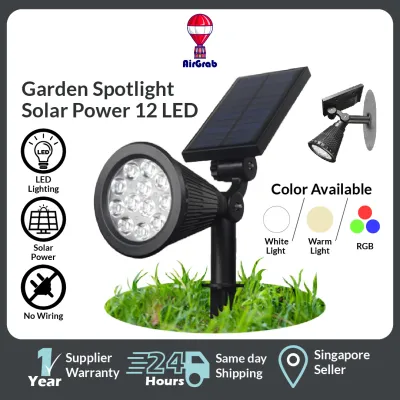
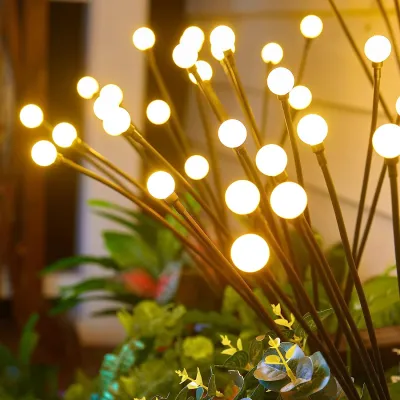
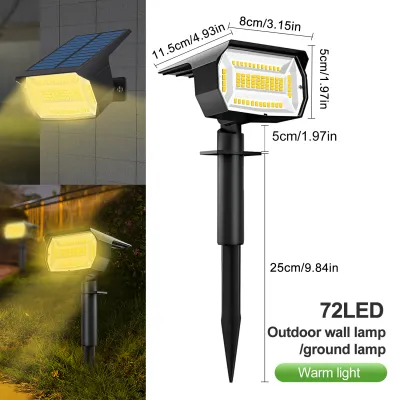
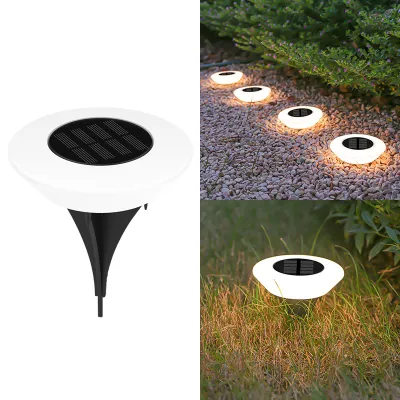
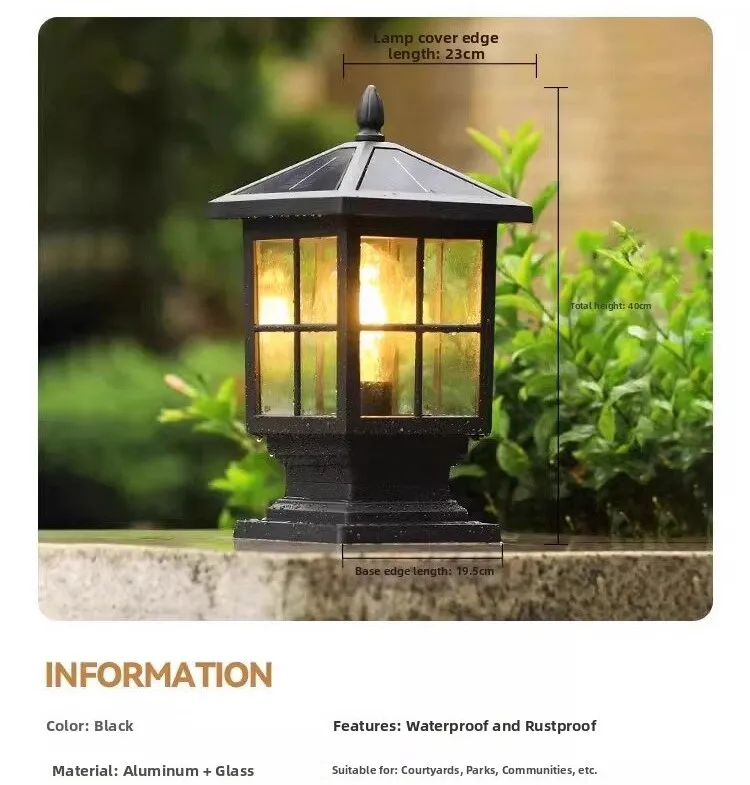
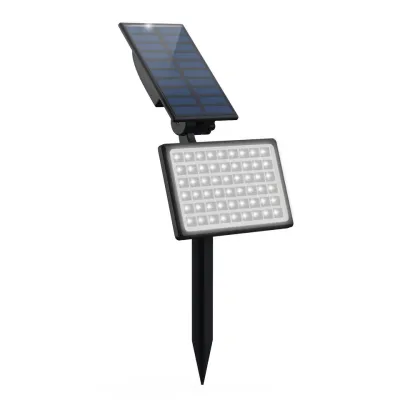
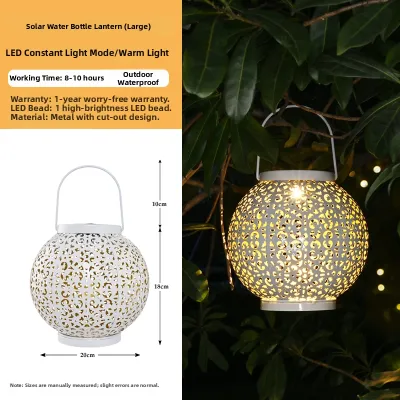
Prices are valid at publication and may change. Please refer to the product page for the latest price.

Microwave sensors operate on an active detection principle. These devices continuously project high-frequency electromagnetic waves into the surrounding area and analyze the reflected waves as they bounce back to the sensor. This process relies on the Doppler effect: if an object moves within the detection zone, it alters the frequency of the reflected waves. The sensor detects this shift and immediately activates the light. Because microwave sensors do not rely on heat signatures, they are exceptionally fast and sensitive, detecting even minute movements regardless of ambient temperature. However, this active emission requires a constant, albeit small, supply of electrical power to keep the transmitter and receiver functioning.
Detection Range and Coverage: Line-of-Sight vs. Through-Obstacle
When planning your outdoor security layout, the physical shape and reach of the detection zone are critical factors. PIR sensors project a distinct, cone-shaped detection field that typically extends at an angle of 110 to 120 degrees horizontally, reaching distances of 8 to 12 meters. Because PIR relies on infrared light waves, it requires an absolute, unobstructed line of sight. If a visitor walks behind a thin wooden trellis, a glass partition, or dense garden foliage, the sensor will not detect their heat signature. This makes PIR highly predictable, as you can easily map out and control the exact boundaries of the detection zone.
Microwave sensors offer a much broader and more flexible coverage pattern, often reaching up to 360 degrees in omnidirectional models and extending up to 15 meters or more. The most significant advantage of microwave technology is its ability to penetrate non-metallic materials. The high-frequency waves pass easily through plastic light covers, thin wooden fences, glass windows, and plasterboard. This allows manufacturers to seal the microwave sensor completely inside the protective housing of the solar garden light, shielding it from dust and moisture. It also means you can conceal the light fixture behind decorative garden features without sacrificing detection capability. When purchasing, always check the manufacturer’s specified detection angle and maximum distance on the product packaging, as these parameters vary widely based on the sensor’s frequency tuning.
Accuracy and False Triggers: Weather, Pets, and Foliage
Nuisance activations are a common frustration with outdoor security lighting, as they can disturb neighbors and unnecessarily drain the fixture’s battery. PIR sensors are generally highly stable in garden environments because they ignore non-thermal movement. A wind-blown branch, a falling leaf, or a piece of plastic debris drifting across your lawn will not trigger a PIR light. However, they can be fooled by sudden, dramatic shifts in air temperature. For example, if a solar garden light is mounted near the hot exhaust vent of an air conditioning condenser unit, or if hot air rises rapidly from a sun-baked concrete driveway during a sudden rain shower, the PIR sensor may register a false trigger. Small animals or birds passing extremely close to the sensor lens can also cause unwanted activations.
Microwave sensors are far more susceptible to environmental false alarms due to their extreme sensitivity to physical movement. In a lush garden, swaying tree branches, tall grass, and heavy tropical downpours can easily trigger a microwave sensor. Because the waves can penetrate thin boundaries, a microwave light installed near a property line might be triggered by a neighbor walking in their own yard or a car driving past a thin wooden gate. To minimize these false alarms, you must carefully plan the placement of microwave fixtures. Trimming back nearby bushes and positioning the light away from high-traffic boundary lines are essential steps. For PIR models, adjusting the physical angle of the sensor downward can help limit its field of view to your immediate property, preventing it from picking up distant thermal activity.
Power Consumption: Impact on Solar Battery Life
The efficiency of your motion sensor directly dictates how long your solar garden light will remain operational throughout the night. Because PIR sensors are passive, their standby power consumption is incredibly low, often measured in microamps. The sensor simply waits for a thermal change without actively broadcasting a signal. This minimal power draw is a massive advantage for solar-powered systems, ensuring that almost all the energy stored in the battery during the day is reserved for powering the LED light when motion is actually detected.
Microwave sensors require a continuous flow of electricity to generate and broadcast electromagnetic waves. While modern radar chips are highly optimized, their active standby power draw is still significantly higher than that of a PIR sensor. In regions like Singapore, where heavy cloud cover, prolonged monsoons, and sudden afternoon storms can limit daily solar charging, this higher standby drain can impact reliability. If a microwave sensor is frequently triggered throughout a windy night by moving foliage, the combined draw of the transmitter and the frequent LED activations can quickly deplete the internal battery. When choosing a microwave-powered solar garden light, it is vital to verify the battery capacity—ideally looking for lithium iron phosphate (LiFePO4) batteries with a capacity of at least 2,000 to 5,000 mAh—and ensure the solar panel has a sufficient wattage rating (typically 2 watts or higher) to recover lost energy under overcast skies.
Installation Constraints and Environmental Limits
Successful installation requires matching the sensor type to the physical characteristics of your outdoor space. PIR sensors must be mounted with the lens facing the target detection area directly. The lens must be kept clean; over time, dirt, salt spray, and spiderwebs can coat the plastic Fresnel lens, scattering incoming infrared light and severely reducing detection sensitivity. Furthermore, PIR sensors should never be pointed directly at highly reflective surfaces like swimming pools, large mirrors, or metal siding, as reflected sunlight can cause continuous false triggers.
Microwave sensors offer more mounting flexibility because they do not require an exposed lens, but they come with their own set of physical limitations. You must avoid placing microwave lights directly against or inside large metal structures, such as steel posts, aluminum siding, or reinforced concrete walls. Metal reflects microwave signals completely, which can create blind spots or cause the waves to bounce erratically within the fixture, leading to constant self-triggering. Additionally, large, moving water features like decorative fountains or heavy pool waterfalls can disrupt microwave signals.
For any outdoor installation, always check the Ingress Protection (IP) rating on the product label. A minimum rating of IP65 is required to protect the internal electronics from heavy rain, while IP67 offers superior protection against temporary submersion during severe weather. If you are mounting solar fixtures at a height of more than 2.5 meters, or if you are installing a system with a separate, wired solar panel that requires routing cables along a roofline, ensure you follow safe work-at-height practices or hire a qualified professional to complete the installation. Additionally, be mindful of local residential guidelines, such as HDB or condominium management rules regarding light spill. Ensure your security lights are angled downward to prevent bright glare from shining directly into your neighbors’ windows.
Final Decision Framework: Choose PIR If… / Choose Microwave If…
To select the ideal solar garden light for your security needs, use the following structured decision framework to match your property’s layout with the correct sensor technology.
Choose PIR If:
- You have a targeted detection zone: You want to monitor a specific pathway, a narrow driveway, or a front entrance gate without picking up background activity.
- Your garden has dense foliage: You have many trees, shrubs, or hanging plants that sway in the wind, which would constantly trigger a more sensitive sensor.
- You live near a busy street: Your light will be positioned near public sidewalks or roads where passing pedestrians or cars would cause frequent false alarms.
- You prioritize maximum battery life: You want the most energy-efficient setup possible to ensure the light remains functional even after several consecutive rainy or overcast days.
Choose Microwave If:
- You need wide-area coverage: You want to monitor a large, open lawn, a wide backyard, or a broad pool deck with a single fixture.
- You prefer a concealed design: You want a sleek, modern light fixture where the sensor is completely hidden inside the housing, protecting it from the elements and maintaining a clean aesthetic.
- You need to detect motion through obstacles: You want the sensor to detect movement behind thin wooden fences, glass partitions, or lightweight decorative screens.
- You require rapid, high-sensitivity detection: You want to ensure that even slow-moving or heavily clothed intruders are detected instantly, regardless of the ambient temperature.
Verify First If:
- The IP rating is sufficient: Ensure the fixture is rated at least IP65 to handle intense outdoor exposure.
- The battery chemistry and capacity are adequate: Look for high-quality LiFePO4 batteries with sufficient milliamp-hour (mAh) ratings to support active microwave sensing if you choose that path.
- Local strata rules allow the installation: Confirm that your planned mounting location and light direction comply with estate guidelines regarding external home modifications and light pollution.
Frequently Asked Questions (FAQ)
Can I adjust the sensitivity and delay time on these sensors?
Many mid-to-high-range solar garden lights allow you to adjust the sensitivity, detection range, and delay time (how long the light stays on after motion stops). Some models feature physical dials or toggle switches on the back of the fixture, while others use a remote control or a sequential button-press system to cycle through pre-programmed modes. Many fixtures also include a built-in daylight (lux) sensor to prevent the light from turning on during the daytime. Because these adjustment features vary completely by brand and model, you should carefully review the product manual or packaging specifications before making a purchase to ensure the light offers the level of customization you need.
Will heavy rain or dense fog affect the sensor's performance?
Yes, extreme weather can affect both sensor types in different ways. Heavy rain and dense fog can scatter and weaken microwave signals, occasionally causing temporary reductions in detection range or minor false triggers as the sensor detects the rapid movement of water droplets close to the fixture. PIR sensors are generally unaffected by falling rain itself because rain droplets do not emit body heat. However, if heavy rain splashes mud, dirt, or debris onto the PIR sensor lens, or if thick water streaks coat the plastic cover, the physical barrier will block infrared light and prevent the sensor from detecting motion. Regularly wiping down your PIR sensor lens with a damp, soft cloth is essential to maintaining its detection accuracy.

Community discussion
Share your experience or ask a question. Comments are reviewed before publication.