
Selecting the right motion sensor light outdoor is essential for maintaining a secure, well-lit property. However, with several sensing technologies available on the market, finding the option that performs reliably in your specific environment can be challenging.
There is no single best technology for every scenario. The ideal choice depends on your property layout, surrounding vegetation, and specific security requirements.
Passive Infrared (PIR) sensors are highly effective for standard, unobstructed pathways and driveways where straightforward, heat-based detection is sufficient. Microwave sensors excel in complex layouts where you need wide coverage or detection through light obstacles like thin foliage, glass, or wooden partitions. Dual-Tech sensors are the premier choice for high-security zones or areas prone to frequent false alarms, as they require both infrared and radar triggers to activate the light.
Products mentioned in this guide
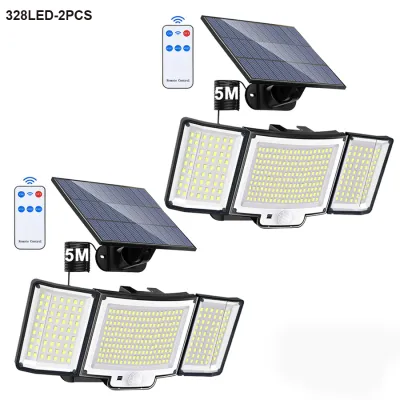
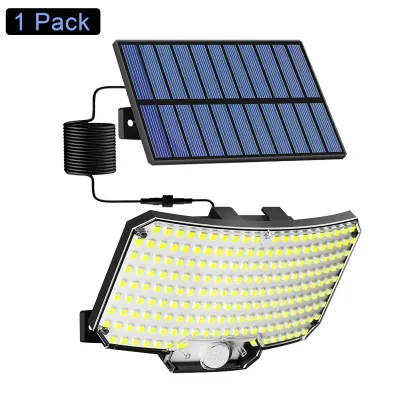
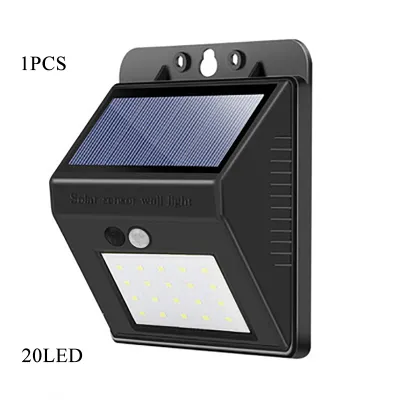
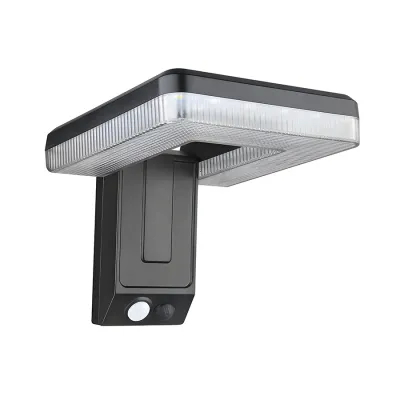
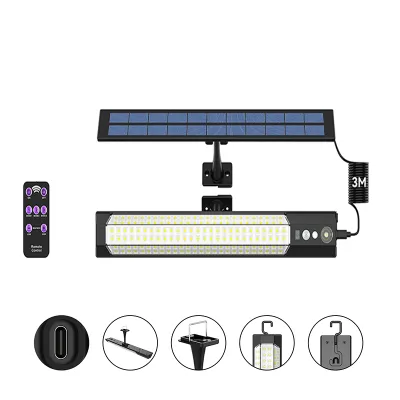
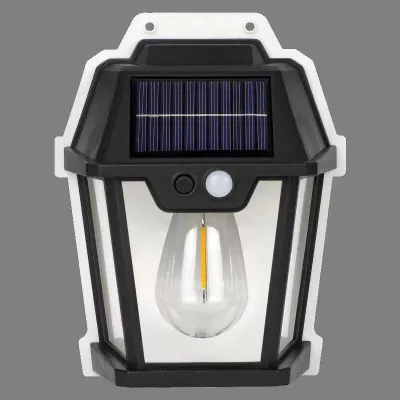
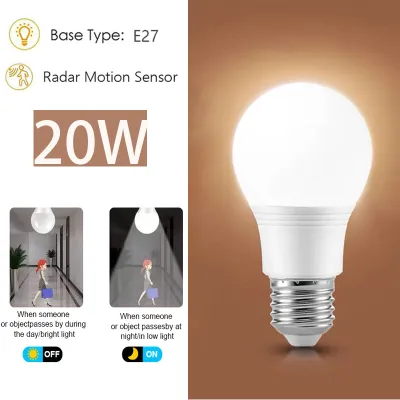
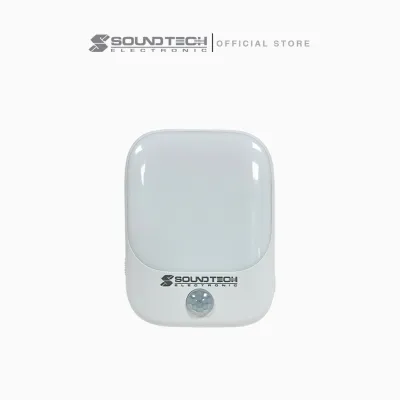
Prices are valid at publication and may change. Please refer to the product page for the latest price.
How PIR, Microwave, and Dual-Tech Sensors Detect Motion
Understanding how these sensors operate is the first step in choosing the right fixture for your home. Each technology relies on a different physical principle to detect movement, which directly influences how they behave in an outdoor setting.
PIR (Passive Infrared) sensors are passive devices, meaning they do not emit any energy into the environment. Instead, they monitor the ambient infrared radiation in their field of view. When a warm body, such as a human, animal, or car engine, moves across the optical zones of the sensor’s lens, the sensor detects the rapid change in thermal energy and triggers the light. Because PIR sensors rely on heat signatures, they require a clear, unobstructed line of sight to function. If a person walks behind a thick pillar, a fence, or dense shrubbery, the sensor cannot detect their heat signature.
Microwave (Radar) sensors are active devices that continuously emit low-power, high-frequency electromagnetic waves and measure the time it takes for those waves to reflect back to the sensor. This is known as the Doppler effect. When a moving object alters the echo pattern, the sensor immediately triggers the light. Unlike PIR, microwave signals can penetrate non-metallic barriers. This means a microwave sensor can detect movement through glass, plastic, drywall, and light tropical foliage, making it highly sensitive and versatile.
Dual-Tech (Dual-Technology) sensors combine both PIR and microwave sensing methods into a single unit. To activate the connected light, both technologies must detect motion within a specific, brief time window. For example, if the PIR sensor detects a sudden change in heat but the microwave sensor does not register physical movement, the light remains off. This cross-verification process significantly reduces false alarms, making Dual-Tech sensors highly reliable for challenging outdoor environments.
Comparing Sensor Performance in Outdoor Environments
Outdoor environments present unique challenges that indoor sensors never have to face. In Singapore, these challenges are amplified by the tropical climate, characterized by high relative humidity, sudden heavy downpours, and rapid temperature shifts.

When choosing a motion sensor light outdoor, you must evaluate how these physical factors interact with each technology. Always check the manufacturer’s product label, technical datasheet, and installation manual to verify the specific environmental tolerances, voltage compatibility, and electrical certifications before purchasing.
Detection Range and Coverage Angles
PIR sensors typically project a fan-shaped detection pattern divided into multiple segments. Motion must cross these zones horizontally to trigger the sensor effectively; walking directly toward a PIR sensor often results in delayed activation. Physical barriers like columns, fences, or large potted plants completely block PIR detection, creating blind spots in your security coverage.
Microwave sensors provide a continuous, volumetric detection zone without blind spots. They are highly sensitive to radial movement, meaning they easily detect someone walking directly toward or away from the sensor. However, because microwave signals can pass through thin walls and fences, they may detect motion beyond your property line, such as a neighbor walking in their yard or a car passing on the street.
To ensure optimal coverage, verify the manufacturer’s stated range and detection angle specifications. Compare these figures against your planned mounting height and the physical dimensions of your outdoor space to avoid dead zones or unwanted coverage spillover.
False Triggers and Environmental Interference
PIR sensors are highly susceptible to thermal fluctuations. In a tropical climate, a sudden gust of warm wind, direct sunlight hitting the sensor lens, or rapid cooling during a heavy afternoon thunderstorm can mimic a moving heat signature, causing false triggers. Small animals, such as stray cats, birds, or large insects crawling across the lens, can also easily activate PIR lights.
Microwave sensors do not rely on heat, making them immune to temperature swings and sunlight. However, they are highly sensitive to any physical movement. Heavy rain, swaying tree branches, blowing debris, or even water flowing through plastic drainage pipes can trigger a microwave sensor. If your outdoor area features dense tropical vegetation or is exposed to strong winds, a standard microwave sensor may keep your lights on indefinitely.
Dual-Tech sensors solve these issues by combining the strengths of both systems. A sudden temperature drop from rain might trigger the PIR component, but because the microwave component does not detect a matching physical mass moving at a human pace, the light stays off. Similarly, wind-blown palm fronds will trigger the microwave sensor, but the lack of a moving heat signature keeps the PIR silent. This makes Dual-Tech highly reliable for minimizing false alarms in noisy outdoor environments.
Power Requirements and Wiring Constraints
PIR sensors operate passively and require very little electrical power to monitor the environment. This low power consumption makes them the ideal choice for solar-powered outdoor lights or battery-operated security fixtures, allowing for flexible installation in areas without existing electrical wiring.
Microwave and Dual-Tech sensors are active devices that continuously emit signals and process complex data. Consequently, they have higher power requirements and almost always require a stable, continuous mains power connection.
When planning your installation, verify the voltage compatibility of the sensor (typically 220V–240V for local mains power) and check whether the unit requires a dedicated neutral wire for installation. Additionally, always check the product’s Ingress Protection (IP) rating to ensure it can withstand outdoor moisture and dust.
Decision Framework: Match the Sensor to Your Outdoor Space
To help you select the right motion sensor light outdoor, use this structured decision framework based on your specific property layout, environmental conditions, and power availability.
Choose PIR if:
- You want to illuminate a straightforward, unobstructed pathway, such as a front porch, a clearly defined driveway, or a small balcony.
- You are installing a solar-powered or battery-operated light fixture where conserving energy is a primary concern.
- The detection zone is free from dense foliage, swaying trees, and direct exposure to intense, shifting sunlight.
- Your budget is a key consideration, as PIR sensors are generally the most cost-effective option to purchase and install.
- You have a preferred decorative style or color temperature in mind, as PIR sensors are widely integrated into a vast range of residential outdoor light fixtures.
Choose Microwave if:
- Your outdoor layout is complex, with L-shaped pathways, hidden alcoves, or light obstructions like thin wooden trellises or glass panels where you still require motion detection.
- You need broad, continuous coverage over a large, open yard or garden area where line-of-sight is partially blocked by light vegetation.
- You plan to mount the sensor inside a decorative, non-metallic light fixture to protect it from the elements while maintaining full sensing capabilities.
- You require highly responsive detection for individuals walking directly toward the light source.
Choose Dual-Tech if:
- You are securing high-value areas, such as main entry points, rear access doors, or perimeter walls where reliable security is paramount.
- Your property is surrounded by dense tropical plants, trees, or water features that cause frequent false alarms with standard sensors.
- You have access to a continuous mains power supply and want to eliminate the annoyance of lights turning on and off due to wind, rain, or small animals.
- You want a reliable solution that offers the highest level of accuracy, even if it requires a higher initial investment.
Verify first if:
- Your property shares close, thin boundaries with neighbors, such as in semi-detached houses, terraced homes, or ground-floor apartments. In these layouts, microwave signals can easily penetrate fences or thin walls, leading to frequent false triggers from your neighbors' daily activities. If this is the case, a PIR sensor with adjustable masking or a highly calibrated Dual-Tech sensor is a safer choice to maintain privacy and avoid neighbor disputes.
Installation Checks for Reliable Outdoor Sensor Performance
Proper installation is just as important as choosing the right technology. Even the most advanced sensor will perform poorly if it is mounted at the wrong height, angled incorrectly, or wired unsafely. Always begin by thoroughly reading the manufacturer’s installation manual for specific mounting guidelines, height recommendations, and wiring diagrams.
Safety must be your top priority during installation. Before handling any electrical wiring, ensure the mains power is completely isolated at the circuit breaker. For any fixed wiring installations, mounting at significant heights, or setups in damp, exposed outdoor locations, always consult a qualified, licensed electrician to ensure compliance with local electrical safety standards and regulations.
Once the sensor is physically mounted, use this testing checklist to calibrate its performance:
- Perform a Walk-Test: Walk through the target detection zone at various speeds, angles, and distances. Observe when the light activates to ensure there are no dead zones.
- Adjust the Sensitivity Dial: Most outdoor sensors feature a sensitivity adjustment dial (often labeled "SENS"). If you experience false triggers from distant traffic or small animals, gradually lower the sensitivity until the sensor only responds to human-sized targets within your property boundary.
- Set the Time-Delay: Use the time-delay dial (often labeled "TIME") to control how long the light remains illuminated after motion stops. For security lights, a delay of 1 to 5 minutes is typically sufficient, while pathway lights may require less time.
- Configure the Lux Sensor: Many motion lights include a built-in daylight sensor (often labeled "LUX"). Adjust this setting so the motion sensor only activates the light during dusk, dawn, or complete darkness, preventing unnecessary daytime operation.
- Apply Physical Masking: If using a PIR sensor and you cannot avoid a busy street or a neighbor's path, apply the manufacturer-provided adhesive masking stickers to the sensor lens to physically block specific detection zones.
Frequently Asked Questions (FAQ)
Can I adjust the sensitivity to ignore small animals?
Yes, you can adjust the sensitivity settings and physical positioning of your sensor to minimize triggers from pets or local wildlife. Many PIR sensors feature a sensitivity dial that allows you to reduce the detection range, preventing smaller heat signatures from activating the light. Additionally, mounting the sensor higher (typically 2 to 2.5 meters) and angling it slightly downward can help define a detection zone that ignores ground-level movement from small animals while still capturing human-sized targets. Some advanced sensors also come with physical masking clips to block out the lower portion of the lens entirely.
Do microwave sensors work through glass windows?
Yes, microwave sensors emit high-frequency electromagnetic waves that can easily penetrate glass, plastic, wood, and other thin, non-metallic materials. While this allows you to install a sensor indoors or inside a sealed light fixture to protect it from the weather, it also introduces a high risk of false triggers. If a microwave sensor is positioned near a window facing a public street, sidewalk, or shared corridor, it will likely detect passing pedestrians, vehicles, or even swaying trees outside, causing the light to turn on unnecessarily.
What IP rating should I look for outdoor motion lights?
When selecting an outdoor motion sensor light, you should look for an Ingress Protection (IP) rating that matches the level of exposure to the elements. For fully exposed outdoor installations, such as perimeter walls, open driveways, or garden paths, a minimum rating of IP65 is highly recommended to ensure complete protection against dust and low-pressure water jets from heavy tropical rain. For semi-sheltered areas like covered porches, balconies, or under roof eaves, an IP44 rating is generally sufficient to protect the fixture against splashing water from any direction. Always verify the IP rating on the product packaging or technical specification sheet before installation.

Community discussion
Share your experience or ask a question. Comments are reviewed before publication.