
Quick Answer: Matching Cushion Fillers to Your Comfort Needs
Choosing the right cushion filler depends on how you plan to use the cushion, whether for decorative styling, plush lounging, or structured ergonomic support. The perfect insert balances tactile comfort, daily maintenance, and structural longevity.
Polyester fibre offers a budget-friendly, lightweight option that holds its shape well in low-use decorative displays. Down alternative provides a luxurious, sink-in softness that mimics natural down without the allergy risks. Memory foam delivers dense, contouring support that targets pressure points, making it ideal for therapeutic or posture-focused cushions.
This guide evaluates these three synthetic fillers for indoor throw, accent, and support cushions. By understanding how each material behaves under weight and reacts to care routines, you can select the ideal fill for your living space.
Products mentioned in this guide
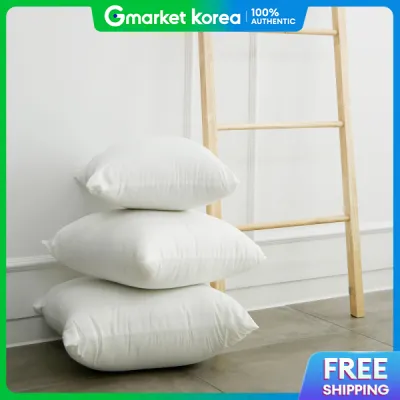
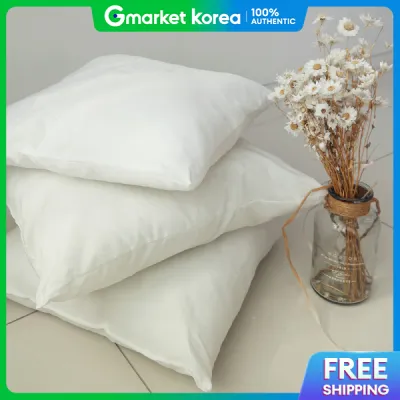
Prices are valid at publication and may change. Please refer to the product page for the latest price.
Understanding the Contenders: Fibre, Down Alternative, and Foam
The interior of a cushion dictates its loft, weight, and resiliency over years of use. While outer covers define your room’s aesthetic, the filler material determines whether a cushion remains a functional seat support or flattens into a lifeless fabric shell.

Polyester Fibre (Poly-fill)
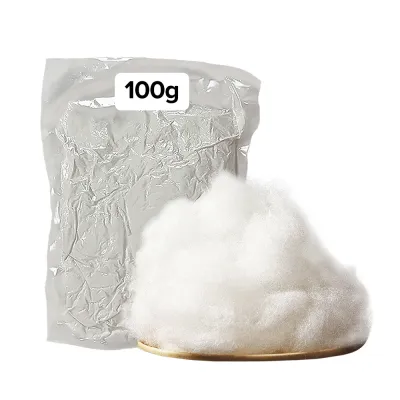
Polyester fibre, commonly referred to as poly-fill, consists of synthetic plastic polymers spun into fine strands. Manufacturers often crimp these strands or construct them with hollow centers to trap air pockets, which artificially inflates the material’s loft and bounce.
This material is highly lightweight and represents the standard filler for mass-produced decorative throw pillows. Because the fibres are loose, they move independently within the casing, allowing the cushion to feel springy and soft upon initial contact.
However, standard polyester fibre is prone to mechanical compression. Over months of consistent weight or after improper washing cycles, these synthetic strands can tangle and mat together, resulting in permanent clumping and a loss of overall height.
Down Alternative (Microfibre / Synthetic Down)
Down alternative represents a technological step up from standard polyester, utilizing ultra-fine synthetic microfibers. These microscopic polyester filaments are engineered to replicate the delicate, three-dimensional cluster structure of natural goose or duck down.
The result is an exceptionally plush, lightweight fill that offers a luxurious, sink-in sensation. Unlike natural feathers, down alternative is entirely hypoallergenic, making it an excellent choice for individuals sensitive to animal dander or organic dust.
Because these microfibers are incredibly smooth, they slide past one another easily rather than interlocking. This physical characteristic means the cushion requires regular manual fluffing to redistribute the air and prevent the fine fibres from settling or matting under pressure.
Memory Foam (Shredded or Solid)
Memory foam, or viscoelastic polyurethane foam, is a dense material that behaves quite differently from loose fibre fills. It is available in two primary formats for cushions: solid blocks and shredded clusters.
Solid memory foam inserts provide a highly structured, rigid shape that does not shift or sag, offering consistent resistance. Shredded memory foam consists of torn foam pieces packed into an inner cover, which allows the cushion to be somewhat mouldable while retaining the material’s signature density.
This material reacts dynamically to both physical weight and ambient body heat, softening where pressure is applied to contour precisely to your shape. Because of its dense molecular structure, memory foam is significantly heavier than fibre fills and requires specialized cleaning methods to prevent structural degradation.
Comparing Comfort, Support, and Maintenance
Evaluating these fillers side-by-side reveals distinct trade-offs in daily comfort, structural performance, and ease of cleaning. No single filler excels in every category, meaning your choice must align with your primary lifestyle priorities.
Comfort & Feel
The tactile experience of sitting against these materials ranges from airy bounce to dense contouring. Down alternative offers the softest, most luxurious sensation, allowing your body to sink deeply into the cushion with minimal resistance.
Polyester fibre provides a medium, springy feel that bounces back quickly when compressed, though it lacks the deep, cloud-like softness of microfibers. Memory foam, by contrast, offers a distinct push-back feel; it does not yield instantly but instead slowly conforms to your body, absorbing pressure and distributing weight evenly.
Support & Shape Retention
For cushions intended to support your back, neck, or posture, shape retention is paramount. Memory foam is the undisputed leader in this category, as its dense structure resists flattening and maintains its supportive contours through hours of continuous use.
Polyester fibre and down alternative offer significantly less structural support. Under the weight of your head or lower back, these loose fibres displace sideways, causing the cushion to flatten out during prolonged use.
To restore their shape and loft, both fibre and down alternative inserts require frequent manual beating or fluffing. If left compressed for long periods, the fibres will eventually lose their natural springiness permanently.
Maintenance & Washability
Keeping your cushions clean is essential for indoor hygiene, especially in humid climates like Singapore where dust mites and moisture can accumulate. Polyester fibre and down alternative inserts are highly practical because many variants are fully machine washable.
However, you must always verify the specific care instructions on the product label before washing, as some delicate casings require dry cleaning.
Memory foam is highly sensitive to moisture and mechanical agitation. You must never place solid or shredded memory foam inserts into a washing machine or tumble dryer, as the water will saturate the dense cells, leading to internal mould growth and tearing the foam structure apart.
Instead, memory foam requires careful spot cleaning with a damp cloth and mild detergent, followed by thorough air drying in a well-ventilated space away from direct sunlight.
Allergies & Breathability
While all three synthetic materials are inherently hypoallergenic and do not harbor organic allergens like natural feathers can, they perform differently regarding airflow. Loose polyester fibre and down alternative fills allow air to circulate relatively freely through the gaps between the strands, helping to dissipate heat.
Memory foam, particularly solid blocks, has a dense cellular structure that tends to trap body heat. In warm or non-air-conditioned rooms, a memory foam cushion can feel noticeably warm against your back over extended periods.
Comparison Table
The table below outlines the core physical characteristics and general care requirements for each material type.
| Material Type | Primary Feel | Support Level | General Washability |
|---|---|---|---|
| Polyester Fibre | Medium, springy bounce | Low to medium | Often machine washable (verify label) |
| Down Alternative | Ultra-soft, sink-in plushness | Low | Often machine washable (verify label) |
| Memory Foam | Dense, contouring resistance | High (ergonomic) | Spot clean only (never machine wash) |
Note: Always consult the manufacturer’s care label on your specific cushion insert before attempting any cleaning method.
The Decision Framework: Which Filler Should You Choose?
To select the right filler, match the physical properties of the material to the specific function of the cushion in your home.
Choose Polyester Fibre if:
This material is ideal if you are sourcing inserts for decorative throw cushions on a sofa or entryway bench that are rarely sat upon. Because they are lightweight and affordable, polyester inserts are perfect for seasonal decor setups where you frequently swap out cushion covers.
They are also highly suitable for households with pets or young children, where the occasional spill requires a quick run through the washing machine.
Choose Down Alternative if:
Select down alternative if you want to recreate the plush, inviting look of a high-end hotel bed or a deep, comfortable lounge sofa. These inserts are perfect for large back cushions that you want to sink into while watching television or reading.
They are best suited for individuals who appreciate a soft, cloud-like aesthetic and do not mind taking a few seconds to fluff and plump the cushions back into shape after use.
Choose Memory Foam if:
Memory foam is the superior choice for functional, therapeutic, or posture-supporting cushions. If you need a lumbar roll for your office chair, a wedge cushion for reading in bed, or a supportive neck pillow, the contouring properties of foam will provide the necessary orthopedic relief.
It is also ideal for high-use floor cushions where you need a dense barrier between yourself and a hard tile or timber floor.
Neither may fit if:
If you are furnishing an outdoor patio, balcony, or garden seating area, none of these standard indoor fillers are suitable. Outdoor environments require specialized open-cell polyurethane foams or reticulated reticular fibres that allow rainwater to drain straight through, preventing moisture retention, rot, and mildew.
Additionally, if you are replacing the structural seat cushions of a sofa, loose fibres or thin memory foam will not suffice; these applications require high-density, high-resiliency upholstery foam blocks to prevent bottoming out.
Verify first if:
Before purchasing, verify that your cushion cover’s fabric can support your chosen filler. A heavy solid memory foam insert can put immense strain on the seams and zippers of delicate, lightweight, or loosely woven decorative covers (such as silk, lace, or loose knits), potentially causing tearing.
Conversely, a lightweight polyester insert may fail to fill out a heavy, thick upholstery-grade cover (like thick velvet or heavy canvas), leaving the cushion looking wrinkled and deflated.
Pre-Purchase Checks and Safe Care Guidelines
Taking a few precise measurements and establishing a proper care routine will extend the life of your cushions and protect your investment.
Sizing the Insert
To achieve a plump, professional look with throw cushions, a common industry technique is to size up your insert. For loose, compressible fills like polyester fibre and down alternative, select an insert that is approximately 5 centimeters larger than your cushion cover (for example, a 50cm x 50cm insert for a 45cm x 45cm cover).
This extra volume packs the corners tightly and prevents the cushion from looking baggy. However, for solid memory foam inserts, you must purchase the exact dimensions of your cover, as the dense foam cannot compress to fit smaller spaces without causing unsightly bulges and straining the zipper.
Reading Care Labels
Before performing any maintenance, locate and read the manufacturer’s care label attached to the insert. This label dictates the maximum washing temperature, drying restrictions, and whether the outer casing can be removed for separate laundering.
Never assume two inserts of the same material share identical care requirements, as fabric blends and construction methods vary widely.
Safe Maintenance Boundaries
When washing polyester fibre or down alternative inserts, use a gentle cycle with cold or lukewarm water and a mild, liquid detergent. Avoid powder detergents, which can leave a residue inside the dense fibre clusters.
Tumble dry on a low-heat setting with clean tennis balls or dryer balls to help break up clumps and restore the loft; high heat can melt or permanently distort synthetic polyester fibers.
For memory foam, restrict cleaning to gentle spot treating. If the foam becomes damp, press down gently with dry towels to absorb excess water—never wring, twist, or fold the foam, as this will tear the internal structure.
When to Stop
If a cushion insert lacks a care label, if the text has faded, or if the instructions conflict with standard material guidelines, stop immediately. Do not attempt to machine wash or dry the item.
Consult the manufacturer directly or take the cushion to a professional dry cleaner who specializes in home textiles to prevent irreversible damage.
Community discussion
Share your experience or ask a question. Comments are reviewed before publication.