
Selecting the right material for your outdoor sofa cushion involves balancing performance, comfort, and budget. There is no single universal winner for every outdoor setting; instead, the ideal choice depends on your specific environment, budget, and maintenance habits. For spaces exposed to intense, direct sunlight, solution-dyed acrylic is the premier choice, offering unmatched fade resistance and a soft, indoor-like texture. If your cushions will sit in uncovered areas prone to frequent rain or poolside splashes, olefin is an exceptional, quick-drying, and highly durable alternative. For covered balconies, shaded patios, or short-term seasonal setups, treated polyester serves as a highly accessible, budget-friendly option, provided you are comfortable with a shorter lifespan and more hands-on care.
Why Fabric Choice Matters in Singapore's Climate
Singapore’s tropical climate presents a relentless challenge for outdoor furniture. With year-round high temperatures, relative humidity levels frequently exceeding 80 percent, and sudden, heavy downpours, outdoor fabrics are subjected to extreme environmental stress. Under these conditions, standard indoor fabrics would deteriorate within weeks, falling victim to rapid color fading, structural rot, and pervasive mold. Understanding how different materials interact with these climate elements is crucial to choosing an outdoor sofa cushion that remains comfortable and visually appealing over time.
Durability in an outdoor context refers to a fabric’s ability to withstand physical wear, tearing, and structural breakdown without thinning or fraying. High humidity and heat can weaken certain synthetic fibers over time, making them susceptible to ripping under normal use. Furthermore, friction from daily sitting can accelerate surface abrasion, meaning a durable fabric must feature robust tensile strength and resilient polymer bonds to maintain its integrity through years of use.
Products mentioned in this guide
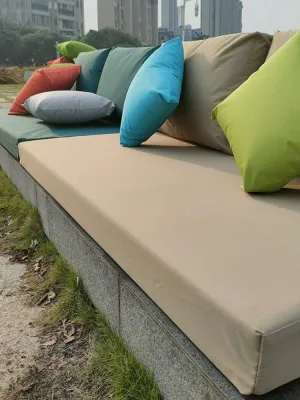
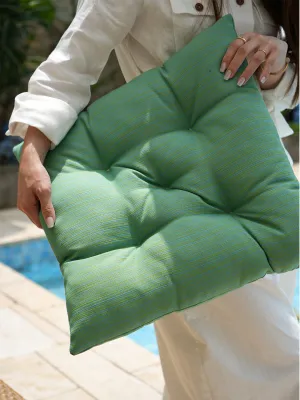
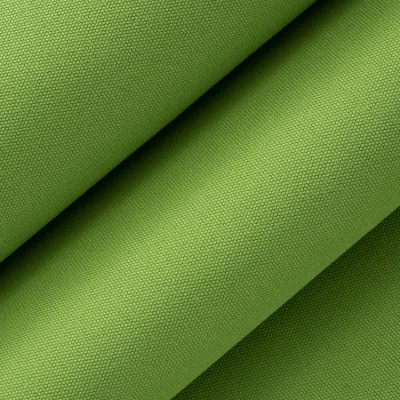
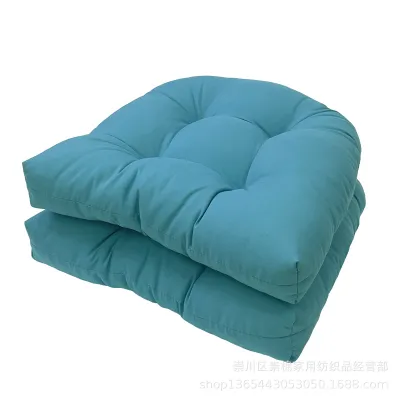
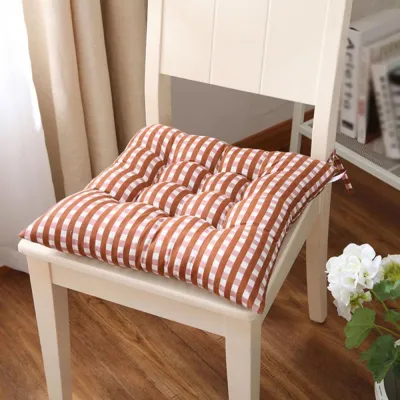
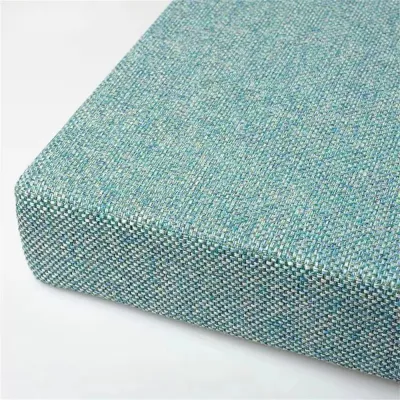
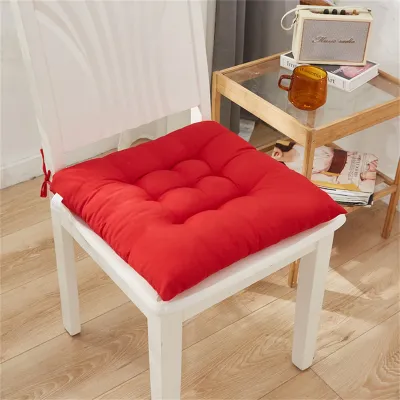
Prices are valid at publication and may change. Please refer to the product page for the latest price.
Fade resistance is another critical performance metric, directly tied to how a fabric is colored during manufacturing. The equatorial sun delivers intense ultraviolet (UV) radiation that breaks down chemical dyes at a molecular level, causing rich colors to turn dull and white fabrics to yellow. Fabrics with high UV stability retain their original hue for years, while low-stability materials can show noticeable fading within just a few months of direct exposure.
Water repellency and moisture management dictate how well a cushion resists water penetration and how quickly it dries after a storm. In wet environments, standing water inside a cushion creates an ideal breeding ground for mold, mildew, and musty odors. A high-performing outdoor fabric must either shed water immediately or allow moisture to pass through rapidly, ensuring the inner cushion core dries out before fungal spores can colonize the material.
Acrylic: The Premium Choice for UV and Fade Resistance
Acrylic fabric is widely regarded as the gold standard for high-end outdoor upholstery, primarily due to its exceptional performance under intense sunlight. To understand its superiority, it is essential to distinguish between solution-dyed acrylic and piece-dyed acrylic. In solution-dyed acrylic, color pigments are mixed directly into the liquid polymer solution before the fibers are extruded. This process locks the color throughout the entire cross-section of the fiber—much like a carrot is orange all the way through. In contrast, piece-dyed acrylic is woven into a grey fabric first and then dipped in dye, coloring only the outer surface like a radish.

Because the pigment is an inherent part of the fiber itself, solution-dyed acrylic offers unparalleled UV fade resistance. It can endure thousands of hours of direct, unfiltered tropical sunlight without showing significant color loss or structural weakening. This makes it the ideal material for completely uncovered rooftop terraces, open garden patios, and sun-drenched pool decks where other fabrics would quickly bleach out.
Beyond its durability, acrylic is highly favored for its exceptional comfort and hand-feel. Unlike many synthetic outdoor materials that feel plastic-like or stiff, acrylic fibers are spun into a soft, breathable yarn that closely mimics the texture of natural cotton or linen. This breathability ensures that the fabric remains cool to the touch and does not stick to your skin, even during hot and humid afternoons.
While acrylic fibers do not absorb moisture, the fabric’s water resistance relies on a durable water repellent (DWR) finish applied to the surface. This chemical treatment causes rainwater to bead up and roll off the cushion. However, acrylic is not completely waterproof; during prolonged, heavy downpours, water can eventually penetrate the weave. In these scenarios, moisture management depends heavily on the quality of the cushion insert, which must be designed to drain and dry quickly. When shopping, always read the product labels carefully to confirm the fabric is “100% solution-dyed acrylic” and look for manufacturer warranties specifically covering UV degradation and fading.
Olefin: The Quick-Drying and Highly Durable Alternative
Olefin, chemically known as polypropylene, is a lightweight synthetic fiber that serves as a formidable competitor to acrylic. It is produced from a byproduct of petroleum refining, making it highly efficient to manufacture and generally more affordable than premium acrylic. Olefin’s standout characteristic is its extreme resistance to moisture and chemical wear, making it an incredibly practical choice for demanding outdoor settings.
Because olefin is naturally hydrophobic, its fibers absorb virtually no moisture. When a heavy rainstorm passes, water does not penetrate the olefin fibers themselves; instead, it flows through the weave or evaporates rapidly from the surface. This exceptionally fast drying speed makes olefin cushions ideal for uncovered pool areas, open lawns, and high-humidity environments where mold and mildew prevention are top priorities. If your outdoor sofa is frequently exposed to wet swimwear or chlorine splashes, olefin’s chemical resistance ensures it will not degrade or stain.
In terms of physical durability, olefin is highly resilient against abrasion, puncture, and tearing. Its tough, plastic-derived structure handles heavy daily use with ease, making it a favorite for busy family households, commercial outdoor venues, and high-traffic patio setups. It is also highly resistant to staining from organic matter, sunscreen, and food spills, which can usually be wiped away with minimal effort.
While olefin boasts excellent performance, its UV resistance, though very good, is generally slightly lower than that of premium solution-dyed acrylic over extended multi-year periods. Under continuous, intense equatorial sun, olefin can eventually experience fiber degradation if it lacks proper stabilization. To mitigate this, high-quality outdoor olefin fabrics are treated with UV stabilizers during the extrusion process. When purchasing olefin cushions, always check the product specifications for UV-stabilized ratings and inspect the weave density; a tighter, more substantial weave indicates a higher-quality fabric that will better resist structural stretching and wear.
Polyester: The Budget Option and Its Outdoor Limitations
Polyester is the most common material found in entry-level outdoor furniture sets due to its low production cost, high tensile strength, and ability to display vibrant, intricate printed patterns. However, standard polyester has significant limitations when left outdoors without substantial chemical modifications. Untreated polyester fibers degrade rapidly under UV light, leading to severe color fading, yellowing, and a brittle texture that easily tears.
To make polyester suitable for outdoor use, manufacturers must apply heavy chemical coatings, typically made of polyurethane (PU) or polyvinyl chloride (PVC), to the back or front of the fabric. While these coatings provide excellent initial water resistance by creating a physical barrier against rain, they do not fare well in hot, humid climates. Over time, constant exposure to high heat and humidity causes these chemical coatings to break down, peel, crack, or become uncomfortably sticky to the touch.
Another major drawback of coated polyester is its lack of breathability. Because the chemical barrier blocks airflow, heat and moisture become trapped between your body and the cushion. Sitting on a coated polyester cushion on a warm day can quickly feel sweaty and uncomfortable. Additionally, if water does manage to seep through the seams or zipper of a coated cushion, the non-breathable fabric traps the moisture inside, creating an ideal dark, damp environment for rapid mold and mildew growth within the insert.
Despite these limitations, treated polyester remains a highly viable choice for specific, low-exposure scenarios. If your outdoor sofa is located on a fully covered balcony, a deeply recessed veranda, or a screened porch where it is shielded from direct sunlight and heavy rain, polyester cushions can perform reliably for several seasons. They are also excellent for temporary decorative updates or low-budget setups where you plan to change styles frequently. When buying polyester, verify the specific type of outdoor coating used, check for water-repellent surface treatments, and be prepared to store the cushions indoors when not in use to maximize their lifespan.
Side-by-Side Material Comparison Matrix
The following matrix outlines the general performance characteristics of the three primary outdoor cushion fabrics. Use these qualitative indicators to match a material to your specific outdoor environment and usage patterns.
| Material Type | UV & Fade Resistance | Water & Mildew Resistance | Drying Speed | Best Use Case |
|---|---|---|---|---|
| Solution-Dyed Acrylic | Outstanding (Excellent long-term color retention) | Very Good (Relies on DWR surface treatment) | Moderate (Breathable, but holds some surface moisture) | Uncovered patios, high-sun pool decks, premium luxury setups |
| Olefin (Polypropylene) | Very Good (Requires UV stabilizers for long-term sun) | Excellent (Inherent moisture and chemical resistance) | Fast (Hydrophobic fibers dry very rapidly) | Poolside lounges, high-humidity areas, active family spaces |
| Treated Polyester | Fair to Poor (Fades quickly under direct sunlight) | Good (Relies heavily on chemical coatings) | Slow (Traps moisture if water gets inside) | Covered balconies, screened porches, budget-friendly seasonal use |
How to Verify Fabric Quality Before You Buy
When shopping for outdoor sofa cushions online or in-store, it is easy to get misled by generic marketing terms such as “weatherproof,” “all-weather,” or “outdoor-grade.” To ensure you are investing in a durable product, you must look past these labels and verify the underlying manufacturing details. Always check the specifications for the exact fiber type and coloring method; look specifically for “solution-dyed” rather than “printed” or “piece-dyed” if you require long-term fade resistance.
Carefully examine the product’s care label and construction details before making a purchase. High-quality outdoor cushions feature removable covers with durable, corrosion-resistant zippers (such as marine-grade plastic or treated brass) hidden under fabric flaps to prevent water intrusion. Removable covers are highly desirable because they allow you to spot-clean or machine-wash the fabric according to the manufacturer’s instructions, which is far more effective than trying to clean a fully sealed cushion.
Do not overlook the cushion insert material, as a fabric’s performance is completely compromised if the inner core retains water. High-quality outdoor cushions utilize specialized insert materials like open-cell reticulated foam or layered polyester fiberfill. Open-cell foam acts like a sieve, allowing water to drain straight through the bottom of the cushion rather than holding onto it like a household sponge. If you press down on a cushion and hear a plastic crinkling sound, it often indicates a cheap fiber fill wrapped in a plastic barrier, which can trap condensation and lead to internal mold.
Finally, review the manufacturer’s warranty and return policy before buying. Reputable brands that use premium solution-dyed acrylic or high-grade stabilized olefin often offer multi-year warranties (typically ranging from three to five years) specifically protecting against fabric rot, structural tearing, and significant color loss under normal exposure. A lack of warranty or a very short return window is often a strong indicator of a low-grade polyester fabric that will require rapid replacement.
Frequently Asked Questions (FAQ)
Can I leave my outdoor sofa cushions outside all year round?
Even premium outdoor materials like solution-dyed acrylic and stabilized olefin will experience accelerated wear if left permanently exposed to harsh weather. Continuous exposure to intense UV rays, heavy tropical downpours, and falling organic debris will eventually break down protective coatings and fade colors. To maximize the lifespan of your outdoor sofa cushions, it is highly recommended to store them in a dry, well-ventilated deck box or bring them indoors during prolonged periods of non-use, such as the heavy monsoon seasons. If storing them inside is not practical, investing in high-quality, breathable, and waterproof furniture covers will provide essential protection against the elements.
How do I clean mold off outdoor sofa cushions?
To clean mold or mildew off your cushions safely without damaging the fabric, always check the manufacturer’s care label and instructions first. For a safe, reversible cleaning method, mix a mild dish soap with warm water in a bucket. Use a soft-bristle brush to gently scrub the affected areas in a circular motion, allowing the soapy solution to penetrate the fabric fibers. Rinse the cushion thoroughly with clean water to remove all soap residue, as leftover soap can attract dirt and foster future mold growth. Stand the cushions upright on their edges in a sunny, well-ventilated area to dry completely before using or storing them. Avoid using harsh chlorine bleach or stiff wire brushes unless explicitly approved by the fabric manufacturer, as these can permanently strip water-repellent coatings and weaken synthetic fibers.
Community discussion
Share your experience or ask a question. Comments are reviewed before publication.