
Quick Answer: Navigating Porcelain Lamp Brands in Singapore
Finding the ideal porcelain lamp in Singapore requires balancing artisanal craftsmanship, aesthetic preferences, and electrical safety. The local market features a diverse range of options, spanning from high-end heritage showpieces to mass-produced budget options found on online marketplaces. Because there is no single brand that suits every household, the best purchase decision depends on matching a brand’s specific market tier with your personal budget and performance expectations.
Premium brands cater to those seeking unique, hand-painted statement pieces that serve as functional art, while mid-tier lifestyle brands offer a practical balance of contemporary design and reliable manufacturing. Meanwhile, budget-friendly mass-market options allow for frequent decor updates but require a vigilant eye to verify material authenticity and electrical compliance. By understanding these distinctions, you can confidently navigate the Singapore market to find a lighting fixture that offers genuine value and lasting durability.
What Defines Quality and Value in a Porcelain Lamp
To evaluate any porcelain lamp, one must understand what separates true porcelain from inferior ceramic substitutes.
Products mentioned in this guide
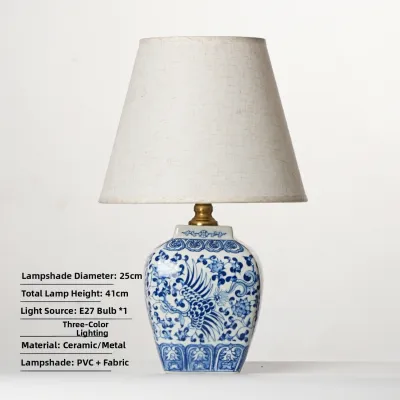
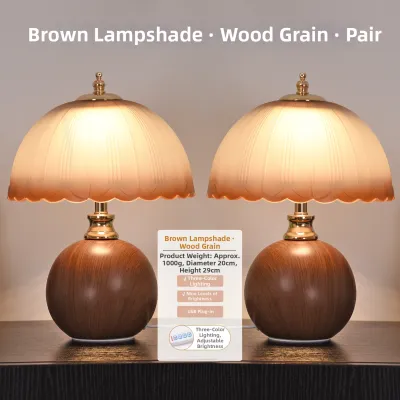
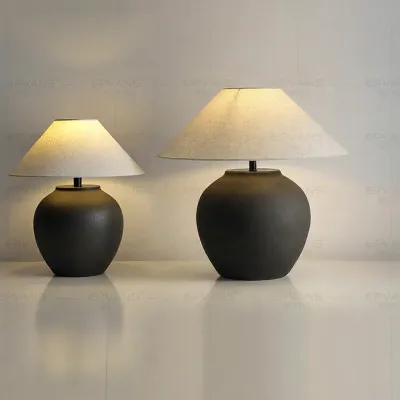
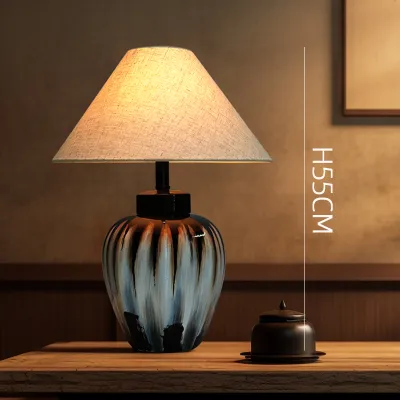
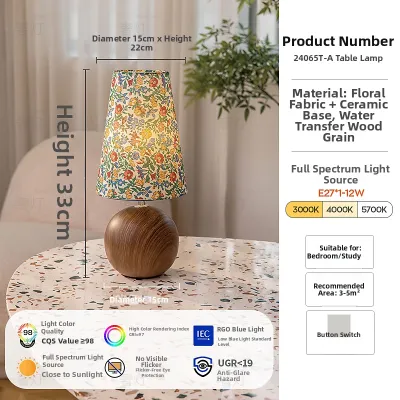
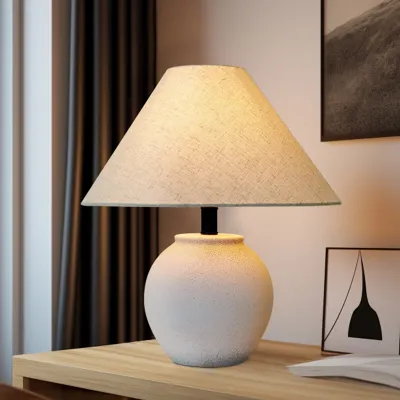
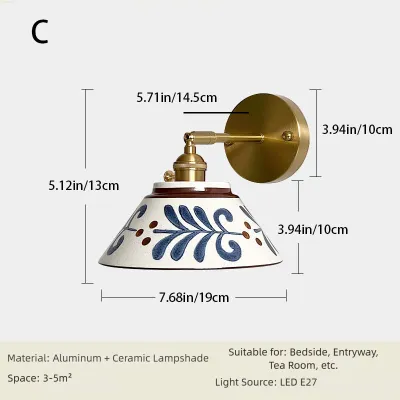
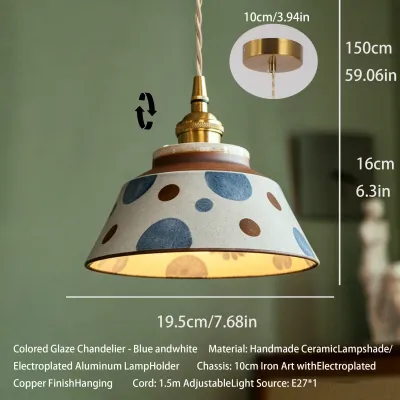
Prices are valid at publication and may change. Please refer to the product page for the latest price.

Material and Glaze Composition
Porcelain is a highly refined ceramic made from kaolin clay, quartz, and feldspar, fired at extreme temperatures ranging from 1,200°C to 1,400°C. This process vitrifies the clay, turning it into a dense, non-porous, and naturally translucent material that is significantly stronger than standard earthenware or stoneware. When shopping, distinguish true porcelain from standard ceramics, which are fired at lower temperatures, remain porous under the glaze, and are much more prone to chipping and cracking over time.
The quality of the glaze is equally critical. A premium glaze is fused to the clay body during firing, creating a smooth, glass-like surface free of pinholes, bubbling, or uneven run lines. High-quality glazes provide deep color saturation and protect the underlying material from moisture, dust, and stains. Inferior glazes can develop fine hairline cracks over time—a defect known as crazing—which can trap dirt and compromise the lamp’s appearance.
Craftsmanship and Structural Integrity
The method of shaping and decorating a porcelain lamp base directly influences its market value. Hand-thrown porcelain bases, shaped individually on a potter’s wheel, exhibit subtle organic variations that make each piece unique, whereas slip-cast bases are made by pouring liquid clay into molds to achieve complex, repeatable shapes. When evaluating slip-cast lamps, look closely for visible mold seams; high-quality manufacturers spend considerable time hand-finishing the greenware to erase these lines before firing, resulting in a seamless look.
Surface decoration also dictates the craftsmanship tier, with hand-painted details commanding a premium over mass-produced transfer decals. Hand-painted lamps feature visible brushstrokes and a depth of color that decals simply cannot replicate, which often look flat and uniform upon close inspection. Additionally, because fired porcelain is relatively lightweight, quality lamps are typically mounted onto weighted bases made of solid brass, carved wood, or thick acrylic to prevent them from tipping over easily.
Electrical and Hardware Components
While the porcelain body is the most visual element, the quality of its electrical and hardware components determines its safety and actual lifespan. Premium lamps utilize heavy-duty sockets made of glazed ceramic or high-grade phenolic resin, which resist heat buildup much better than cheap plastic alternatives. The internal wiring must be thick and double-insulated to prevent degradation, and the cord must exit the porcelain base through a smooth, protected opening.
Without proper protective grommets or strain relief, the sharp edges of fired porcelain can gradually wear through electrical cord insulation over time, creating a severe short-circuit or shock hazard. Furthermore, mechanical switches should operate with a firm, positive click. Investing in a lamp with robust hardware ensures that you will not have to deal with flickering bulbs, loose sockets, or the safety hazards associated with subpar electrical assemblies.
Market Segments: Comparing Brand Positioning in Singapore
Understanding where different brands sit in the market helps clarify what you are paying for and what level of quality you can expect.
Premium and Designer Brands
Premium and designer brands in Singapore target collectors and design enthusiasts who view lighting as a long-term investment. These brands often collaborate with established ceramic artists or heritage studios to produce limited-run collections featuring intricate hand-painted patterns, classic crackle glazes, or sophisticated celadon finishes. The value proposition of these premium lamps lies in their exceptional material purity, flawless hand-finishing, and the use of luxury secondary materials such as solid brass hardware and hand-tailored silk or linen shades.
These high-end lamps serve as focal points in formal living rooms or upscale bedrooms, offering a level of visual depth and character that mass-produced items cannot match. In Singapore, these premium statement pieces typically command prices ranging from S$500 to well over S$1,500. While the initial cost is substantial, the heirloom quality of the porcelain and the durability of the high-grade electrical components mean these lamps can easily last for generations with proper care.
Mid-Tier Home and Lifestyle Brands
Mid-tier home and lifestyle brands offer the most balanced value proposition for the average Singaporean homeowner seeking reliable quality without a designer price tag. These brands utilize modern, highly controlled slip-casting and firing techniques to produce consistent, durable porcelain bases in a wide variety of contemporary, transitional, and minimalist styles. While they may feature printed patterns or simpler solid-color glazes rather than hand-painted artwork, the build quality remains high, and the electrical components are thoroughly tested for safety.
Lamps in this segment generally range from S$150 to S$400 and are widely available at boutique lighting showrooms and reputable home furnishing stores across Singapore. They typically come paired with high-quality cotton or linen drum shades and standard E27 sockets, making them highly practical for daily use on bedside tables, study desks, or console tables. For buyers who prioritize functional durability, clean aesthetics, and certified electrical safety, mid-tier lifestyle brands represent the sweet spot of the local market.
Mass-Market and E-commerce Brands
Mass-market and e-commerce brands focus heavily on affordability, rapid trend replication, and high-volume sales through various online marketplaces. These lamps are highly appealing to budget-conscious shoppers, renters, or those who enjoy updating their interior decor frequently to match changing design trends. With prices often ranging from S$30 to S$80, these products make styled lighting accessible to a broader audience, allowing you to experiment with bold colors or classic shapes without making a major financial commitment.
However, purchasing from this segment requires a high degree of caution and realistic expectations regarding material and build quality. Many budget lamps advertised as “porcelain” are actually made of cheaper, low-fired earthenware, plaster, or resin, which lack the strength, density, and translucency of true porcelain. Furthermore, quality control in mass-market manufacturing can be highly inconsistent, often resulting in minor surface blemishes, slightly warped bases, and flimsy electrical hardware that may not comply with Singapore’s strict safety standards.
Key Comparison Dimensions for Your Decision
When evaluating individual options across different brands, focus on these practical performance and safety parameters.
Craftsmanship and Aesthetic Details
When comparing different brands, the first hands-on test you should perform is evaluating the material’s translucency, which is a definitive hallmark of high-quality porcelain. By holding a bright light source, such as a smartphone flashlight, against the inside of an unlined porcelain base, you can observe whether the material emits a soft, uniform glow. True porcelain will allow a delicate amount of light to pass through its vitrified walls, whereas cheaper ceramic or plaster imitations will remain completely dark and opaque.
Additionally, inspect the lamp’s overall symmetry and the finish of its base plate to ensure it will not damage your home furnishings. High-temperature firing can sometimes cause porcelain to warp slightly, so check that the base sits perfectly level on flat surfaces without wobbling. The very bottom of the lamp base should be completely smooth, or covered with a protective layer of felt, velvet, or soft rubber. A rough, unfinished porcelain edge can easily scratch polished wood console tables, glass tabletops, or lacquered bedside cabinets when the lamp is moved for cleaning.
Durability and Maintenance
The durability of a porcelain lamp is largely determined by its surface finish and how well it can withstand daily wear and environmental factors. High-gloss glazed porcelain is incredibly durable, non-porous, and highly resistant to moisture, making it exceptionally easy to maintain in Singapore’s humid tropical climate. Dust and dirt can be easily wiped away using a soft, dry microfiber cloth, and occasional smudges can be cleaned with a slightly damp cloth without any risk of damaging the underlying material.
In contrast, matte or unglazed biscuit porcelain has a textured surface that can trap dust, dirt, and natural oils from your fingers over time. Cleaning unglazed porcelain requires a gentler touch and more frequent dusting to prevent permanent staining, and you must strictly avoid using harsh chemical cleaners or abrasive pads that could scratch the surface. Furthermore, examine how the electrical cord exits the base; high-quality brands route the cord through a dedicated rubber or plastic protective grommet to prevent the sharp, fired edges of the porcelain from slowly cutting into the wire insulation over time.
Lighting Performance and Electrical Safety
Electrical safety is the single most critical factor when choosing a plug-in lighting fixture for your home. Singapore operates on a 230V, 50Hz electrical grid and utilizes the Type G three-pin plug as the national standard. When comparing brands, always verify that the lamp’s electrical assembly is rated for 230V and that the plug or inline switch carries recognized safety certifications, such as the Enterprise Singapore SAFETY Mark. Using non-certified electrical equipment or relying on cheap, loose-fitting travel adapters poses a significant risk of electrical short circuits, shocks, or household fires.
You must also check the lamp’s socket type and maximum wattage rating to ensure compatibility with your preferred light bulbs. Most quality lamps in Singapore use standard E27 (screw-in) or E14 (small screw-in) sockets, which are widely available in local hardware stores. Always adhere to the maximum wattage limit printed on the socket label—typically 40W to 60W—to prevent overheating. To maximize safety and protect your lamp, it is highly recommended to use energy-efficient LED bulbs; they generate very little heat compared to traditional incandescent bulbs, preventing thermal stress to both the porcelain base and the delicate fabric shade. Note that table lamps are strictly for dry, indoor environments; never place them in damp areas like bathrooms or outdoor balconies.
Decision Framework: Which Brand Segment Should You Choose?
To make your final decision, evaluate your specific household requirements, budget, and design goals against the following condition-based guidelines:
- Choose Premium Designer Brands if: You are decorating a primary living space, appreciate historical craftsmanship, want a unique heirloom piece, and have a flexible budget of S$500 or more. These investment pieces offer unmatched visual depth and are built to last for generations.
- Choose Mid-Tier Lifestyle Brands if: You need a reliable, well-crafted lamp for daily use on a bedside table or study desk, prioritizing consistent quality, modern style, and certified electrical safety without paying a collector's premium. This segment offers the best overall value for the majority of Singaporean homeowners.
- Choose Mass-Market Options if: You are styling a rental property, testing a temporary design trend, or decorating on a strict budget under S$100. Be prepared to carefully inspect the product upon arrival to ensure the materials and construction meet your expectations.
- Verify First if: You are purchasing a lamp from an overseas seller or an unverified online marketplace. Always confirm that the electrical system is fully compatible with Singapore's 230V grid, that it features a proper Type G plug, and that the seller provides a reliable return policy in case the fragile porcelain is damaged during international transit. If you ever need to modify or rewire a lamp's electrical components, always isolate the power supply first and consult a qualified, licensed electrician to ensure the work is completed safely and in compliance with local regulations.
Frequently Asked Questions (FAQ)
How can I tell if a lamp is real porcelain or just standard ceramic?
You can easily distinguish true porcelain from standard ceramic by performing simple visual and physical tests. First, try the light test: hold a bright flashlight directly against the inside of the lamp base; true porcelain is vitrified and thin enough to let a soft, warm glow pass through, whereas standard ceramic remains completely opaque. Second, try the sound test: gently tap the porcelain base with a wooden spoon or a coin; high-fired porcelain will produce a clear, high-pitched, bell-like ring, while standard ceramic or plaster will produce a dull, flat thud. Finally, true porcelain is generally lighter and has a much finer, smoother texture on any unglazed areas compared to the coarse, grainy feel of earthenware or stoneware.
Do porcelain table lamps need a specific type of bulb?
The porcelain material itself does not require a specific type of light bulb, but the lamp’s electrical socket and shade assembly do. Always check the socket size—typically E27 or E14 in Singapore—and ensure the bulb’s wattage does not exceed the maximum rating printed on the socket. It is highly recommended to use LED bulbs rather than traditional incandescent or halogen bulbs. LEDs emit very little heat, which prevents thermal stress on the porcelain base and protects delicate fabric shades from discoloration or heat damage over years of daily use.
Is it safe to buy plug-in porcelain lamps from overseas online marketplaces for use in Singapore?
Buying plug-in lamps from overseas carries significant electrical safety and compatibility risks that you must carefully manage. Many overseas lamps are wired for 110V electrical grids (such as in Japan or North America) or feature non-standard plugs that do not fit Singapore’s Type G outlets. Connecting a 110V lamp directly to Singapore’s 230V system will instantly blow the bulb and can cause a dangerous electrical short or fire. If you purchase an overseas lamp, ensure the product specifications explicitly state compatibility with 220V-240V, and always have a qualified professional replace any non-compliant plug with a certified, fused Type G plug rather than relying on unsafe travel adapters.
Community discussion
Share your experience or ask a question. Comments are reviewed before publication.