
Finding the ideal porcelain table lamp in Singapore is a matter of balancing your home’s aesthetic theme, your functional lighting requirements, and your budget. Because porcelain is a material that spans from mass-produced homeware to highly collectible, hand-painted works of art, there is no single brand that serves as a universal best choice. Instead, making a successful purchase requires evaluating the physical craftsmanship of the ceramic base, understanding how the design interacts with your existing decor, and verifying that the electrical components comply with local safety standards. By focusing on these objective criteria, you can navigate the diverse offerings in Singapore’s retail landscape and select a fixture that offers lasting value.
Evaluating Craftsmanship and Material Quality
High-quality porcelain is characterized by its density, translucency, and the refinement of its finish. When inspecting a porcelain table lamp in a showroom or upon delivery, your first step should be a close visual and tactile examination of the glaze. A well-executed glaze should feel perfectly smooth to the touch, with an even thickness across the entire body of the lamp. Look closely for surface imperfections such as pinholes, tiny black specks from kiln debris, or “crazing,” which refers to fine spiderweb-like cracks in the glaze. While minor variations are common in hand-fired ceramics, prominent glaze runs or uneven color pooling often indicate inconsistent manufacturing standards.
The structural integrity of the lamp base is equally critical, especially for a portable fixture placed on side tables or consoles. Gently lift the lamp to assess its weight distribution; a high-quality porcelain lamp should feel substantial and bottom-heavy. If the base feels exceptionally light or hollow, it may be prone to tipping over when the pull chain or switch is operated. Examine the bottom of the lamp to see if it features a protective pad, such as felt or foam, which prevents the hard ceramic from scratching your wooden or stone furniture surfaces.
Products mentioned in this guide
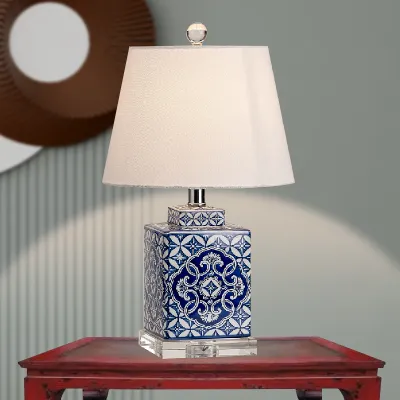
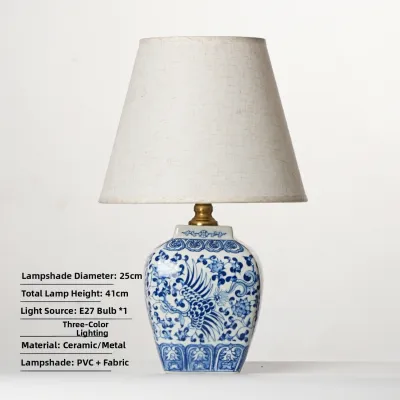
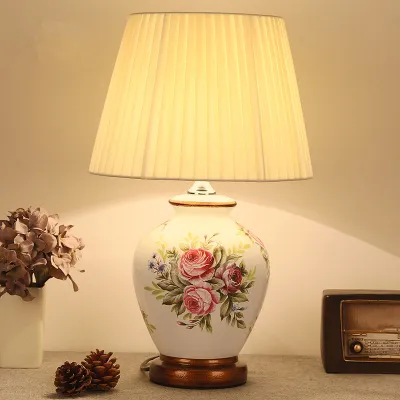
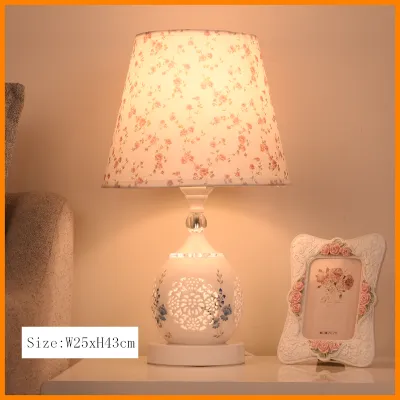
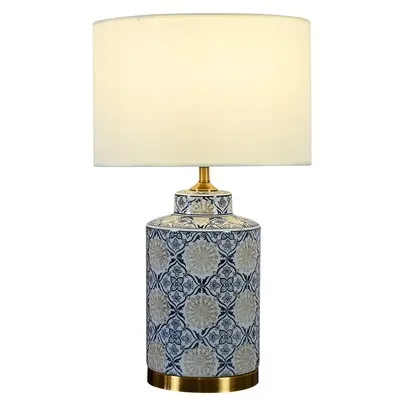
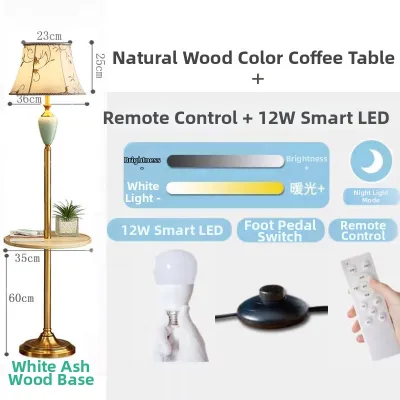
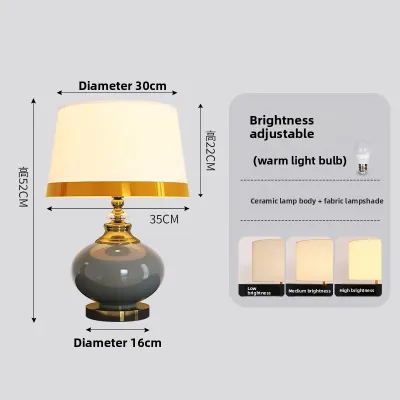
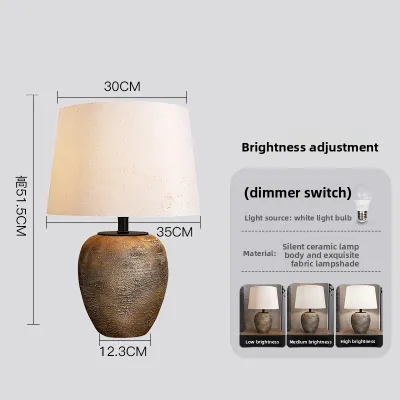
Prices are valid at publication and may change. Please refer to the product page for the latest price.
Beyond the ceramic itself, the longevity of the lamp depends heavily on its hardware. Inspect the metal neck, socket, and base fittings to ensure they are securely attached to the porcelain body without any wobbling. High-grade brass, stainless steel, or finished aluminum components resist tarnishing and provide a stable housing for the electrical socket. Check the cord exit point at the base of the lamp; it should feature a rubber or plastic grommet to protect the electrical wire from rubbing against the sharp, unglazed edges of the porcelain hole.
Matching Design Aesthetics to Your Space
Porcelain table lamps are highly versatile decorative elements, but their visual impact depends on how well their style aligns with your interior architecture. Traditional porcelain lamps often feature classic silhouettes, such as ginger jars, temple jars, or double-gourd shapes, adorned with intricate hand-painted motifs like blue-and-white floral patterns or chinoiserie scenes. These designs excel in classic, transitional, or eclectic spaces, where they serve as timeless focal points. When placing a traditional patterned lamp, ensure the surrounding decor features solid colors or subtle textures to prevent the space from feeling visually cluttered.

Conversely, contemporary porcelain lamps embrace minimalist aesthetics, utilizing geometric forms, matte glazes, or textured surfaces like ribbed or fluted patterns. These modern designs rely on the purity of the ceramic form and the play of light across its contours rather than painted details. A matte or textured white porcelain lamp can add subtle depth to a Scandinavian or modern minimalist living room, providing organic warmth without disrupting a neutral color palette. Consider how the glaze finish—whether high-gloss, satin, or matte—interacts with the natural light entering your room during the day and the artificial light emitted by the lamp at night.
The choice of lampshade material is the final element in defining the lamp’s aesthetic and functional performance. Fabric shades, such as linen or silk, diffuse light softly, creating a warm, inviting glow that is ideal for bedrooms and living areas. Linen shades offer a more relaxed, textured appearance, while silk shades provide a refined, formal look. If you require more focused downward light for reading or task work, a structured parchment or paper shade can direct the light output while maintaining a clean silhouette. Ensure the scale of the shade is proportional to the porcelain base; generally, the shade’s width should be roughly equal to the height of the lamp base.
Understanding Price Positioning and Value
The price of a porcelain table lamp in Singapore is influenced by several distinct factors, primarily material sourcing, production methods, and import logistics. Hand-crafted and hand-painted porcelain requires a high level of artisan skill and multiple kiln firings, which naturally increases production costs compared to slip-cast, mass-produced ceramic bases. Additionally, because porcelain is fragile and heavy, the cost of secure packaging and international shipping to Singapore adds a premium to imported brands, particularly those originating from historical ceramic centers in Europe or East Asia.
In the local market, entry-level porcelain lamps are typically mass-produced using standardized molds and automated glazing techniques. These fixtures offer excellent utility and clean, modern designs at an accessible price point, though they may feature lighter bases and simpler plastic or basic metal hardware. Mid-range options often introduce hand-finished glazes, sturdier brass-plated hardware, and higher-quality fabric shades. At the premium end of the spectrum, you are paying for heritage craftsmanship, limited-edition studio designs, or authentic antique bases that have been converted into lamps. These premium fixtures feature exceptional glaze depth, heavy solid-brass fittings, and hand-sewn silk shades.
To determine if a premium price tag is justified, look for tangible indicators of quality rather than relying solely on brand prestige. Examine the complexity of the hand-painting; authentic hand-painted details will show slight, organic variations in brushstroke thickness and color intensity, whereas printed decals look perfectly uniform under close inspection. Verify that the hardware components match the quality of the ceramic; a premium porcelain base paired with a flimsy plastic socket or a poorly fitted shade frame indicates a poor cost-to-quality ratio.
Pre-Purchase Electrical and Safety Checks
Because table lamps are active electrical appliances, safety must be your primary consideration before finalizing any purchase. In Singapore, the standard household electrical supply operates at a voltage of 230V and a frequency of 50Hz. Ensure that any imported porcelain lamp you purchase is rated for this voltage to prevent electrical malfunctions or fire hazards. The power cord must be fitted with a compatible Type G plug—the standard three-pin plug used locally—or you must verify that the lamp can be safely rewired with a compliant plug by a qualified professional.
Next, examine the bulb socket to identify the base interface and the maximum allowable wattage. The most common socket types found in Singapore are E27 (large Edison screw) and E14 (small Edison screw), both of which make finding replacement bulbs straightforward. Always adhere to the maximum wattage limit printed on the socket label, especially when using traditional incandescent bulbs, which generate significant heat. Excessive heat buildup inside a narrow porcelain neck or beneath a tight lampshade can damage the electrical wiring insulation or crack the ceramic base.
For peace of mind, look for recognized safety certifications on the lamp’s electrical assembly. In Singapore, controlled electrical appliances must carry the SAFETY Mark, which indicates the product has been tested and certified to meet local safety standards. If you are purchasing a lamp directly from an international retailer, check for equivalent international certifications such as the CE mark for European standards or the UL listing for North American standards, keeping in mind that North American lamps (120V) will require professional rewiring or a voltage transformer to operate safely on Singapore’s grid.
Conditional Brand Selection Framework
To streamline your search for the perfect porcelain table lamp, it is helpful to align your purchasing strategy with your primary design and functional priorities. If your goal is to acquire a statement piece with historical character, artistic depth, and collectible value, focus your search on heritage artisan brands or specialized boutique importers. These sources specialize in traditional techniques, offering hand-painted patterns and classic silhouettes that serve as heirloom-quality additions to formal living rooms or studies.
If you prioritize clean lines, contemporary aesthetics, and consistent manufacturing quality at a predictable price point, modern lifestyle brands and established commercial lighting retailers are your best option. These brands offer minimalist geometric designs and trendy textured glazes that integrate seamlessly into modern Singaporean apartments. Because these fixtures are produced in larger quantities, they undergo standardized quality control, ensuring that the electrical components and hardware are highly reliable and ready for immediate use.
For those drawn to the unique charm of vintage or antique porcelain lamps, extra precautions are necessary before bringing the fixture into your home. Vintage lamps sourced from flea markets or antique shops often feature outdated wiring, brittle cord insulation, or non-compliant plugs that pose safety risks. Before plugging in a vintage find, inspect the entire length of the cord for cracks and examine the socket for signs of corrosion. It is highly recommended to take vintage porcelain bases to a qualified lighting specialist in Singapore to have them completely rewired with modern, safety-compliant components and a standard Type G plug.
Frequently Asked Questions (FAQ)
How do I clean and maintain a porcelain table lamp?
To maintain the luster of your porcelain table lamp, dust the ceramic base regularly using a dry, soft microfiber cloth or a static duster. Avoid using harsh chemical cleaners, acidic solutions, or abrasive scrubbing pads, as these can scratch the glaze or degrade hand-painted details over time. If the base requires a deeper clean, slightly dampen the microfiber cloth with plain water, wipe the surface gently, and dry it immediately with a clean towel. Always ensure the lamp is completely unplugged from the wall outlet and the bulb has fully cooled down before performing any cleaning or maintenance.
Can I use smart bulbs in a porcelain table lamp?
Yes, you can integrate smart bulbs into a porcelain table lamp, provided you verify a few physical and electrical compatibility factors. First, ensure the smart bulb’s base matches the lamp’s socket interface, which is typically an E27 or E14 screw base. Next, check the physical dimensions of the smart bulb; some smart bulbs are larger or longer than standard LED bulbs and may protrude past the top of the lampshade or touch the shade’s wire frame. Finally, ensure the smart bulb’s wattage equivalent does not exceed the maximum wattage rating of the lamp socket, and avoid using smart bulbs in lamps equipped with built-in physical dimmer switches unless the bulb is explicitly rated for external dimming circuits.
Community discussion
Share your experience or ask a question. Comments are reviewed before publication.