
Hanging a crystal sun catcher in a window transforms direct sunlight into a vibrant dance of rainbows across your living space. While premium price tags often promise more spectacular light shows, a higher price does not automatically guarantee a better visual experience in every home. The actual performance of a sun catcher depends heavily on a combination of material science, cutting precision, and your specific indoor environment. In high-rise apartments where tropical sunlight streams through large windows, even a modestly priced alternative can deliver stunning results if chosen wisely. Understanding the physical differences between high-end optical crystals and budget-friendly glass or acrylic options allows you to make an informed choice that suits both your budget and your home’s unique lighting conditions.
Understanding Light Refraction and Rainbow Projection
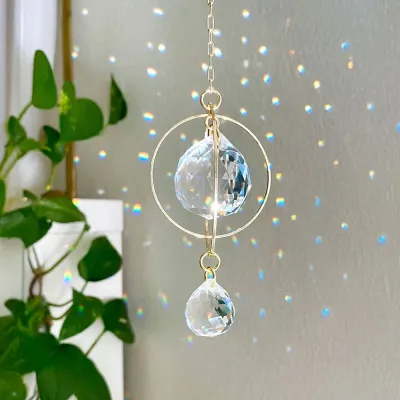
To understand how a sun catcher works, it helps to look at the physics of light refraction. When white sunlight passes from the air into a denser medium like glass or crystal, it slows down and bends. This bending is called refraction. Because white light is made up of different wavelengths, each color bends at a slightly different angle, dispersing the light into a brilliant spectrum of individual colors. The degree to which a material can bend light is measured by its refractive index; a higher refractive index means the material bends light more sharply, resulting in wider and more intense color separation.
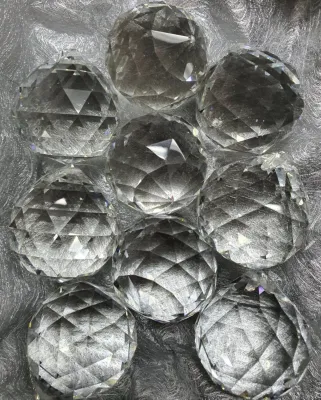
The precision of the facets cut into the material plays an equally critical role in projecting these rainbows. Each facet acts as an individual prism, catching the incoming light and directing it outward. When a crystal is cut with numerous, highly precise facets, it multiplies the number of projected rainbows and sharpens their edges. Conversely, rounded or uneven facets will cause the light to scatter diffusely, producing faint, blurry patches of light rather than distinct, sharp rainbows.
Products mentioned in this guide
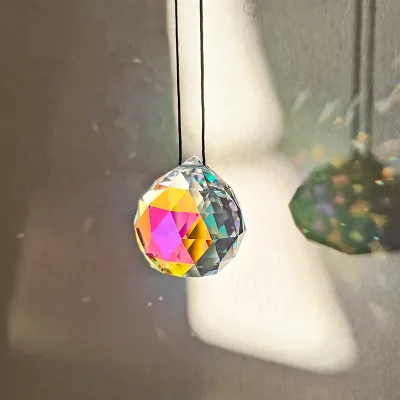
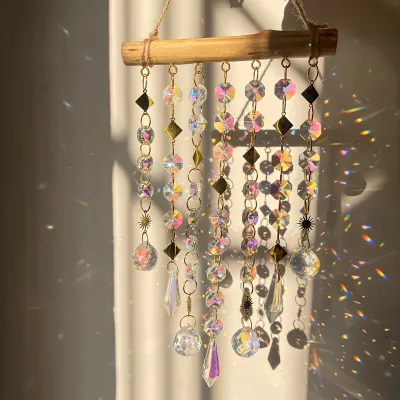
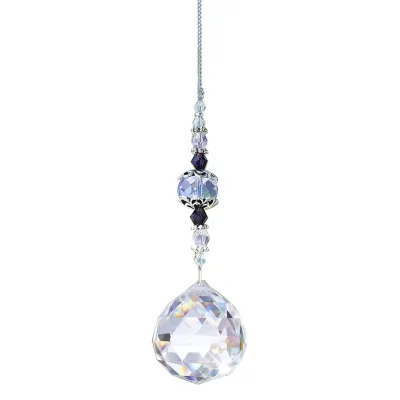
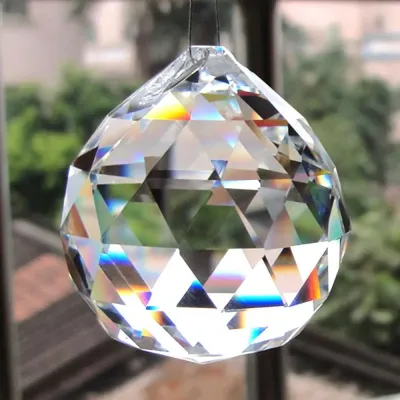
Prices are valid at publication and may change. Please refer to the product page for the latest price.
When shopping for a sun catcher, you can verify the material composition by carefully checking the product specifications. High-quality options typically feature optical glass, such as K9 silicon glass, or traditional lead crystal, which are known for their exceptional clarity and high refractive indices. Budget-friendly alternatives often utilize standard soda-lime glass or molded acrylic. While these materials still refract light, they have lower refractive indices and will not disperse light with the same intensity as premium optical materials.
Material and Craftsmanship Differences Across Price Tiers
Material composition is the primary differentiator between premium and budget sun catchers. Traditional premium sun catchers often feature lead crystal, which contains lead oxide to increase the density and refractive index of the glass, creating highly vibrant rainbows. Today, many premium manufacturers use lead-free optical crystal, such as K9 glass, which offers comparable density and outstanding clarity without the environmental concerns of lead. Budget options, on the other hand, typically rely on standard glass or lightweight acrylic, which lack the density required for highly dramatic light dispersion.

The manufacturing process also varies significantly across price tiers. Premium crystals are typically precision-machine cut or hand-polished using diamond grinding wheels. This meticulous process ensures that every facet is perfectly flat and meets adjacent facets at razor-sharp angles, maximizing the purity of the refracted light. Budget sun catchers are often molded rather than cut. During the molding process, molten glass or plastic is poured into a form, which naturally results in slightly rounded edges and surface imperfections as the material cools, leading to softer, less defined rainbow projections.
Beyond the crystal itself, the quality of the accompanying hardware is a key indicator of craftsmanship. Premium sun catchers generally feature durable, corrosion-resistant hardware such as stainless steel, brass, or high-quality plated chains with secure jump rings. This is particularly important in humid tropical climates, where cheap metal alloys can quickly tarnish, rust, or weaken. Budget options frequently use thin iron wire, basic monofilament nylon line, or flimsy metal connectors that are prone to breaking under the weight of the pendant or degrading under constant exposure to intense UV rays.
How to Evaluate the Rainbow Effect Before and After Purchase
When evaluating a sun catcher, the most direct measure of performance is the quality of the projected rainbows. A high-performing crystal will project rainbows with sharp, distinct bands of red, orange, yellow, green, blue, indigo, and violet. If the projected colors appear washed out, merge into a generic yellowish-white light, or have fuzzy, indistinct borders, the crystal likely suffers from low material purity or poor facet cutting. Observing the sharpness of the projection on a plain white wall is the easiest way to assess this quality after purchase.
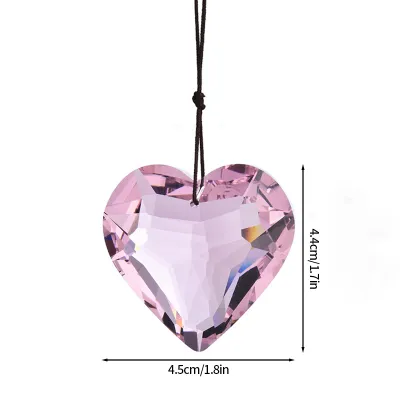
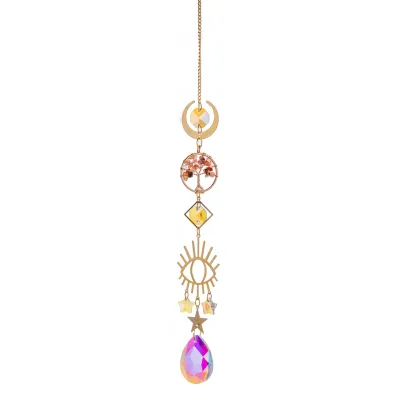
The physical dimensions and shape of the main pendant also dictate the nature of the light show. Large, thick, and heavy pendants, such as faceted spheres or deep teardrops, contain more material for the light to travel through, which enhances the dispersion effect and projects a wide, circular constellation of rainbows. Thin, flat, or highly intricate shapes may look beautiful as decorative objects, but they tend to project smaller, more localized patterns of light because the light path through the material is much shorter.
It is also important to recognize that external environmental factors can significantly diminish the performance of any sun catcher, regardless of its price or brand. Modern homes often feature double-glazed windows, low-emissivity (Low-E) glass, or aftermarket solar window films designed to block heat and UV radiation. While these features keep your home cool, they also filter out a substantial portion of the visible light spectrum, which can severely dull the rainbow projection of even the most expensive premium crystal. Similarly, external obstructions like neighboring high-rise buildings, trees, or persistent overcast weather will limit the direct sunlight required to activate the refraction process.
Deciding Between Premium and Budget Options
Choosing between a premium and a budget sun catcher depends largely on your home’s lighting conditions and your personal design preferences. A premium optical crystal is highly recommended if your room receives limited or indirect sunlight, such as windows facing north or south that only catch angled light at specific times of the day. The superior refractive index and precision-cut facets of premium glass make the most of weak or limited light, projecting visible rainbows where a budget alternative might only produce faint, unnoticeable reflections.
Conversely, a budget-friendly glass or acrylic sun catcher is an excellent choice if you plan to hang it in a window that receives abundant, direct, and intense sunlight, such as an east-facing window in the morning or a west-facing window in the afternoon. Under intense tropical sunlight, even basic glass will refract a generous amount of light, creating a beautiful display without the need for a significant financial investment. Budget options are also ideal if you prefer to purchase multiple pieces to create a layered gallery effect across several windows, or if you are decorating a high-traffic area where a lightweight, shatter-resistant piece is preferred.
Before making a purchase, always verify the product description carefully rather than relying on generic marketing terms. Many budget listings use phrases like “crystal-clear” or “crystal glass” to describe what is actually basic molded plastic or standard window glass. Look for explicit specifications that state the exact material, such as “K9 optical glass,” and check for close-up photos of the facets to ensure the edges appear sharp and flat rather than rounded and molded. This simple verification step ensures you receive the level of performance you expect for the price.
Optimizing Placement for Maximum Light Refraction
To get the best possible performance from your sun catcher, strategic placement is essential. Identify which windows in your home receive the most direct sunlight throughout the day. East-facing windows are perfect for capturing the bright, clear morning sun, while west-facing windows will catch the intense, golden afternoon light. Because the sun’s path shifts seasonally, you may find that moving your sun catcher to different windows throughout the year helps maintain a consistent daily light show.
The height and distance at which you hang the sun catcher will also alter the visual effect. Hanging the crystal close to the window pane allows it to capture the widest angle of incoming sunlight, but hanging it slightly further back can project larger, more spread-out rainbows across the room. Experiment with different heights to project the rainbows onto light-colored walls, ceilings, or floors where they will be most visible, avoiding dark furniture or busy wallpapers that absorb and obscure the colors.
Finally, prioritize safety when installing your sun catcher, especially in high-rise apartments where open windows can create strong cross-breezes. Heavy premium glass or crystal pieces should always be secured using sturdy, screw-in ceiling hooks or secure window frame mounts rather than simple suction cups, which can dry out, lose their grip under humid conditions, and fall. For lighter budget glass or acrylic pieces, a high-quality suction cup may suffice, but it should be checked regularly to ensure the seal remains tight and secure against the glass.
Frequently Asked Questions (FAQ)
How do I clean a crystal sun catcher without damaging it?
To maintain optimal light refraction, clean your crystal sun catcher regularly using a soft, lint-free microfiber cloth. For deeper cleaning, wash glass or K9 crystal pieces in warm water mixed with a few drops of mild dish soap, then rinse thoroughly with clean water. Avoid using harsh chemical cleaners, abrasive scrubbing pads, or ammonia-based sprays, as these can damage delicate metallic hardware or strip away special iridescent coatings. Always dry the crystal immediately with a clean towel to prevent water spots, which can block and scatter light, reducing the clarity of your projected rainbows.
Can budget acrylic sun catchers produce real rainbows?
Yes, budget acrylic sun catchers can produce real rainbows, but the visual effect will be different from that of glass or crystal. Because acrylic has a lower refractive index and density than optical glass, the projected rainbows will have softer, less defined edges and slightly more muted colors. However, acrylic is highly shatter-resistant, exceptionally lightweight, and less expensive, making it an excellent and safe choice for children’s bedrooms, pet-friendly spaces, or outdoor garden areas where heavier glass pieces could pose a safety hazard during windy weather.
Community discussion
Share your experience or ask a question. Comments are reviewed before publication.