
Choosing between a Pristine aroma diffuser and other popular brands in Singapore comes down to matching their technical specifications with your specific indoor environment. Because independent, standardized performance tests are rarely published for consumer-grade diffusers, the most reliable way to compare them is by evaluating verifiable manufacturer specifications such as water tank capacity, mist output rates, and material composition.
In Singapore’s humid climate, air-conditioned spaces often create localized dry zones where an ultrasonic diffuser can introduce both pleasant scents and subtle moisture. However, a diffuser that works perfectly in a compact bedroom might struggle in a spacious, open-plan living room. By examining the physical build, misting mechanisms, and design footprints of Pristine and its competitors, you can make an informed decision based on objective criteria rather than marketing claims.
Identifying Your Space and Usage Requirements
Before comparing specific diffuser models, you must define the physical and environmental parameters of the room where the device will operate. Start by measuring the exact floor area and ceiling height of your target space. A standard HDB bedroom in Singapore typically requires a different mist volume than a larger condominium living area or an open-concept office.
Products mentioned in this guide

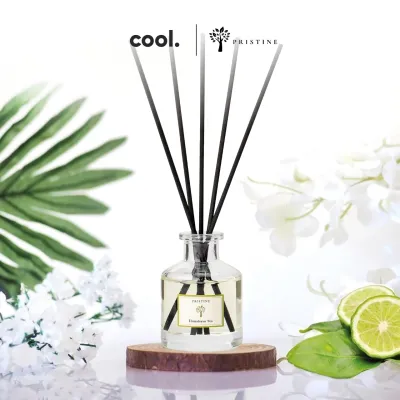


Prices are valid at publication and may change. Please refer to the product page for the latest price.
Consider your daily usage patterns and how long you expect the device to run continuously. Some users prefer a gentle, intermittent mist that lasts throughout an eight-hour sleep cycle, while others want a rapid, high-volume burst of fragrance to clear cooking odors or mustiness in the evening. Understanding your sensitivity to ambient humidity is also crucial, especially in Singapore where indoor humidity levels are already naturally high.
Placement constraints are another vital factor to map out before purchasing. Identify where the diffuser will sit in relation to power outlets, high-traffic pathways, and sensitive surfaces. Placing a water-misting device too close to untreated wooden furniture, delicate electronics, or paper-based decor can lead to moisture damage over time. Ensure the chosen spot is stable, flat, and out of reach of pets or young children who might accidentally knock it over.
Checking Build Quality and Material Specifications
The longevity of an ultrasonic diffuser depends heavily on the materials used in its construction, particularly the water tank. Because essential oils are highly concentrated and chemically active, they can degrade standard plastics over time, leading to cracking, clouding, or chemical leaching. When comparing the Pristine diffuser to other market alternatives, look closely at the manufacturer’s material specifications.

High-quality diffusers typically utilize specialized, corrosion-resistant resins such as polypropylene (PP) for the water tank. PP plastic is highly resistant to the corrosive nature of pure essential oils, ensuring the tank remains structurally sound even after years of daily exposure. Check the product labels or user manuals of any shortlisted brand to verify that the water-contact parts are explicitly rated as oil-safe and BPA-free.
The exterior housing material also warrants close inspection. While some brands offer minimalist plastic shells, others feature premium materials like ceramic, glass, real wood, or metal alloys. While these premium materials enhance the aesthetic appeal, they also affect the unit’s weight, durability, and ease of cleaning. Matte ceramic and glass covers are elegant but fragile, whereas high-grade plastics are more resilient to accidental drops but may show oil stains more easily.
Safety features are a non-negotiable aspect of build quality. Verify that any model you consider includes a reliable automatic shut-off mechanism that triggers when the water level drops below a safe threshold. This prevents the ultrasonic plate from running dry, which can cause overheating and permanent damage to the internal circuitry. Look for models with well-sealed internal compartments that isolate the electrical components from potential water leaks or condensation buildup.
Matching Mist Output and Coverage to Your Room
To ensure your chosen diffuser performs effectively, you must match its mist output metrics to your room’s dimensions. Rather than relying on vague marketing terms like “large room coverage,” locate the manufacturer-stated mist output rate, which is typically measured in milliliters per hour (mL/h). This metric tells you exactly how much water and oil mixture the device disperses into the air over a given timeframe.
A standard compact diffuser might have a mist output of 15 to 30 mL/h, which is generally sufficient for small study rooms or enclosed bedrooms up to 15 square meters. For larger living rooms or open-plan layouts, you will likely need a more robust unit with an output rate of 50 mL/h or higher. Keep in mind that highly ventilated spaces with open windows or active ceiling fans will disperse the mist much faster, requiring a higher output rate to maintain a consistent scent.
Cross-reference this mist rate with the water tank capacity, measured in milliliters (mL). A larger tank does not automatically mean higher mist intensity; rather, it determines the maximum continuous run time. For instance, a 300 mL tank running at a steady output of 30 mL/h will theoretically operate for up to ten hours before requiring a refill.
Examine the available mist settings and timer configurations on each device. High-quality models offer adjustable mist levels (such as high, low, or intermittent modes) and programmable timers (such as 1-hour, 3-hour, or 6-hour intervals). These settings allow you to customize the output to match your daily routine, preventing the air from becoming overly saturated with moisture or fragrance.
Evaluating Design, Footprint, and Practical Features
The physical design of a diffuser affects both its visual integration into your home decor and its daily usability. Measure the exact footprint and height of the units you are comparing. In space-constrained Singaporean apartments, a bulky diffuser can quickly clutter a bedside table or a narrow shelf. Compact, vertical designs save valuable surface area but may have a higher center of gravity, making them easier to tip over.
Control panel placement and user interface design are often overlooked but highly impactful details. Some diffusers feature top-mounted buttons that are easy to access, while others place controls on the base or side, which can be awkward to operate when the tank is full of water. If you plan to use the diffuser in a bedroom overnight, check how the indicator lights behave. Some models allow you to turn off all LED lights completely, while others have persistent, bright status lights that can disrupt your sleep.
Electrical compatibility is a critical safety consideration for any appliance used in Singapore. Ensure the diffuser’s power supply is rated for Singapore’s standard 230V electrical grid and operates at a frequency of 50Hz. The device should ideally come with a native Type G three-pin plug or a certified power adapter. Avoid using uncertified travel adapters or third-party power cords, as they can pose electrical hazards or fail to deliver the correct voltage to the device.
Consider the ease of refilling and handling the unit. Some diffusers require you to remove multiple tight-fitting covers to access the water tank, increasing the risk of spills. Look for designs with easily removable outer sleeves and wide-mouth water tanks that allow you to pour water directly from a pitcher without splashing the surrounding area.
Decision Framework: Choosing the Right Diffuser Package
To make your final decision, synthesize the specifications of the Pristine diffuser and its competitors into a clear, priority-based framework. If your primary goal is a seamless match for a standard-sized bedroom, and the Pristine model’s verified tank capacity and mist output align with your nightly usage, it represents a highly practical choice. Its design aesthetic is tailored to modern, minimalist interiors, making it an easy fit for many local homes.
Conversely, you should opt for an alternative brand if your physical space demands a highly specific solution. For example, if you have a very large, open-concept living area, you may need a heavy-duty commercial-grade diffuser with a much higher mist output rate than standard residential models offer. Similarly, if you require advanced smart-home integration, such as mobile app controls or voice assistant compatibility, look for brands that specialize in connected home appliances.
Before finalizing your purchase, verify the long-term support and reliability policies associated with each brand. Check the manufacturer’s warranty terms, ensuring they cover the ultrasonic plate and electrical components for at least twelve months. Confirm whether the brand has a local customer service presence in Singapore to handle repairs or replacements quickly, and check the availability of replacement parts, such as power adapters or cleaning accessories, to ensure your diffuser remains functional for years to come.
Frequently Asked Questions (FAQ)
Can I use tap water in these ultrasonic diffusers?
While many ultrasonic diffusers can technically run on tap water, the mineral content of your local water supply plays a significant role in long-term performance. In areas with hard water, tap water contains dissolved minerals that can gradually build up as a crusty residue on the delicate ultrasonic plate. This buildup restricts the plate’s vibrations, leading to a noticeable decline in mist output over time.
To prevent this, always consult the specific user manual for your Pristine or alternative diffuser model. Many manufacturers recommend using distilled or filtered water to minimize mineral deposits and keep the misting mechanism operating smoothly. If you do choose to use room-temperature tap water, be prepared to perform more frequent maintenance to keep the internal components clean.
How do I clean the diffuser to maintain optimal mist output?
Regular cleaning is essential to prevent essential oil buildup and mold growth inside the water tank. Before performing any maintenance, always unplug the diffuser from the wall outlet to isolate the electrical components and ensure your safety. Empty any remaining water from the tank, taking care to pour it away from the air outlet vent to avoid damaging the internal circuitry.
Wipe the interior of the tank with a soft, damp microfiber cloth. To clean the ultrasonic plate—the small metal disc at the bottom of the tank—gently swab it with a cotton bud dipped in a mild solution of warm water and a few drops of white vinegar. Avoid using abrasive brushes, harsh chemical cleaners, or sharp objects, as these can permanently scratch the plate and ruin the misting function. Allow all parts to air dry completely before refilling or storing the device.
Community discussion
Share your experience or ask a question. Comments are reviewed before publication.