
Determining how long Pristine aroma oils will last in a reed diffuser requires looking at the interaction between the oil’s formulation, the physical reeds, and the specific indoor environment where it is placed. While a standard bottle can provide fragrance for several weeks to a few months, the exact lifespan is highly variable. By understanding the physical mechanisms of evaporation and capillary action, you can manage your diffuser to get the most consistent scent throw and the best possible value for your investment.
In tropical climates like Singapore, the ambient conditions play a massive role in how quickly diffuser oil disappears. The balance between natural humidity and indoor climate control creates distinct evaporation rates that directly affect the longevity of your home fragrances.
Key Factors That Determine Reed Diffuser Longevity
Your indoor climate is the primary driver of how quickly aroma oil evaporates. In a warm, humid environment, evaporation typically slows down because the air is already saturated with moisture. However, many homes and offices rely heavily on air conditioning, which strips moisture from the air. This dry, cool air accelerates capillary action, drawing the oil up through the reeds at a much faster rate and shortening the overall lifespan of the bottle.
Products mentioned in this guide

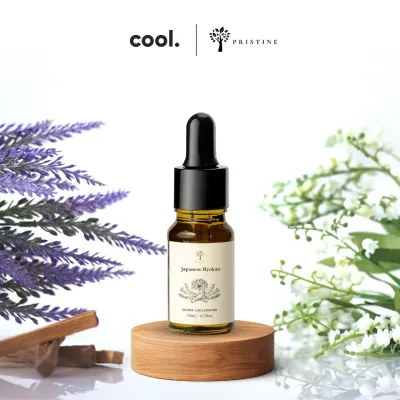
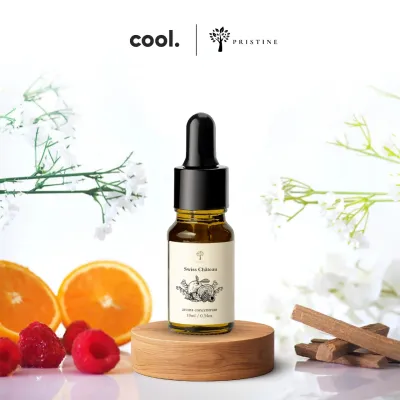

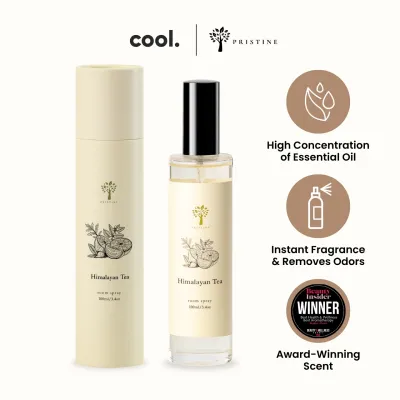

Prices are valid at publication and may change. Please refer to the product page for the latest price.
Airflow patterns within a room also dictate consumption. Placing a diffuser directly in the path of a ceiling fan, an air conditioning vent, or a frequently opened door creates constant air movement. This movement pulls the fragrance molecules off the tips of the reeds rapidly, forcing more liquid to climb up to replace them. While this results in a stronger, more noticeable scent, it also means you will go through your oil much faster than you would in a draft-free corner.
The physical characteristics of the reeds themselves act as the control valve for evaporation. Both the material and the total number of reeds placed in the bottle determine the surface area available for the oil to meet the air. Inserting eight reeds instead of four doubles the evaporation surface, which intensifies the fragrance but cuts the oil’s lifespan in half. Natural rattan reeds contain tiny, irregular vascular channels that draw oil slowly, whereas synthetic fiber reeds are engineered with highly uniform pores that wick and release liquid much more rapidly.
Finally, the chemical composition of the aroma oil dictates its volatility. Pristine aroma oils consist of concentrated fragrance compounds suspended in a liquid carrier base. Carrier bases with high viscosity evaporate slowly and steadily, while thinner, alcohol-based carriers evaporate quickly. Additionally, lighter scent profiles featuring citrus, mint, or light floral top notes naturally dissipate faster than heavy, dense base notes like sandalwood, patchouli, amber, or vanilla, which cling to the reeds and linger in the air for much longer.
How to Maximize the Scent Lifespan of Pristine Aroma Oils
To extend the life of your aroma oil, you must manage how and when you flip your reeds. Flipping the reeds refreshes the scent throw by bringing the oil-saturated ends to the top, but doing this too frequently accelerates oil consumption. A good practice is to flip them only when you notice the fragrance starting to fade, typically once every one to two weeks. Always perform this task over a sink or a protective cloth, as dripping oil can permanently stain or strip the finish off wooden furniture, plastics, and delicate stone countertops.

Strategic placement is another highly effective way to conserve your oil without sacrificing scent quality. Keep your diffuser completely out of direct sunlight, which heats the glass bottle and the liquid inside, causing rapid, wasteful evaporation. Sunlight also degrades the delicate aromatic compounds, altering the scent profile over time. Instead, position the diffuser on a stable, shaded shelf at waist-to-shoulder height in a high-traffic area where natural foot traffic gently disperses the scent throughout the room.
If you purchase large refill bottles or have leftover oil that you plan to store for later, proper storage is essential to prevent degradation. Keep unused oil in its original, tightly sealed container in a cool, dark cupboard or pantry. Exposure to oxygen triggers oxidation, which can break down the fragrance molecules, alter the color, and cause the carrier liquid to thicken. Once the oil thickens, it becomes much harder for the reeds to draw it up, rendering the remaining product far less effective.
Signs It Is Time to Replace the Oil or Reeds
Over time, you will notice visual changes in your diffuser that indicate it is no longer operating efficiently. One of the most common signs is oil discoloration, where the liquid turns yellow, amber, or cloudy due to UV exposure and oxidation. Additionally, because the bottle neck remains open to the air, airborne dust, pet dander, and lint will inevitably settle into the liquid. This accumulation creates a grimy barrier that clogs the microscopic channels of the reeds, stopping the wicking process entirely.
Another clear indicator is a drastic reduction in scent throw, even after you have flipped the reeds. If the reeds feel dry to the touch or look heavily coated with dust, they can no longer draw liquid upward. If you notice that the oil level in the bottle has stopped dropping entirely but the room no longer smells like the fragrance, the reeds are fully clogged and must be replaced with fresh ones to restore performance.
Changes in the oil’s physical consistency also signal that the product has reached the end of its useful life. As the lighter, more volatile carrier solvents evaporate over several weeks, the remaining liquid in the bottom of the bottle becomes thick, sticky, or syrupy. This concentrated residue is too viscous to climb the capillaries of either rattan or fiber reeds. When the oil reaches this state, adding new reeds will not help; you must empty the vessel, clean it thoroughly, and refill it with fresh oil.
Evaluating Value: Is Pristine Aroma Oil Worth the Price?
To determine if Pristine aroma oils offer good value for your household budget, you can track your actual usage and calculate an estimated monthly cost. Because evaporation rates depend so heavily on your specific home environment, tracking a single bottle’s lifespan gives you a personalized benchmark. You can use a simple formula to estimate your ongoing investment:
Monthly Cost (S$) = (Purchase Price of the Bottle / Total Weeks the Bottle Lasts) * 4.3
For example, if you purchase a bottle in Singapore for S$28 and find that it lasts for 8 weeks in your air-conditioned bedroom, your monthly cost is approximately S$15.05. This structured approach helps you move past marketing claims and evaluate the product based on real-world performance in your own living space.
When calculating value, remember to factor in the cost of replacement reeds and maintenance habits. Reusing the same glass diffuser vessel and purchasing larger refill bottles is significantly more cost-effective than buying a brand-new decorative starter set every time. However, you must budget for fresh reeds with every refill, as old, clogged reeds will fail to disperse the new oil, leading to wasted product and a poor sensory experience.
Before making a purchase, always verify the manufacturer’s label to ensure you are getting a fair volume of product for your money. Check the net volume, which is typically listed in milliliters (ml), and read the recommended usage conditions. The label will also provide crucial safety instructions, such as flammability warnings, skin sensitivity precautions, and directions on how to handle accidental spills to protect your home’s surfaces from chemical damage.
Frequently Asked Questions (FAQ)
Can I mix Pristine aroma oil with other brands in the same diffuser?
Mixing different brands of aroma oils in the same vessel is highly discouraged due to chemical compatibility risks. Different manufacturers use proprietary carrier bases, which can range from synthetic glycol ethers to natural oils or alcohol-based solvents. Mixing these distinct formulations can cause chemical separation, cloudiness, or the formation of a thick, gummy sludge that immediately clogs your reeds. To switch brands safely, empty the glass vessel completely, wash it thoroughly with warm soapy water, rinse it with isopropyl alcohol to remove residual oils, let it dry completely, and use a brand-new set of reeds.
Does the type of reed affect how fast the oil evaporates?
Yes, the material and structure of the reeds directly influence the rate of capillary action and evaporation. Natural rattan reeds contain tiny, hollow vascular tubes that draw the oil upward slowly and steadily, resulting in a moderate scent throw and a longer-lasting bottle of oil. Synthetic fiber or polyester reeds are engineered with highly uniform, open pores designed to pull liquid quickly and release a high volume of fragrance into the air. While fiber reeds provide a much stronger and more immediate scent throw, they consume the oil at a significantly faster rate, meaning you will need to refill your diffuser more frequently.
Community discussion
Share your experience or ask a question. Comments are reviewed before publication.