
Quick Answer: How Pristine Aroma Stacks Up Against the Competition
Scenting your living space in Singapore requires balancing local humidity levels, specific room layouts, and your personal design preferences. The brand pristine aroma has established a prominent presence in the local home fragrance market, largely recognized for its minimalist, hotel-inspired aesthetic and curated signature scent collections. When deciding whether to purchase a diffuser from this brand or look to alternative options, a conditional decision framework can help guide your choice.
Choose pristine aroma if you prioritize a sleek, modern design that blends seamlessly with contemporary Scandinavian or minimalist interior themes, and you prefer purchasing curated, pre-blended fragrance oils directly from the same brand ecosystem. Their products are particularly well-suited for users who want an all-in-one, aesthetically cohesive setup for bedrooms, study rooms, or medium-sized living areas without having to source oils and hardware from different vendors.
Consider alternative mainstream diffuser brands if you require heavy-duty continuous misting for exceptionally large, open-plan living areas, advanced smart-home integrations (such as mobile app controls and scheduled automation), or highly adjustable multi-stage timer settings. Brands that specialize purely in clinical or therapeutic aromatherapy hardware often provide deeper customization options for mist volume and frequency.
Products mentioned in this guide
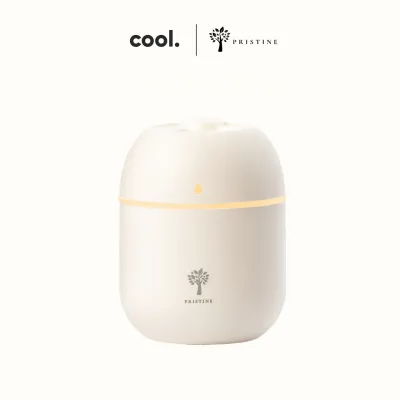
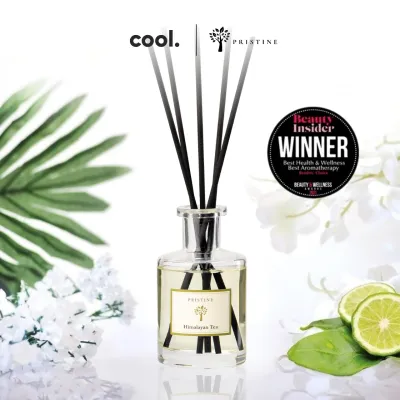
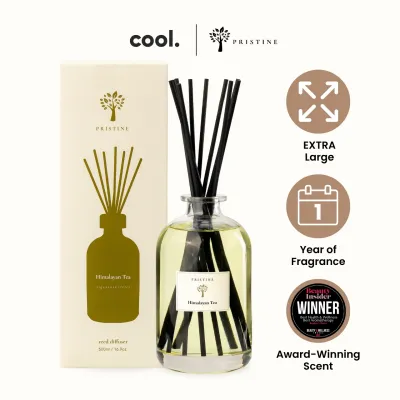

Prices are valid at publication and may change. Please refer to the product page for the latest price.
Verify first if your chosen diffuser model aligns with your specific room size, carries the necessary local electrical safety certifications, and fits your daily routine before finalizing your purchase. The ideal choice ultimately depends on your spatial constraints, decor preferences, and how integrated you want the device to be with your daily habits.
Key Specifications to Compare: Pristine Aroma vs. Competitors
To make an informed purchasing decision, it is essential to look past brand names and marketing descriptions. Focusing on standardized, verifiable manufacturer specifications allows you to evaluate how a diffuser will perform in your home. Comparing these metrics directly ensures you invest in a device that meets your practical needs rather than relying solely on visual appeal.

Four critical dimensions dictate the performance, convenience, and safety of any essential oil diffuser: mist output, tank capacity, noise levels, and physical design. By understanding how these specifications interact with one another, you can identify the strengths and limitations of different models on the market.
Mist Output and Room Coverage
When evaluating a diffuser, the first specification to check is the manufacturer’s stated coverage area, typically measured in square meters or square feet. This rating indicates the maximum space the device can effectively fill with scent. Ultrasonic diffusers use a small ceramic plate vibrating at high frequencies—usually between 1.7 and 2.4 megahertz—to break down water and essential oils into a micro-fine mist that easily disperses into the air.
The volume of mist emitted per hour, usually measured in milliliters (ml/h), directly impacts how quickly and intensely a fragrance fills a room. High-output settings are excellent for rapidly neutralizing odors or scenting a large room, but they consume water and oil at a much faster rate. Conversely, low or intermittent mist settings provide a subtle, background scent that is less overwhelming and lasts significantly longer.
It is vital to match the diffuser’s coverage rating to the actual dimensions of your intended room. Placing an underpowered diffuser in a large, open-concept living area will result in a barely noticeable scent, as the mist dissipates too quickly. On the other hand, operating an overpowered unit in a small, closed study or bedroom can lead to an uncomfortably high scent concentration and excessive moisture buildup on nearby walls, electronics, or wooden furniture.
Tank Capacity and Continuous Runtime
Water tank capacity is a primary factor in determining how often you will need to refill your diffuser. Standard residential diffusers generally feature tank sizes ranging from 100ml to 500ml or more. A smaller 100ml tank is compact and unobtrusive, making it ideal for office desks or bedside tables, but it typically offers a limited continuous runtime of three to five hours.
Larger tanks, such as those holding 300ml to 500ml of water, can easily operate continuously for eight to twelve hours, or even longer when set to an intermittent mode. This makes them highly suitable for overnight use in bedrooms or for maintaining a consistent aroma throughout the day in living rooms. However, larger tanks require a larger physical footprint, which may not suit minimalist or space-constrained setups.
To maximize convenience and safety, look for models that feature adjustable timer settings (such as one-hour, three-hour, or six-hour intervals) and an automatic shutoff mechanism. The auto-shutoff feature is a critical safety component that cuts power to the ultrasonic transducer the moment the water level drops below a certain threshold. This prevents the device from running dry, overheating, or damaging its internal circuitry.
Noise Levels and Sleep Compatibility
Because diffusers are frequently used in bedrooms, offices, and study areas, the acoustic footprint of the device is a major consideration. Most high-quality ultrasonic diffusers operate at noise levels below 35 decibels (dB), which is generally categorized as whisper-quiet. At this level, the sound is easily masked by typical household background noise or air conditioning units.
However, the nature of the sound can vary between brands and individual product builds. While the ultrasonic vibration itself is silent to human ears, you may hear a gentle humming from the internal fan that pushes the mist upward, or the occasional sound of water dripping inside the tank. High-quality designs incorporate baffles or specialized lid structures to redirect water droplets quietly back into the reservoir, minimizing disruptive splashing sounds.
When selecting a diffuser for sleep compatibility, pay close attention to the control interface and indicator lights. Some diffusers feature bright LED lights or status indicators that remain illuminated while the mist is running, which can be highly disruptive in a dark bedroom. Opt for models that offer a dedicated “sleep mode” or allow you to turn off all ambient lighting and indicator lights independently of the misting function.
Design, Materials, and Ambient Lighting
An essential oil diffuser is as much a decorative piece as it is a functional appliance. Modern diffusers are designed to complement various interior styles, utilizing materials such as natural wood-grain finishes, matte plastics, hand-crafted ceramics, or frosted glass. Premium materials like ceramic and glass not only offer a heavier, more stable base but also resist the corrosive effects of pure essential oils much better than low-grade plastics.
If you choose a plastic diffuser, ensure that the water tank is constructed from high-quality polypropylene (PP). Polypropylene is highly resistant to chemical degradation, ensuring that the plastic does not crack, warp, or leach chemicals into the water when exposed to highly concentrated essential oils, particularly citrus-based oils like lemon or bergamot.
Ambient lighting features add another layer of aesthetic integration. Many models offer built-in LED lighting systems that can transition through a spectrum of colors, lock onto a single hue, or mimic the warm, flickering glow of a candle. When evaluating these features, consider whether the light’s color temperature and brightness match your existing home decor, and verify that the lighting can be completely customized or disabled to suit your mood.
Assessing Value: Beyond the Initial Price Tag
Evaluating the true value of a diffuser requires looking beyond the initial retail price. A low-cost diffuser may seem attractive at first, but if it lacks durability, consumes excessive amounts of oil, or cannot be repaired, the long-term cost of ownership can quickly surpass that of a premium model. True value lies in the balance of build quality, operational efficiency, warranty protection, and customer support.
When comparing pristine aroma to other market alternatives, consider the availability and cost of replacement parts. Over months of daily use, components such as power adapters can wear out, or the internal ultrasonic plate may degrade. Brands that offer easily accessible replacement parts, clear user guides, and responsive customer service channels provide a much higher level of long-term utility than generic, unbranded imports.
Warranty coverage is a strong indicator of a manufacturer’s confidence in their product’s durability. Standard consumer electronics in this category typically come with a six-month to one-year limited warranty. Always purchase your device through official brand websites, authorized flagship stores, or reputable local retailers to ensure your warranty is valid and enforceable. Purchasing from unauthorized third-party sellers on online marketplaces often voids the warranty and leaves you without recourse if the device malfunctions.
Furthermore, consider the value of starter bundles. Many established brands offer packages that include a diffuser alongside a selection of their signature essential or fragrance oils. These bundles can represent significant savings compared to purchasing the hardware and oils separately, providing an easy and cost-effective entry point for those new to home scenting.
Sizing and Setup for Singapore Homes
Singapore’s unique residential landscape and tropical climate introduce specific environmental factors that influence how you should set up and use your diffuser. Whether you live in a compact Housing & Development Board (HDB) flat, a modern condominium, or a landed property, spatial layout and ventilation play a significant role in how scent travels through your home.
In typical HDB layouts, bedrooms are relatively compact and enclosed, whereas the living and dining areas are often open-plan. For an enclosed bedroom of approximately 9 to 12 square meters, a compact diffuser with a 100ml to 150ml tank is usually more than sufficient. Operating a larger, high-output diffuser in such a confined space can quickly saturate the air, leading to an overly intense fragrance and unnecessary moisture accumulation on bed linens and walls.
For spacious living rooms or open-concept layouts, a larger diffuser with a 300ml to 500ml capacity is recommended to ensure the scent disperses evenly. Placing the diffuser in a central location, elevated on a side table or shelf, allows the mist to rise and spread naturally. Utilizing household air circulation, such as a ceiling fan set to a low speed, can greatly assist in distributing the scent throughout a larger room without overpowering any single corner.
+-------------------------------------------------------------------------+
|                       DIFFUSER PLACEMENT GUIDE                          |
+-----------------------------------+-------------------------------------+
| ENCLOSED BEDROOM (9-12 sqm)       | OPEN-PLAN LIVING AREA (25+ sqm)     |
| - Recommended Tank: 100ml - 150ml | - Recommended Tank: 300ml - 500ml   |
| - Mist Setting: Low/Intermittent  | - Mist Setting: High or Continuous  |
| - Placement: Bedside / Desk       | - Placement: Central / Elevated     |
| - Avoid: Direct draft from AC     | - Tip: Use low ceiling fan to blend |
+-----------------------------------+-------------------------------------+
The widespread use of air conditioning in Singapore homes also affects diffuser performance. Air conditioners actively dehumidify the indoor air, creating a dry environment where the cool mist from an ultrasonic diffuser evaporates quickly. While a diffuser does release moisture, it is not a substitute for a dedicated humidifier. Avoid placing your diffuser directly in the path of cold air drafts blowing from an air conditioning unit; strong drafts can suppress the upward momentum of the mist, causing it to fall rapidly and condense into water droplets on the surface below.
Finally, electrical compatibility and safety are paramount. Singapore operates on a 230V, 50Hz electrical grid and utilizes Type G three-pin plugs. When purchasing a diffuser, especially from international online platforms, always verify that the power adapter is compatible with Singapore’s voltage standard. Devices designed exclusively for 110V markets will suffer immediate, irreversible damage and pose a serious electrical fire hazard if plugged directly into a local outlet. For maximum safety, ensure the power adapter carries the Enterprise Singapore Safety Mark certification.
Routine Maintenance and Safety Boundaries
To ensure your diffuser operates efficiently and enjoys a long lifespan, establishing a routine maintenance schedule is essential. Because ultrasonic diffusers rely on water, they can easily become breeding grounds for bacteria, mold, and mineral deposits if left uncleaned. Regular maintenance preserves the purity of the diffused scent and protects your health.
After every few uses, or before switching to a different essential oil scent, perform a basic cleaning of the water tank. Always start by isolating the power supply—unplug the adapter from the wall outlet and disconnect the power cord from the base of the diffuser. Empty any remaining water from the tank, taking care to pour it out from the opposite side of the air outlet to prevent water from entering the internal electronics.
+-------------------------------------------------------------------------+
|                       ROUTINE CLEANING CHECKLIST                        |
+-------------------------------------------------------------------------+
| [ ] Power Isolation: Unplug the device from the wall and base.          |
| [ ] Empty Tank: Pour water out away from the air vent/buttons.          |
| [ ] Wipe Interior: Use a soft, damp microfiber cloth on the tank walls. |
| [ ] Clean Ceramic Plate: Gently swab the center disc with rubbing       |
|     alcohol or white vinegar to dissolve oil buildup.                   |
| [ ] Air Dry: Allow all components to dry completely before next use.    |
+-------------------------------------------------------------------------+
Wipe the interior of the tank with a soft, damp microfiber cloth. To clean the ultrasonic ceramic plate at the bottom of the tank, which can accumulate stubborn oil residue and mineral crusts, gently rub it with a cotton swab dipped in mild rubbing alcohol or white vinegar. Avoid using abrasive pads, harsh chemical cleaners, or bleach, as these can permanently scratch the ceramic plate or degrade the plastic housing. Never submerge the main body or base of the diffuser in water.
Always adhere to the safety boundaries outlined in your product’s user manual. Never exceed the maximum fill line marked inside the water tank; overfilling restricts the movement of the ultrasonic transducer, resulting in weak mist output or no mist at all. Additionally, if you notice a frayed power cord, if the device body becomes unusually hot to the touch, or if it emits a burning odor, immediately cease operation, unplug the unit, and contact the manufacturer or a qualified electrical professional for assistance.
Frequently Asked Questions (FAQ)
Can I use tap water in my ultrasonic diffuser?
While many ultrasonic diffusers are compatible with tap water, using filtered or distilled water is highly recommended for optimal long-term performance. Singapore’s tap water is clean and safe, but it still contains trace minerals that can gradually accumulate as a hard white crust on the ultrasonic ceramic plate. This mineral buildup reduces mist efficiency and can eventually cause the transducer to overheat. Always check your specific model’s user manual, as some manufacturers require tap water to allow the internal water-level sensors to conduct electricity and function properly, while others advise distilled water to protect the warranty.
Why is my diffuser producing less mist over time?
The most common cause of a sudden or gradual decrease in mist output is oil residue or mineral buildup clogging the ultrasonic ceramic plate. Over time, heavy essential oils can leave a thin, oily film on the plate that dampens its high-frequency vibrations. A thorough cleaning with a cotton swab dipped in rubbing alcohol or white vinegar will usually resolve this issue. Another frequent cause is overfilling the water tank. If the water level is even slightly above the designated maximum fill line, the weight of the water prevents the ultrasonic plate from vibrating effectively, which restricts or completely stops mist production.
Community discussion
Share your experience or ask a question. Comments are reviewed before publication.