
Determining whether the Pristine ball diffuser offers superior performance or value compared to alternative aroma diffusers depends heavily on how its specific diffusion mechanism and material specifications align with your room size and lifestyle preferences. Because exact performance metrics vary by production batch and model updates, you must verify the current manufacturer labels and specifications before purchasing.
To establish a factual baseline, start by identifying the exact operating mechanism of your chosen model. Some ball-style diffusers operate as passive evaporation systems, utilizing porous ceramic, clay, or wooden spheres that slowly absorb and release fragrance into the immediate surrounding air without electricity. Other models may feature active ultrasonic components housed within a ball-shaped casing, which require water and electrical power to generate a fine, visible mist via high-frequency vibrations.
Next, verify the material composition of the device. High-quality diffusers often combine natural materials like ceramic, glass, or sustainably sourced wood with oil-resistant plastics. Checking these materials is crucial because pure essential oils can degrade low-grade plastics over time, leading to leaks, cracks, or structural failure.
Products mentioned in this guide

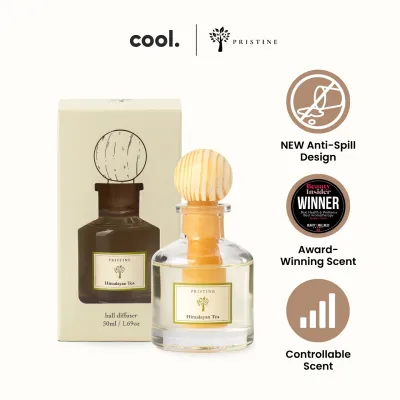
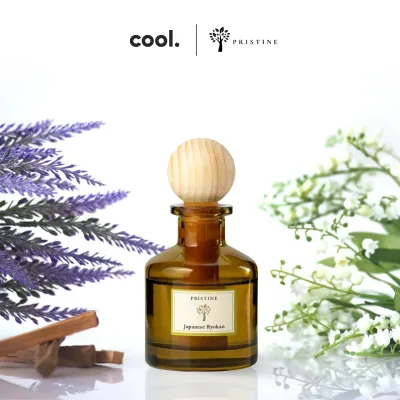
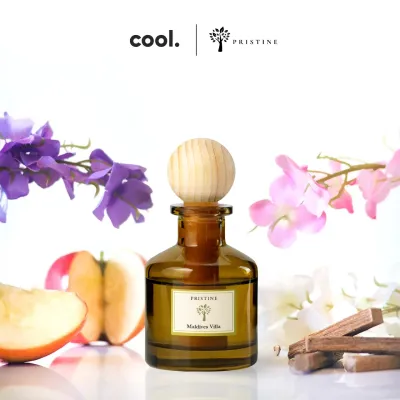
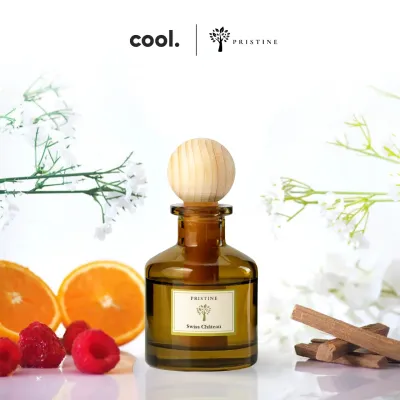
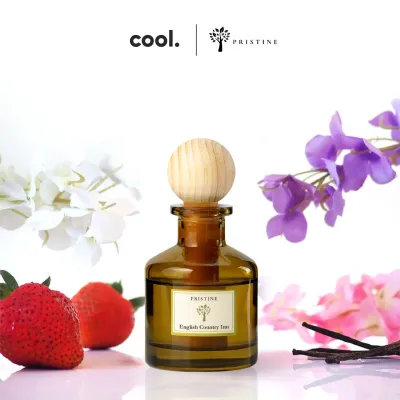
Prices are valid at publication and may change. Please refer to the product page for the latest price.
Finally, always review the manufacturer’s safety warnings and capacity limits. Passive models are generally low-risk but must be kept away from delicate surfaces that could be damaged by direct oil contact. Active models will specify a maximum water capacity, typically measured in milliliters, which directly dictates how long the device can run before requiring a refill, as well as safety guidelines regarding automatic shutoff features when the water level runs low.
Key Performance Dimensions to Verify Against Competing Brands
Evaluating a diffuser requires looking past marketing claims and focusing on verifiable technical specifications.
First, consider the diffusion method and its effective coverage area. Passive ball diffusers are designed for localized scenting, making them ideal for personal spaces such as a study desk, bedside table, or small bathroom. If you need to scent a larger, open-plan living area, you should check the manufacturer’s room-size recommendations for competing ultrasonic or nebulizing diffusers, which actively disperse fragrance across wider square footage using fans or pressurized air.
Second, examine the power source and continuous runtime limits. A completely passive diffuser requires no cords or batteries, offering ultimate portability and zero energy consumption. In contrast, active models rely on USB cables, rechargeable batteries, or standard plug-in adapters; for these, you must verify the runtime limits, which can range from a few hours of continuous mist to half a day of intermittent operation.
Third, assess material durability, aesthetic integration, and operational noise. A ceramic or wooden ball diffuser serves as a quiet, minimalist decorative element that blends seamlessly with modern interior styles. Because passive models have no moving parts, they operate in absolute silence, whereas active ultrasonic models produce a gentle hum or water-dripping sound that may or may not suit your sleeping or working environment.
Fourth, compare the required maintenance routines and cleaning frequencies. Passive diffusers generally require minimal upkeep, such as an occasional wipe-down or a gentle soak in isopropyl alcohol to remove oil buildup. Active water-based diffusers demand more rigorous maintenance, including regular descaling of the ultrasonic plate to prevent mineral buildup, mold growth, and subsequent mechanical failure.
Evaluating Value for Money and Long-Term Ownership Costs
Calculating the true value of a diffuser involves analyzing both the initial purchase price and the ongoing expenses associated with its operation.
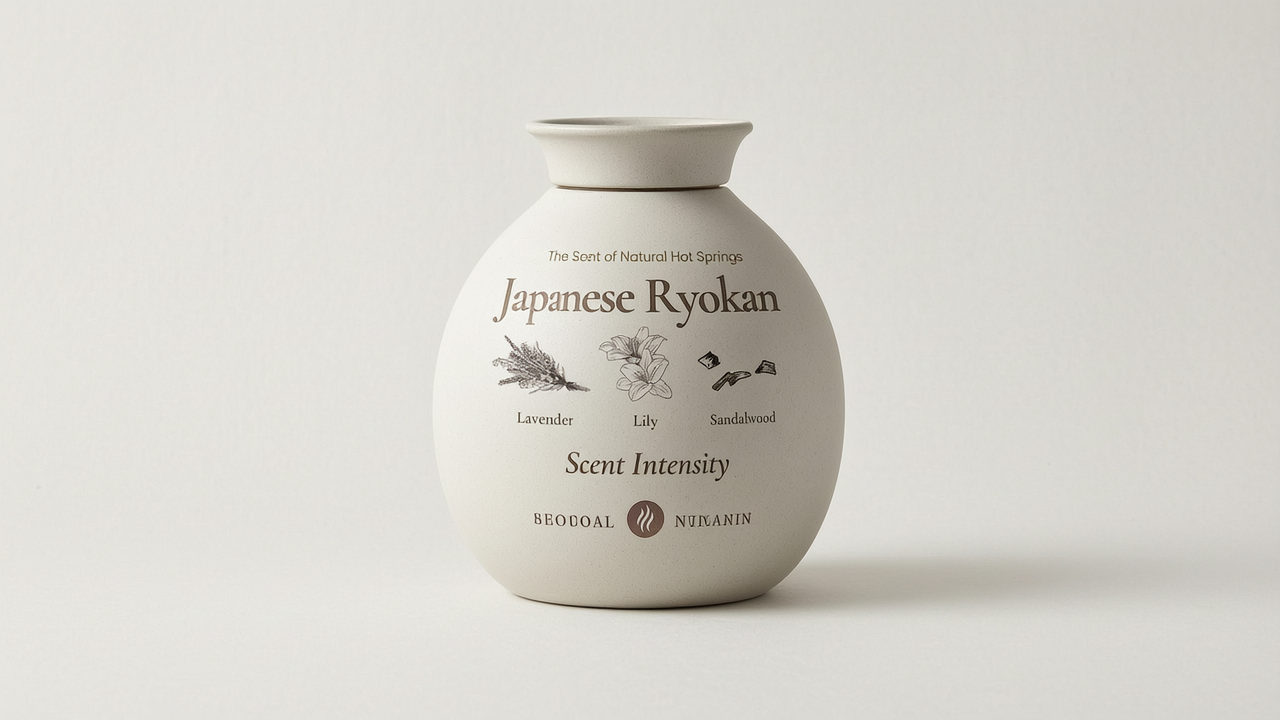
Begin by comparing the initial retail prices in S$ across authorized online marketplaces, local department stores, and official brand outlets. While a passive ball diffuser may have a lower upfront cost than a high-tech ultrasonic unit, ensure you are comparing products with equivalent build quality and safety certifications rather than relying solely on brand popularity.
Next, factor in the ongoing cost of consumables. Some diffusers require proprietary fragrance pads, custom-sized reeds, or specific oil bottles that lock you into a single brand’s ecosystem. Models that allow you to use any high-quality, third-party essential oil offer greater financial flexibility, though your long-term costs will still depend on the price and consumption rate of your preferred oils.
Finally, assess the warranty terms, return policies, and expected lifespan of the device. A robust manufacturer warranty, typically spanning six to twelve months, provides peace of mind and indicates a higher standard of manufacturing. Examine the physical construction of the unit; solid ceramic, glass, or thick, well-sealed plastics generally offer a much longer lifespan than thin, cheap plastics that may discolor or crack when exposed to acidic citrus oils.
Decision Framework: Choosing the Right Diffuser for Your Routine
To make the right choice, match your daily habits and spatial constraints to the specific strengths of each diffuser type.
Choose the Pristine ball diffuser if you prefer a subtle, close-range fragrance experience that requires minimal daily maintenance. Its cordless, waterless operation makes it highly portable and exceptionally safe for areas where electrical outlets are scarce or where water spills could damage electronics or wooden furniture. It is an excellent fit for those who appreciate a quiet, decorative object that enhances a personal workspace or bedside table.
Choose competing active or ultrasonic diffusers if you require a stronger, more immediate fragrance throw that can fill a medium to large room. These models are better suited for open living spaces where you want to control the mist intensity, set automatic timers, or benefit from the slight humidifying effect that water-based systems provide in air-conditioned environments.
Before finalizing any purchase, verify the electrical safety specifications of the device. Ensure that any powered model matches your local voltage requirements and carries recognized electrical safety marks. Always plan for safe placement, keeping the diffuser on a stable, level, and moisture-resistant surface well out of reach of children and pets.
Frequently Asked Questions (FAQ)
How do I clean a ball-style aroma diffuser without damaging the material?
Always check the specific product manual for material-safe cleaning instructions before attempting to clean your diffuser. For passive ceramic or wooden ball diffusers, gently wipe the exterior surfaces with a clean, damp microfiber cloth to remove dust and residual oils. Avoid using harsh chemical solvents, abrasive pads, or submerging any electrical components in water. If your model features an internal water tank or ultrasonic plate that requires descaling, stop and consult the manufacturer’s guidelines, or use a mild solution of warm water and white vinegar as directed by the manual.
Can I use any brand of essential oil in the Pristine ball diffuser?
Compatibility depends entirely on the diffuser’s specific diffusion mechanism and material design. Passive diffusers that rely on porous ceramic or felt pads are highly versatile and can generally accommodate most brands of pure essential oils or fragrance oils. However, you must check the manufacturer’s warranty terms, as some brands specify that using non-approved or synthetic oils may void your coverage. Additionally, pay close attention to oil viscosity; extremely thick oils like vetiver or sandalwood can clog fine mechanisms or permanently saturate porous materials, so verifying oil purity and thickness is essential to prevent damage.
Community discussion
Share your experience or ask a question. Comments are reviewed before publication.