
Finding a thoughtful gift for a colleague requires balancing personal appreciation with professional boundaries. A carefully selected desk sculpture serves as an elegant addition to a workspace, offering a daily reminder of professional camaraderie without crossing personal boundaries. The ideal desk sculpture should enhance the workspace aesthetic, respect the limited real estate of a modern desk, and align with the recipient’s professional style.
Selecting a piece that is tasteful, appropriate, and universally appealing in a corporate environment demands careful consideration of scale, theme, and material. This guide outlines the essential criteria for choosing workplace-appropriate sculptures and explores versatile categories that suit diverse professional preferences. By focusing on neutral themes and high-quality craftsmanship, you can select a gift that feels both sophisticated and personally meaningful.
Key Criteria for Choosing Workplace-Appropriate Sculptures
Desks are highly functional spaces where productivity is the primary focus. A sculpture should never crowd out essential tools like keyboards, monitors, or document trays. A compact footprint—typically no larger than a standard coffee mug or a small notebook—enures the piece can sit comfortably on a corner, a riser, or a nearby shelf without causing clutter. Prioritizing a small scale shows respect for the recipient’s physical workspace.
Products mentioned in this guide

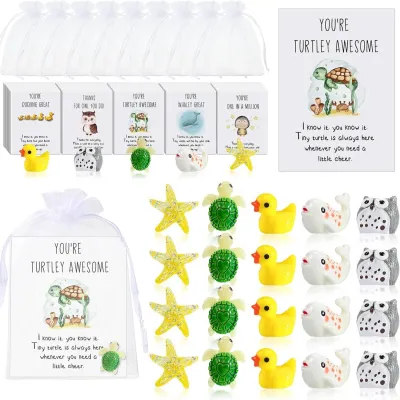
Prices are valid at publication and may change. Please refer to the product page for the latest price.
The workplace is a shared environment, making visual neutrality a critical consideration. Avoid themes that touch on politics, religion, or highly polarizing artistic movements. Opt instead for abstract, geometric, or nature-inspired designs that invite appreciation without demanding intense interpretation or causing discomfort to visitors. A neutral theme ensures the sculpture remains a welcome addition to any professional setting.
Office desks, especially modern glass-topped surfaces or height-adjustable standing desks, are prone to slight vibrations throughout the workday. A desk sculpture must have a low center of gravity and a stable, non-slip base to prevent accidental tipping. Felt, cork, or silicone padding on the underside of the base is essential, as it protects polished wood or delicate glass surfaces from scratches and scuffs.
Many modern offices run continuous air conditioning, which can circulate fine dust over time. Sculptures with intricate, deep crevices or highly textured surfaces can quickly become dust traps that are difficult to clean. Smooth, easily wiped surfaces ensure the recipient does not have to spend excessive time maintaining their gift. Choosing low-maintenance designs ensures the sculpture remains a source of pleasure rather than an extra chore.
Recommended Categories of Desk Sculptures
To simplify the selection process, desk sculptures can be grouped into three primary design categories: abstract geometric forms, nature-inspired elements, and functional kinetic art. Each category appeals to different professional personalities and office layouts, making it easier to find a match for your colleague.

Matching the sculpture to the recipient’s role and workspace vibe shows a high level of thoughtfulness. For instance, highly structured roles often pair well with clean, geometric lines, while creative or high-stress environments benefit from the calming influence of organic shapes or interactive kinetic pieces. Understanding these categories allows you to select a piece that complements their daily work life.
Abstract Geometric and Minimalist Forms
Abstract geometric sculptures rely on clean lines, mathematical symmetry, or intriguing asymmetry to create visual interest. Symmetrical pieces offer a sense of stability and order, making them excellent additions to highly structured workspaces. Asymmetrical designs, on the other hand, introduce dynamic energy and can make a small desk feel more modern and open without overwhelming the senses.
Color palettes in this category should remain sophisticated and restrained. Monochrome tones, such as matte black or crisp white, blend seamlessly into contemporary office designs. Metallic finishes like brushed brass or satin aluminum add a touch of warmth and luxury, while muted earth tones like terracotta or slate offer a grounded, organic feel that softens the look of modern office equipment.
These minimalist forms are ideal for analytical thinkers, engineers, architects, or colleagues who appreciate modern design. The lack of literal representation allows the piece to remain entirely neutral, fitting effortlessly into any corporate setting. It serves as a subtle focal point that enhances the desk’s aesthetic without dictating a specific narrative or causing distraction.
Nature-Inspired and Organic Elements
Nature-inspired sculptures bring a touch of the outdoors inside, offering a soothing contrast to the sterile feel of screens and fluorescent lighting. Rather than literal, overly detailed representations, look for stylized interpretations of flora, fauna, or natural landscapes. A simplified wooden leaf, a polished stone wave, or an abstract ceramic bird captures the essence of nature while maintaining a professional appearance.
Integrating natural textures is key to the success of these pieces. The visible grain of sustainably sourced wood, the unique veining of marble, or the tactile quality of matte ceramics adds depth and warmth to a desk. These materials break up the monotony of plastic and metal office equipment, creating a more inviting and comfortable workspace.
These organic elements are particularly suited for creative professionals, wellness-focused colleagues, or those working in high-stress environments. Placing a nature-inspired sculpture near a window or beside a small desk plant creates a peaceful micro-environment. This natural connection can help reduce visual fatigue and provide a brief, calming mental break during long working hours.
Functional Art and Kinetic Desk Objects
For colleagues who prefer utility over pure decoration, functional art offers an ideal compromise. These are sculptures that serve a practical purpose while maintaining a high-end artistic aesthetic. Examples include architectural paperweights, sculptural pen holders carved from solid stone, or modular brass desk organizers that can be rearranged like miniature installations, combining beauty with daily utility.
Kinetic desk objects introduce gentle, silent movement into the workspace. These pieces, such as balanced pendulums or rolling metal spheres, provide a quiet outlet for restless energy and can serve as silent stress relievers during intense phone calls or brainstorming sessions. It is crucial that any kinetic element operates completely silently to avoid disrupting nearby colleagues in open-plan offices.
When selecting functional or kinetic pieces, durability is paramount. Because these objects are meant to be handled, check that the moving parts are robust and that the materials can withstand daily touch without wearing down or losing their alignment. High-quality bearings and solid metal joints are indicators of a well-made kinetic sculpture that will last for years.
Materials and Finishes for Professional Environments
The choice of material dictates not only the sculpture’s aesthetic appeal but also its longevity and maintenance requirements in a professional setting. Metals like brass, aluminum, and stainless steel are popular for their modern look and durability. However, polished metal surfaces are highly prone to showing fingerprints and smudges. Opting for brushed, satin, or matte metal finishes helps maintain a clean appearance even after frequent handling.
Wood and high-density resins offer a different set of advantages. Solid wood brings natural warmth and acoustic dampening properties, which can subtly absorb minor desk vibrations. High-density resins allow for highly detailed, lightweight designs that are easy to move and less likely to crack if accidentally tipped over, making them highly practical for busy office environments.
Consider the lighting environment of the recipient’s office when choosing a finish. High-gloss finishes can reflect harsh overhead fluorescent lights or computer screens, creating distracting glare. Matte, satin, or textured finishes are generally safer choices, as they diffuse light softly and maintain their visual appeal under various lighting conditions without causing eye strain.
Before purchasing, always check the manufacturer’s care instructions. Some materials, like untreated brass or raw wood, may require specific oils or polishes to prevent tarnish or drying. For a workplace gift, it is highly recommended to choose materials that require nothing more than an occasional wipe with a dry microfiber cloth, sparing the recipient from complex maintenance routines.
Personalizing the Gift Without Crossing Boundaries
Personalization can elevate a desk sculpture from a simple object to a cherished keepsake, but it must be executed with restraint. If you choose to add an engraving or monogram, keep it subtle and small. A tiny, clean sans-serif font placed on the underside of the base or along a quiet edge is far more professional than a large, prominent inscription. Limit the text to initials, a significant date, or a brief, universally positive word like “Collaboration” or “Gratitude.”
The presentation of the gift plays a significant role in setting a professional tone. Avoid overly festive, bright, or heavily patterned wrapping paper. Instead, opt for premium, understated packaging, such as a sturdy textured cardboard box in a neutral tone like charcoal, navy, or forest green. A simple, high-quality ribbon adds a touch of elegance without looking overly personal or informal.
The accompanying gift card should mirror this professional tone. Write a clear, warm message that focuses on professional appreciation and teamwork. Avoid overly intimate language, inside jokes that could be misinterpreted, or references to personal life outside of work. A message such as, “With sincere appreciation for your dedication and support on our projects this year,” strikes the ideal balance of warmth and professionalism.
Frequently Asked Questions (FAQ)
What is an appropriate budget for a colleague's desk sculpture?
An appropriate budget typically ranges from S$30 to S$100, depending on the closeness of your working relationship, the occasion, and company gifting policies. Many organizations have strict limits on the value of gifts employees can accept, so it is wise to verify these guidelines beforehand. If you are gifting as a team, a slightly higher budget may be appropriate to purchase a more refined, handcrafted piece. Focus on the quality of craftsmanship and materials rather than the size of the sculpture; a small, beautifully finished stone or metal piece is generally more professional than a large, cheaply made alternative.
How do I clean and maintain a metal or wood desk sculpture?
Daily maintenance should be kept as simple as possible. For both metal and wood sculptures, a gentle dusting with a dry, clean microfiber cloth is usually sufficient to remove surface dust without scratching the finish. Avoid using harsh chemical sprays, glass cleaners, or abrasive pads, as these can strip away protective coatings or discolor the material. If the sculpture has a wood finish, check the manufacturer’s instructions to see if an occasional drop of mineral oil is recommended, but generally, dry dusting is the safest and most convenient method for an office environment.
Are kinetic or moving desk sculptures too distracting for an office?
Kinetic sculptures are excellent for offices as long as they are completely silent and visually subtle. Avoid pieces with bright, flashing lights, rapid movements, or clicking sounds, as these will quickly become a distraction in shared or open-plan workspaces. Look for objects that rely on gravity, gentle manual interaction, or precision magnetic balances that move slowly and silently. A well-designed kinetic piece should serve as a calming focal point that aids concentration rather than a disruptive novelty that pulls attention away from deep work.
Community discussion
Share your experience or ask a question. Comments are reviewed before publication.